


Version 10.0.0 Release Notes
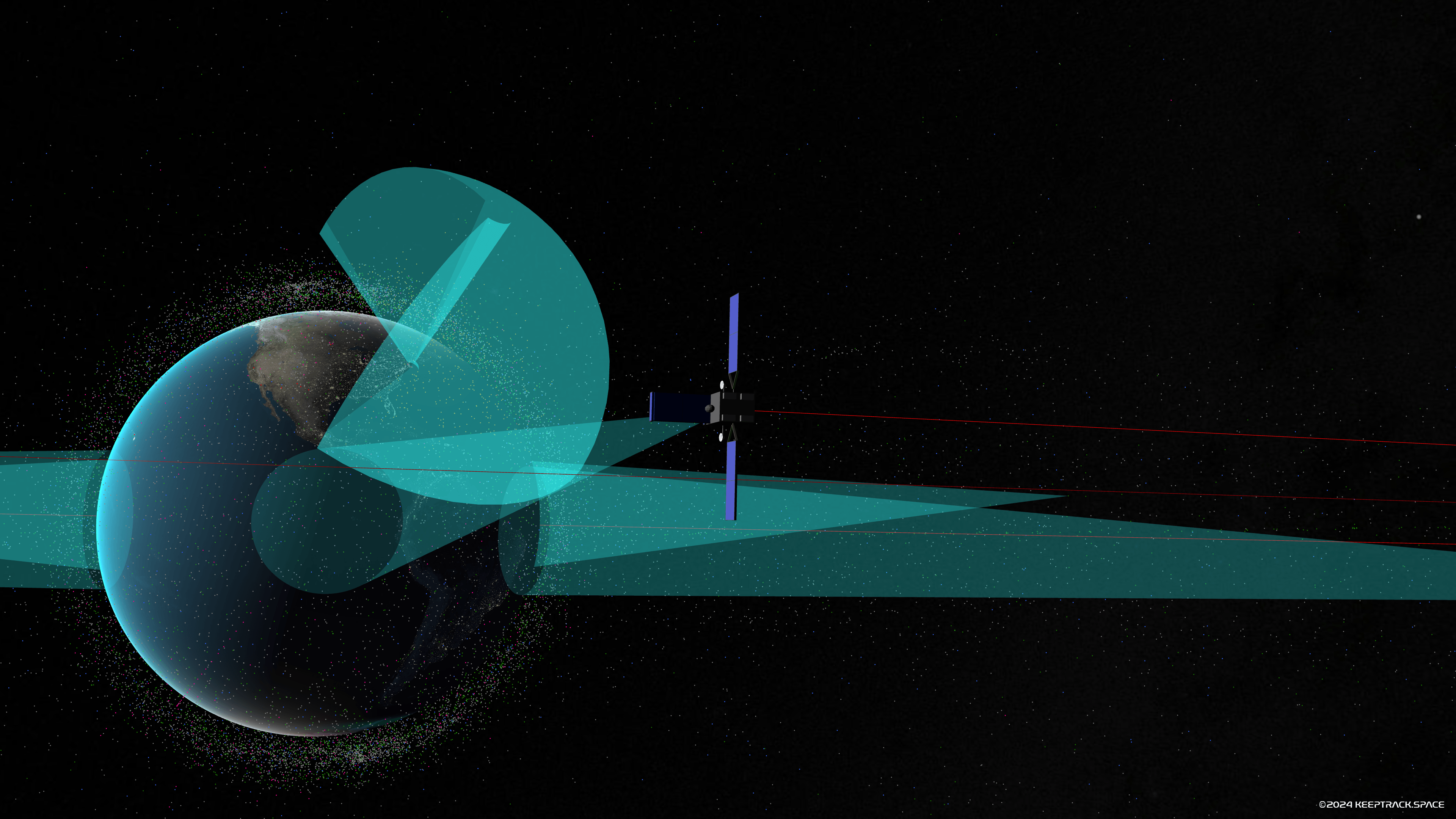
The latest update introduces 3D satellite FOV cones, advanced sensor capabilities, and enhanced timelines, improving the way users interact with satellite data.


Launch Date
August 6, 2024
Launch Site
TAISC
Launch Pad
TYSC -
Launch Vehicle
Chang Zheng 6A
NORAD ID
61429
International Designator
2024-140YW
Epoch
Sun, 19 Jul 2026 05:00:20 GMT
Apogee
Calculating...
Perigee
Calculating...
Inclination
88.96°
Right Ascension
265.40°
Eccentricity
Calculating...
Argument of Perigee
275.72°
Period
99.89 min
Mean Motion
14.42 rev/day
Latitude
Calculating...
Longitude
Calculating...
Altitude
Calculating...
Velocity
Calculating...
Name
CZ-6A DEB
Alternative Name
deb CZ-6A Y21
Type
Status
Owner
CNSA
Country
China
Constellation
N/A
Related Satellites
Major Events
N/A
1 61429U 24140YW 26200.20856856 .00001735 00000+0 47116-3 0 9990
2 61429 88.9617 265.4031 0138528 275.7249 82.8173 14.41642939100066
Source: Celestrak
Length
0
Diameter
0
Span
0
Dry Mass
0
Launch Mass
0
Shape
N/A
Radar Cross Section
Unknown
Visual Magnitude
Unknown
Color
Unknown
Material Composition
Unknown
Payload
Unknown
Purpose
Unknown
Mission
Unknown
Manufacturer
SAST
Life Expectancy
Unknown
Bus
Unknown
Configuration
Unknown
Motor
Unknown
Equipment
Unknown
Power System
Unknown
ADCS
Unknown
Transmitter Frequency
Unknown
Learn more about satellites and other related topics.
The latest update introduces 3D satellite FOV cones, advanced sensor capabilities, and enhanced timelines, improving the way users interact with satellite data.

From Apollo's darkest days to humanity's first transmission from Venus, we spent 2025 remembering the missions that made modern spaceflight possible. Here's what we covered - and why we're committed to keeping this series going.

SpaceX successfully launched 28 Starlink satellites from Cape Canaveral, while Starship prepares for its ninth test flight next week.
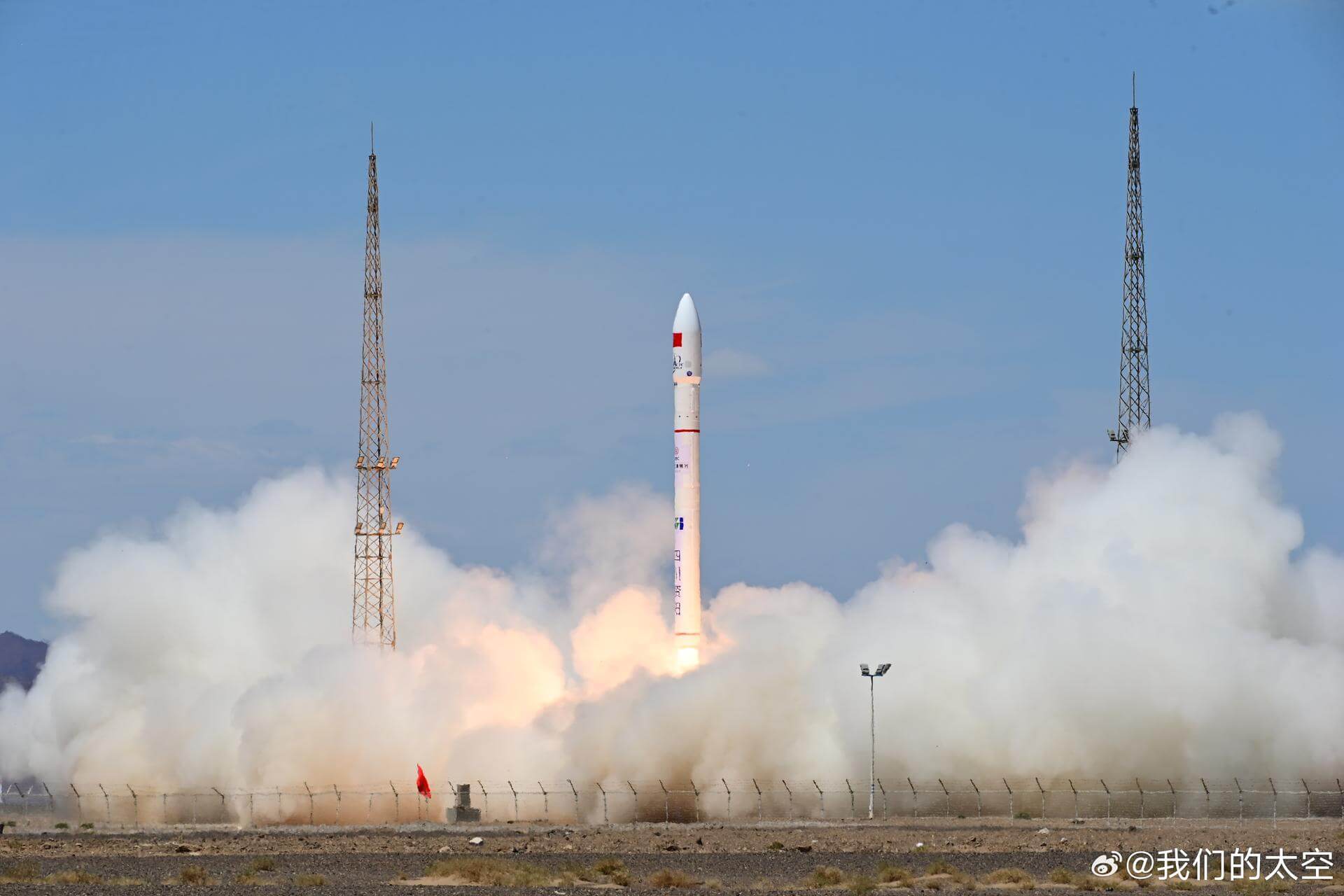
Today's brief covers the crash of a SpaceX Falcon 9 rocket over Europe, the Space Force's mapping efforts with Iron Dome, and key military appointments and funding decisions.
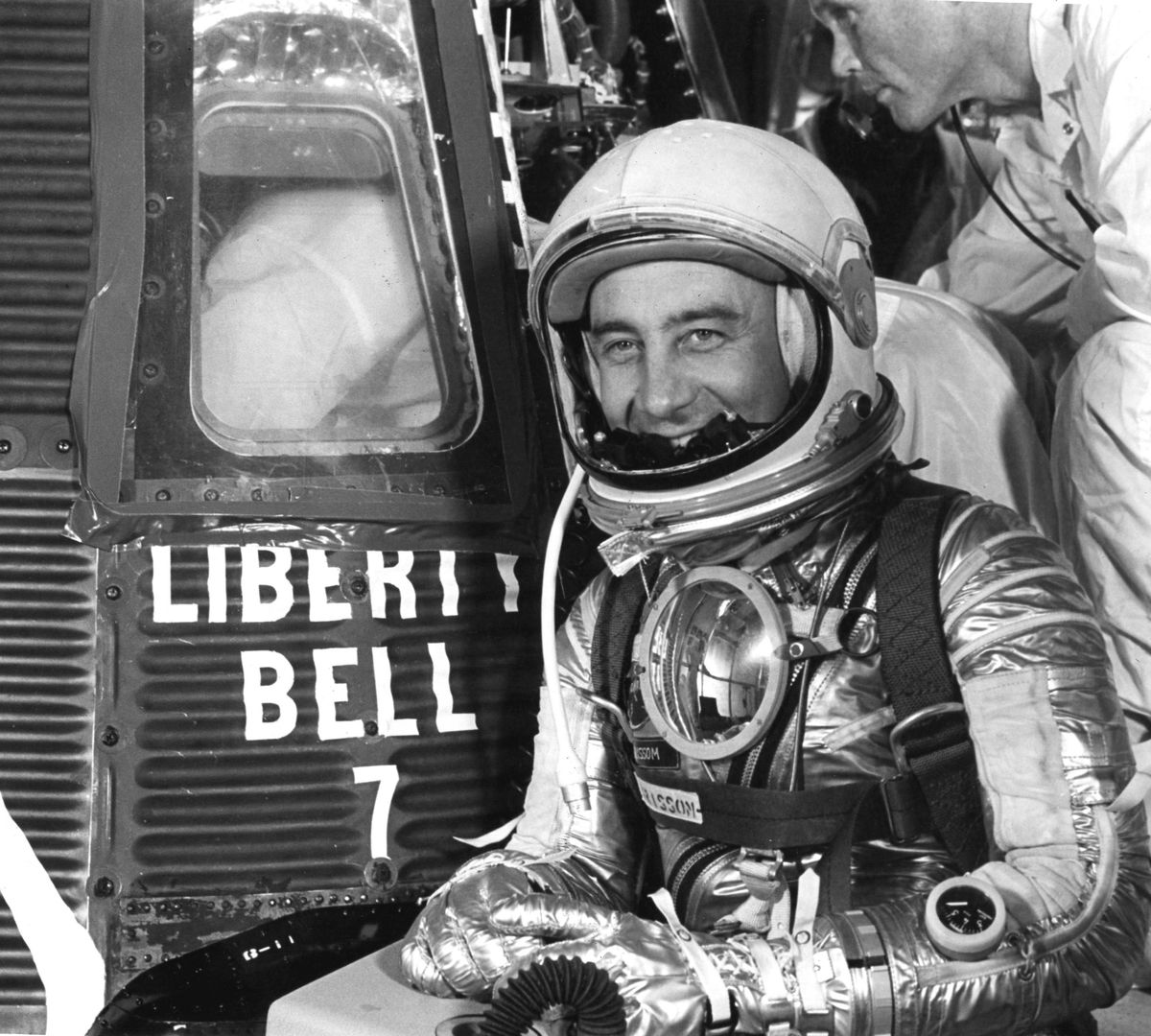
Sixty-four years ago, NASA made a decision that would shape the future of human spaceflight by selecting three astronauts to compete for America's first journey into space
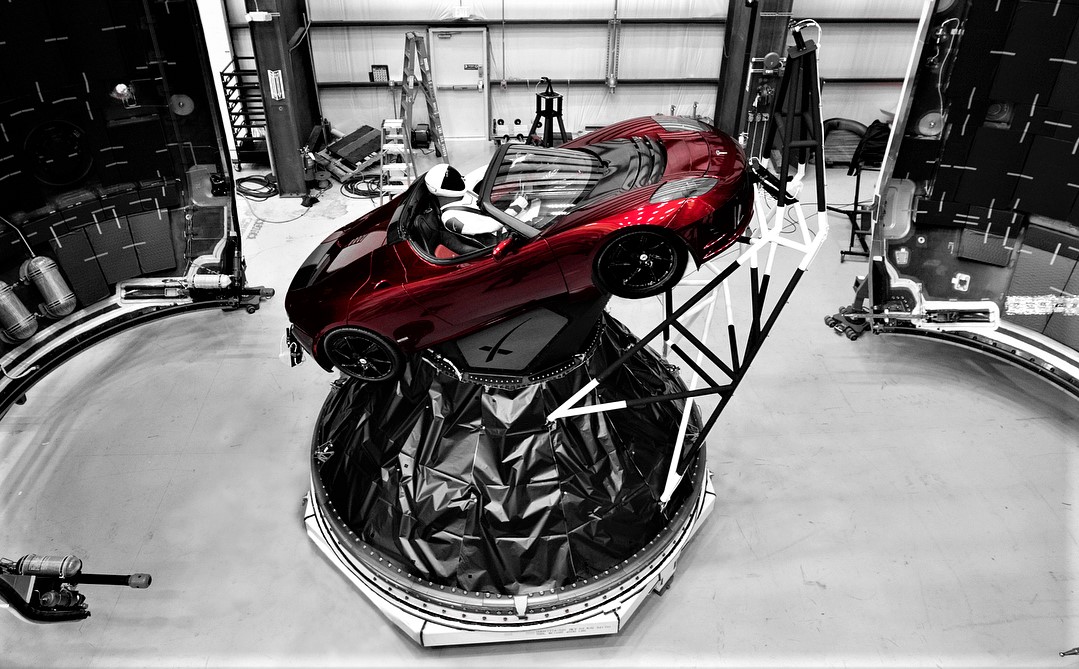
Seven years ago, SpaceX revolutionized spaceflight by launching the most powerful operational rocket in the world, carrying with it a cherry-red Tesla Roadster that captured global imagination

ULA's Vulcan rocket preps for USSF-87 national security launch to open 2026. Sierra Space delivers SDA Tranche 2 satellites three months early. NASA delays spacewalk for Crew-11 medical issue.
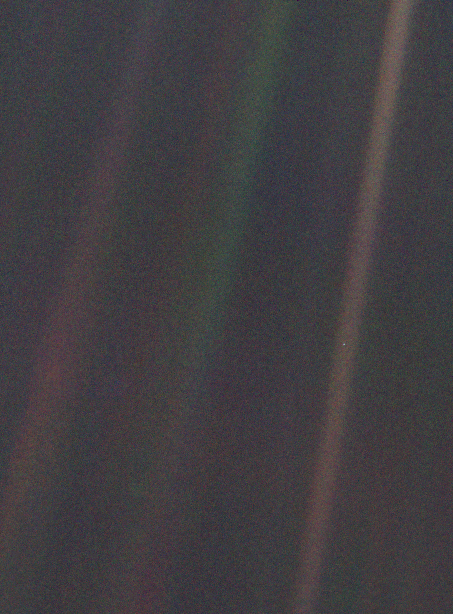
Thirty-five years ago, Voyager 1 captured a revolutionary series of images from the edge of our solar system, forever changing how humanity sees its place in the cosmos