


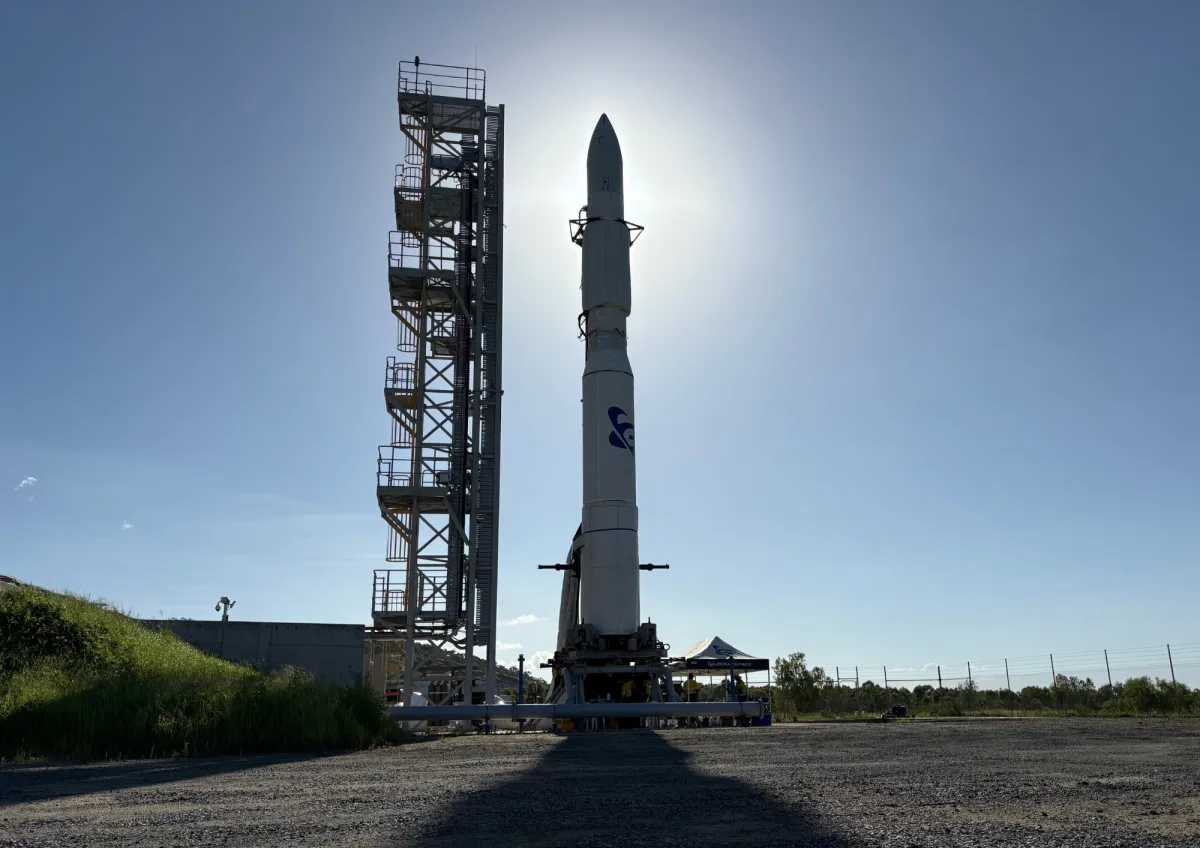
Space Brief 6 Apr 2025
Today, we explore substantial U.S. defense contracts awarded for space launches, ESA's enigmatic Euclid images release, and SpaceX missions covering satellite launches and astronaut reentries.


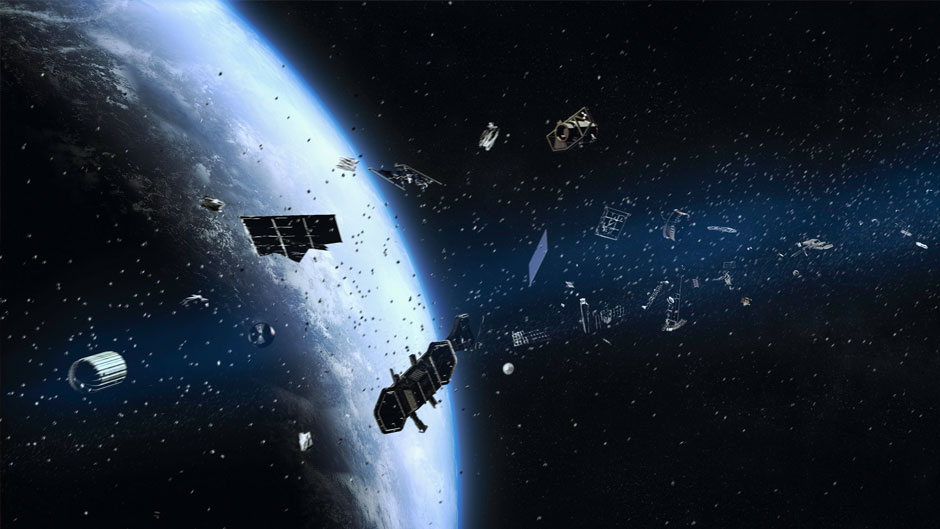
Launch Date
April 8, 1970
Launch Site
AFWTR
Launch Pad
SLC2E
Launch Vehicle
Thorad SLV-2G Agena D
NORAD ID
06139
International Designator
1970-025MV
Epoch
Fri, 03 Jul 2026 14:19:45 GMT
Apogee
Calculating...
Perigee
Calculating...
Inclination
98.91°
Right Ascension
59.00°
Eccentricity
Calculating...
Argument of Perigee
293.26°
Period
102.69 min
Mean Motion
14.02 rev/day
Latitude
Calculating...
Longitude
Calculating...
Altitude
Calculating...
Velocity
Calculating...
Name
THORAD AGENA D DEB
Alternative Name
deb Agena D
Type
Status
Owner
GSFC
Country
United States
Constellation
N/A
Related Satellites
Major Events
N/A
1 06139U 70025MV 26184.59705935 .00001517 00000-0 99948-3 0 9993
2 06139 98.9131 59.0009 0067797 293.2595 66.1444 14.02221053831317
Source: Celestrak
Length
0
Diameter
0
Span
0
Dry Mass
0
Launch Mass
0
Shape
N/A
Radar Cross Section
0.0033
Visual Magnitude
Unknown
Color
Unknown
Material Composition
Unknown
Payload
Unknown
Purpose
Unknown
Mission
Unknown
Manufacturer
Unknown
Life Expectancy
Unknown
Bus
Unknown
Configuration
Unknown
Motor
Unknown
Equipment
Unknown
Power System
Unknown
ADCS
Unknown
Transmitter Frequency
Unknown
Learn more about satellites and other related topics.
Today, we explore substantial U.S. defense contracts awarded for space launches, ESA's enigmatic Euclid images release, and SpaceX missions covering satellite launches and astronaut reentries.
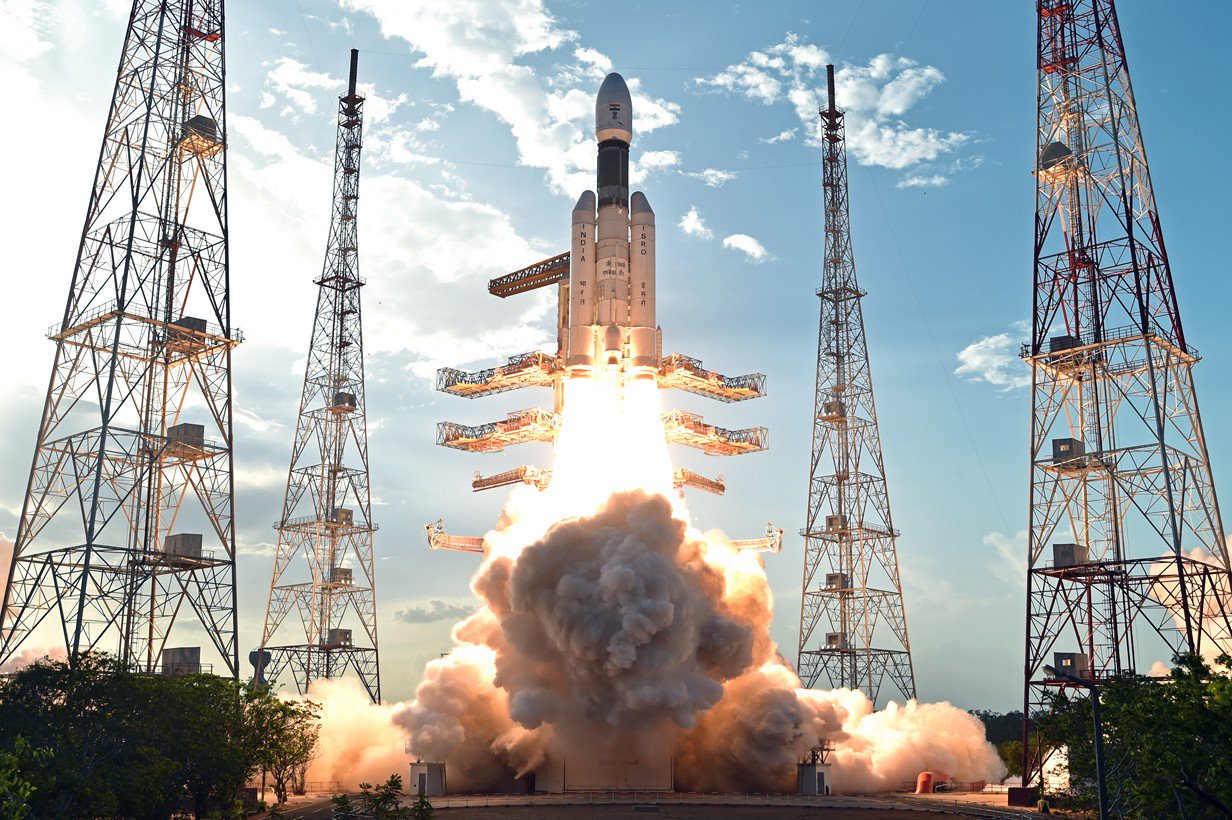
Today's brief covers an increase in Chinese satellite launches, the operational status of the Space Force's ATLAS software, and a significant fundraising event in the defense sector.

NASA's Van Allen Probe A (1,300 lbs) reenters today after 14 years studying Earth's radiation belts. Most debris will burn up; ocean impact statistically likely.
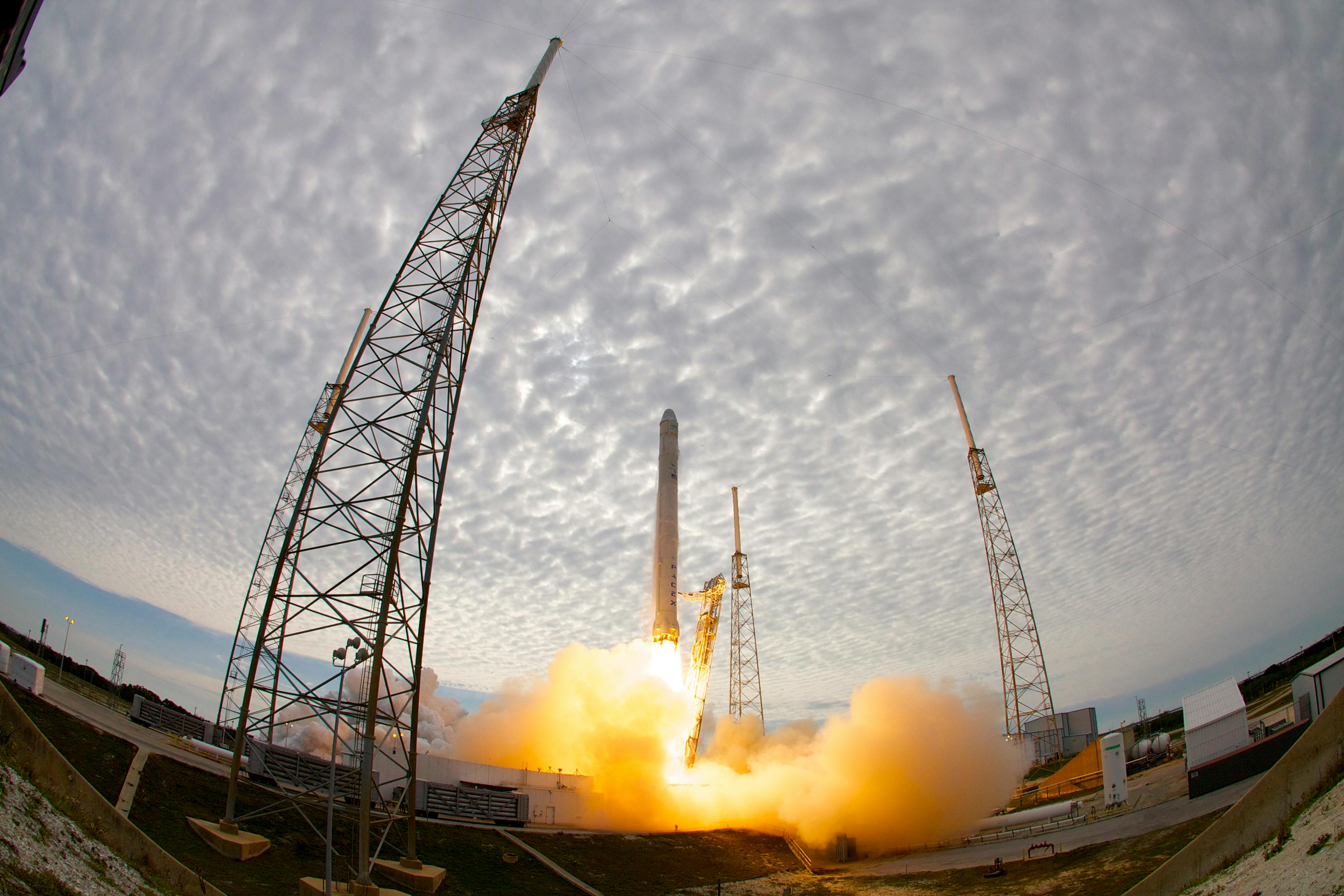
Crew-11 astronauts splashdown off California in first-ever ISS medical evacuation. SpaceX sets pad turnaround record at Cape Canaveral with Starlink 6-98 deploying 29 satellites.
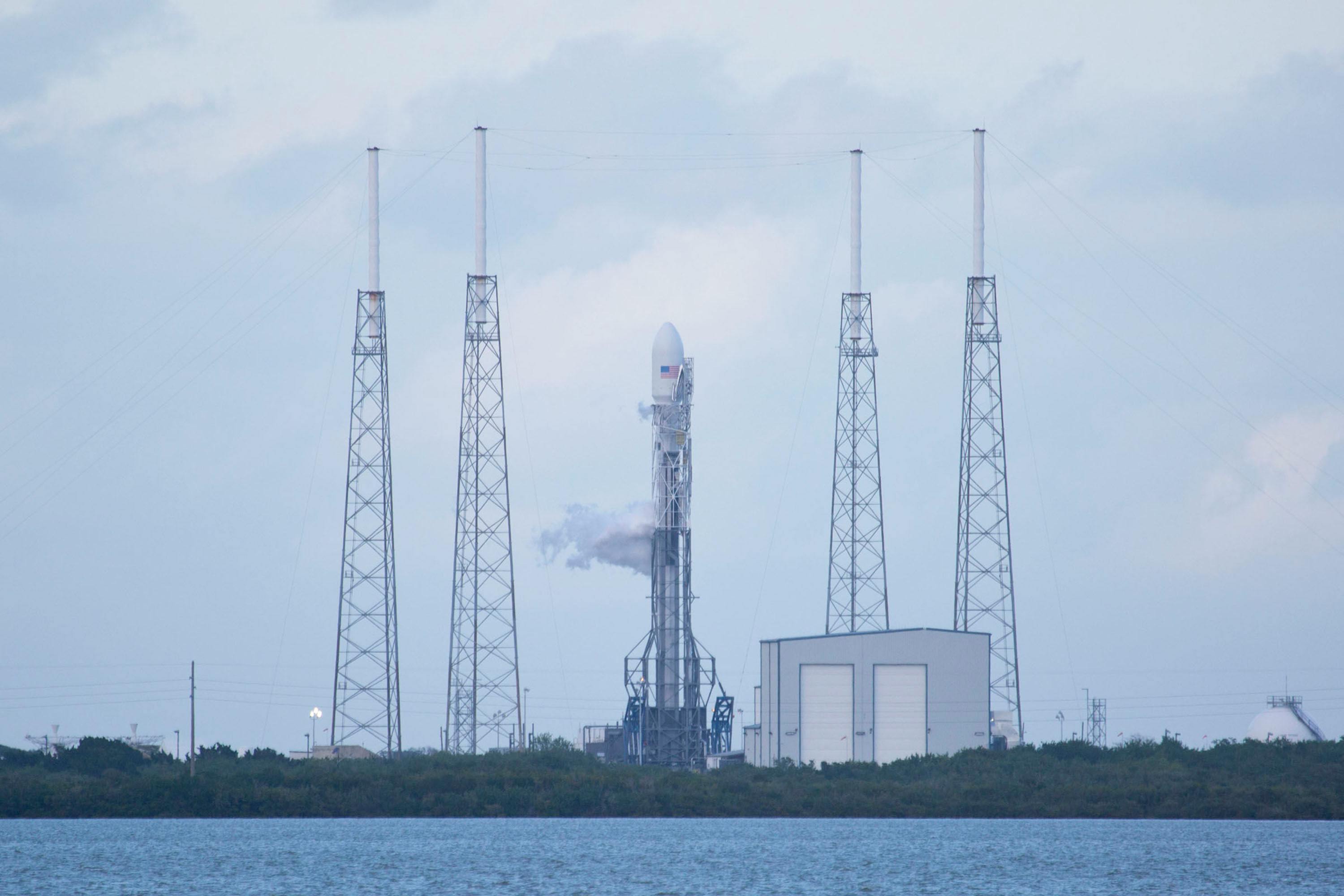
SpaceX cancels Texas land-swap deal amid growing Starship presence and launches 20 Starlink satellites using the 400th Falcon 9 rocket.

Today's update highlights Boeing's challenges with the Starliner, Europe's IRIS2 constellation advancement, China's CAS Space's global ambitions, and vivid new telescope images of cosmic events.
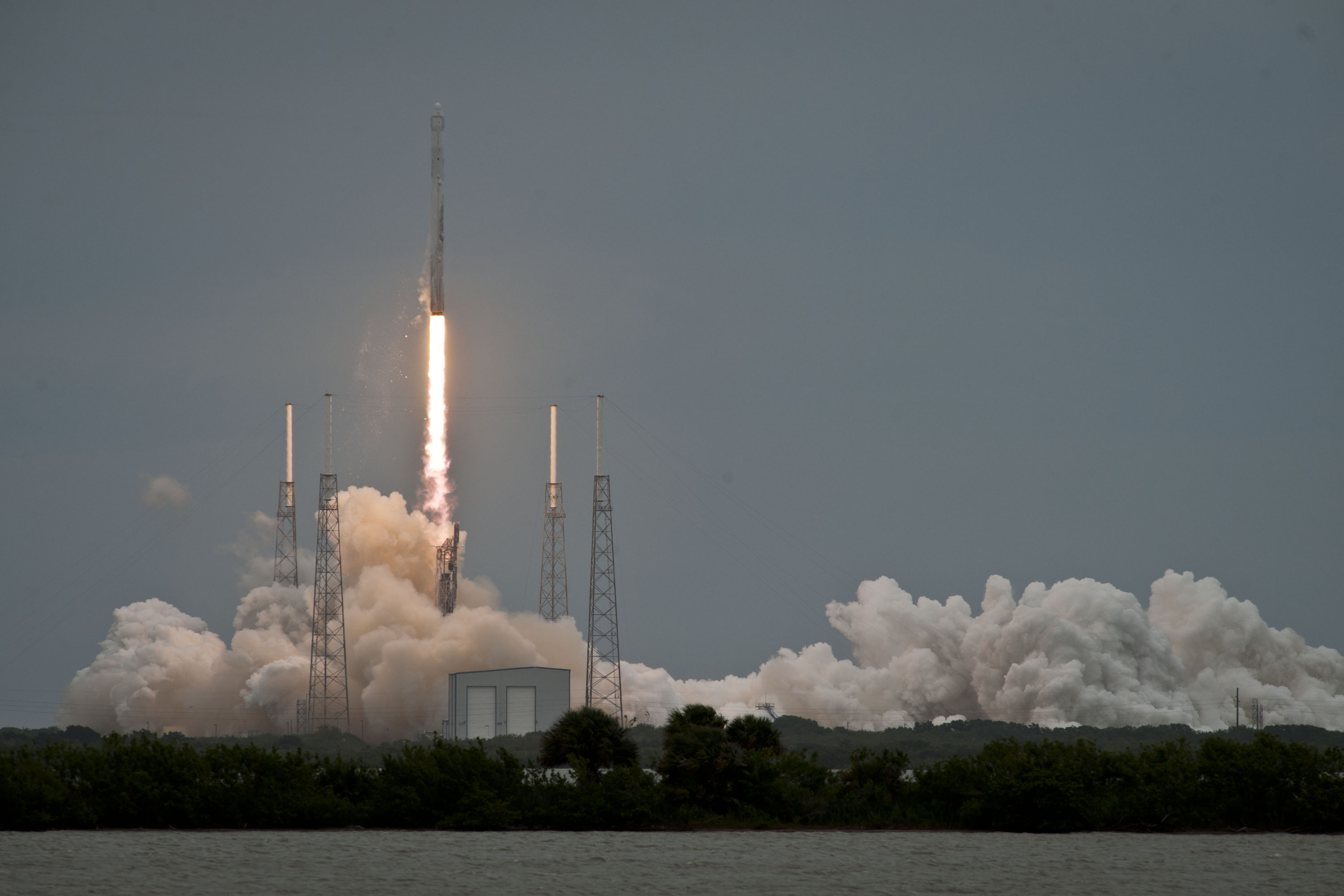
On April 18, 2014, a Falcon 9 first stage did something no orbital rocket had ever done before. It fired its engines on the way down, steered itself through the atmosphere using grid fins that did not yet exist, and touched the Atlantic Ocean softly enough to survive the impact. Nobody recovered it. The data was the whole point.

Today's brief covers Firefly's acquisition, military tracking from the moon, France's boost in military space funding, and more.