


Starlink Powers Air Force One; Pentagon Orders 10,000 Cruise Missiles | KeepTrack Space Brief
Starlink confirmed operational aboard Air Force One over Pacific. Pentagon awards 10,000 low-cost cruise missiles to 4 contractors under new LCCMP program.


![STARLINK-11298 [DTC] Satellite Image](/images/sat/starlink.jpg)
NORAD ID
61211
International Designator
2024-171M
Epoch
Sun, 19 Jul 2026 09:58:10 GMT
Apogee
Calculating...
Perigee
Calculating...
Inclination
53.16°
Right Ascension
247.20°
Eccentricity
Calculating...
Argument of Perigee
86.47°
Period
91.74 min
Mean Motion
15.70 rev/day
Latitude
Calculating...
Longitude
Calculating...
Altitude
Calculating...
Velocity
Calculating...
Name
STARLINK-11298 [DTC]
Alternative Name
Starlink 11298
Type
Status
Owner
SPXS
Country
United States
Constellation
N/A
Related Satellites
Major Events
N/A
1 61211U 24171M 26200.41540266 .00000533 00000+0 92560-5 0 9991
2 61211 53.1588 247.1989 0000894 86.4706 273.6414 15.69705602105087
Source: Celestrak
Length
0.3
Diameter
4.1
Span
29
Dry Mass
700
Launch Mass
730
Shape
Box + pan
Radar Cross Section
Unknown
Visual Magnitude
Unknown
Color
Unknown
Material Composition
Unknown
Payload
Starlink Group 9-17-12
Purpose
Communication
Mission
Communication
Manufacturer
SPXS
Life Expectancy
Unknown
Bus
Starlink V2M
Configuration
Starlink v2 Mini
Motor
Argon ion thrusters
Equipment
D2C payload, optical inter-satellite link
Power System
Solar arrays, batteries
ADCS
Unknown
Transmitter Frequency
Unknown
Learn more about satellites and other related topics.
Starlink confirmed operational aboard Air Force One over Pacific. Pentagon awards 10,000 low-cost cruise missiles to 4 contractors under new LCCMP program.

SpaceX launches Crew-12 to ISS and lands Falcon 9 booster at new LZ-40 pad for the first time. xAI restructures $18B in debt ahead of possible IPO. 6,000 Starlink terminals smuggled into Iran.
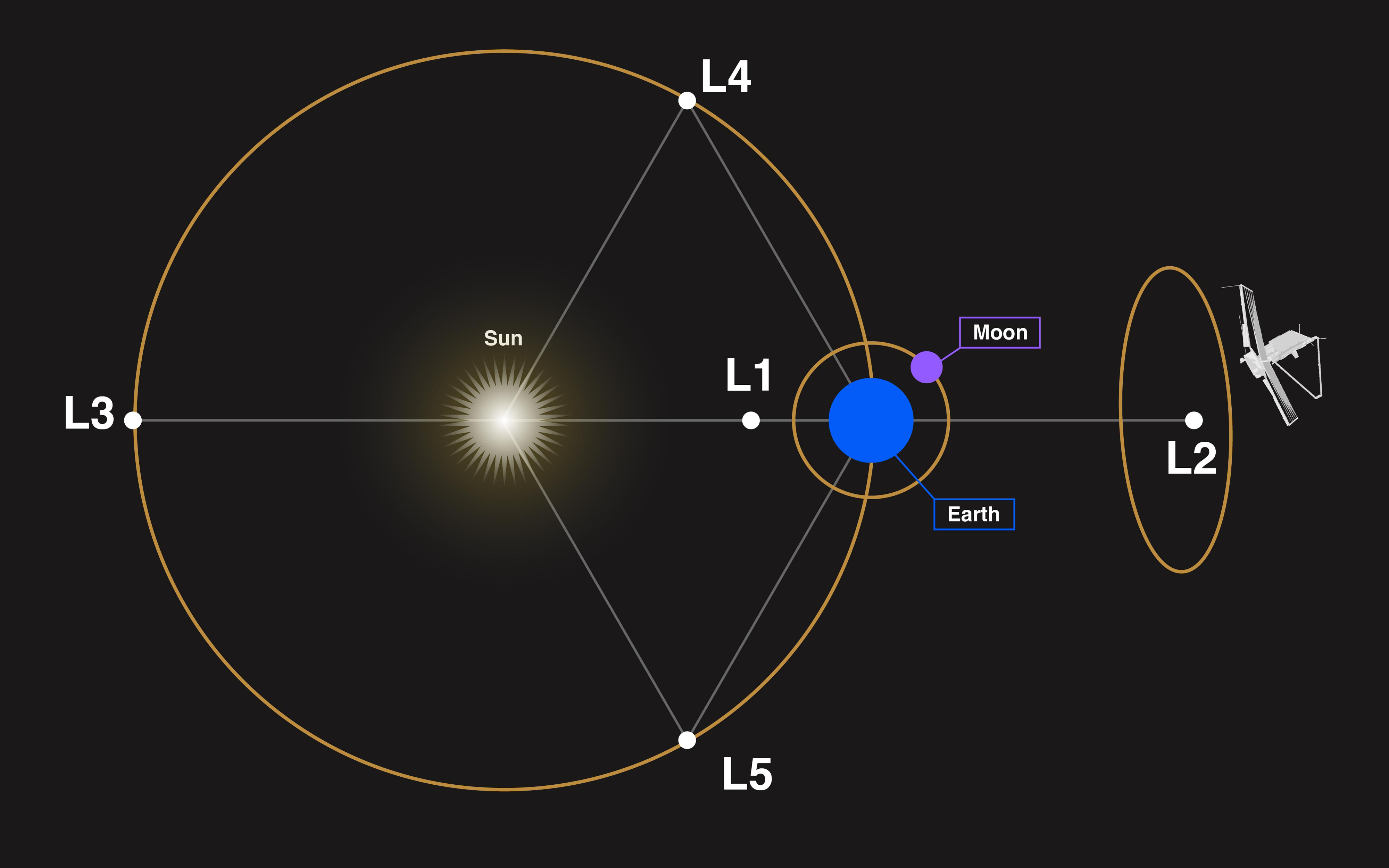
Five spots in the Earth-Sun system where the gravitational tug of two massive bodies and the pull of circular motion all cancel out, creating gravitational parking spaces where spacecraft can sit for decades with almost no fuel.
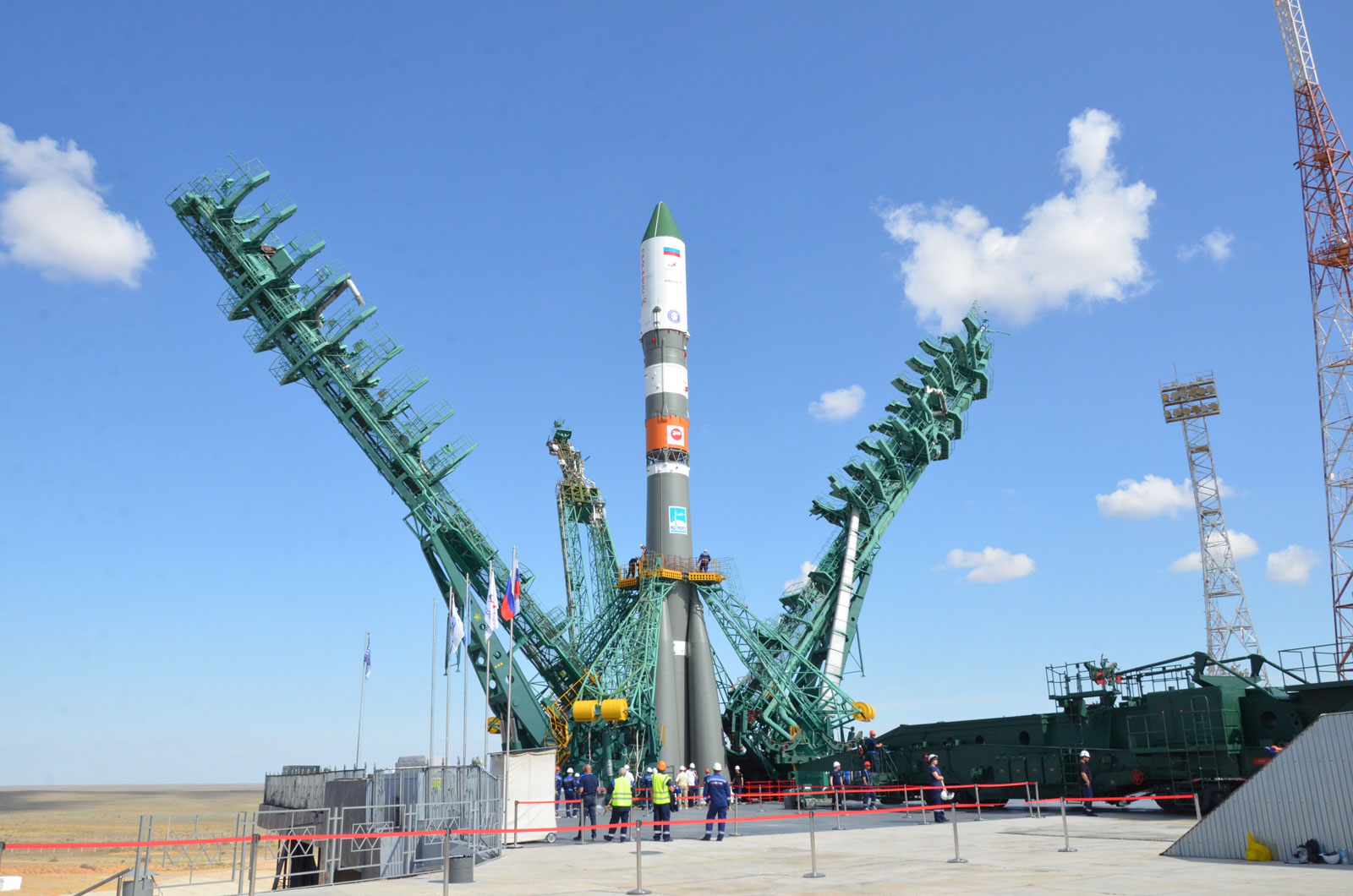
China's Tiangong space station completes crew rotation, Rocket Lab prepares for confidential launch, and Japan successfully launches military satellite with its H3 rocket.
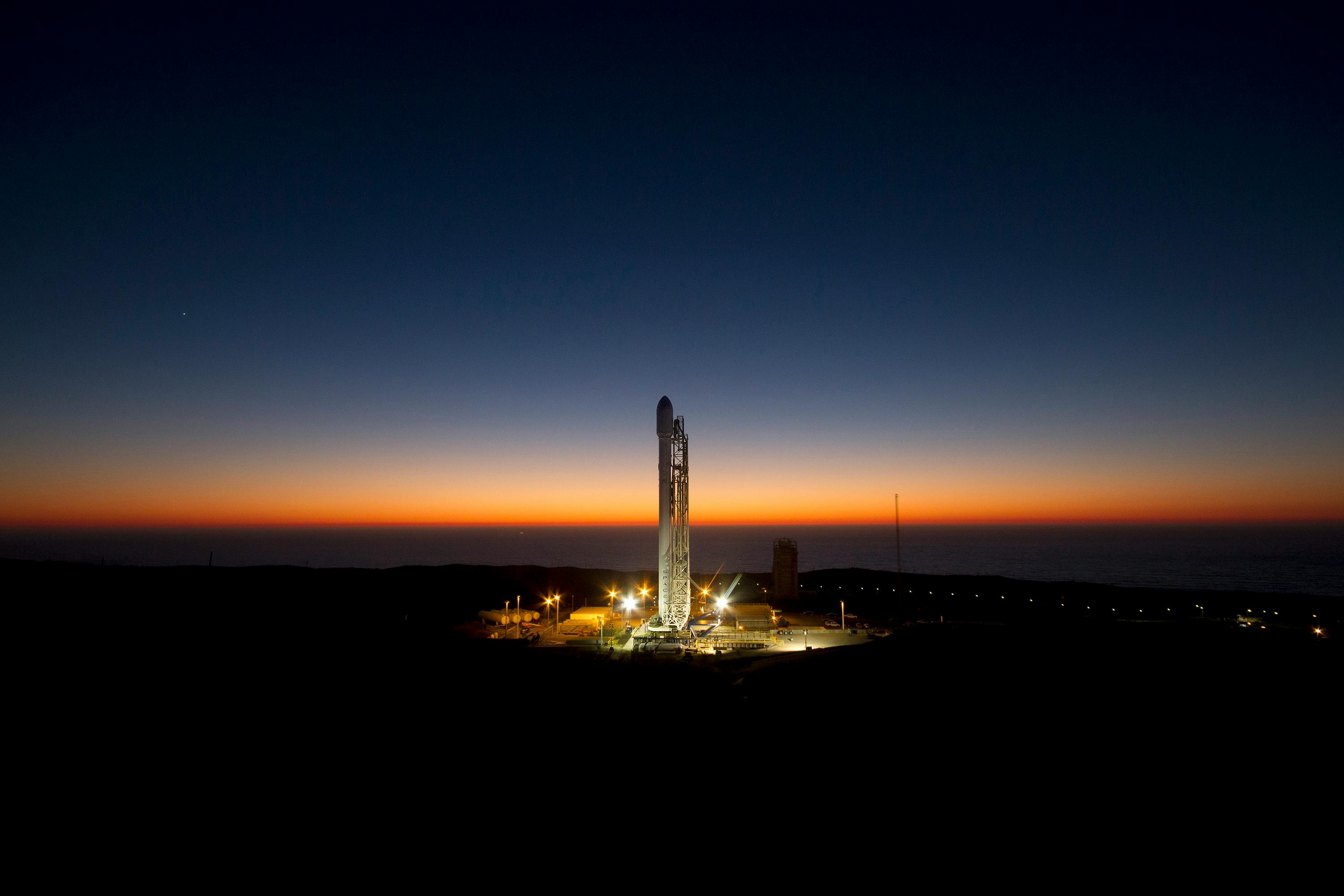
This week's SpaceX developments include notable upcoming missions, with a Starlink launch on the horizon and Crew Dragon's readiness for the next astronaut mission.
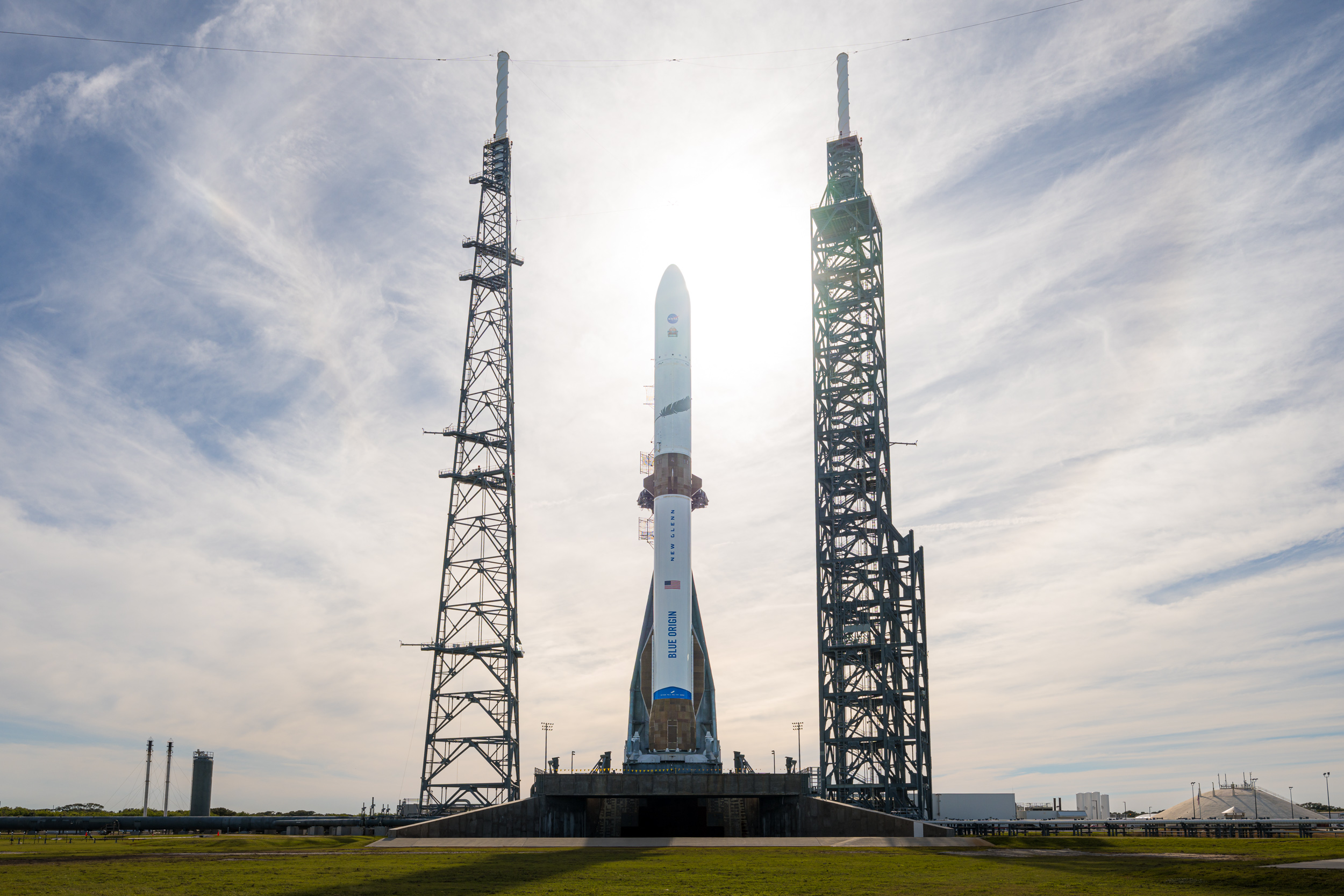
Artemis 2 astronauts completed first crewed lunar flyby since Apollo 17, traveling 690,000 miles aboard Orion. Four crew validated deep-space systems.

Today's brief highlights key advancements in space technology and innovative military initiatives. Featuring deep space tracking system upgrades, a push towards quantum communications in orbit, and critical radar developments.
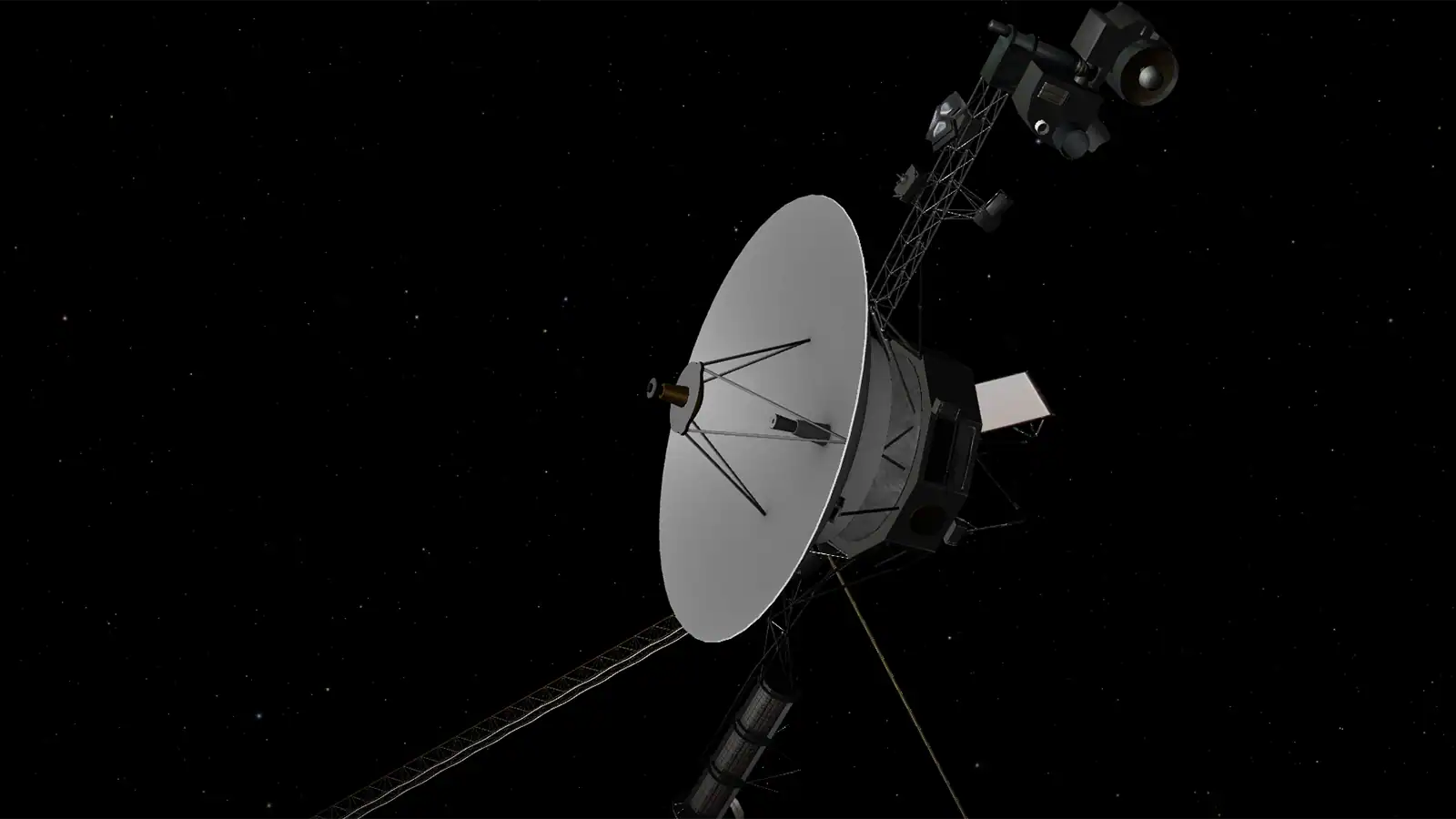
In November 2023, Earth's most distant spacecraft started speaking gibberish. Five months, one dead memory chip, and 30 billion miles of round-trip troubleshooting later, engineers got it talking again - using code written before most of them were born.