


Space Brief 16 Apr 2025
Today's highlights include Pulsar Fusion's groundbreaking nuclear rocket plans, partnerships for the Haven-1 space station, and a spotlight on military collaboration in quantum technology.


![STARLINK-11309 [DTC] Satellite Image](/images/sat/starlink.jpg)
NORAD ID
61202
International Designator
2024-171C
Epoch
Sun, 19 Jul 2026 09:29:55 GMT
Apogee
Calculating...
Perigee
Calculating...
Inclination
53.16°
Right Ascension
247.07°
Eccentricity
Calculating...
Argument of Perigee
85.15°
Period
91.74 min
Mean Motion
15.70 rev/day
Latitude
Calculating...
Longitude
Calculating...
Altitude
Calculating...
Velocity
Calculating...
Name
STARLINK-11309 [DTC]
Alternative Name
Starlink 11309
Type
Status
Owner
SPXS
Country
United States
Constellation
N/A
Related Satellites
Major Events
N/A
1 61202U 24171C 26200.39578181 -.00000314 00000+0 22615-5 0 9997
2 61202 53.1577 247.0696 0000785 85.1451 274.9656 15.69703826105089
Source: Celestrak
Length
0.3
Diameter
4.1
Span
29
Dry Mass
700
Launch Mass
730
Shape
Box + pan
Radar Cross Section
Unknown
Visual Magnitude
Unknown
Color
Unknown
Material Composition
Unknown
Payload
Starlink Group 9-17-03
Purpose
Communication
Mission
Communication
Manufacturer
SPXS
Life Expectancy
Unknown
Bus
Starlink V2M
Configuration
Starlink v2 Mini
Motor
Argon ion thrusters
Equipment
D2C payload, optical inter-satellite link
Power System
Solar arrays, batteries
ADCS
Unknown
Transmitter Frequency
Unknown
Learn more about satellites and other related topics.
Today's highlights include Pulsar Fusion's groundbreaking nuclear rocket plans, partnerships for the Haven-1 space station, and a spotlight on military collaboration in quantum technology.
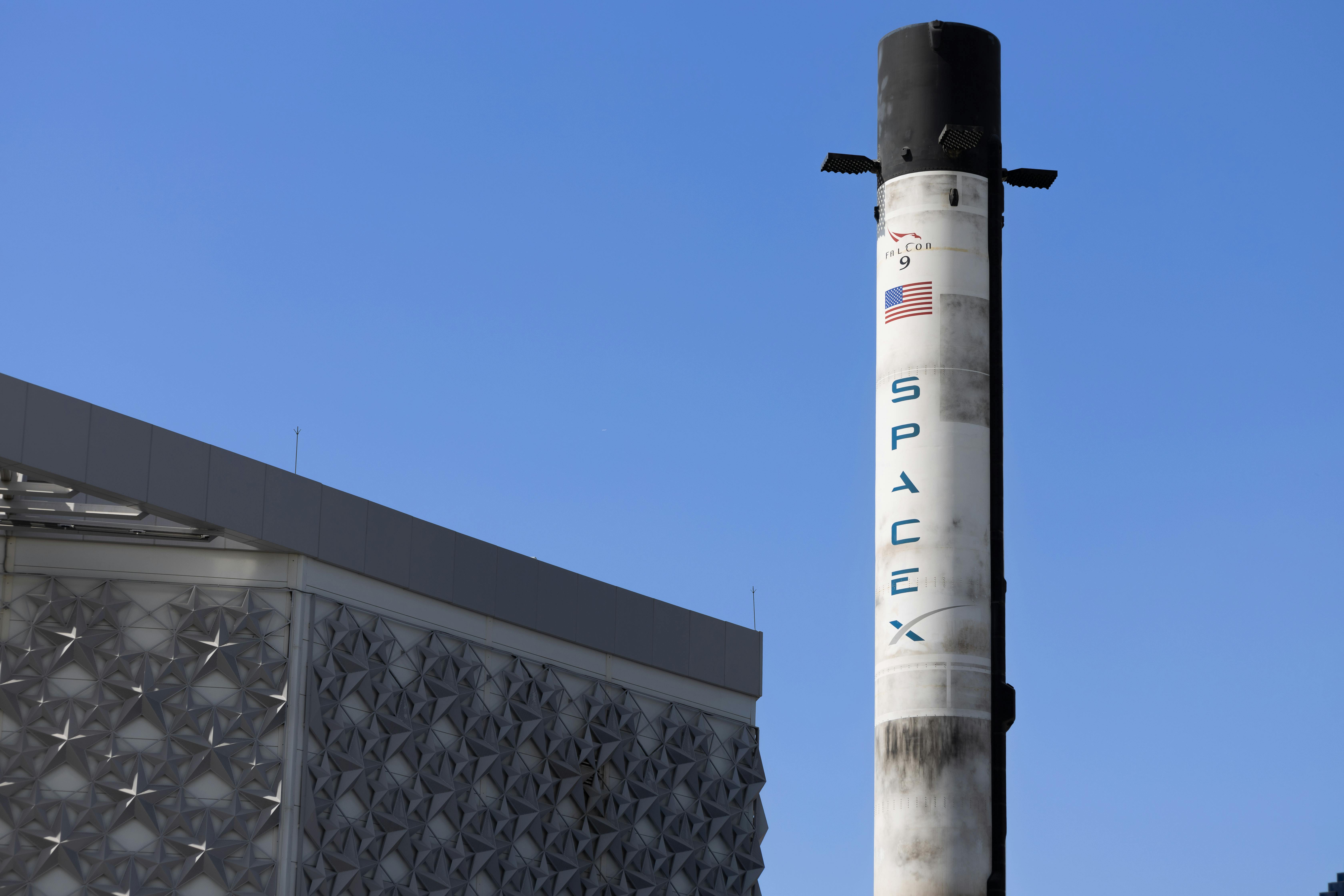
SpaceX successfully launches two rideshare missions to mid-inclination orbits, expanding their satellite deployment capabilities.
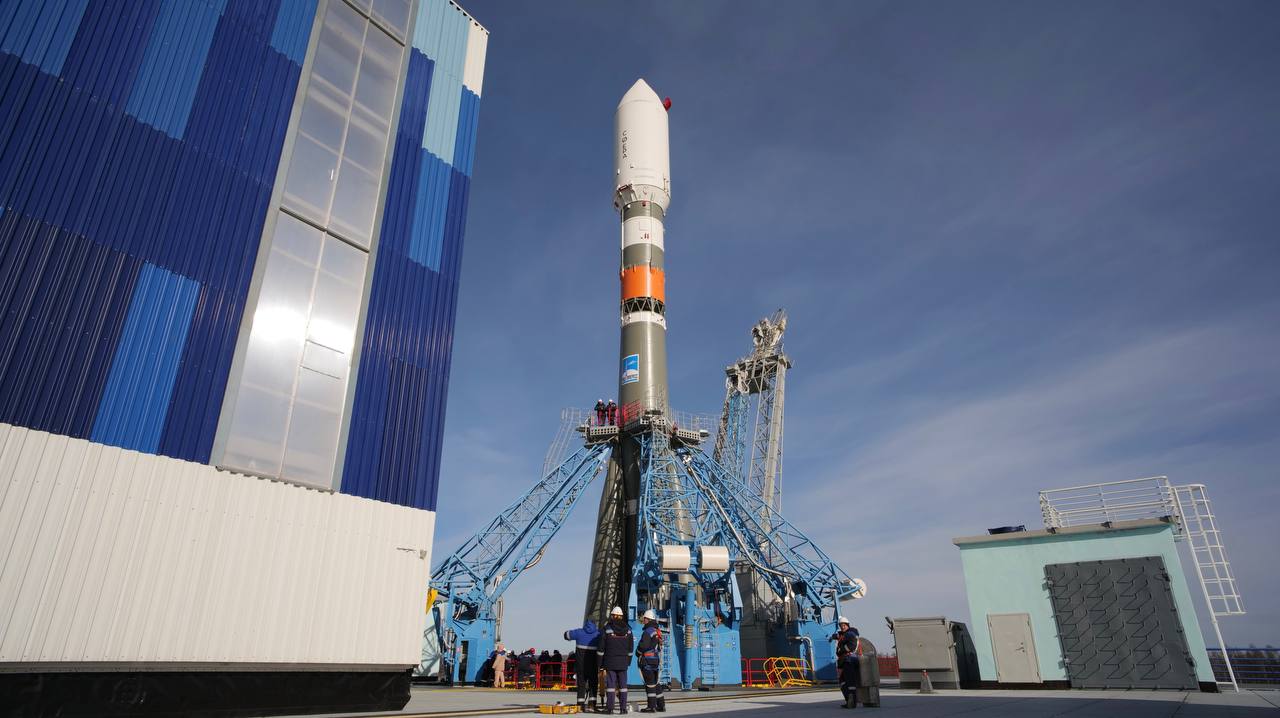
Today's Space Brief focuses on multi-billion dollar contracts for missile-tracking satellites, developments in optical nuclear clock research, and innovative drone projects for military collaboration.

SpaceX launched three Block 2 BlueBird satellites for AST SpaceMobile from Cape Canaveral. Block 2 variants are larger with enhanced capacity compared to Block 1 units already in orbit.
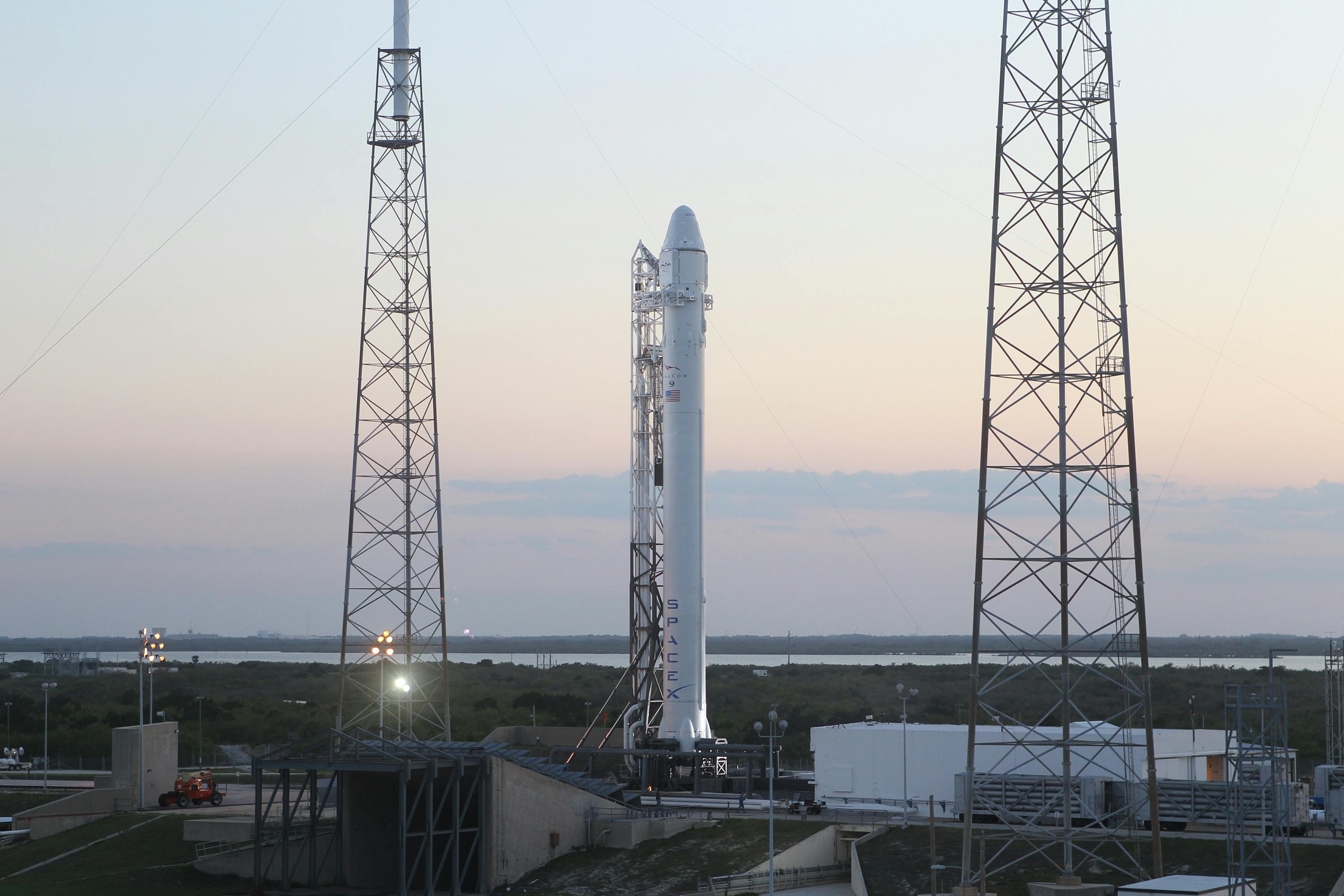
SpaceX successfully launches NASA missions, prepares for Crew-10 flight, and overcomes Falcon 9 launch anomalies.

SpaceX launches NROL-105 spy satellite from Vandenberg in first national security mission of 2026. GE and Lockheed validate compact rotating detonation ramjet for hypersonic missiles.
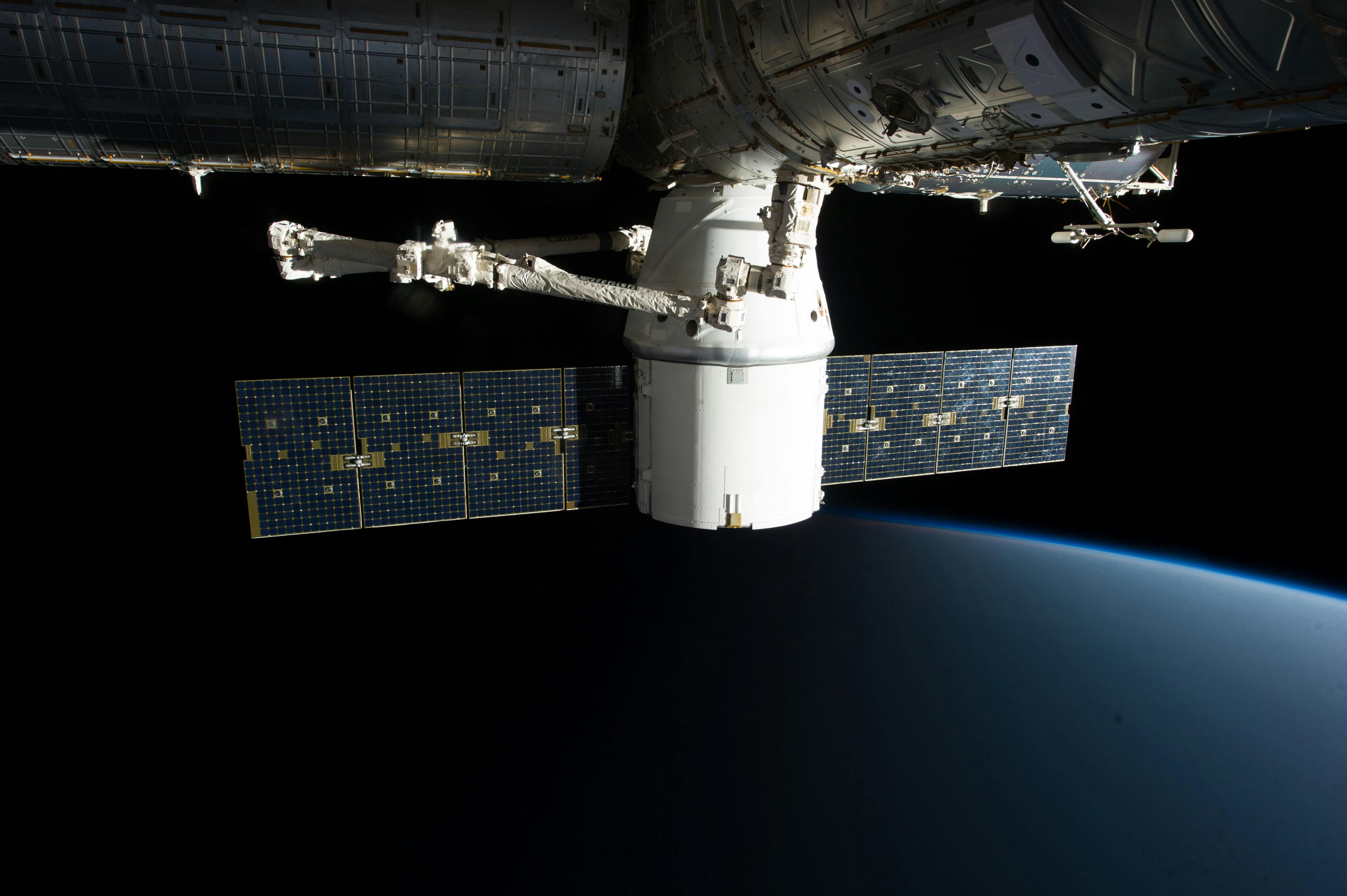
SpaceX Crew-12 mission set to launch astronauts to ISS on Feb 13. Starlink gains another airline partner for in-flight internet. Musk tops Forbes' 250 Greatest Innovators list.

Artemis II grabbed the headlines, but six other missions are quietly approaching milestones that could reshape what we know about Mercury, Mars, asteroids, exoplanets, and the Moon's south pole. Here is what is actually happening with each of them.