



Space Brief 26 Nov 2024
Today's headlines include new launch schedules, military industrial base challenges, and NASA's exploration of historic Cold War sites. Discover significant space events and satellite insights.


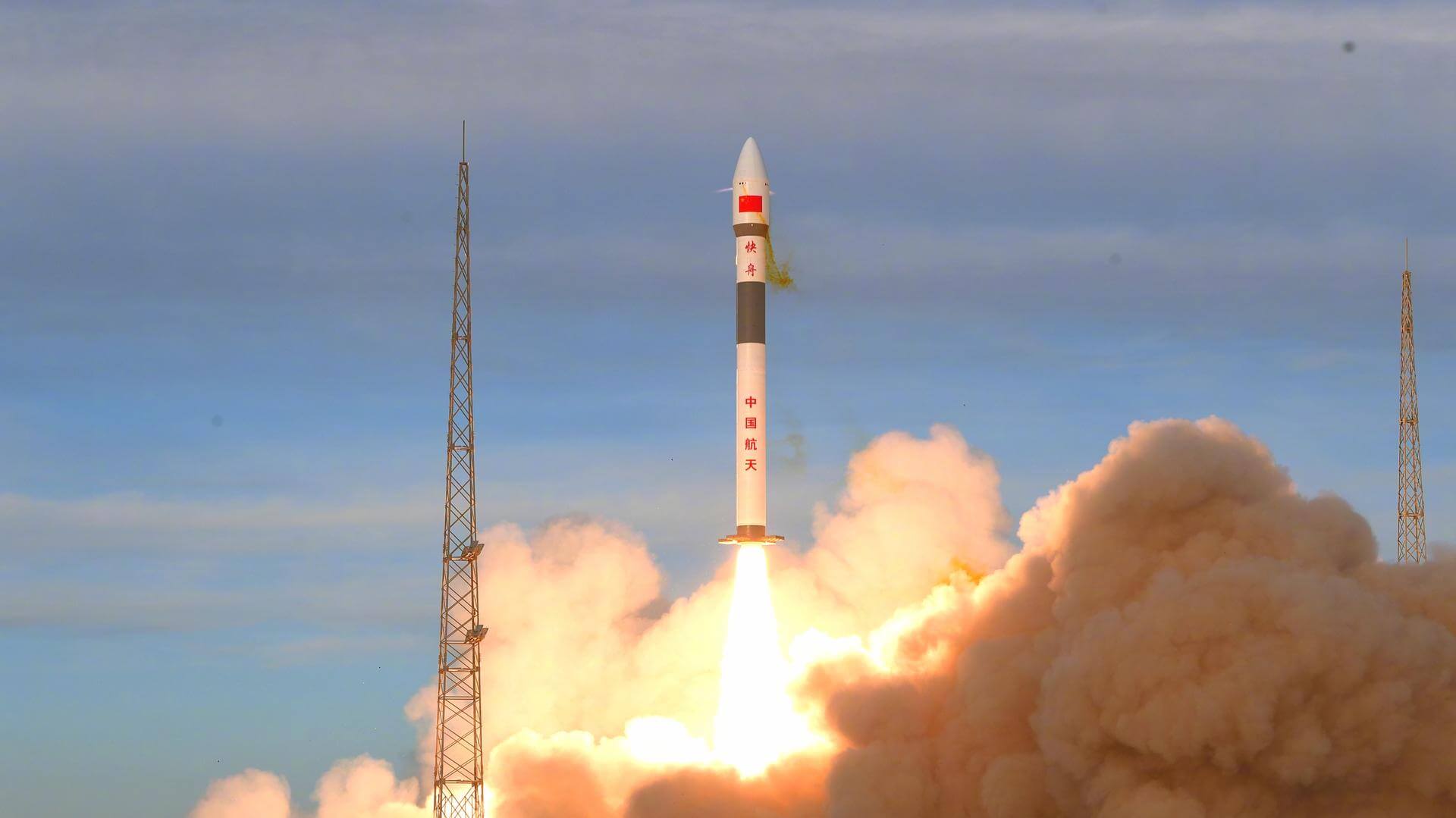
Launch Date
September 20, 2024
Launch Site
XICLF
Launch Pad
LC4
Launch Vehicle
Kuaizhou-1A
NORAD ID
61198
International Designator
2024-170D
Epoch
Sun, 19 Jul 2026 19:55:02 GMT
Apogee
Calculating...
Perigee
Calculating...
Inclination
44.86°
Right Ascension
352.17°
Eccentricity
Calculating...
Argument of Perigee
225.84°
Period
103.03 min
Mean Motion
13.98 rev/day
Latitude
Calculating...
Longitude
Calculating...
Altitude
Calculating...
Velocity
Calculating...
Name
TIANQI 32
Alternative Name
Tianqi Xingzuo 32
Type
Status
Owner
GUOG
Country
China
Constellation
N/A
Related Satellites
Major Events
N/A
1 61198U 24170D 26200.82989344 -.00000019 00000+0 76183-4 0 9995
2 61198 44.8622 352.1736 0007922 225.8448 134.1732 13.97704160 89100
Source: Celestrak
Length
0.5
Diameter
0.3
Span
0.5
Dry Mass
40
Launch Mass
40
Shape
Box
Radar Cross Section
Unknown
Visual Magnitude
Unknown
Color
Unknown
Material Composition
Unknown
Payload
Tianqi-32
Purpose
Unknown
Mission
Unknown
Manufacturer
ASES
Life Expectancy
Unknown
Bus
StarLightB
Configuration
Unknown
Motor
Unknown
Equipment
Unknown
Power System
Unknown
ADCS
Unknown
Transmitter Frequency
Unknown
Learn more about satellites and other related topics.
Today's headlines include new launch schedules, military industrial base challenges, and NASA's exploration of historic Cold War sites. Discover significant space events and satellite insights.
Keck Foundation team proposes first-ever graviton detector concept. Space Force shelves Resilient GPS program. China advances Long March 12B reusable rocket with static fire test at Jiuquan.
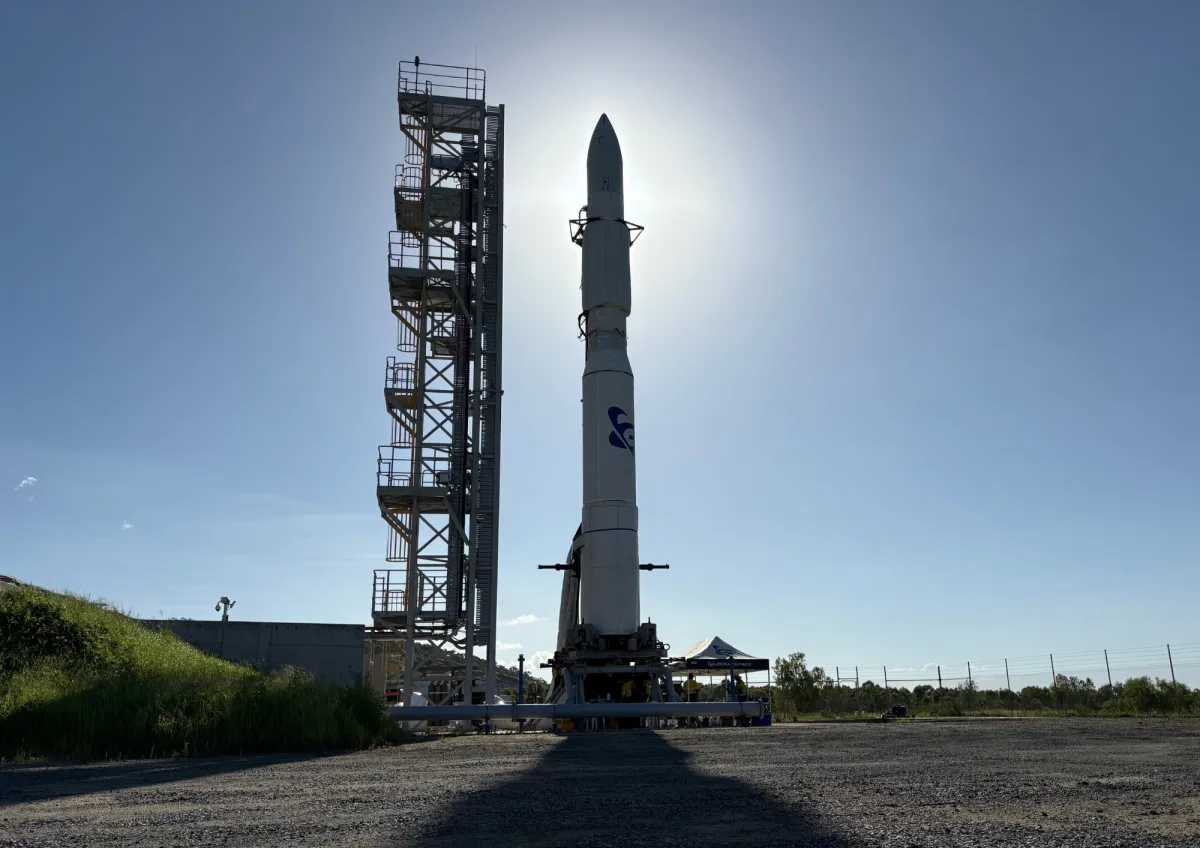
Today's brief covers the historic lunar touchdown by Firefly Aerospace's Blue Ghost lander, highlights in military space activity, and a reflection on Pearl Young's pioneering legacy at NASA.
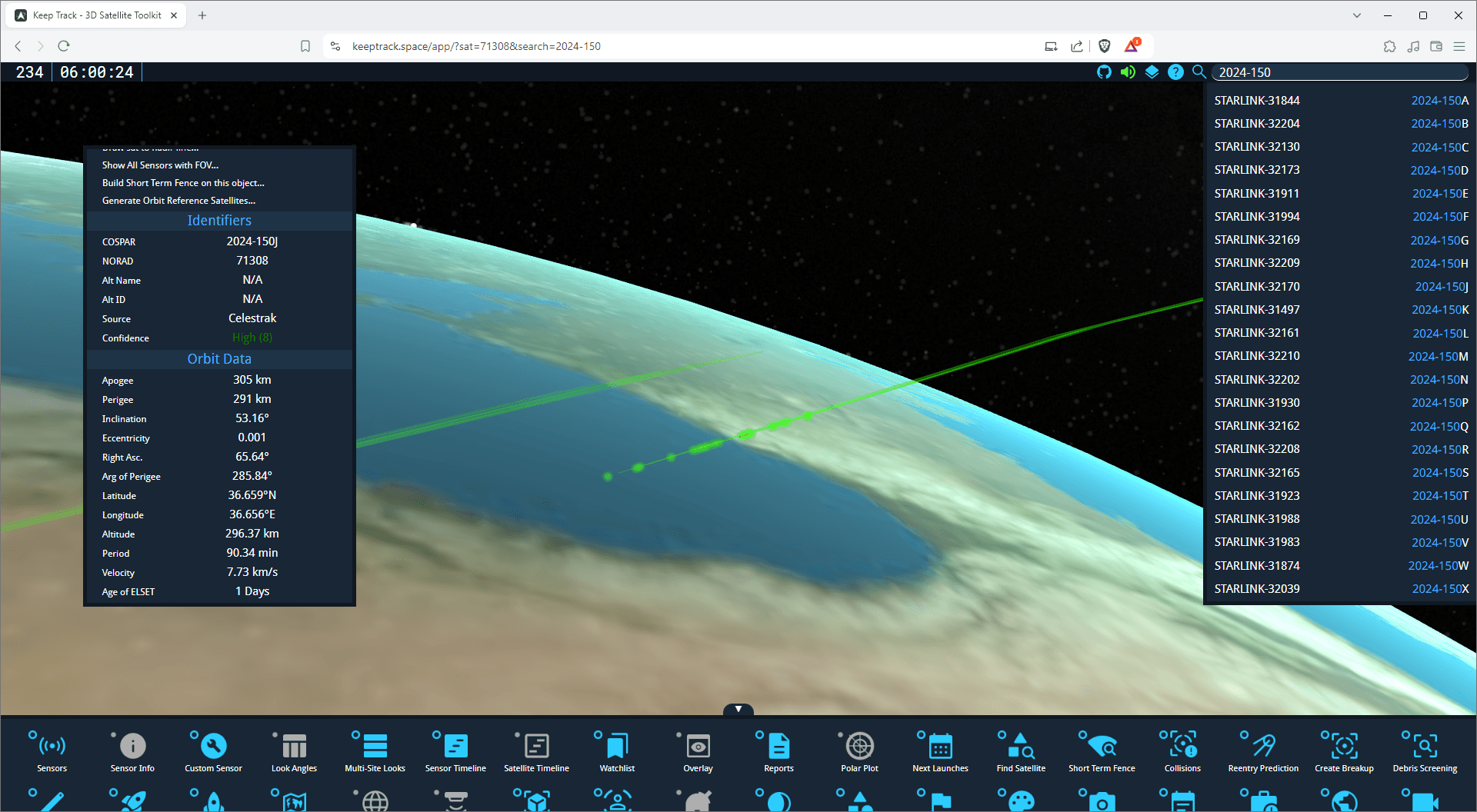
Recent Starlink launches, autonomous navigation for satellite swarms, major funding for asteroid mining, and insights into NASA's various projects and developments.
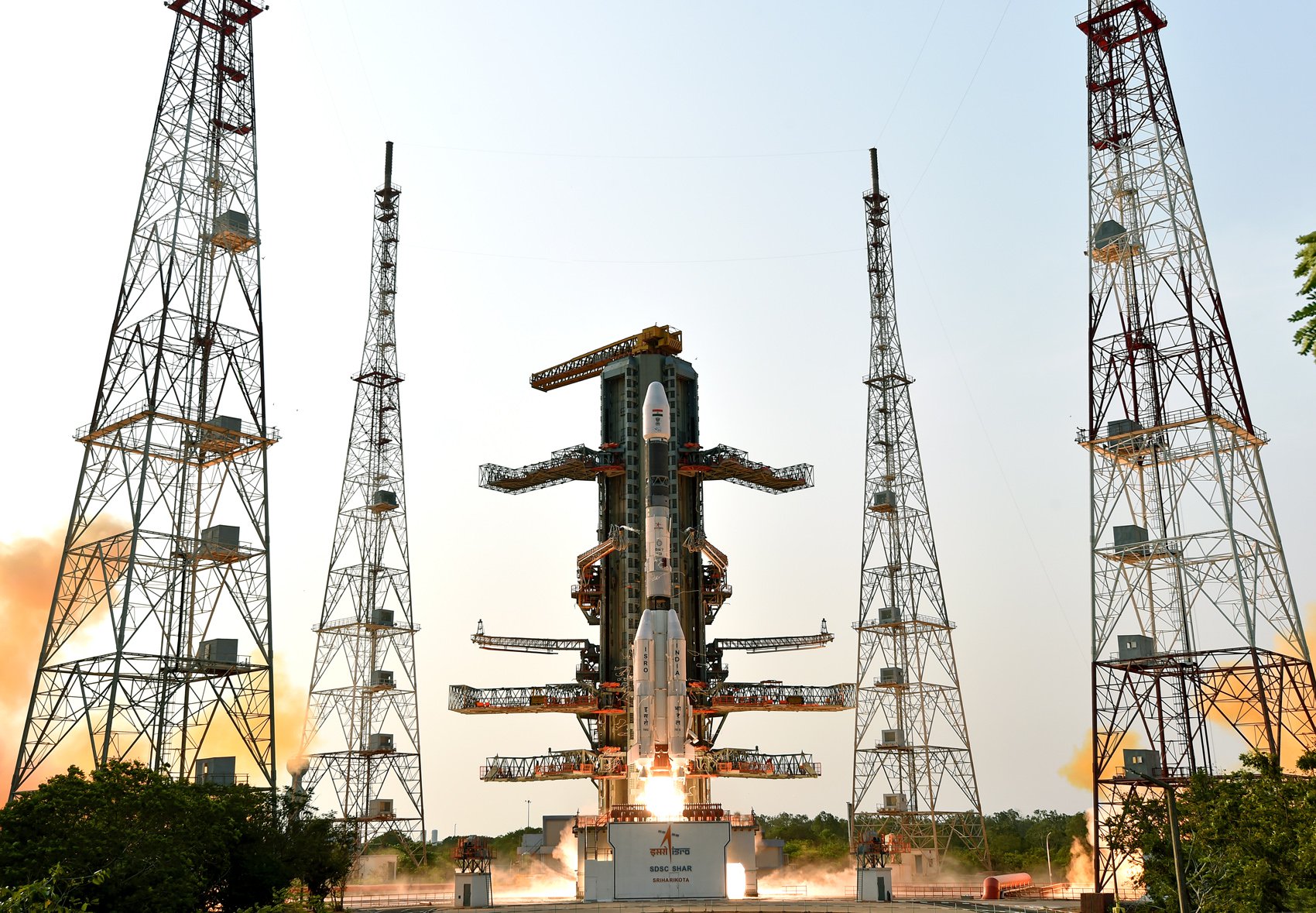
Today's brief covers China's Tianzhou-9 launch to the Tiangong space station, the U.S. Space Force's unfunded MILNET project, and the evolving use of AI in military applications.

Today's highlights include Pulsar Fusion's groundbreaking nuclear rocket plans, partnerships for the Haven-1 space station, and a spotlight on military collaboration in quantum technology.

Today's brief covers SpaceX's NROL-153 launch, US Space Force activities in Greenland, Starlink's record-breaking flight, and a OneWeb satellite glitch. Plus, our Satellite Spotlight shines on Duchifat-1.
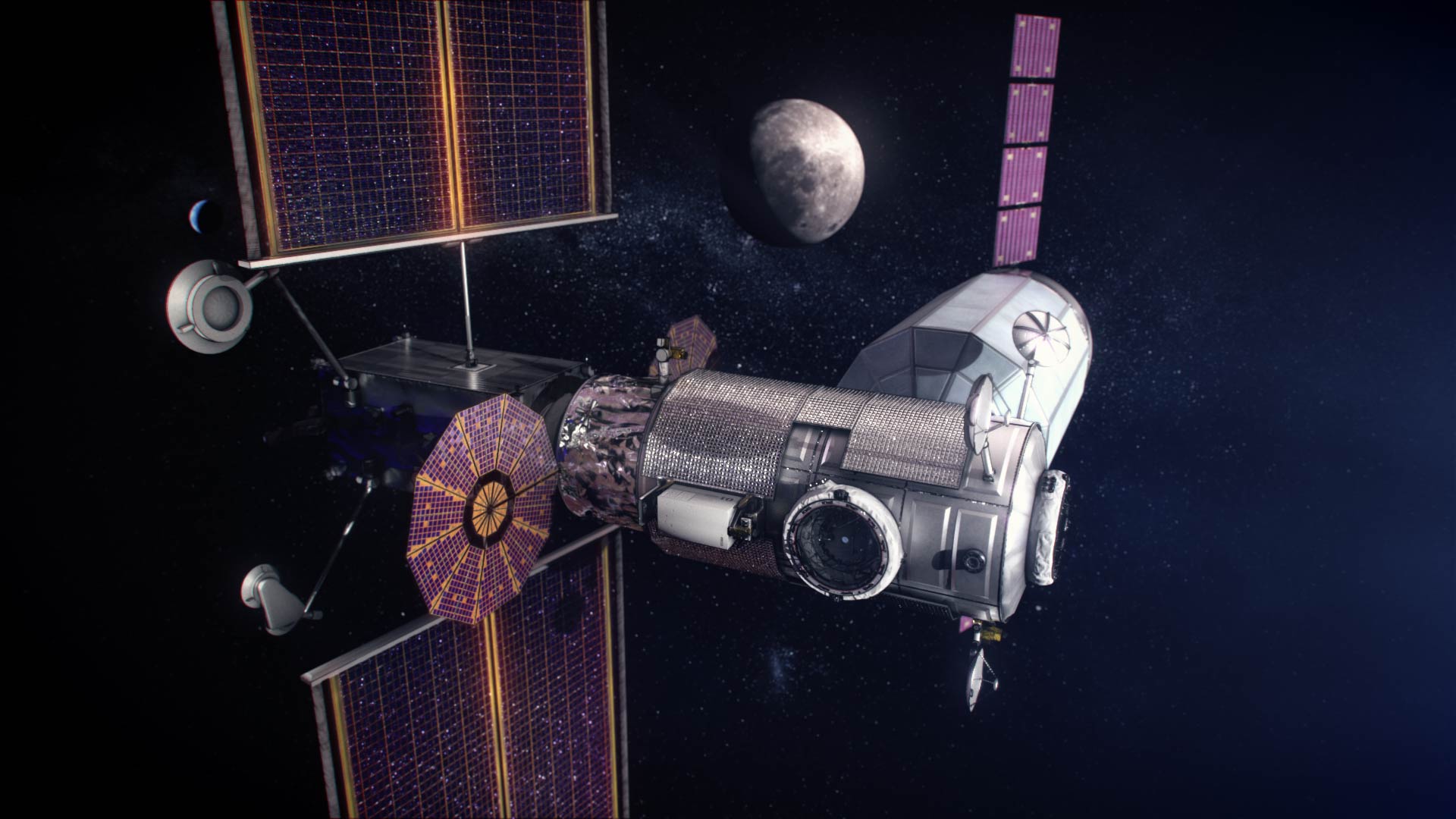
The volume of space between Earth and the Moon is roughly a thousand times larger than the orbit we actually watch, and almost none of it is under surveillance. As the U.S. and China race to build lunar outposts, the Space Force is scrambling to put eyes on a region it has been effectively blind to.