


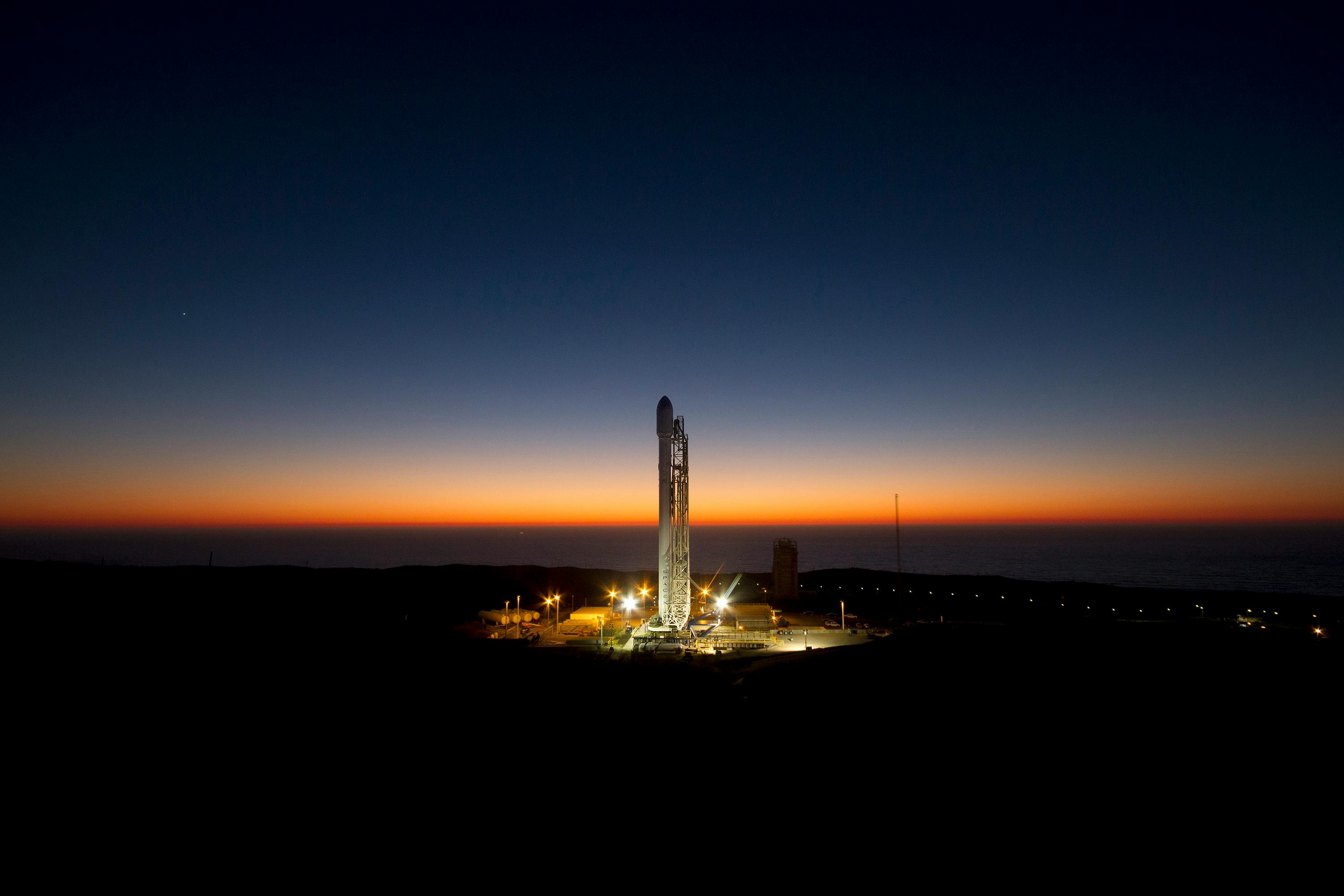
Block 3 Starship Prep Accelerates at Starbase | KeepTrack X Report
SpaceX accelerates Block 3 Starship pad work at Starbase as Russia preps Soyuz-5 debut alongside Falcon 9 internet satellite launches.



NORAD ID
61069
International Designator
2024-164V
Epoch
Mon, 20 Jul 2026 03:04:24 GMT
Apogee
Calculating...
Perigee
Calculating...
Inclination
53.16°
Right Ascension
195.31°
Eccentricity
Calculating...
Argument of Perigee
82.66°
Period
94.01 min
Mean Motion
15.32 rev/day
Latitude
Calculating...
Longitude
Calculating...
Altitude
Calculating...
Velocity
Calculating...
Name
STARLINK-32380
Alternative Name
Starlink 32380
Type
Status
Owner
SPXS
Country
United States
Constellation
N/A
Related Satellites
Major Events
N/A
1 61069U 24164V 26201.12806115 .00000449 00000+0 26239-4 0 9996
2 61069 53.1594 195.3086 0001235 82.6579 277.4563 15.31703730103762
Source: Celestrak
Length
0.3
Diameter
4.1
Span
29
Dry Mass
700
Launch Mass
730
Shape
Box + pan
Radar Cross Section
Unknown
Visual Magnitude
Unknown
Color
Unknown
Material Composition
Unknown
Payload
Starlink Group 9-6-20
Purpose
Communication
Mission
Communication
Manufacturer
SPXS
Life Expectancy
Unknown
Bus
Starlink V2M
Configuration
Starlink v2 Mini
Motor
Argon ion thrusters
Equipment
Ku/Ka/E-band payload, optical inter-satellite link
Power System
Solar arrays, batteries
ADCS
Unknown
Transmitter Frequency
Unknown
Learn more about satellites and other related topics.
SpaceX accelerates Block 3 Starship pad work at Starbase as Russia preps Soyuz-5 debut alongside Falcon 9 internet satellite launches.
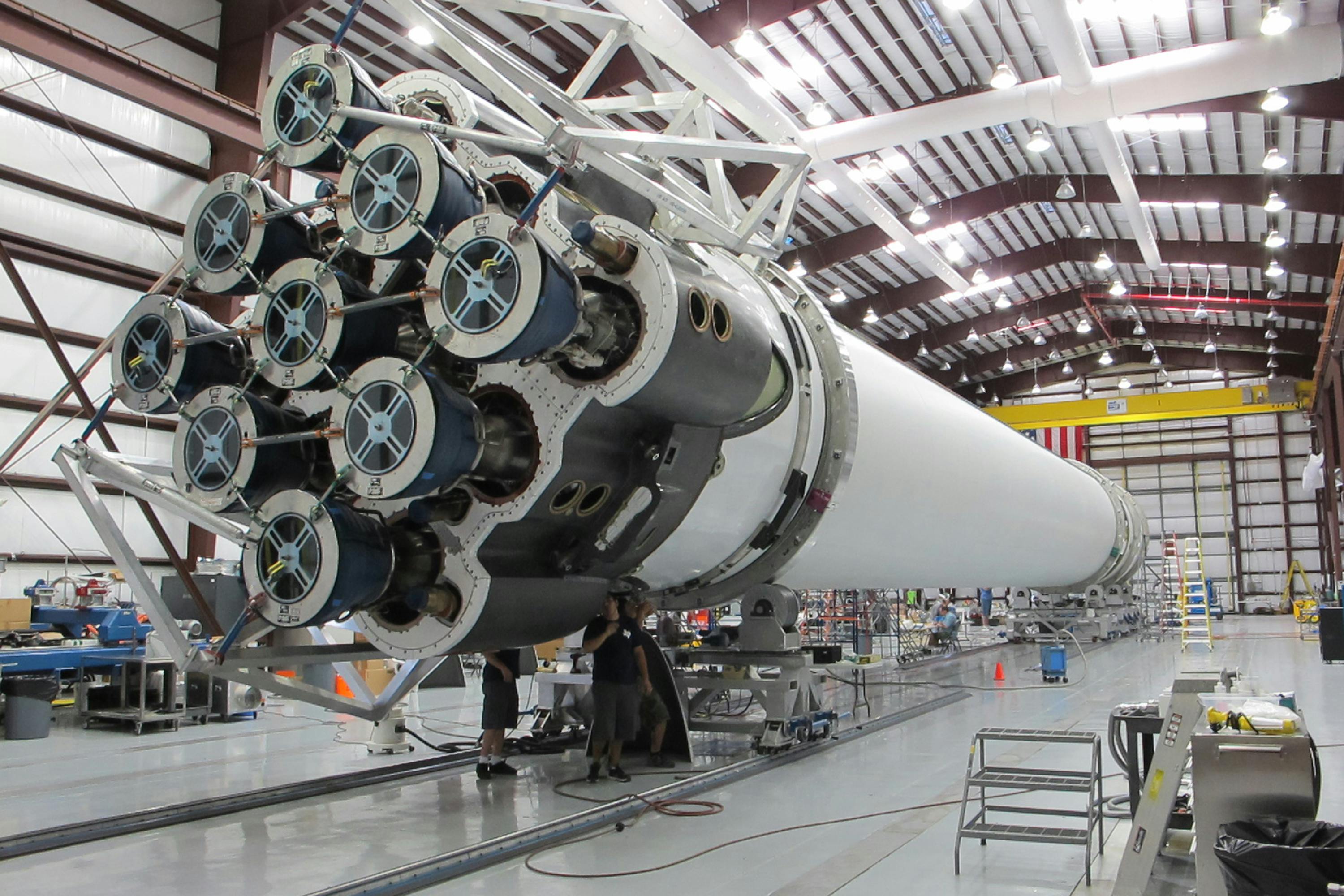
SpaceX continues to dominate the space launch market with a new Starlink mission, breaking Florida's annual launch record. The latest batch of satellites enhances global broadband coverage.

SpaceX gears up for a series of launches, including Starlink deployments, lunar missions, and updates on the Starship program.
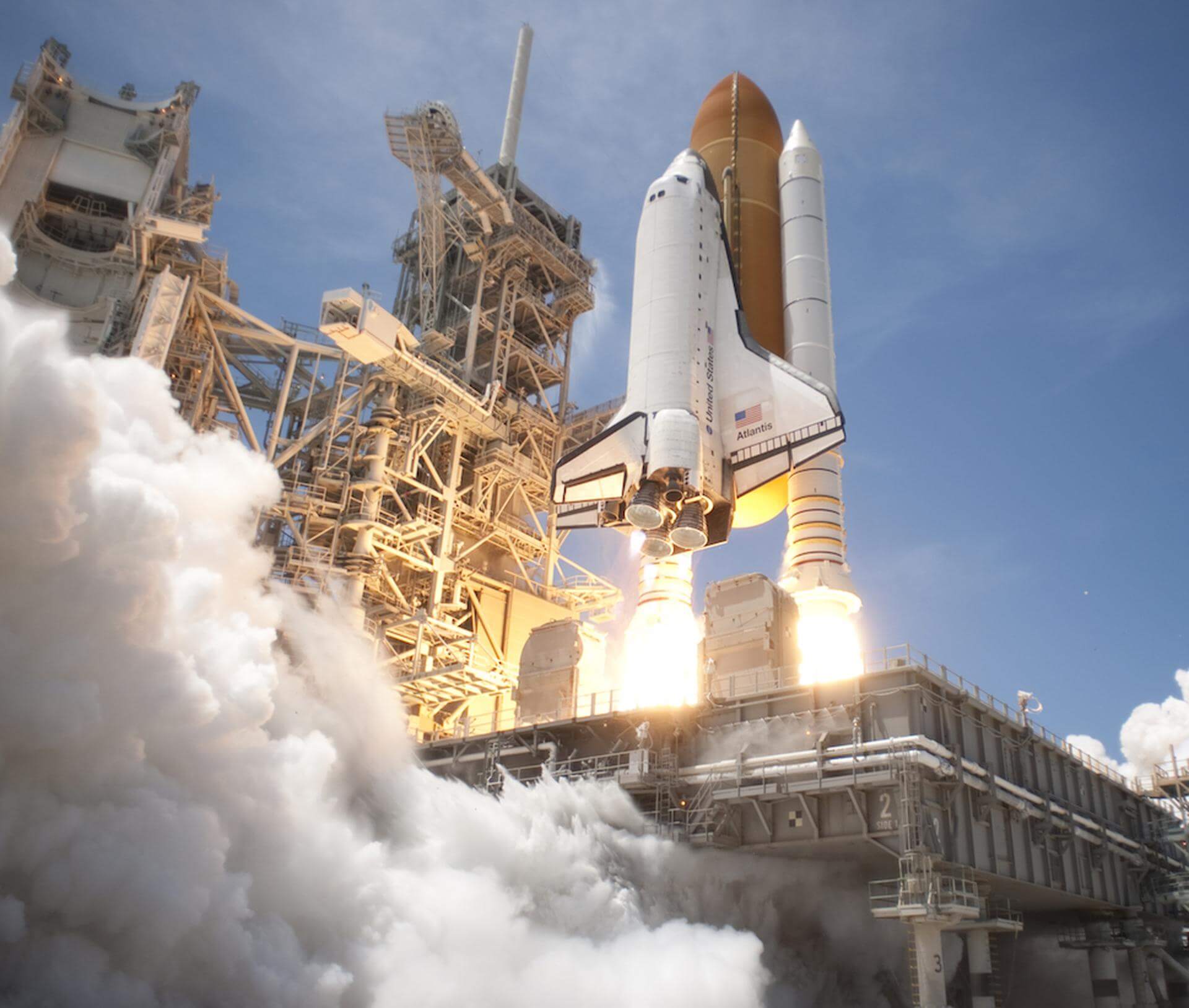
Starcloud files FCC plans for 88,000-satellite orbital data center constellation, matching scale of Starlink and Amazon Kuiper expansions. Massive LEO conjunction risk implications.

U.S. Space Force executes first tactical orbital intercept under Victus Haze mission using commercial spacecraft. Rendezvous and proximity operations now operationally demonstrated.
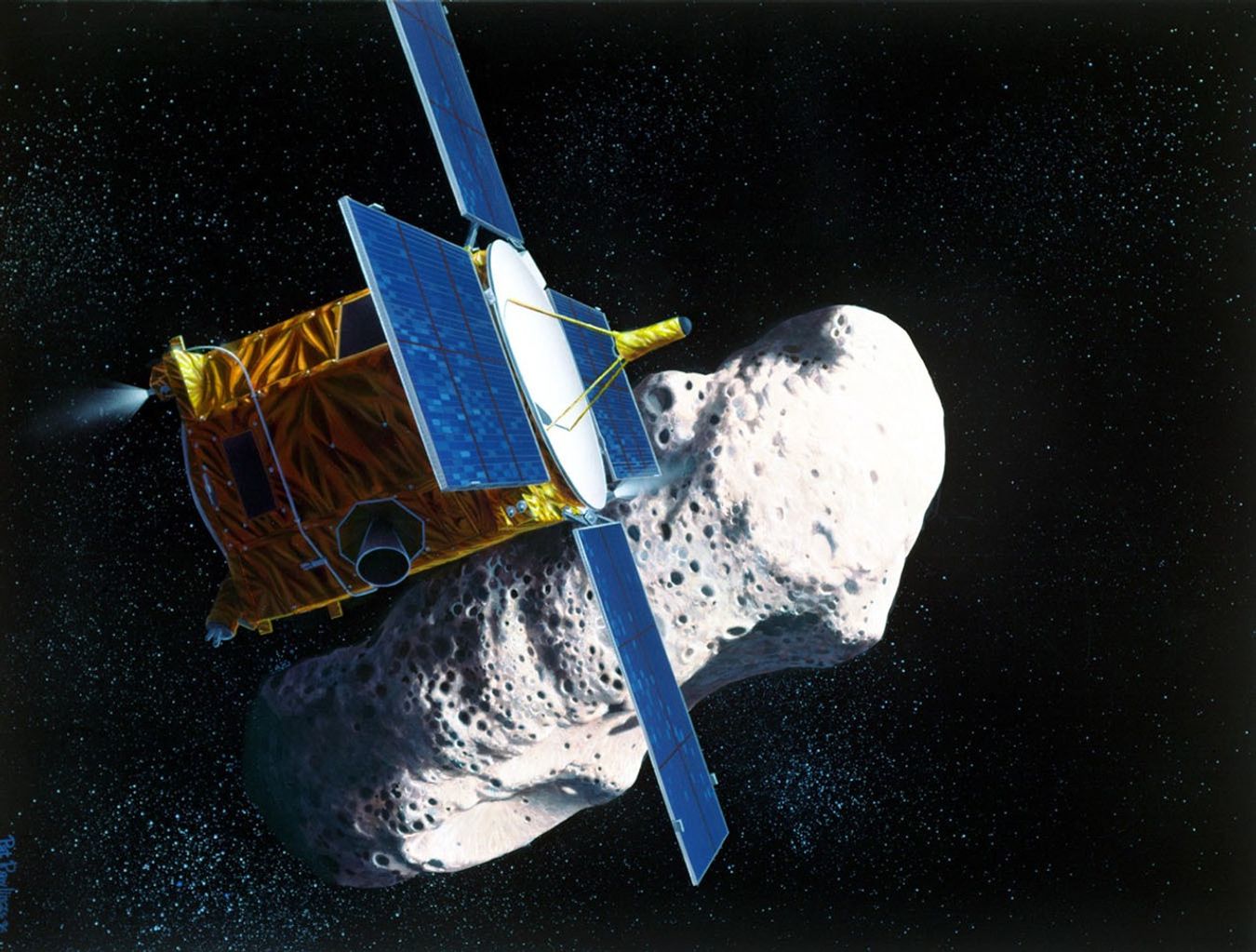
Twenty-four years ago, a spacecraft designed only to orbit made history with an improvised landing on asteroid Eros, marking humanitys first controlled touchdown on a small celestial body
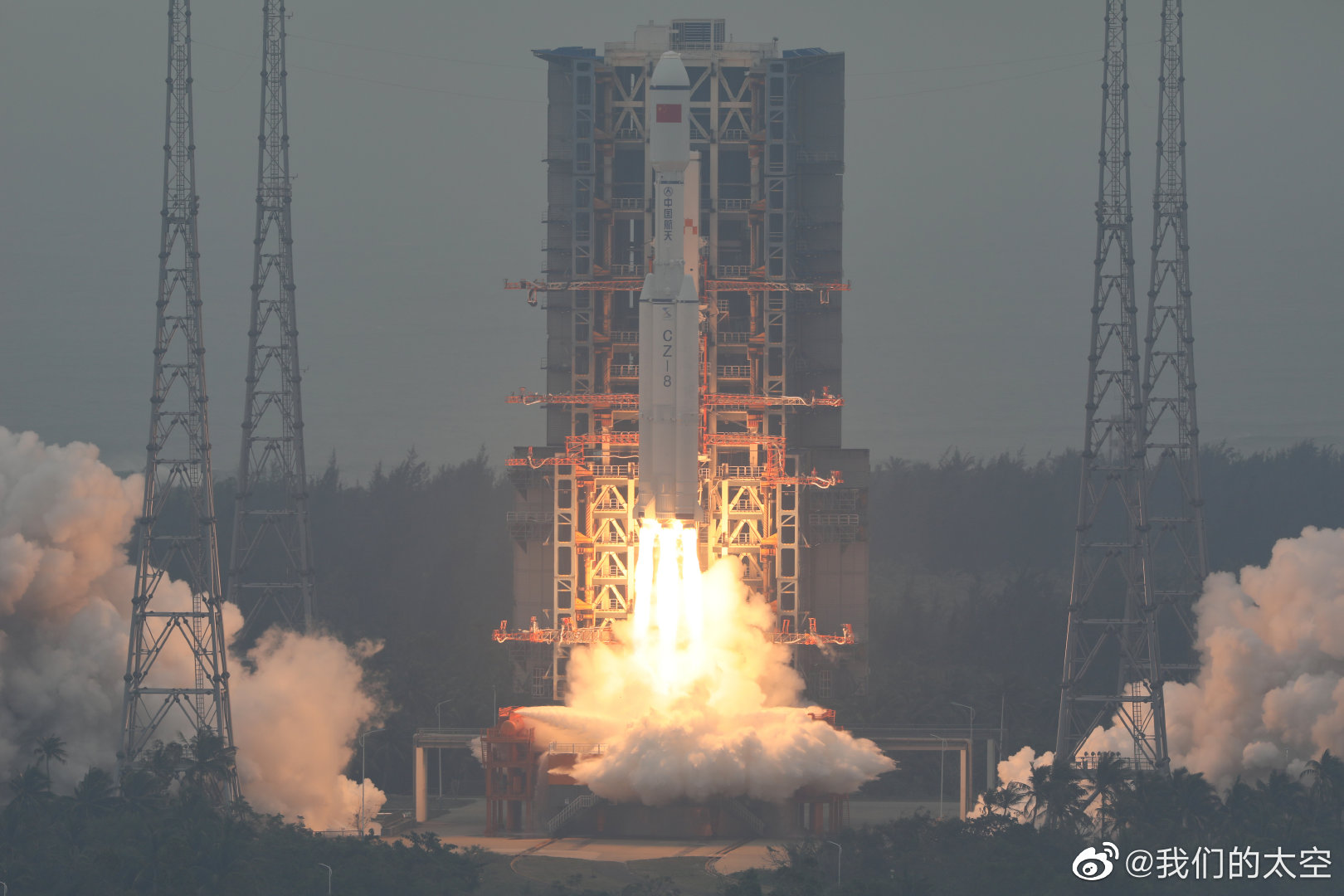
In today's brief: high-profile personnel changes in the Space Force, the inclusion of Space Force in historical political events, and strategic shifts in defense highlighted with a focus on satellite applications.

A brief journey through the evolution of space stations, delving into Russia's Mir, the International Space Station, China's Tiangong, and envisioning the future of orbital habitats.