


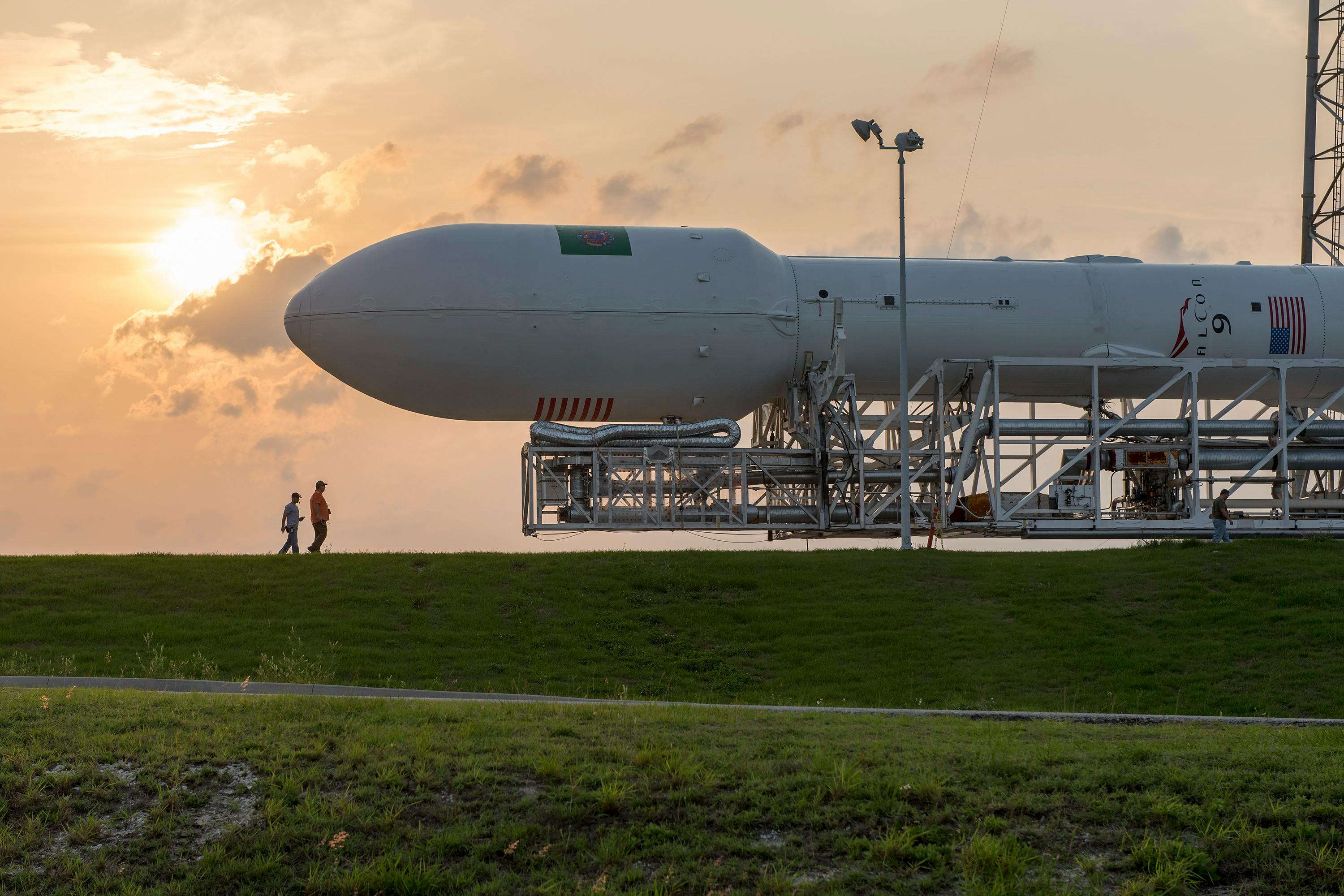
X Report 14 Aug 2025
SpaceX successfully launched a batch of Starlink satellites today while introducing new features to enhance user experience. Their rideshare program continues to see increased demand, proving popular among customers.



NORAD ID
61063
International Designator
2024-164P
Epoch
Sun, 19 Jul 2026 17:27:12 GMT
Apogee
Calculating...
Perigee
Calculating...
Inclination
53.16°
Right Ascension
197.07°
Eccentricity
Calculating...
Argument of Perigee
81.86°
Period
94.01 min
Mean Motion
15.32 rev/day
Latitude
Calculating...
Longitude
Calculating...
Altitude
Calculating...
Velocity
Calculating...
Name
STARLINK-32350
Alternative Name
Starlink 32350
Type
Status
Owner
SPXS
Country
United States
Constellation
N/A
Related Satellites
Major Events
N/A
1 61063U 24164P 26200.72722437 .00000774 00000+0 36686-4 0 9997
2 61063 53.1591 197.0736 0001185 81.8562 278.2573 15.31702009103703
Source: Celestrak
Length
0.3
Diameter
4.1
Span
29
Dry Mass
700
Launch Mass
730
Shape
Box + pan
Radar Cross Section
Unknown
Visual Magnitude
Unknown
Color
Unknown
Material Composition
Unknown
Payload
Starlink Group 9-6-14
Purpose
Communication
Mission
Communication
Manufacturer
SPXS
Life Expectancy
Unknown
Bus
Starlink V2M
Configuration
Starlink v2 Mini
Motor
Argon ion thrusters
Equipment
Ku/Ka/E-band payload, optical inter-satellite link
Power System
Solar arrays, batteries
ADCS
Unknown
Transmitter Frequency
Unknown
Learn more about satellites and other related topics.
SpaceX successfully launched a batch of Starlink satellites today while introducing new features to enhance user experience. Their rideshare program continues to see increased demand, proving popular among customers.

Pentagon puts LEO constellation layers on hold during acquisition review. SpaceX and xAI join $100M autonomous drone contest. China's Zenk Space completes first stage static fire.

An analysis of Russia's independent space tracking system and how it compares to the established U.S. Space Surveillance Network

Thirty-nine years ago, the loss of Space Shuttle Challenger and its seven crew members forever transformed our approach to spaceflight safety and risk management
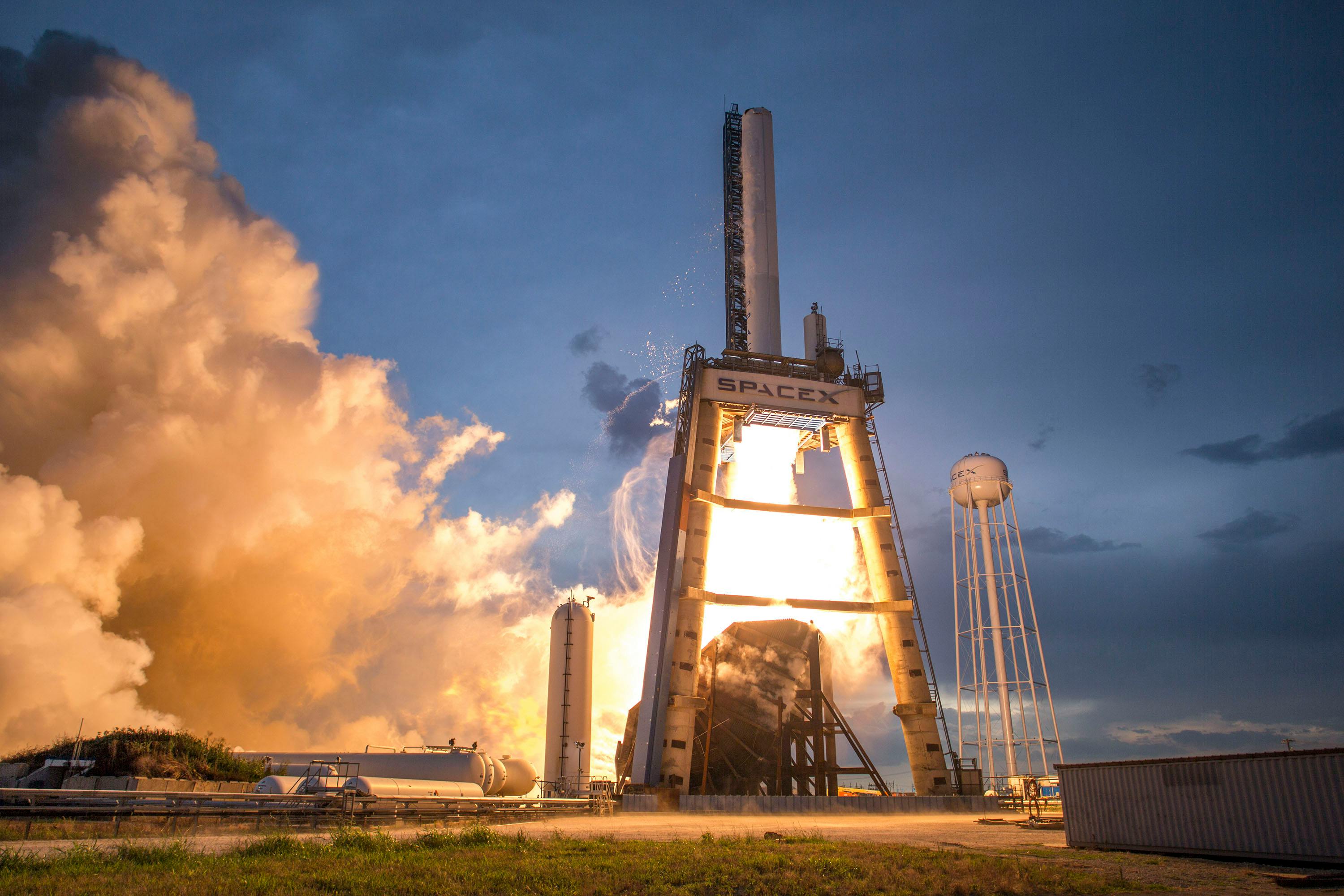
SpaceX continues its Starship testing while advancing Starlink deployments, and collaborates on satellite missions with industry partners.
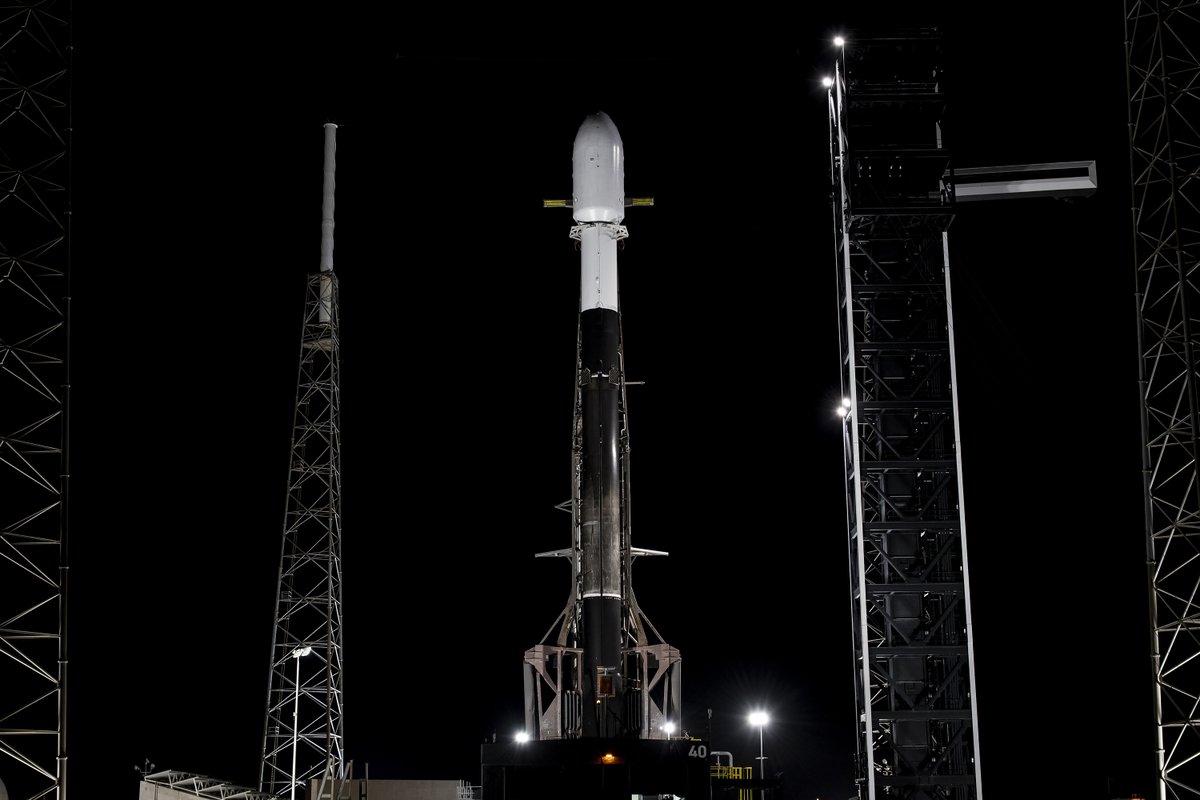
SpaceX launches its 1,500th Starlink satellite of 2026 as shares jump 19% on Nasdaq debut day. Musk targets $1 trillion in annual revenue by 2030.
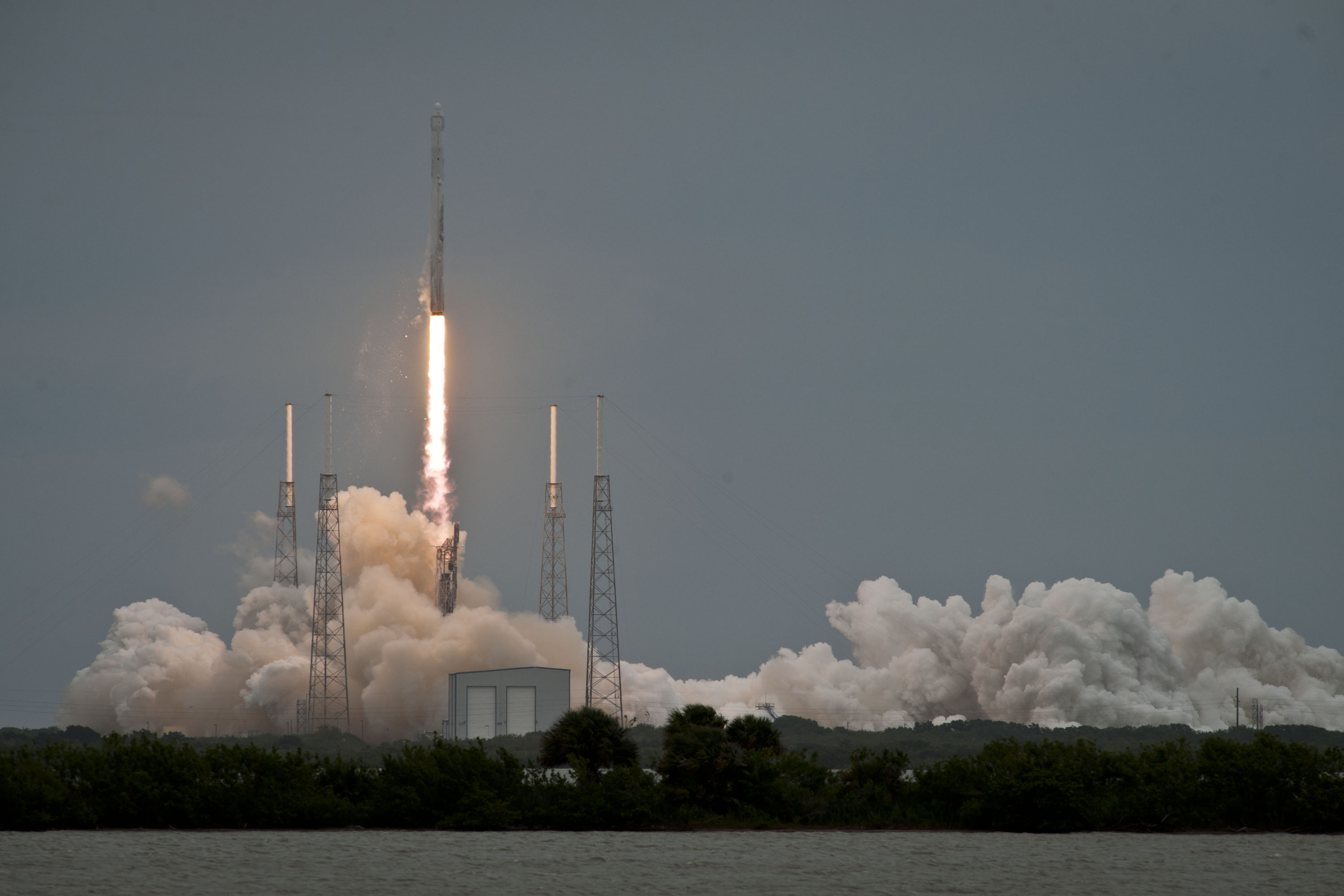
On April 18, 2014, a Falcon 9 first stage did something no orbital rocket had ever done before. It fired its engines on the way down, steered itself through the atmosphere using grid fins that did not yet exist, and touched the Atlantic Ocean softly enough to survive the impact. Nobody recovered it. The data was the whole point.

Today's brief covers the future of military space operations, ESA's potential defense role, significant developments in satellite communications, and SpaceX's response to Artemis 3 comments.