



Space Brief 22 Aug 2025
SpaceX's X-37B spaceplane launch, featuring advanced tech, highlights today’s space events. The launch of the first reprogrammable navigation satellite by the US Space Force is another significant milestone.


![STARLINK-11289 [DTC] Satellite Image](/images/sat/starlink.jpg)
Launch Date
September 5, 2024
Launch Site
Launch Pad
LC40
Launch Vehicle
NORAD ID
60991
International Designator
2024-158B
Epoch
Sun, 19 Jul 2026 03:24:54 GMT
Apogee
Calculating...
Perigee
Calculating...
Inclination
53.16°
Right Ascension
353.04°
Eccentricity
Calculating...
Argument of Perigee
66.67°
Period
91.74 min
Mean Motion
15.70 rev/day
Latitude
Calculating...
Longitude
Calculating...
Altitude
Calculating...
Velocity
Calculating...
Name
STARLINK-11289 [DTC]
Alternative Name
Starlink 11289
Type
Status
Owner
SPXS
Country
United States
Constellation
N/A
Related Satellites
Major Events
N/A
1 60991U 24158B 26200.14229221 -.00000981 00000+0 -32466-5 0 9993
2 60991 53.1592 353.0403 0000945 66.6702 293.4416 15.69706063108242
Source: Celestrak
Length
0.3
Diameter
4.1
Span
29
Dry Mass
700
Launch Mass
730
Shape
Box + pan
Radar Cross Section
Unknown
Visual Magnitude
Unknown
Color
Unknown
Material Composition
Unknown
Payload
Starlink Group 8-11-02
Purpose
Communication
Mission
Communication
Manufacturer
SPXS
Life Expectancy
Unknown
Bus
Starlink V2M
Configuration
Starlink v2 Mini
Motor
Argon ion thrusters
Equipment
D2C payload, optical inter-satellite link
Power System
Solar arrays, batteries
ADCS
Unknown
Transmitter Frequency
Unknown
Learn more about satellites and other related topics.
SpaceX's X-37B spaceplane launch, featuring advanced tech, highlights today’s space events. The launch of the first reprogrammable navigation satellite by the US Space Force is another significant milestone.

Today's brief covers SpaceX's launch of a secret US spy satellite, national security satellite launches, and Japan's missile ambitions. Also highlighted are Estonia's AI defense upgrades and autonomous airpower in Australia.
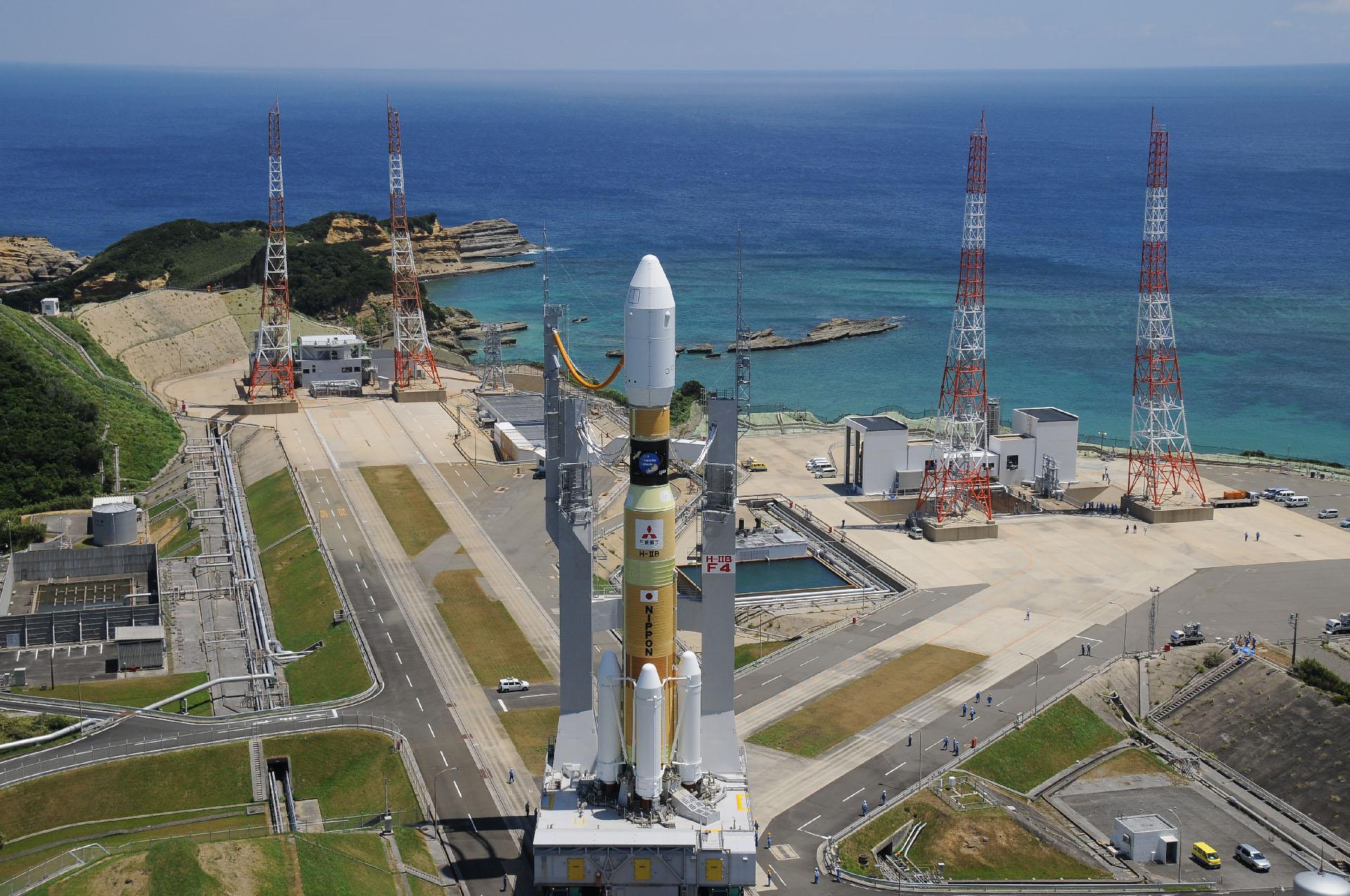
Today's briefing covers Blue Origin's certification progress, a near-miss between a Chinese spacecraft and a Starlink satellite, SpaceX's latest Starlink launch and booster landing, potential IPO news from SpaceX, and advancements in Starlink integration with Tesla vehicles.

The Kessler Syndrome threatens humanity's future in space as cascading satellite collisions create exponential debris growth. With 36,000+ tracked objects and recent incidents accelerating risks, we face a critical juncture: implement solutions now or potentially lose access to low Earth orbit forever.
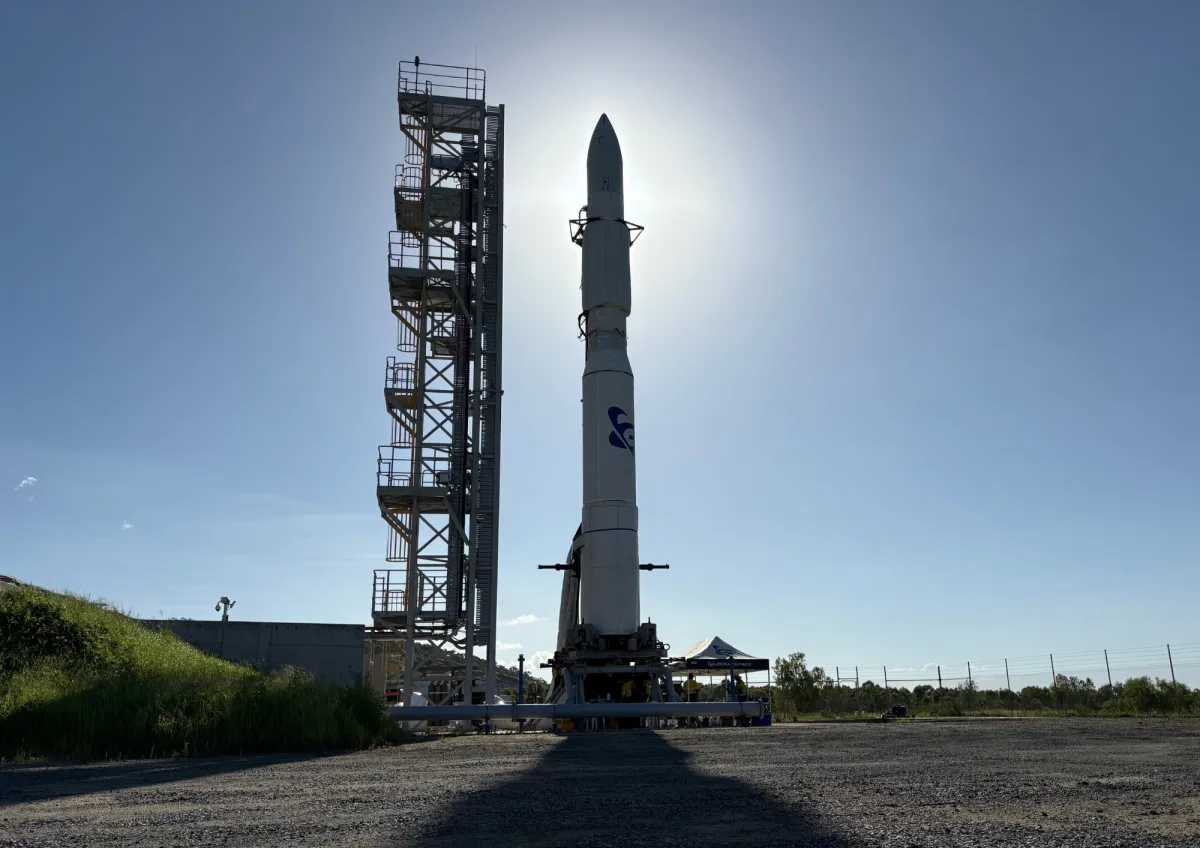
Today's space highlights include significant military contracts for aerospace innovations, advancements in small-satellite procurement, and discussions on the role of nuclear energy in space exploration.

Today's Space Brief covers Lockheed Martin's pursuits in missile interception, key military advancements in space integration, the UK launch license for Skyrora, and much more.

SpaceX has adapted Pad 1 for Ship Static Fire tests while addressing the recent downtime at Massey’s, showcasing its commitment to maintaining launch schedules despite setbacks.
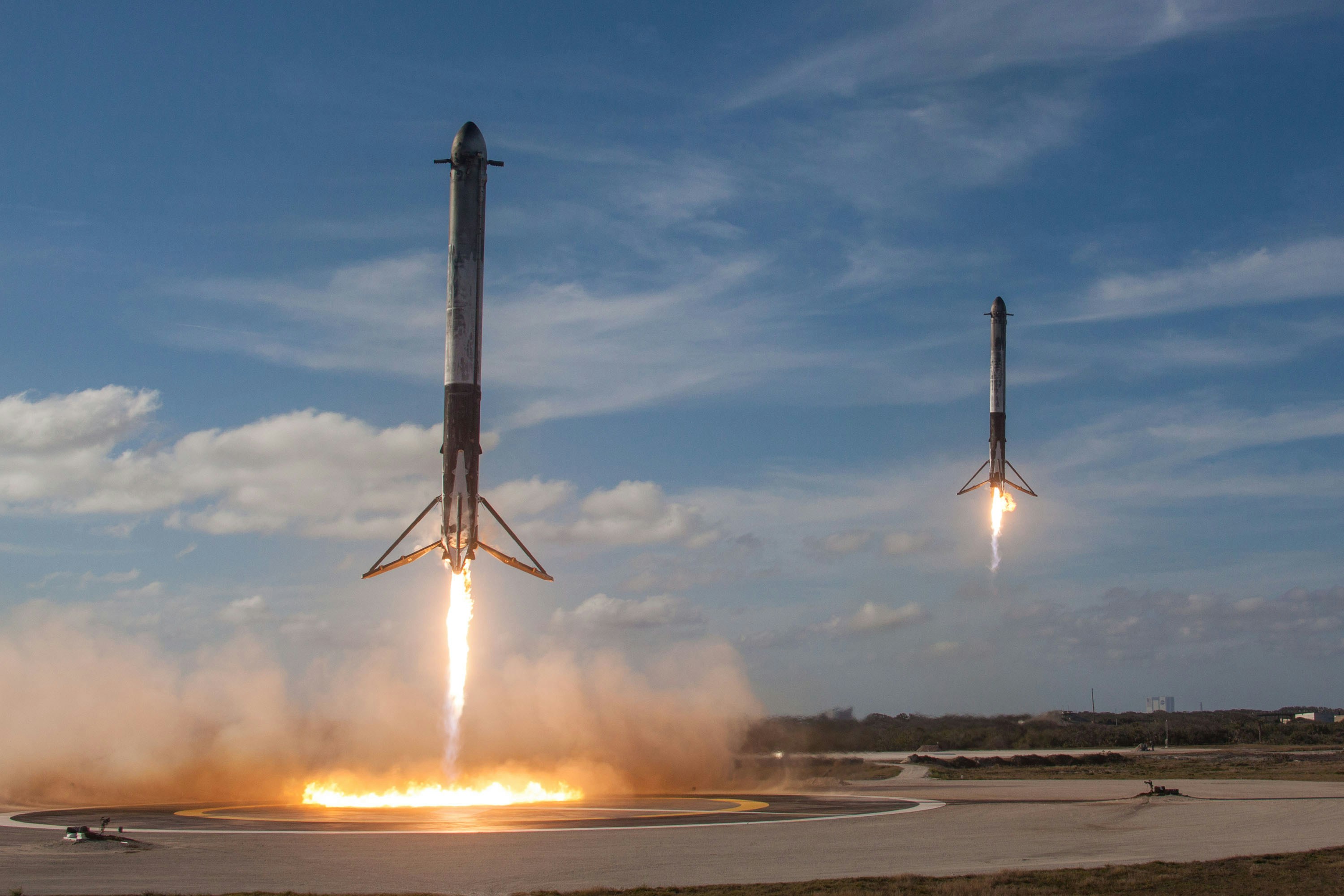
SpaceX is exploring alternative options for static fire tests amid infrastructure setbacks, emphasizing their adaptability in operations.