


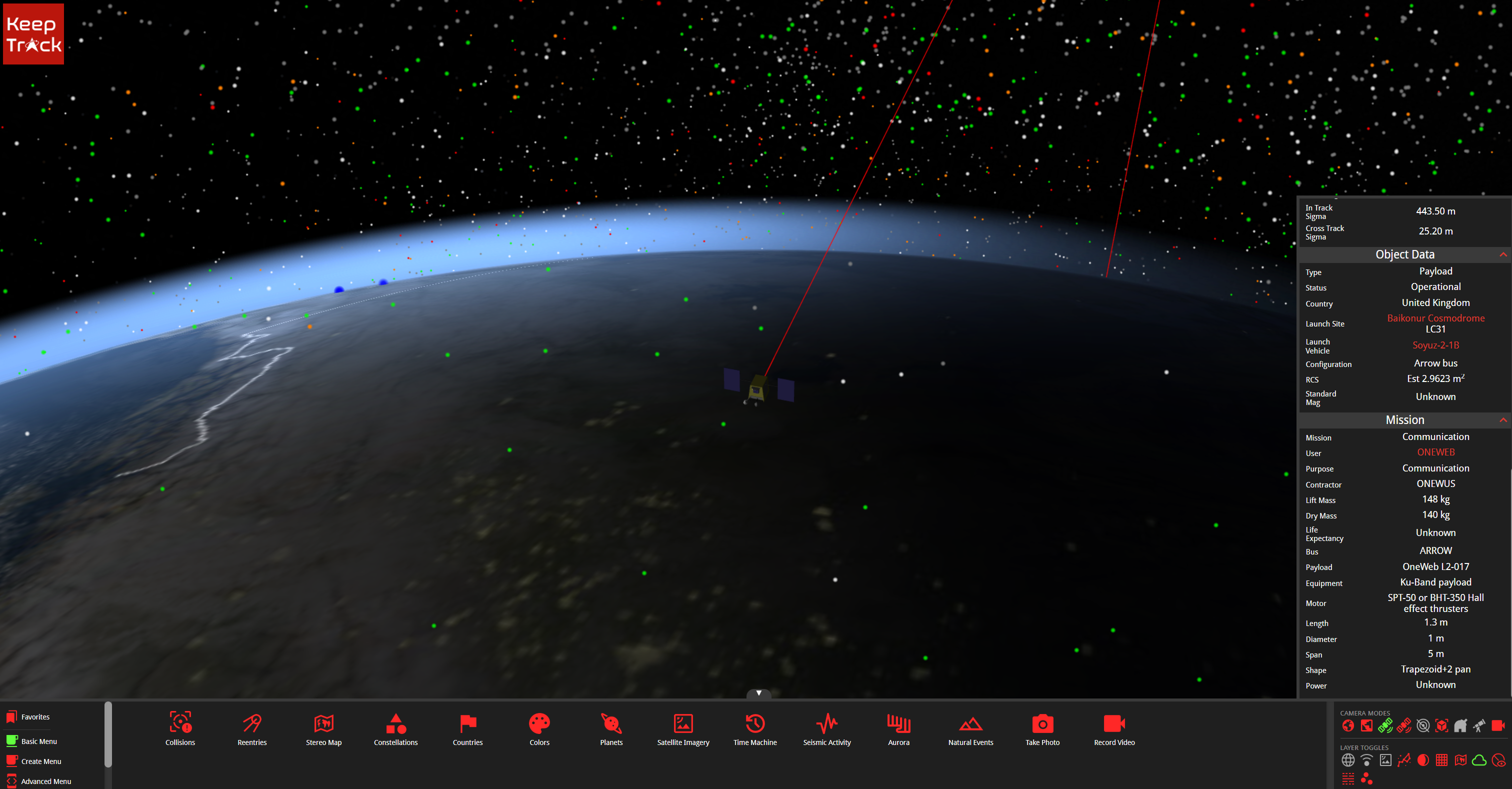
Space Domain Awareness (SDA)
The evolution from simply tracking objects in orbit to understanding the full strategic picture of who is doing what in space, and why



NORAD ID
60940
International Designator
2024-155S
Epoch
Sun, 19 Jul 2026 09:27:36 GMT
Apogee
Calculating...
Perigee
Calculating...
Inclination
53.16°
Right Ascension
236.63°
Eccentricity
Calculating...
Argument of Perigee
88.94°
Period
93.85 min
Mean Motion
15.34 rev/day
Latitude
Calculating...
Longitude
Calculating...
Altitude
Calculating...
Velocity
Calculating...
Name
STARLINK-32251
Alternative Name
Starlink 32251
Type
Status
Owner
SPXS
Country
United States
Constellation
N/A
Related Satellites
Major Events
N/A
1 60940U 24155S 26200.39417134 .00000545 00000+0 27266-4 0 9998
2 60940 53.1598 236.6265 0001150 88.9352 271.1783 15.34392235106524
Source: Celestrak
Length
0.3
Diameter
4.1
Span
29
Dry Mass
700
Launch Mass
730
Shape
Box + pan
Radar Cross Section
Unknown
Visual Magnitude
Unknown
Color
Unknown
Material Composition
Unknown
Payload
Starlink Group 9-5-17
Purpose
Communication
Mission
Communication
Manufacturer
SPXS
Life Expectancy
Unknown
Bus
Starlink V2M
Configuration
Starlink v2 Mini
Motor
Argon ion thrusters
Equipment
Ku/Ka/E-band payload, optical inter-satellite link
Power System
Solar arrays, batteries
ADCS
Unknown
Transmitter Frequency
Unknown
Learn more about satellites and other related topics.
The evolution from simply tracking objects in orbit to understanding the full strategic picture of who is doing what in space, and why
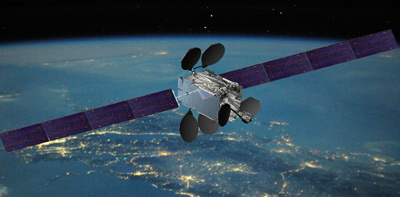
Today's space brief covers an impressive SpaceX launch record, China's upcoming crew mission to its space station, an Intelsat 33e debris observation, and more. Key topics include SpaceX's Starship events, ESA's Hera mission updates, and Boeing's potential space division sale.

On May 4, 1989, Space Shuttle Atlantis lifted off from LC-39B carrying Magellan, NASA's first interplanetary mission since 1978. The eleven-year drought ended in a payload bay, and the radar that emerged would map ninety-eight percent of Venus through clouds that no camera could ever see through.
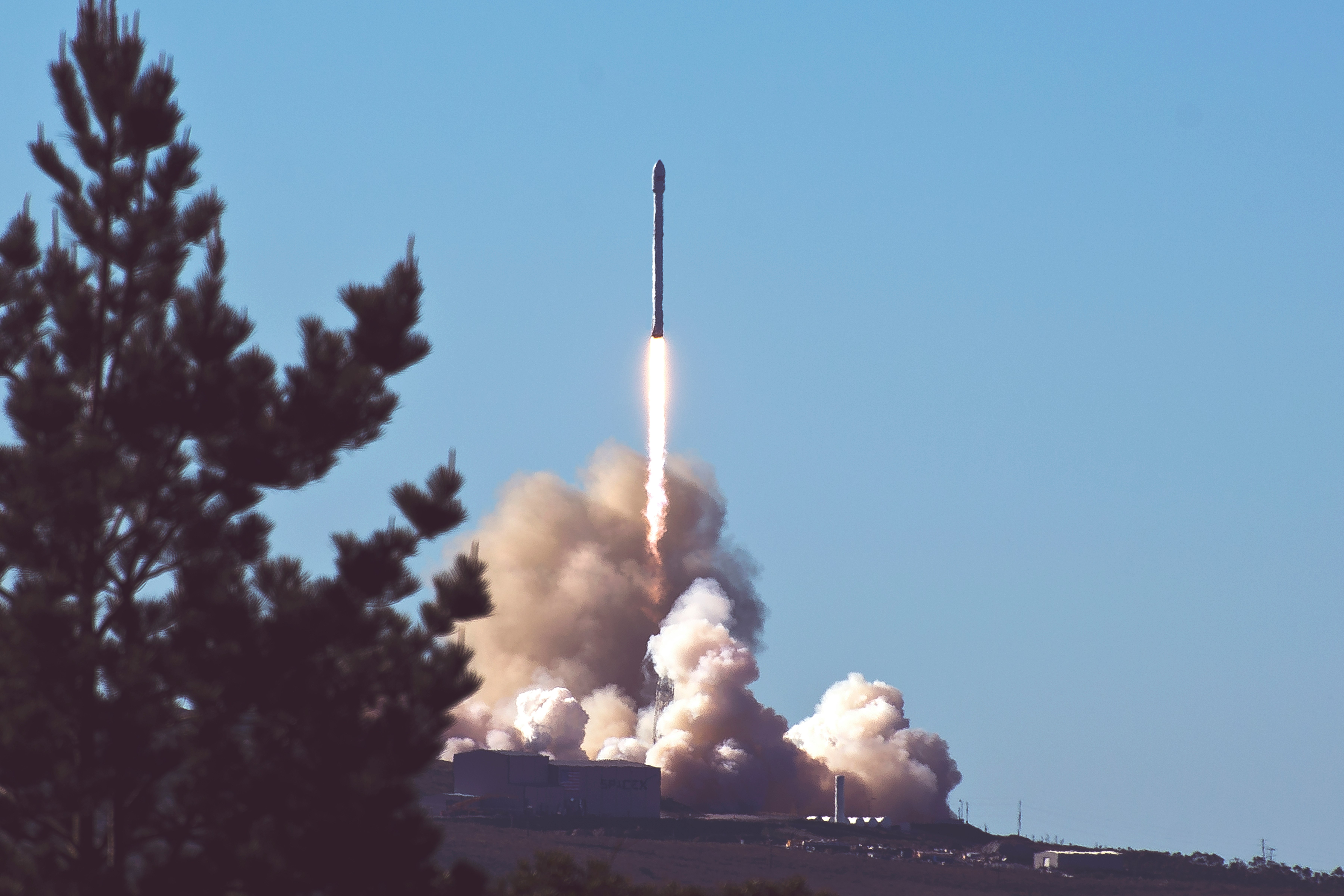
SpaceX launches Starlink satellites successfully, while Starbase inches closer to city status and business discussions intensify.
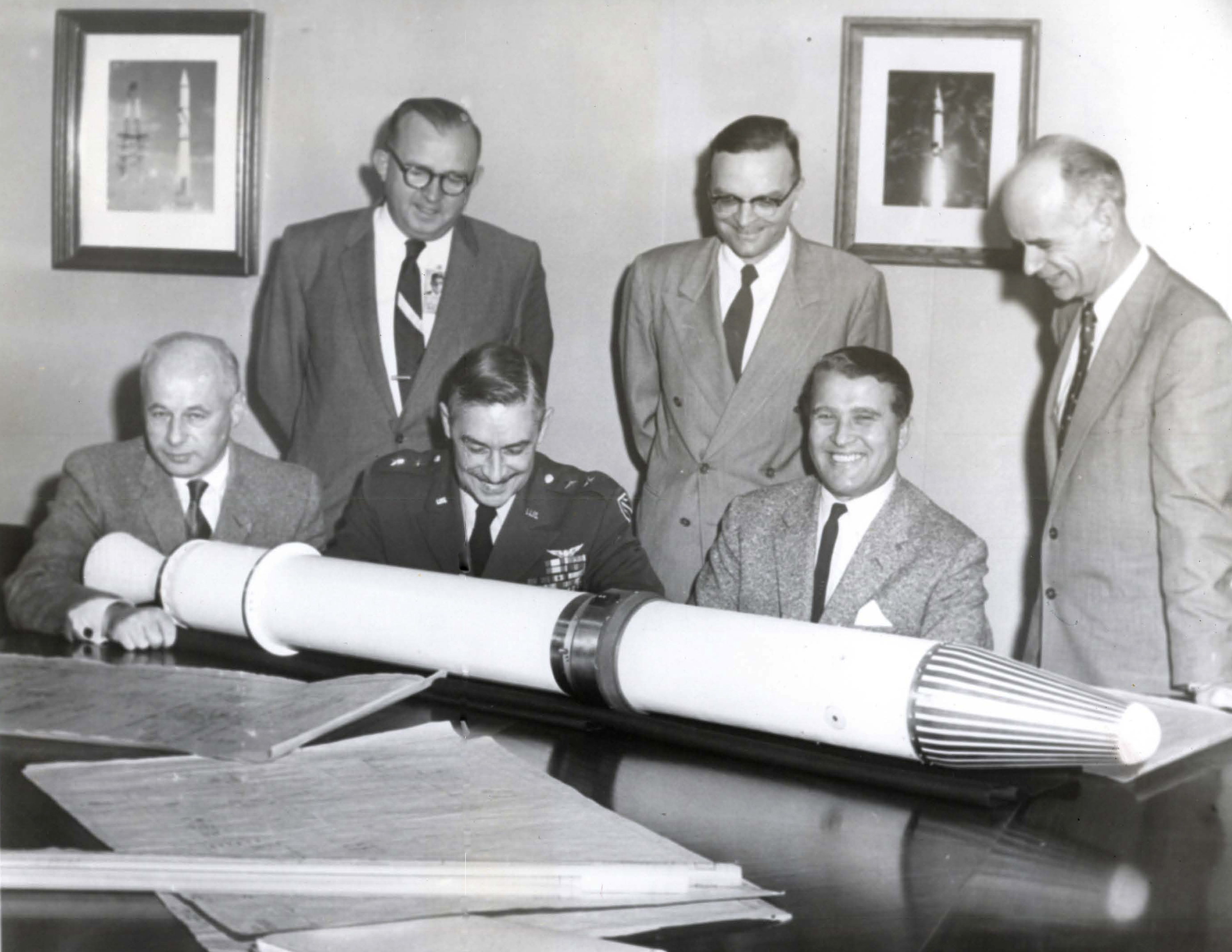
Sixty-seven years ago, a slender rocket carried America's first satellite into orbit, discovering a mysterious feature of our planet that would change our understanding of space forever
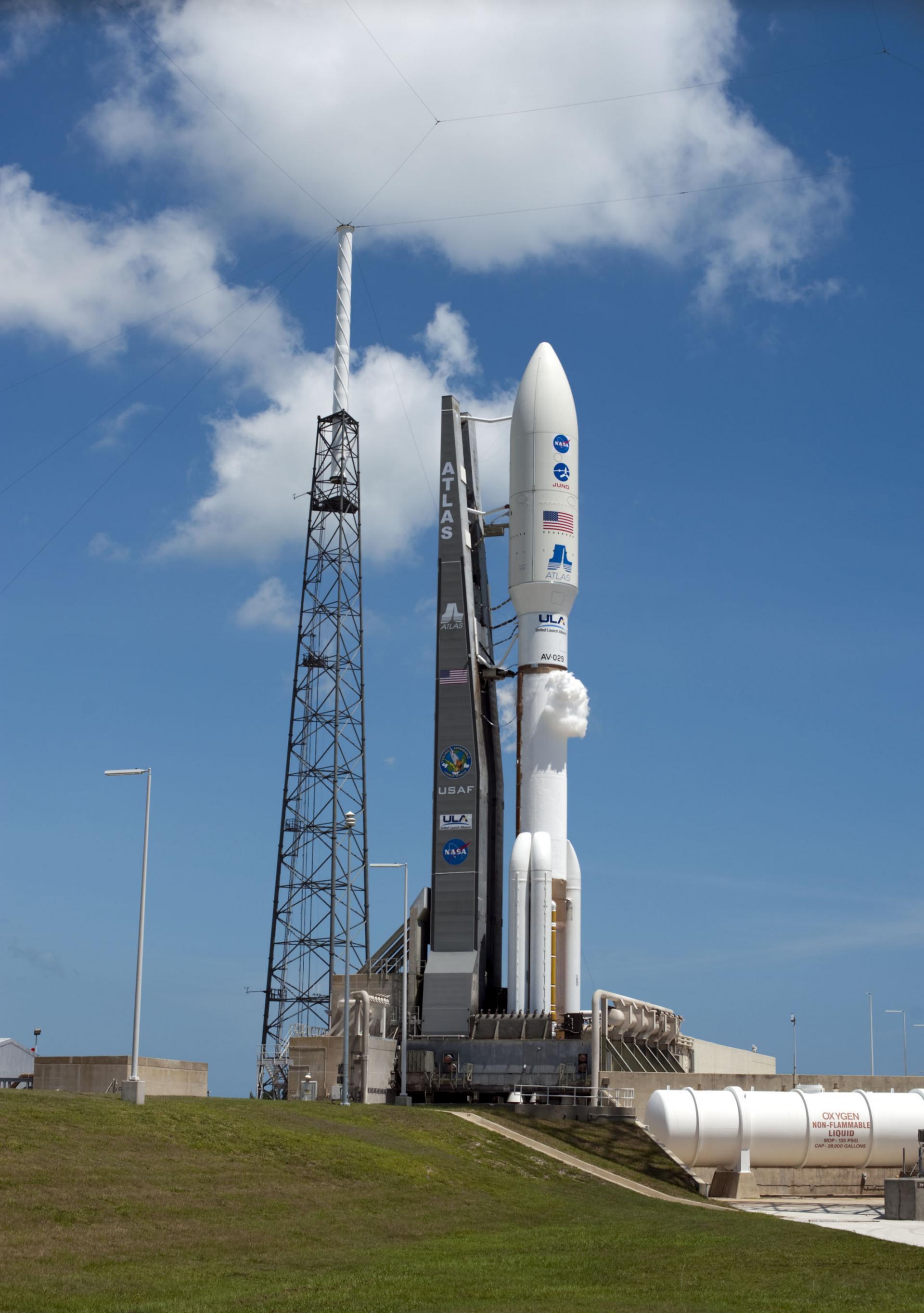
Falcon Heavy launched ViaSat-3 F3 on April 27, its 12th flight, with the first dual landing zone recovery. Plus Soyuz-5's demo flight nears at Baikonur.

Discover the latest in satellite tracking with key topics covering the launch of Tranche 1 satellites for the Space Development Agency, a record-setting Transporter-15 mission by Exolaunch, and new defense-focused satellite connectivity solutions by Satlink and Rivada.

A fatality at SpaceX's Starbase shakes the program as Starship V3, standing 124 m tall with Raptor 3 engines, nears its maiden flight.