


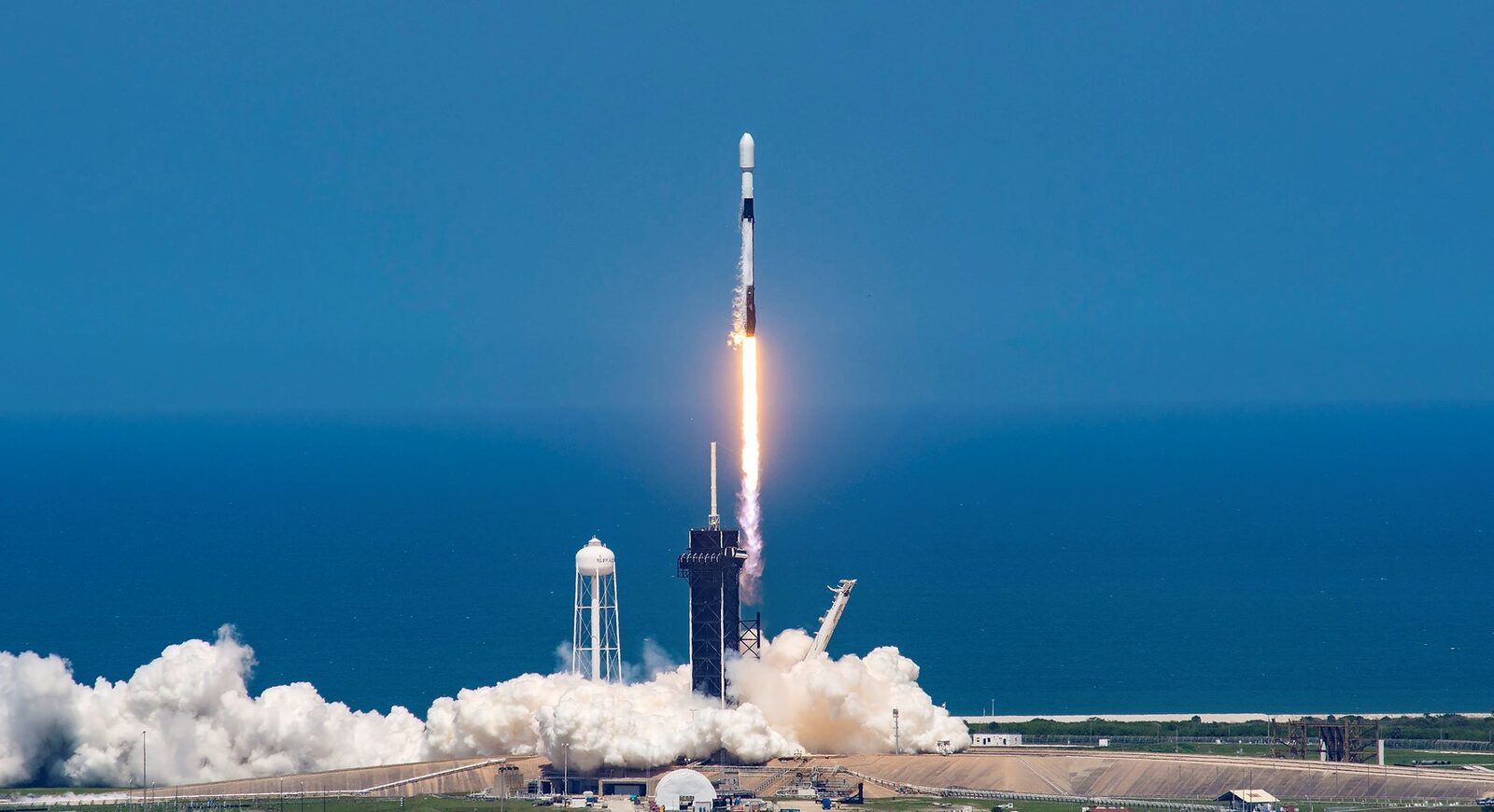
Skyroot's Vikram-1 Reaches Orbit, Breaks Indian Launch Monopoly, Space Brief 18 Jul 2026
Skyroot Aerospace's Vikram-1 rocket achieved orbit on July 18, becoming the first Indian commercial rocket to do so and breaking ISRO's launch monopoly.


![STARLINK-11237 [DTC] Satellite Image](/images/sat/starlink.jpg)
NORAD ID
60934
International Designator
2024-155L
Epoch
Sun, 19 Jul 2026 18:48:46 GMT
Apogee
Calculating...
Perigee
Calculating...
Inclination
53.16°
Right Ascension
49.75°
Eccentricity
Calculating...
Argument of Perigee
79.08°
Period
91.74 min
Mean Motion
15.70 rev/day
Latitude
Calculating...
Longitude
Calculating...
Altitude
Calculating...
Velocity
Calculating...
Name
STARLINK-11237 [DTC]
Alternative Name
Starlink 11237
Type
Status
Owner
SPXS
Country
United States
Constellation
N/A
Related Satellites
Major Events
N/A
1 60934U 24155L 26200.78386903 -.00001792 00000+0 -99458-5 0 9993
2 60934 53.1602 49.7536 0000708 79.0761 281.0336 15.69709076109160
Source: Celestrak
Length
0.3
Diameter
4.1
Span
29
Dry Mass
700
Launch Mass
730
Shape
Box + pan
Radar Cross Section
Unknown
Visual Magnitude
Unknown
Color
Unknown
Material Composition
Unknown
Payload
Starlink Group 9-5-11
Purpose
Communication
Mission
Communication
Manufacturer
SPXS
Life Expectancy
Unknown
Bus
Starlink V2M
Configuration
Starlink v2 Mini
Motor
Argon ion thrusters
Equipment
D2C payload, optical inter-satellite link
Power System
Solar arrays, batteries
ADCS
Unknown
Transmitter Frequency
Unknown
Learn more about satellites and other related topics.
Skyroot Aerospace's Vikram-1 rocket achieved orbit on July 18, becoming the first Indian commercial rocket to do so and breaking ISRO's launch monopoly.

ESA-China SMILE spacecraft successfully launched from Kourou to image Earth's magnetosphere. First continuous global views of solar wind interaction now in orbit.

SpaceX continues to make waves with record launches and emerging challenges in its lunar endeavors. A new launch site on the West Coast promises to ramp up capacity, even as the Falcon 9 prepares for its eventual retirement.

SpaceX's ongoing challenges with the Starship Flight 10 launch are prominent today, as weather and technical issues continue to push back the schedule. Meanwhile, successful cargo missions to the ISS highlight the company's ongoing commitment to space operations.
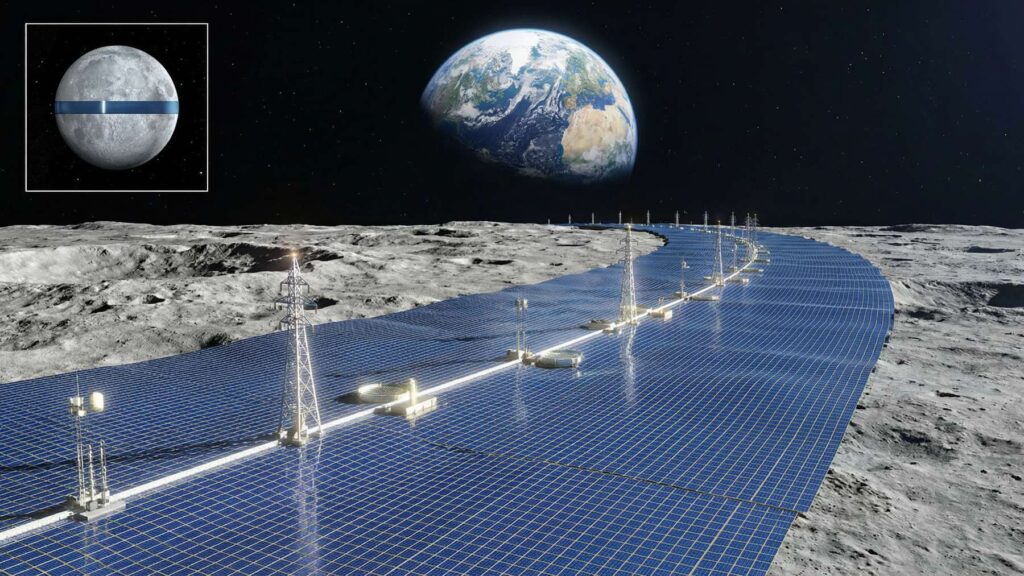
A 220-year-old Japanese construction company wants to build an 11,000-kilometer belt of solar cells around the lunar equator and beam the power back to Earth. The physics checks out. Everything else is another story.
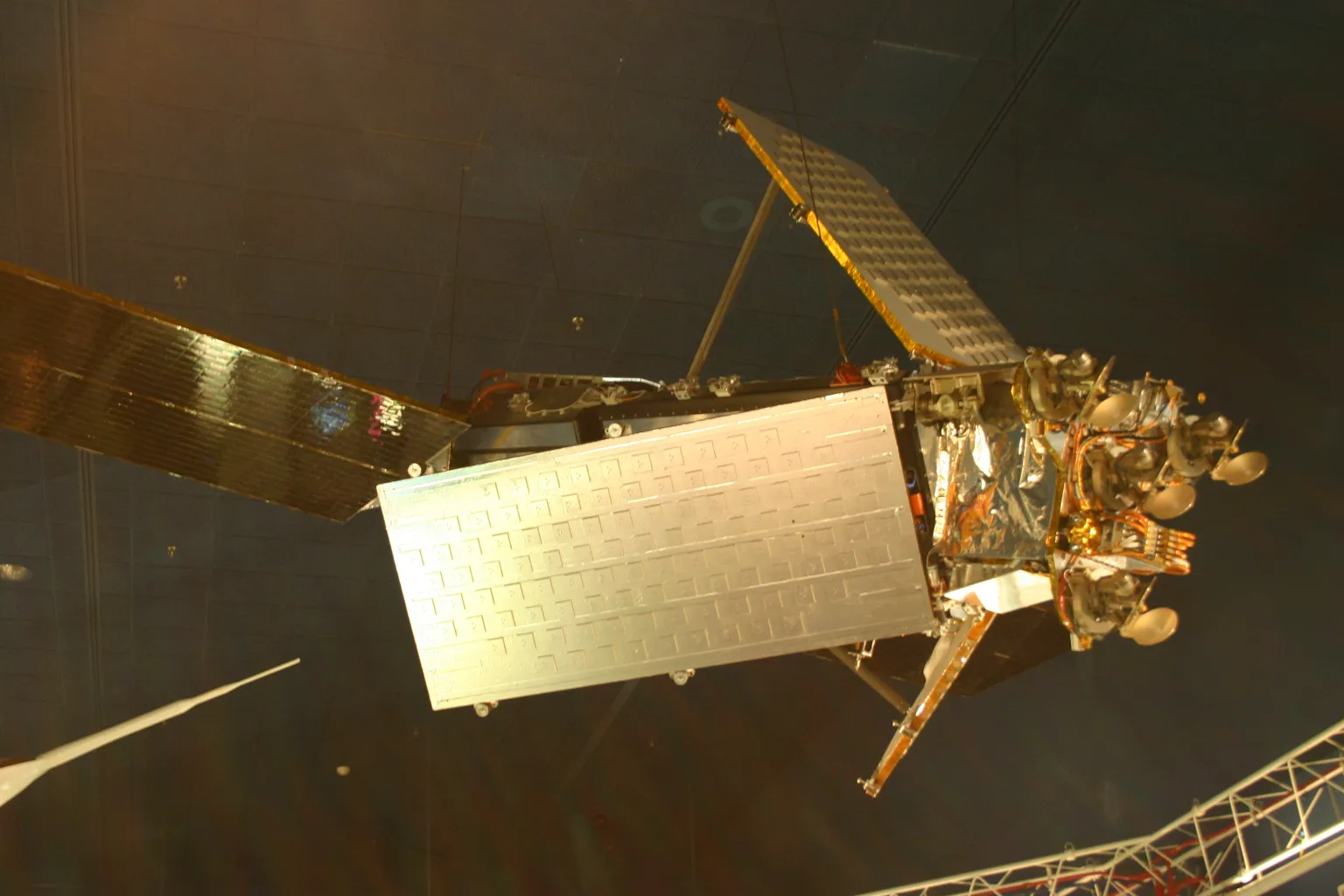
Seventeen years ago today, an operational American communications satellite and a dead Russian military relay crossed paths over Siberia. What happened next created more than 2,000 pieces of trackable debris - and fundamentally changed how the world thinks about space traffic.
A HIGH-risk conjunction between STARLINK-4621 and the defunct SL-18 rocket body leads the July 11 safety picture, with eight Starlink satellites set to reenter through July 14.
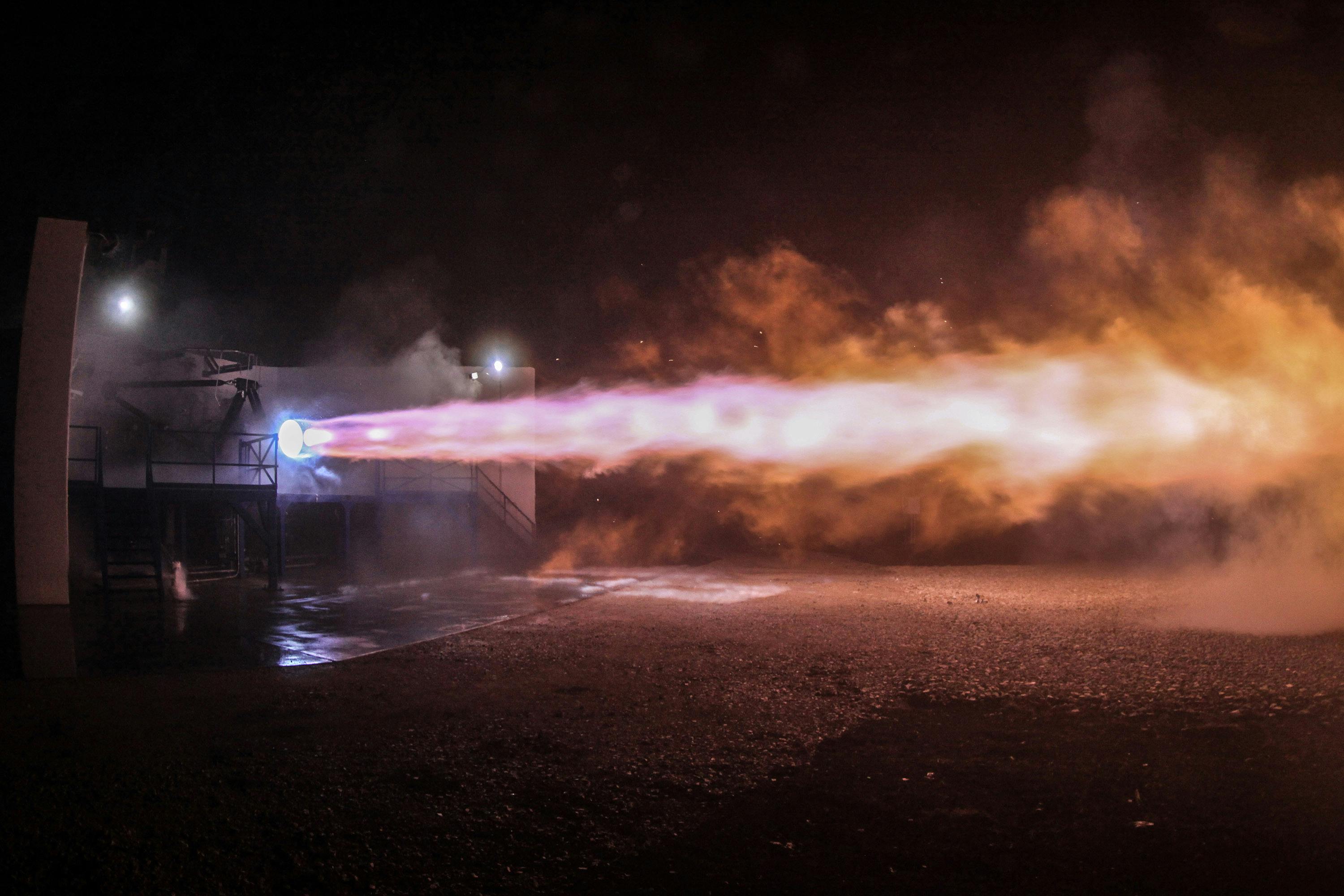
A Falcon 9 booster sets a reusability record on its 35th flight during the Starlink 10-35 mission, the constellation's 53rd dedicated launch.