


NRO Adds 3 New Partners to Commercial Imaging Program | KeepTrack Space Brief
NRO expands commercial imaging with HEO, SatVu, and Sierra Nevada. ChatGPT rolls out to 3 million military users via GenAI.mil. C-130J deliveries paused.



Launch Date
August 31, 2024
Launch Site
Launch Pad
LC40
Launch Vehicle
NORAD ID
60921
International Designator
2024-154U
Epoch
Sun, 19 Jul 2026 19:35:46 GMT
Apogee
Calculating...
Perigee
Calculating...
Inclination
53.16°
Right Ascension
29.45°
Eccentricity
Calculating...
Argument of Perigee
103.28°
Period
94.01 min
Mean Motion
15.32 rev/day
Latitude
Calculating...
Longitude
Calculating...
Altitude
Calculating...
Velocity
Calculating...
Name
STARLINK-32356
Alternative Name
Starlink 32356
Type
Status
Owner
SPXS
Country
United States
Constellation
N/A
Related Satellites
Major Events
N/A
1 60921U 24154U 26200.81651111 .00002398 00000+0 89005-4 0 9995
2 60921 53.1621 29.4538 0001193 103.2805 256.8330 15.31705729106589
Source: Celestrak
Length
0.3
Diameter
4.1
Span
29
Dry Mass
700
Launch Mass
730
Shape
Box + pan
Radar Cross Section
Unknown
Visual Magnitude
Unknown
Color
Unknown
Material Composition
Unknown
Payload
Starlink Group 8-10-19
Purpose
Communication
Mission
Communication
Manufacturer
SPXS
Life Expectancy
Unknown
Bus
Starlink V2M
Configuration
Starlink v2 Mini
Motor
Argon ion thrusters
Equipment
Ku/Ka/E-band payload, optical inter-satellite link
Power System
Solar arrays, batteries
ADCS
Unknown
Transmitter Frequency
Unknown
Learn more about satellites and other related topics.
NRO expands commercial imaging with HEO, SatVu, and Sierra Nevada. ChatGPT rolls out to 3 million military users via GenAI.mil. C-130J deliveries paused.

Pentagon chief Pete Hegseth tours Rocket Lab for Arsenal of Freedom strategy. Space Force accelerates 2026 acquisitions including GPS and tactical comms. Rhea Space wins $1.9M optical nav contract.

CSIS analysis identifies 75 unusual orbital maneuvers by Chinese GEO satellites over 10 years, consistent with military reconnaissance. Track GEO objects via KeepTrack.
MDA Space and Hanwha target South Korea's K-LEO defense satellite network. House passes $839B defense bill. Pentagon picks 25 vendors for $150M drone competition.
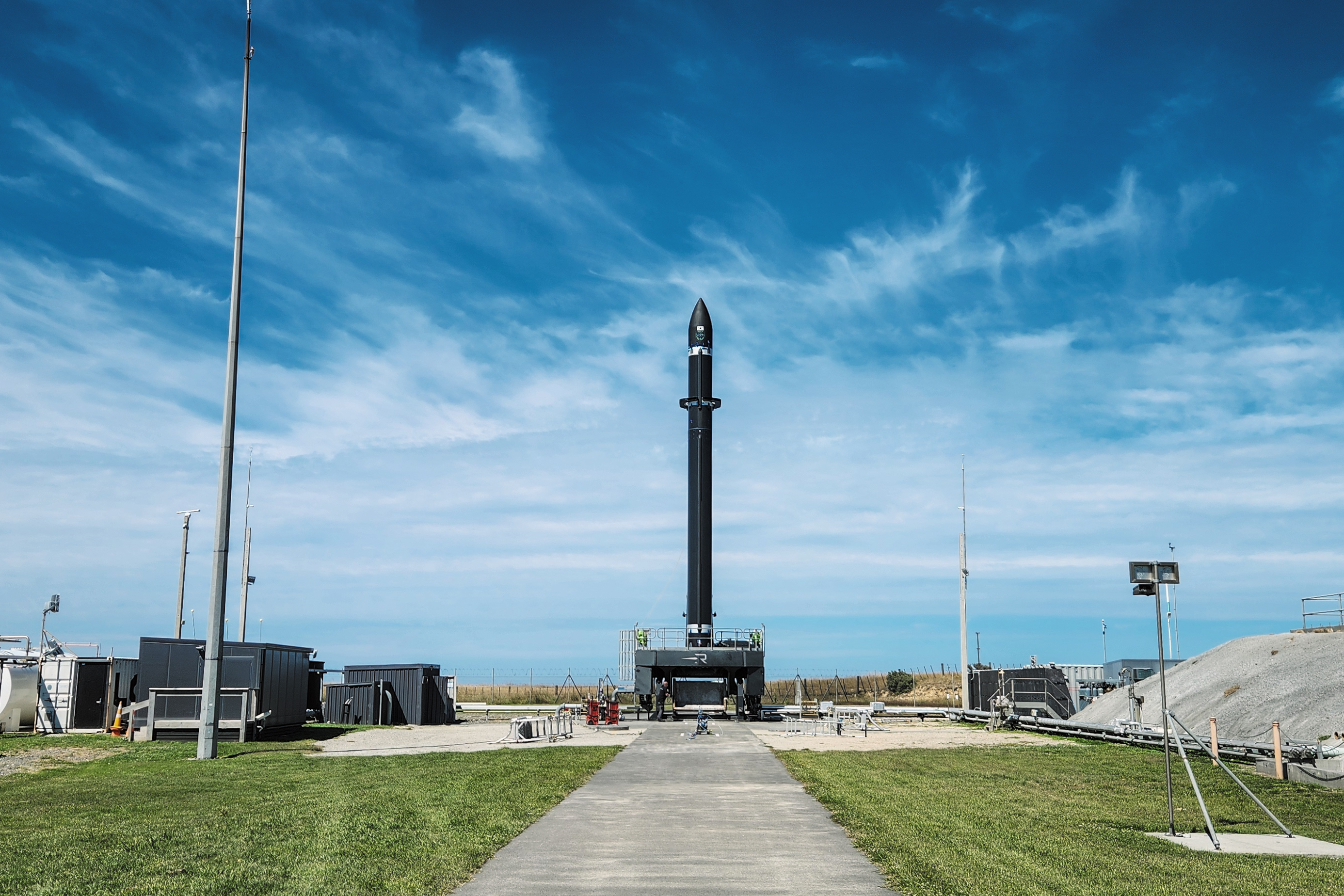
SDA awards $3.5B in contracts for 72 Tracking Layer satellites to Lockheed Martin and Rocket Lab. Terran Orbital selected for satellite bus production. Israel eyes 2026 defense growth.
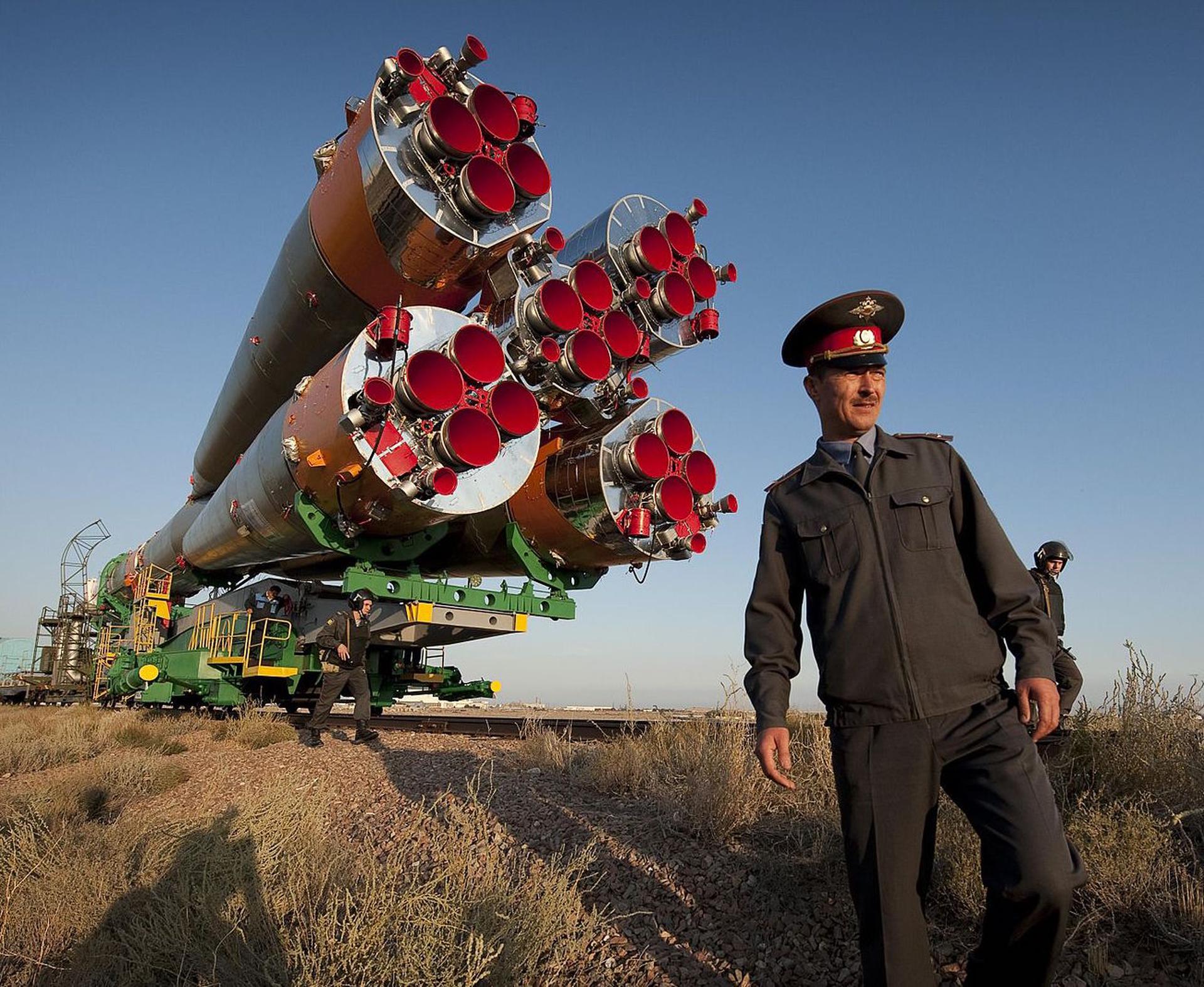
Today's Space Brief covers major upcoming launches from SpaceX, US military missile tests, and developments in Virgin Galactic's fleet expansion. Stay informed on key satellite events and launch updates.
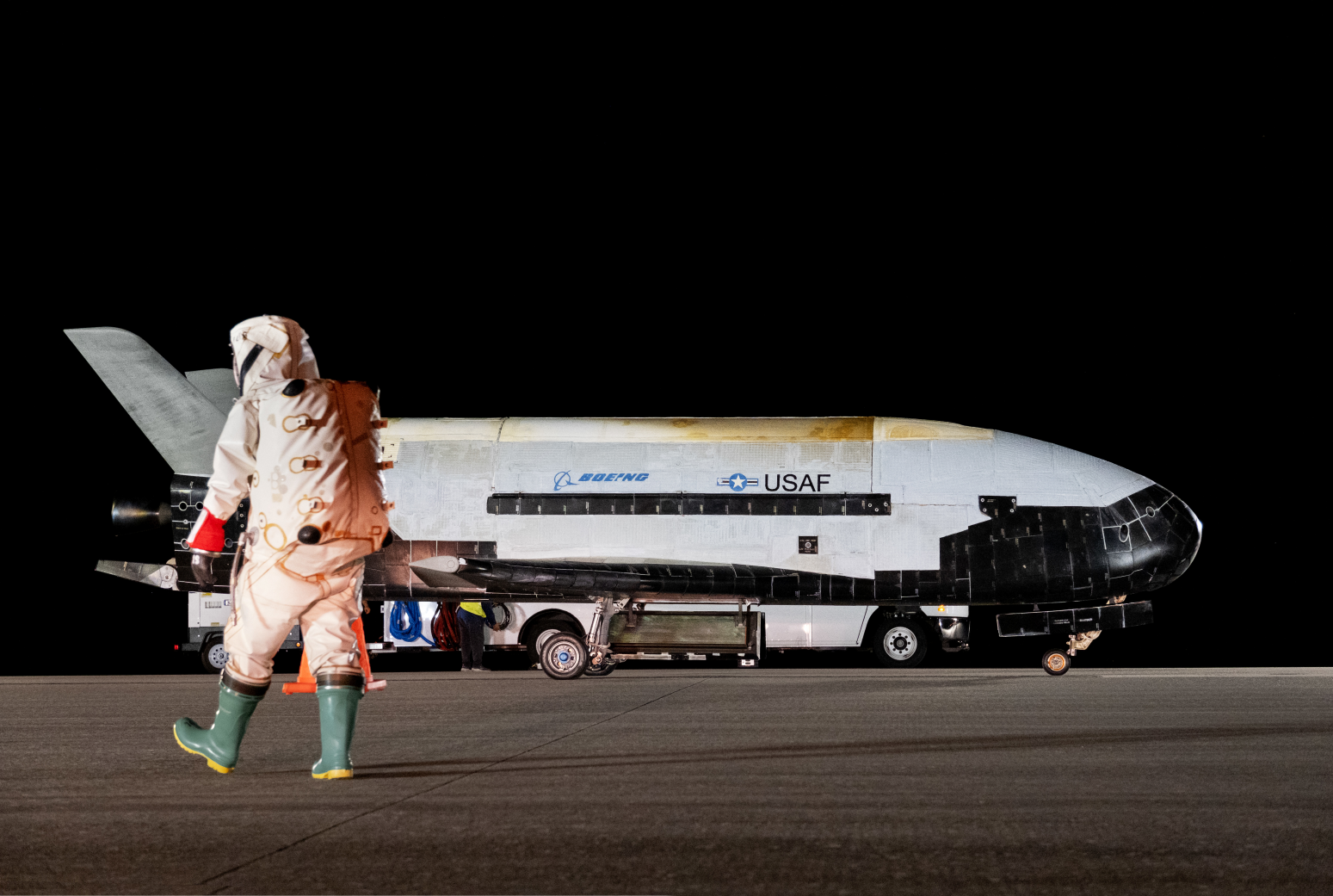
On April 22, 2010, an Atlas V lifted off from Cape Canaveral carrying a reusable robotic spaceplane so secret that the Air Force would not even confirm its mission duration. It came back 224 days later, lighter, quieter, and more operational than anyone outside Washington had expected. Fifteen years later, the X-37B is still flying, and the military still will not say what it does.

SpaceX achieves new milestones with back-to-back launches for the NRO while preparing for groundbreaking crewed polar mission FRAM2.