STARLINK-11264 [DTC] (60906)

COSPAR: 2024-154D | Alt Name: Starlink 11264

Image
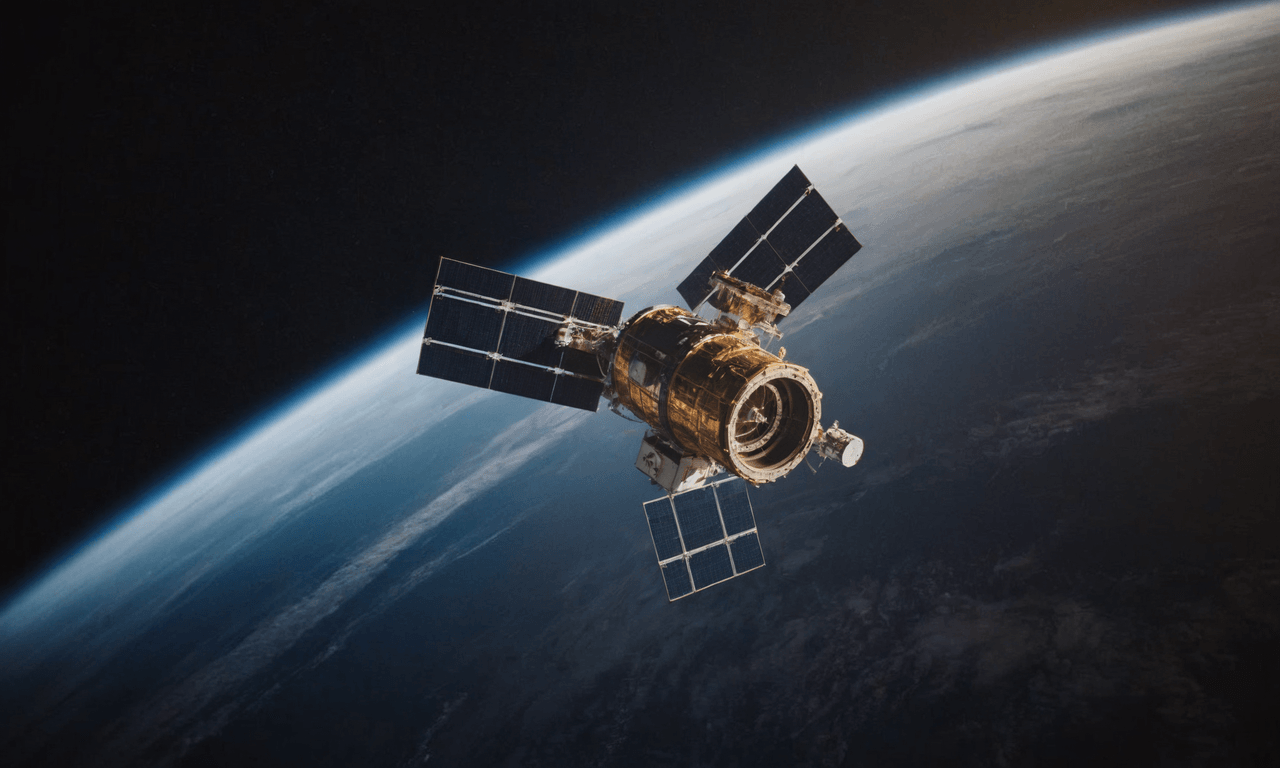
STARLINK-11264 [DTC] Satellite Image
Additional Sources
Launch Details

Launch Date

August 31, 2024

Launch Pad

LC40

Launch Vehicle

Falcon 9

Orbital Elements

NORAD ID

60906

International Designator

2024-154D

Epoch

Sun, 19 Jul 2026 10:31:40 GMT

Apogee

Calculating...

Perigee

Calculating...

Inclination

53.16°

Right Ascension

202.04°

Eccentricity

Calculating...

Argument of Perigee

76.77°

Period

91.74 min

Mean Motion

15.70 rev/day

Latitude

Calculating...

Longitude

Calculating...

Altitude

Calculating...

Velocity

Calculating...

Polar Plot
3D Visualization
Basic Satellite Info

Name

STARLINK-11264 [DTC]

Alternative Name

Starlink 11264

Type

Payload

Status

Operational

Owner

SPXS

Country

United States

Constellation

N/A

Related Satellites

Major Events

N/A

Latest TLEs
1 60906U 24154D   26200.43866132 -.00000103  00000+0  40073-5 0  9993
2 60906  53.1597 202.0392 0000844  76.7654 283.3458 15.69706200109203

Source: Celestrak

Summary
The satellite named STARLINK-11264 [DTC], also known as Starlink 11264, is a communication satellite belonging to the Starlink v2 Mini configuration and manufactured by SPXS (SpaceX). It was launched on August 31, 2024, from LC40 at AFETR using a Falcon 9 launch vehicle. The satellite has dimensions of 0.3 meters in length, 4.1 meters in diameter, and a span of 29 meters. Its dry mass is 700 kilograms with a launch mass of 730 kilograms. It features D2C payload and optical inter-satellite link equipment, powered by solar arrays and batteries. The satellite's propulsion system includes Argon ion thrusters for maneuvering.

Starlink is a satellite constellation developed by SpaceX with the aim of providing global broadband internet coverage. Thousands of small satellites are deployed in low Earth orbit (LEO), enabling high-speed internet access even in remote areas. However, the rapid increase in satellites raises concerns about space debris and the potential for collisions, which can lead to further debris creation and endanger other spacecraft. Additionally, the sheer number of Starlink satellites can affect astronomical observations by increasing light pollution. Proper deorbiting plans and international coordination are essential to mitigate these challenges and ensure long-term sustainability in space.
Physical Characteristics

Length

0.3

Diameter

4.1

Span

29

Dry Mass

700

Launch Mass

730

Shape

Box + pan

Radar Cross Section

Unknown

Visual Magnitude

Unknown

Color

Unknown

Material Composition

Unknown

Technical Details

Payload

Starlink Group 8-10-04

Purpose

Communication

Mission

Communication

Manufacturer

SPXS

Life Expectancy

Unknown

Bus

Starlink V2M

Configuration

Starlink v2 Mini

Motor

Argon ion thrusters

Equipment

D2C payload, optical inter-satellite link

Power System

Solar arrays, batteries

ADCS

Unknown

Transmitter Frequency

Unknown

Map
This tool will help you track the satellite's position and predict its upcoming passes over your location. Simply input the coordinates or click the geolocation button to get started.
Next Pass
Azimuth Elevation Time (Local)
Start Azimuth
Max Elevation
Stop Azimuth
Time Until
Pass Duration

Satellite Articles

View All Posts »

Learn more about satellites and other related topics.

Six Missions Worth Watching After Artemis II

Six Missions Worth Watching After Artemis II

Artemis II grabbed the headlines, but six other missions are quietly approaching milestones that could reshape what we know about Mercury, Mars, asteroids, exoplanets, and the Moon's south pole. Here is what is actually happening with each of them.
LeoLabs and the Business of Watching Everything

LeoLabs and the Business of Watching Everything

A startup built on Cold War-era radar science now tracks 25,000 objects in orbit - and the Pentagon can't get enough of it. But can its radars really compete with the Space Surveillance Network?

Artemis 2 Crew Reaches Moon, NASA Cuts Budget 25% | KeepTrack Space Brief

Artemis 2 Crew Reaches Moon, NASA Cuts Budget 25% | KeepTrack Space Brief

Artemis 2's four astronauts entered lunar sphere of influence April 6, first crewed arrival since Apollo 17. NASA simultaneously proposed 25% budget cut for FY2027.

X Report 11 Sep 2025

X Report 11 Sep 2025

SpaceX successfully launched 21 military satellites, marking a key achievement in national security efforts, while preparations continue for the upcoming NASA mission and insights emerge from the Starship development process.

Space Brief 29 Oct 2025

Space Brief 29 Oct 2025

Today's brief covers closer military and intelligence space integration, new satellite servicing advancements, and more insightful defense and space news.

The Day Europe Changed the Game for Small Satellites

The Day Europe Changed the Game for Small Satellites

Thirteen years ago, a new rocket lifted off from the edge of the Amazon rainforest, marking Europe's entry into the small satellite launch market and carrying the dreams of university students across a continent

Space Brief 2 Sep 2024

Space Brief 2 Sep 2024

Key topics: SpaceX resumes Falcon 9 launches, mysterious Starliner sounds, and upcoming space policy events. Detailed tracking info for EGYPTSAT A.

X Report 12 Jul 2025

X Report 12 Jul 2025

SpaceX prepares for the Crew-11 astronaut mission launch, while Starlink continues to expand its satellite network in orbit.