


X Report 11 Nov 2024
SpaceX to launch Koreasat-6A on a record-tying Falcon 9 flight, and 24 Starlink satellites later today.



Launch Date
August 6, 2024
Launch Site
TAISC
Launch Pad
TYSC -
Launch Vehicle
Chang Zheng 6A
NORAD ID
60866
International Designator
2024-140JV
Epoch
Mon, 20 Jul 2026 02:48:07 GMT
Apogee
Calculating...
Perigee
Calculating...
Inclination
88.94°
Right Ascension
260.89°
Eccentricity
Calculating...
Argument of Perigee
157.13°
Period
98.79 min
Mean Motion
14.58 rev/day
Latitude
Calculating...
Longitude
Calculating...
Altitude
Calculating...
Velocity
Calculating...
Name
CZ-6A DEB
Alternative Name
deb CZ-6A Y21
Type
Status
Owner
CNSA
Country
China
Constellation
N/A
Related Satellites
Major Events
N/A
1 60866U 24140JV 26201.11675391 .00001591 00000+0 31676-3 0 9992
2 60866 88.9406 260.8912 0110982 157.1276 203.4936 14.57643257102342
Source: Celestrak
Length
0
Diameter
0
Span
0
Dry Mass
0
Launch Mass
0
Shape
N/A
Radar Cross Section
Unknown
Visual Magnitude
Unknown
Color
Unknown
Material Composition
Unknown
Payload
Unknown
Purpose
Unknown
Mission
Unknown
Manufacturer
SAST
Life Expectancy
Unknown
Bus
Unknown
Configuration
Unknown
Motor
Unknown
Equipment
Unknown
Power System
Unknown
ADCS
Unknown
Transmitter Frequency
Unknown
Learn more about satellites and other related topics.
SpaceX to launch Koreasat-6A on a record-tying Falcon 9 flight, and 24 Starlink satellites later today.
SpaceX prepares for a historic Falcon 9 landing attempt in The Bahamas, while also contributing to FAA air traffic control modernization.

Today's Space Brief highlights Globalstar's new military focus, technological innovations in the Army's tactical systems, and a deeper look at key military satellite communications developments.
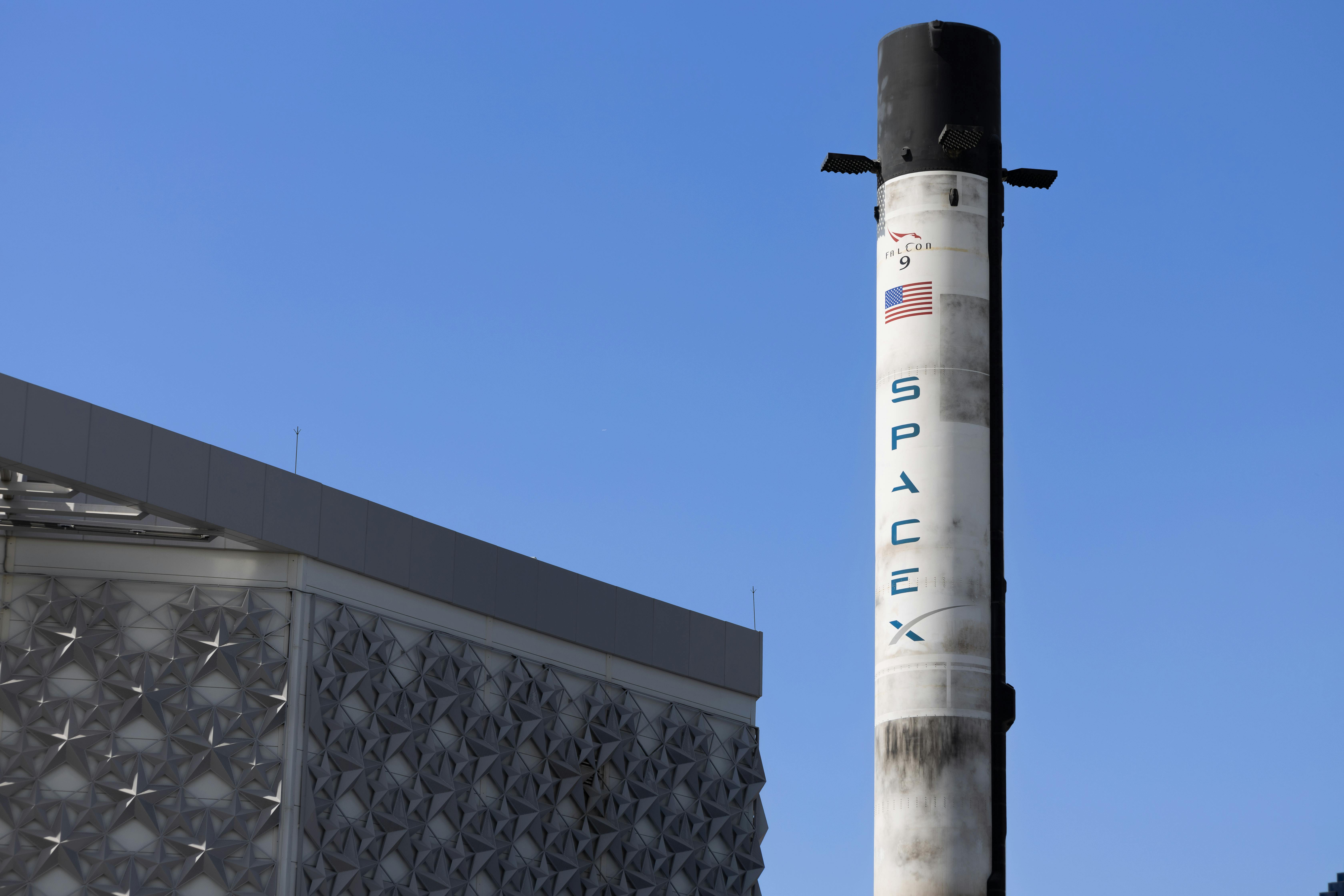
SpaceX successfully launches two rideshare missions to mid-inclination orbits, expanding their satellite deployment capabilities.

SpaceX advances with new Starship engine tests and celebrates a festive launch at Vandenberg. Jared Isaacman's NASA nomination brings excitement and scrutiny.

SpaceX secures environmental approval for Starship launches at SLC-37 while Castelion, a company founded by SpaceX veterans, raises $350 million for hypersonic missile production.
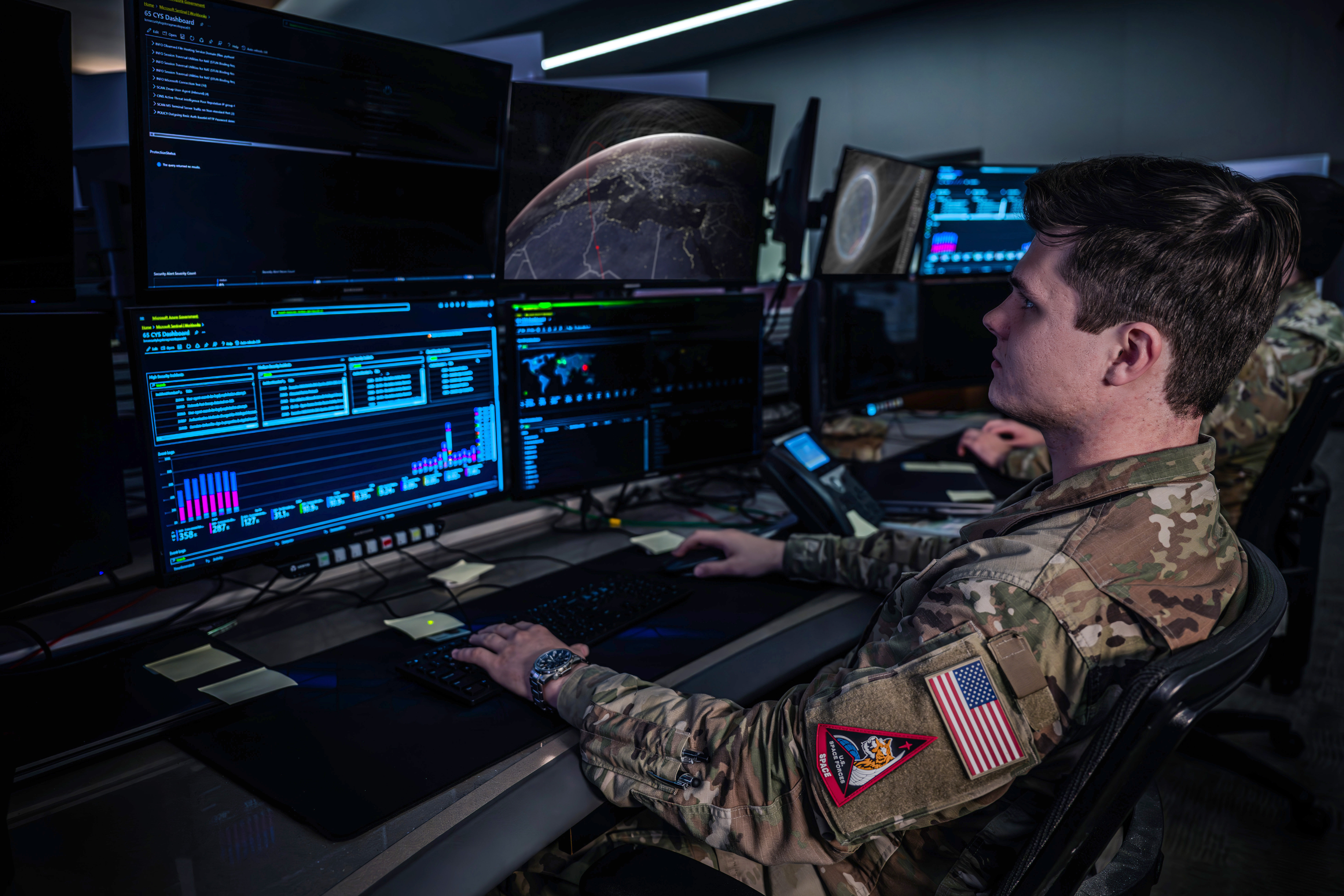
China confirms first one-year human spaceflight and Pakistani astronaut for Tiangong. Air Force develops X-68A missile-launching drone. Poland unveils $51B defense spending plan.
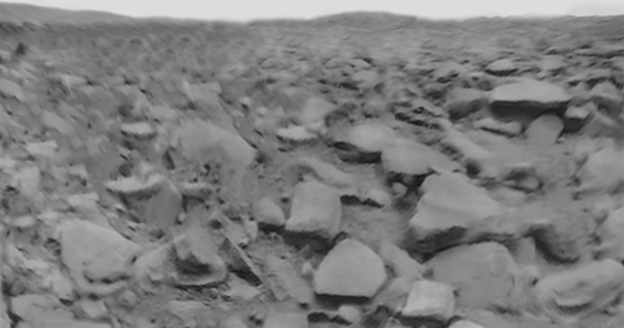
On December 15, 1970, a battered Soviet probe accomplished something no spacecraft had done before - it survived landing on another world and lived to tell about it.