


Space Brief 3 Dec 2025
Today's brief covers the integration of commercial and military space capabilities, a notable change in Crew 12 mission, advancements in digital training for space operations, and more.



Launch Date
August 6, 2024
Launch Site
TAISC
Launch Pad
TYSC -
Launch Vehicle
Chang Zheng 6A
NORAD ID
60744
International Designator
2024-140EB
Decay Date
8/25/2024
Name
CZ-6A DEB
Alternative Name
deb CZ-6A Y21
Type
Status
Owner
CNSA
Country
China
Constellation
N/A
Related Satellites
Major Events
N/A
Length
0
Diameter
0
Span
0
Dry Mass
0
Launch Mass
0
Shape
N/A
Radar Cross Section
Unknown
Visual Magnitude
Unknown
Color
Unknown
Material Composition
Unknown
Payload
Unknown
Purpose
Unknown
Mission
Unknown
Manufacturer
SAST
Life Expectancy
Unknown
Bus
Unknown
Configuration
Unknown
Motor
Unknown
Equipment
Unknown
Power System
Unknown
ADCS
Unknown
Transmitter Frequency
Unknown
Learn more about satellites and other related topics.
Today's brief covers the integration of commercial and military space capabilities, a notable change in Crew 12 mission, advancements in digital training for space operations, and more.
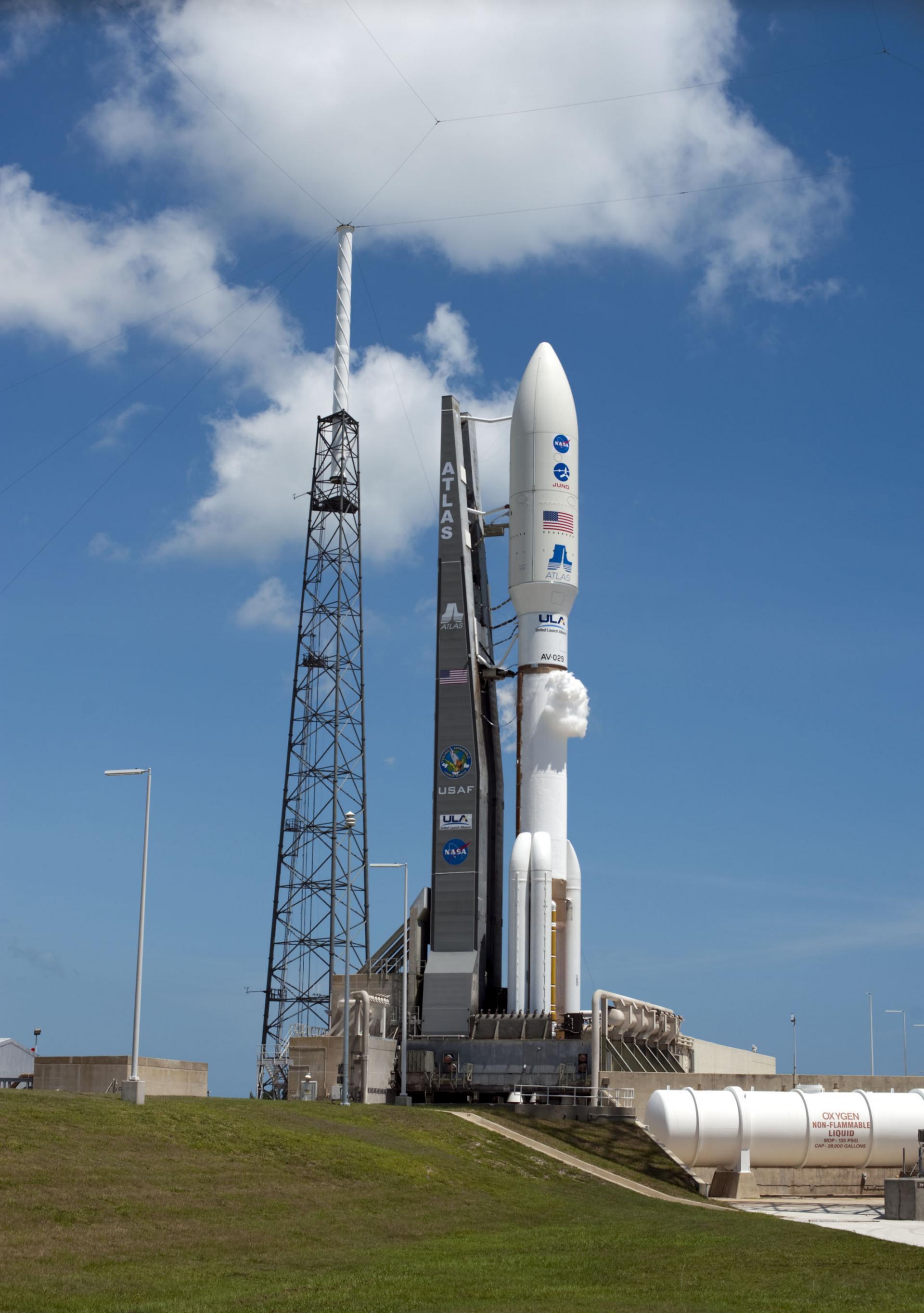
Today's brief covers closer military and intelligence space integration, new satellite servicing advancements, and more insightful defense and space news.
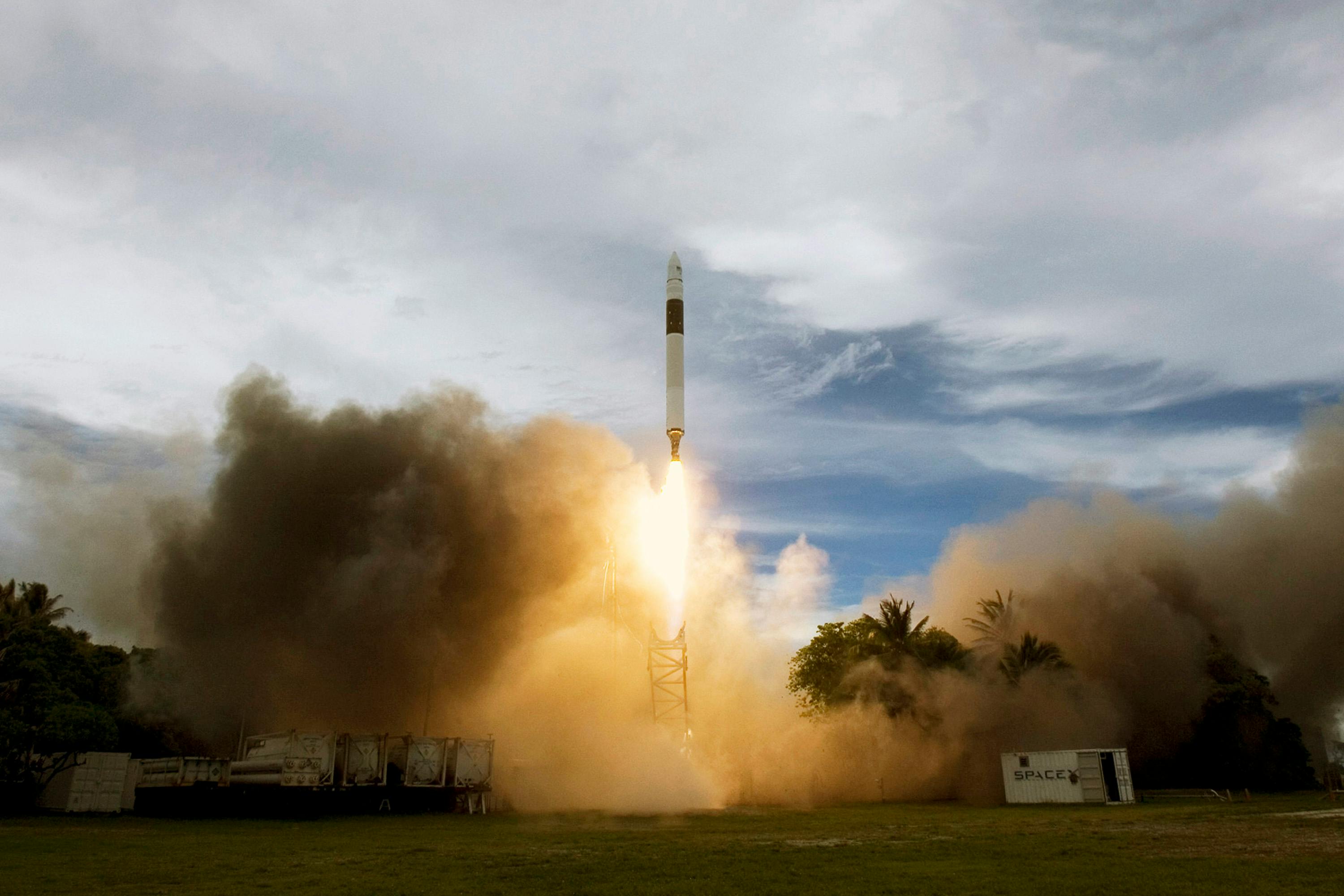
SpaceX successfully launched 28 Starlink satellites while EchoStar enhances its stake in the company through a $2.6 billion spectrum deal, amid growing demands for space domain awareness.

SpaceX Falcon 9 booster B1067 set for 36th flight Thursday with Starlink 10-42 mission from Cape Canaveral. Long March 10B debuts Friday in China.

Starship Flight 7 scheduled for Jan 13, SpaceX sets Falcon 9 record, and NRO expands spy satellite constellation.

SpaceX marks a successful launch of 21 Starlink satellites, follows up after Starship explosion, and influences Qantas flights amid a busy operational schedule.

Today's focus: Sidus Space's new AI edge computer, Space Force's dynamic operations initiative, and key Pentagon acquisition reforms.
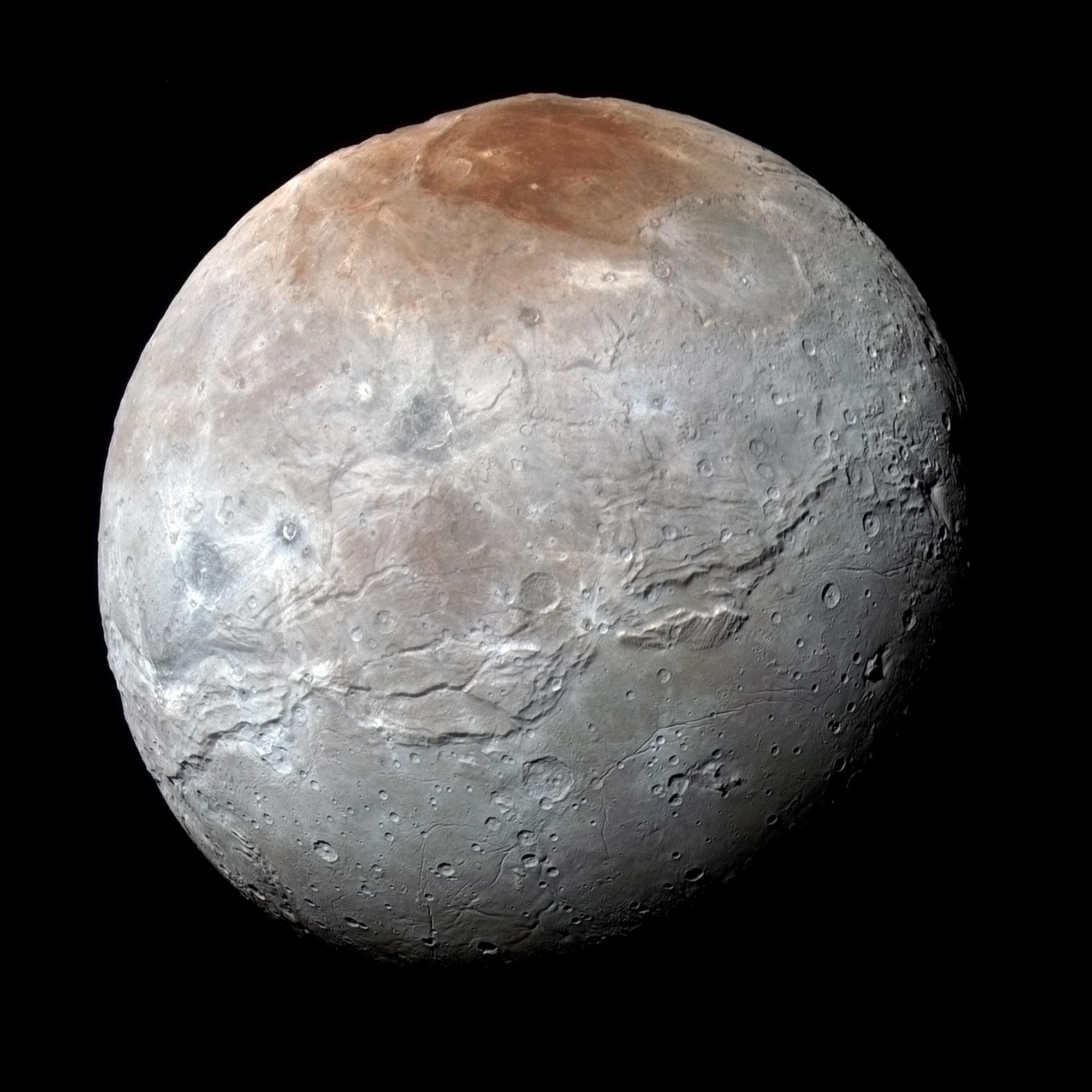
On 22 June 1978, an astronomer at the U.S. Naval Observatory looked at photographic plates that had been stamped 'image defective' and noticed a small bump on the side of Pluto. The bump was a moon, and finding it finally let astronomers weigh a planet that had fooled them for half a century.