


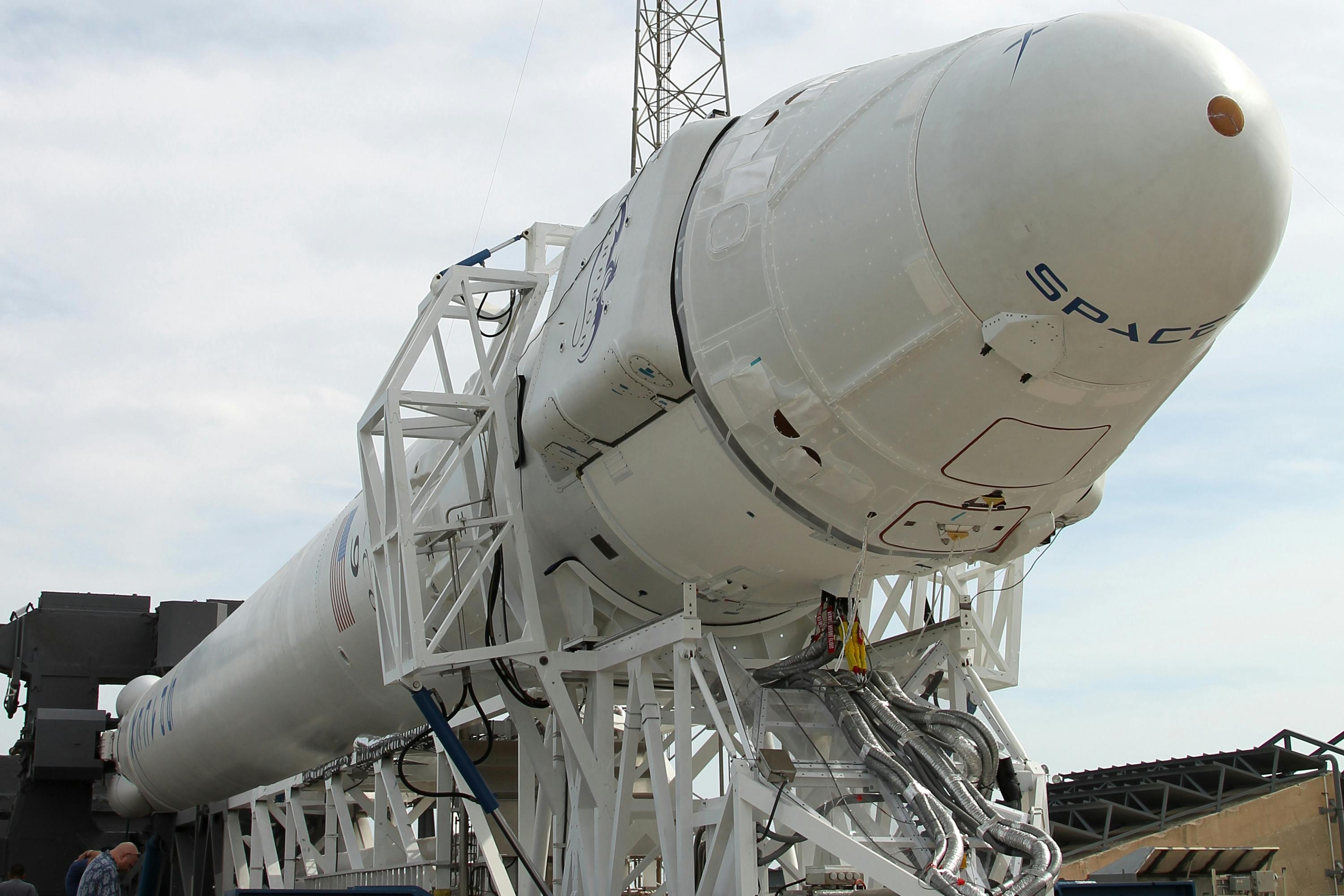
X Report 8 Jan 2025
SpaceX sets sights on new frontiers with the imminent Starlink launch and upcoming Blue Ghost moon lander mission.


![STARLINK-11266 [DTC] Satellite Image](/images/sat/starlink.jpg)
Launch Date
August 28, 2024
Launch Site
Launch Pad
LC40
Launch Vehicle
NORAD ID
60732
International Designator
2024-152N
Epoch
Sun, 19 Jul 2026 09:08:40 GMT
Apogee
Calculating...
Perigee
Calculating...
Inclination
53.16°
Right Ascension
186.69°
Eccentricity
Calculating...
Argument of Perigee
74.83°
Period
91.74 min
Mean Motion
15.70 rev/day
Latitude
Calculating...
Longitude
Calculating...
Altitude
Calculating...
Velocity
Calculating...
Name
STARLINK-11266 [DTC]
Alternative Name
Starlink 11266
Type
Status
Owner
SPXS
Country
United States
Constellation
N/A
Related Satellites
Major Events
N/A
1 60732U 24152N 26200.38102594 .00000642 00000+0 10161-4 0 9998
2 60732 53.1589 186.6884 0001123 74.8280 285.2862 15.69707095109527
Source: Celestrak
Length
0.3
Diameter
4.1
Span
29
Dry Mass
700
Launch Mass
730
Shape
Box + pan
Radar Cross Section
Unknown
Visual Magnitude
Unknown
Color
Unknown
Material Composition
Unknown
Payload
Starlink Group 8-6-13
Purpose
Communication
Mission
Communication
Manufacturer
SPXS
Life Expectancy
Unknown
Bus
Starlink V2M
Configuration
Starlink v2 Mini
Motor
Argon ion thrusters
Equipment
D2C payload, optical inter-satellite link
Power System
Solar arrays, batteries
ADCS
Unknown
Transmitter Frequency
Unknown
Learn more about satellites and other related topics.
SpaceX sets sights on new frontiers with the imminent Starlink launch and upcoming Blue Ghost moon lander mission.
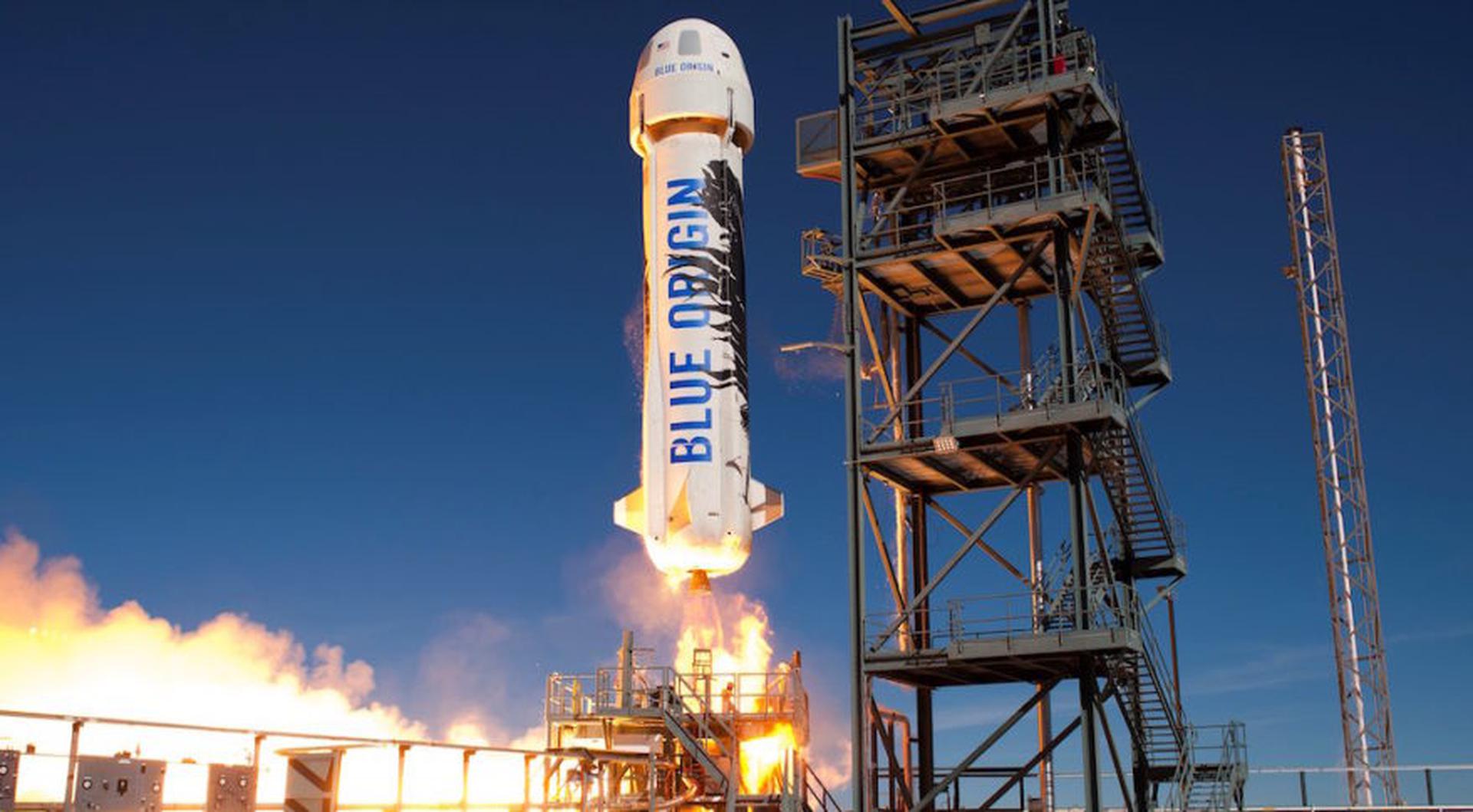
China launches Yaogan spacecraft into unusual orbit and Guowang constellation satellites to start 2026. NASA and DOE plan lunar nuclear reactor by 2030. Space Force switches GPS launch rocket.

Falcon Heavy flew for the first time in eighteen months on April 29, 2026, expending its center core to push Viasat's final ViaSat-3 satellite toward geostationary orbit. The mission is a flagship rocket doing what only it can still do, for an operator betting six tons of high-throughput hardware on a market Starlink is rapidly redefining.
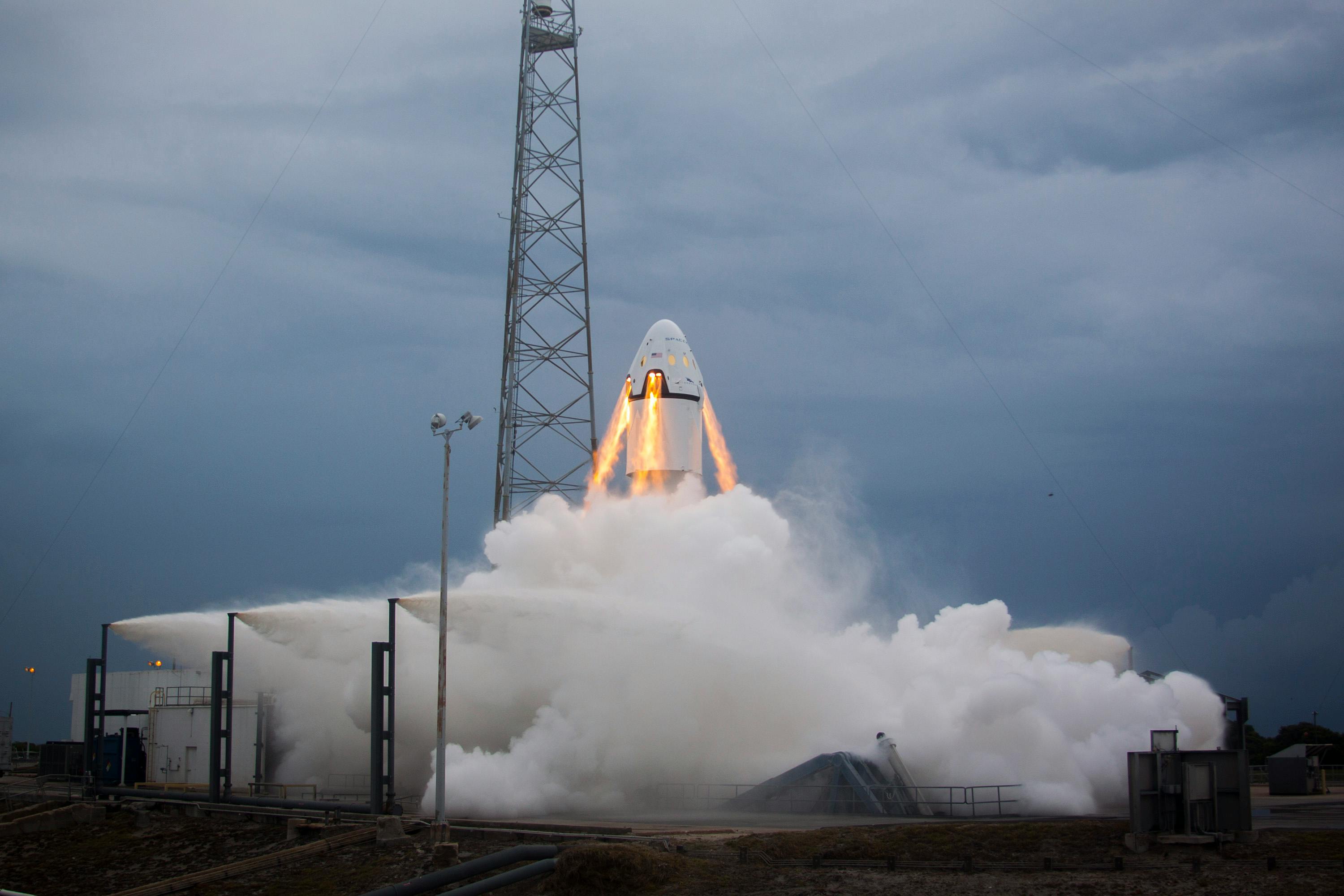
Exciting advancements from SpaceX's Fram2 mission and the pivotal role of biotech in space exploration.

Today's brief highlights the maiden flight of Blue Origin's Blue Ring spacecraft with a new AI-driven space sensor, debates on asteroid defense responsibilities, and updates on the U.S. Space Force's missile shield leadership.
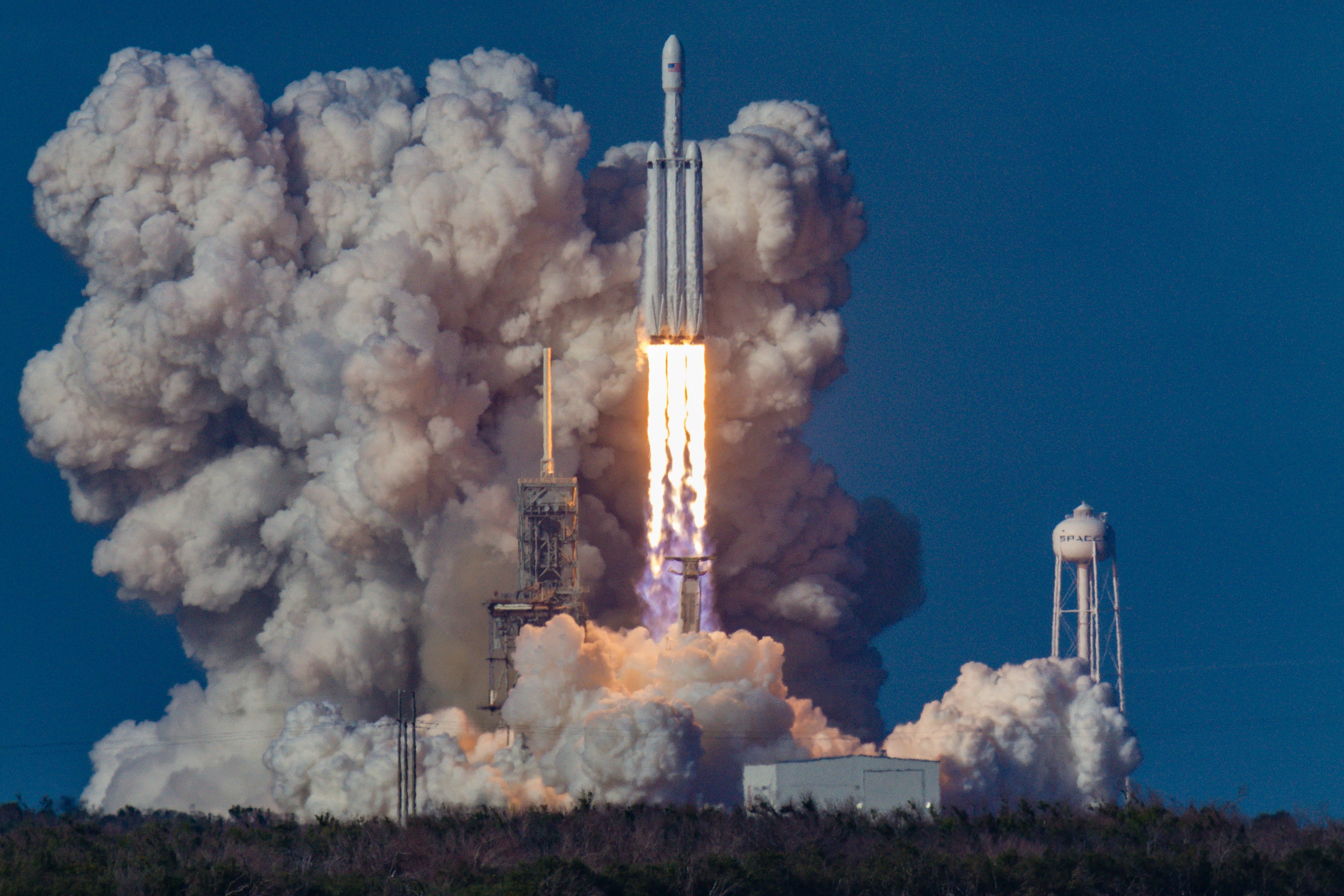
SpaceX successfully launched 28 Starlink satellites from Florida, continuing its momentum in expanding global internet coverage.

Today's Space Brief covers China's Haiyang-4 satellite launch, Intuitive Machines' Artemis infrastructure proposals, deployment of the GREMLIN sensor suite, and more.

SpaceX hits a new milestone with 400 rocket landings, beta testing begins for Direct-to-Cell Starlink satellites, and more Starlink launches from California.