


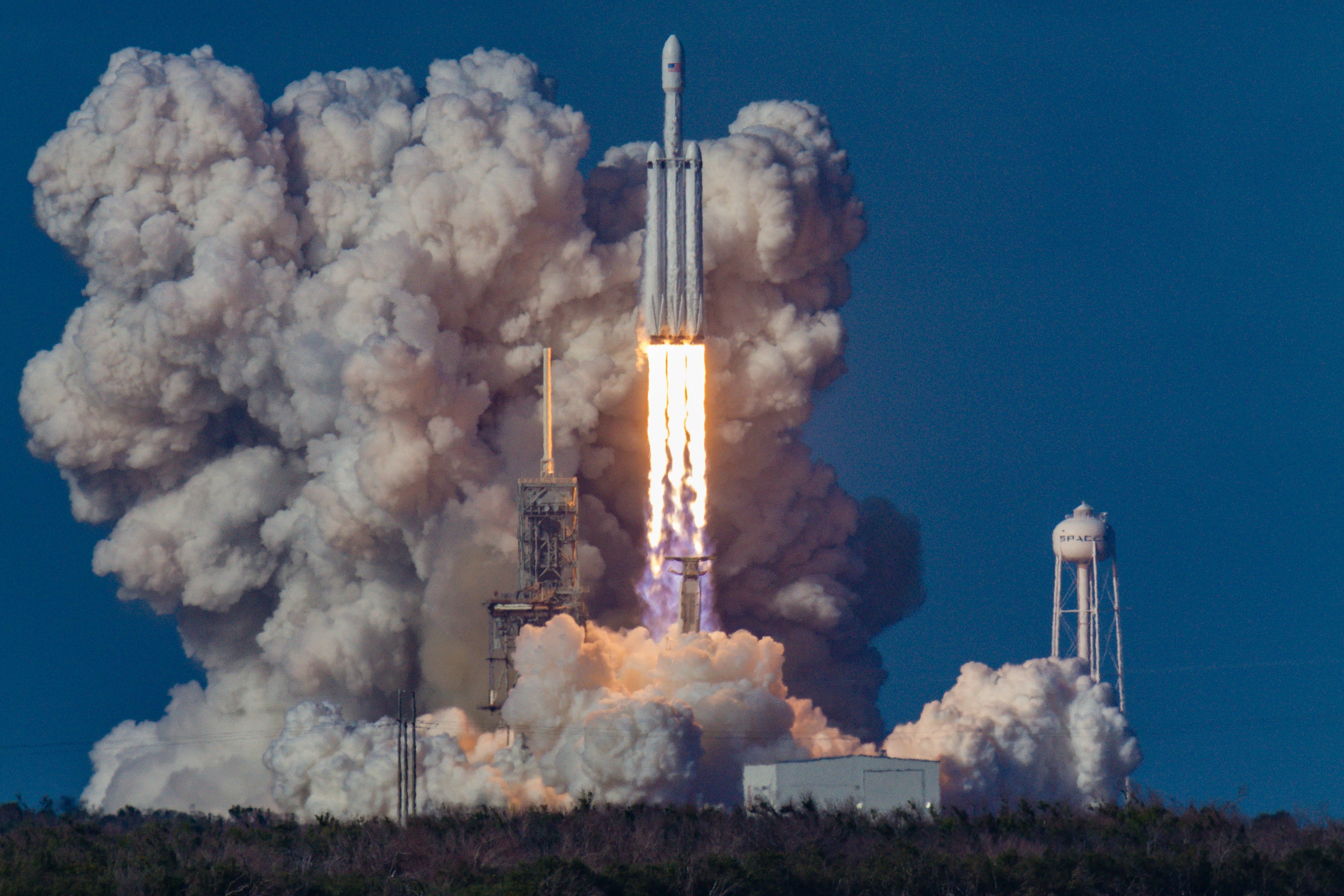
X Report 27 Feb 2025
SpaceX's Falcon 9 rockets propel space exploration and connectivity forward with a moon landing mission, Starlink deployment, and readiness for another Starship launch trial.



Launch Date
August 20, 2024
Launch Site
Launch Pad
LC40
Launch Vehicle
NORAD ID
60598
International Designator
2024-150R
Epoch
Sun, 19 Jul 2026 19:19:40 GMT
Apogee
Calculating...
Perigee
Calculating...
Inclination
53.16°
Right Ascension
53.73°
Eccentricity
Calculating...
Argument of Perigee
81.01°
Period
94.11 min
Mean Motion
15.30 rev/day
Latitude
Calculating...
Longitude
Calculating...
Altitude
Calculating...
Velocity
Calculating...
Name
STARLINK-32208
Alternative Name
Starlink 32208
Type
Status
Owner
SPXS
Country
United States
Constellation
N/A
Related Satellites
Major Events
N/A
1 60598U 24150R 26200.80533139 .00000176 00000+0 18086-4 0 9992
2 60598 53.1607 53.7327 0001245 81.0117 279.1025 15.30195852108261
Source: Celestrak
Length
0.3
Diameter
4.1
Span
29
Dry Mass
700
Launch Mass
730
Shape
Box + pan
Radar Cross Section
Unknown
Visual Magnitude
Unknown
Color
Unknown
Material Composition
Unknown
Payload
Starlink Group 10-5-16
Purpose
Communication
Mission
Communication
Manufacturer
SPXS
Life Expectancy
Unknown
Bus
Starlink V2M
Configuration
Starlink v2 Mini
Motor
Argon ion thrusters
Equipment
Ku/Ka/E-band payload, optical inter-satellite link
Power System
Solar arrays, batteries
ADCS
Unknown
Transmitter Frequency
Unknown
Learn more about satellites and other related topics.
SpaceX's Falcon 9 rockets propel space exploration and connectivity forward with a moon landing mission, Starlink deployment, and readiness for another Starship launch trial.

Notable space events as the year closes: China's record orbital launches, Vandenberg's new launch site, Rocket Lab's achievements, and urgent MAVEN recovery efforts.

Today's briefing covers strategic military developments including missile defense proposals and board realignments, intertwined with rising space defense exports and autonomous launcher progress.
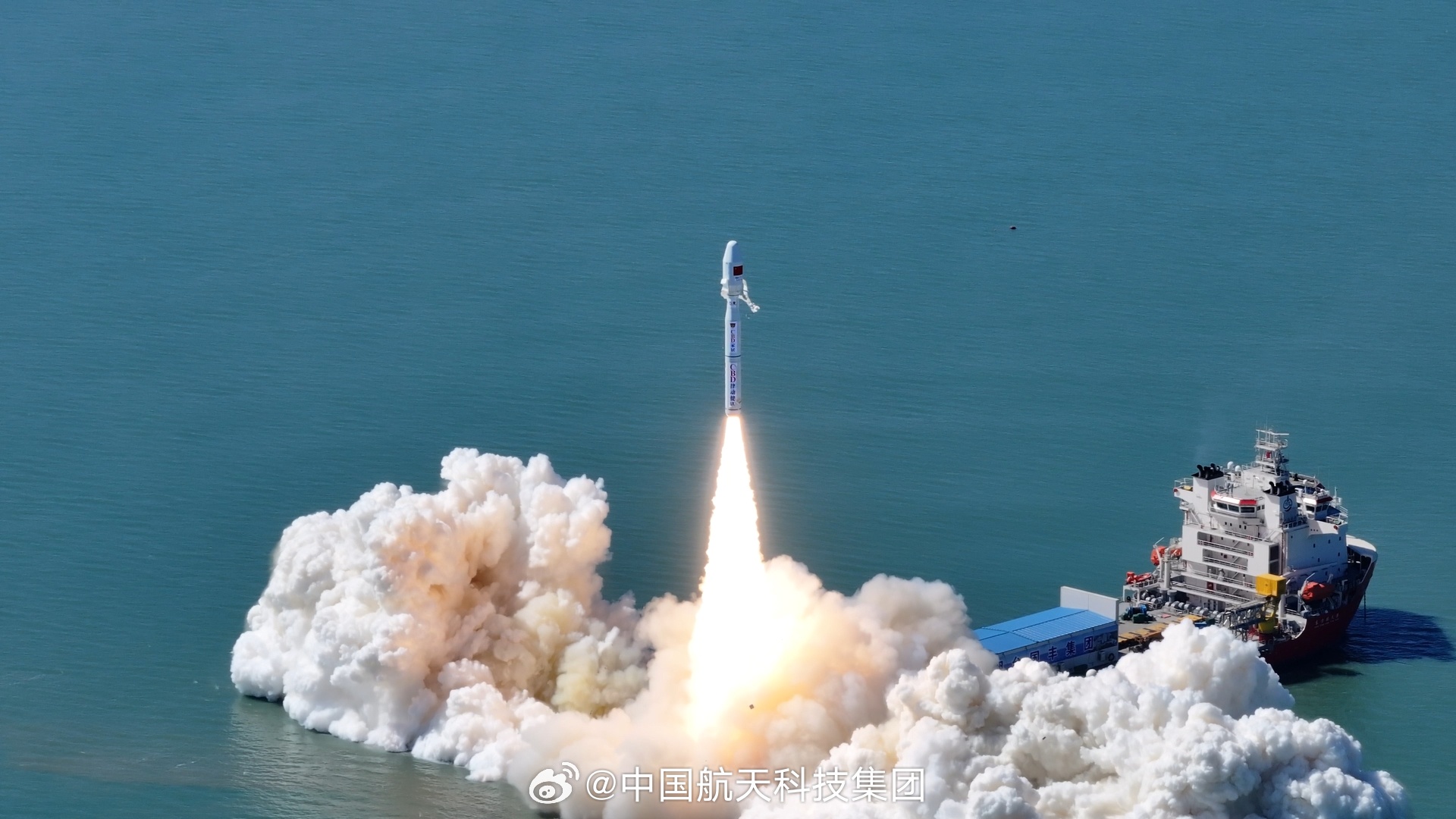
Artemis 2 splashdown marks first crewed lunar flyby since Apollo 17 in 1972. Four astronauts completed historic mission, validating systems for Artemis 3 landing attempt.
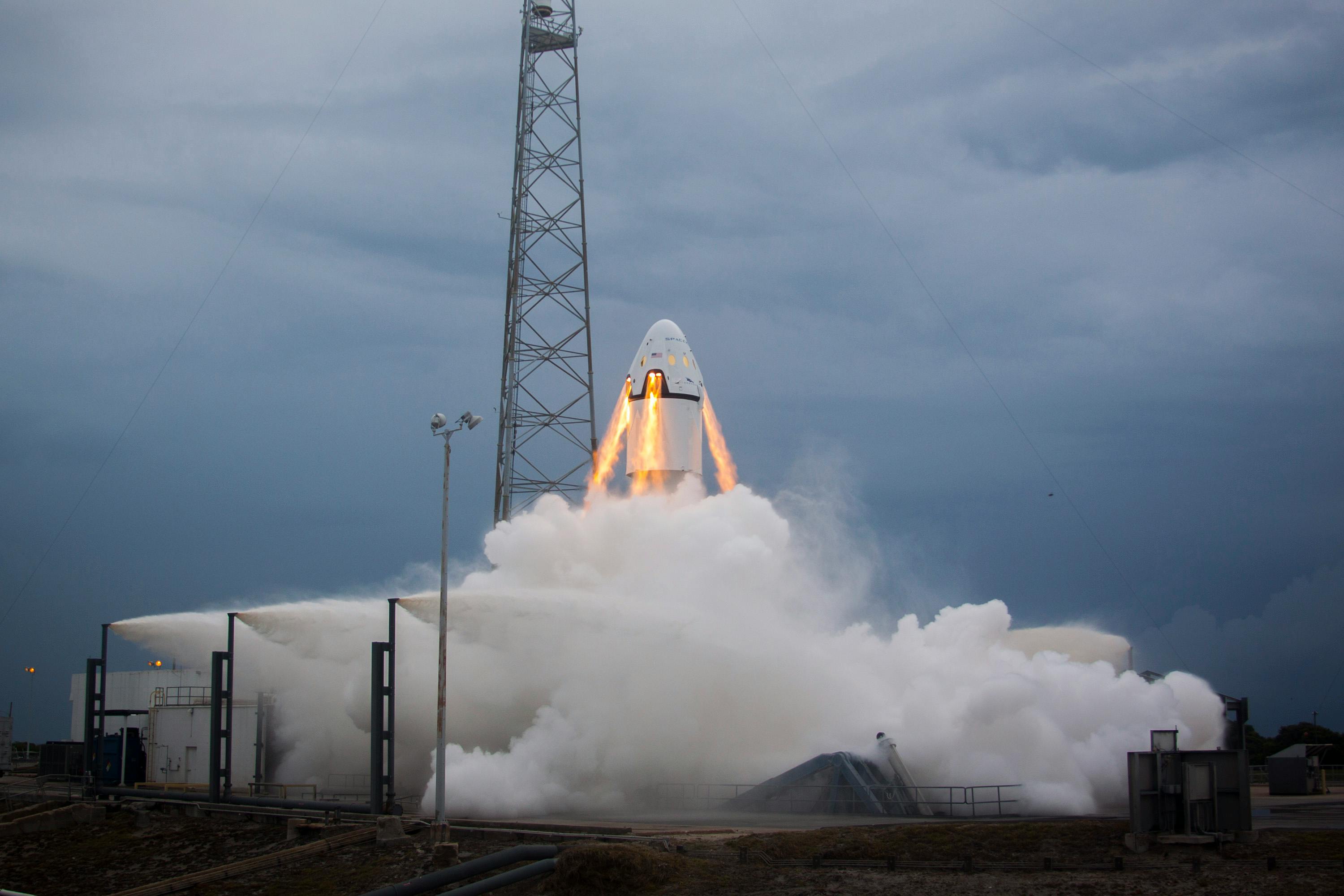
SpaceX targets a $75B IPO valuing the company at over $1.75 trillion, while Falcon 9 chases its 200th drone ship landing at Vandenberg.
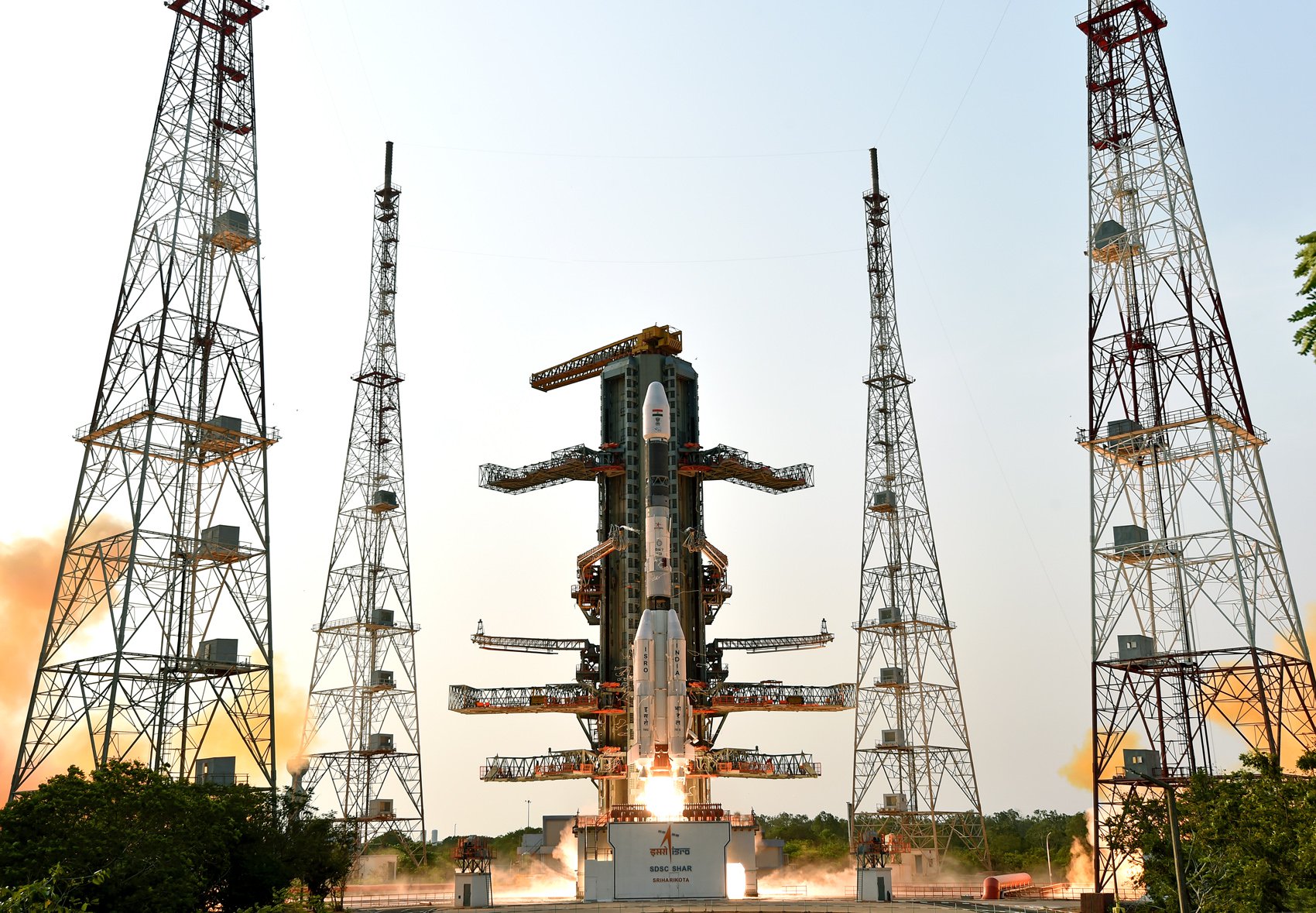
Today's brief covers China's Tianzhou-9 launch to the Tiangong space station, the U.S. Space Force's unfunded MILNET project, and the evolving use of AI in military applications.
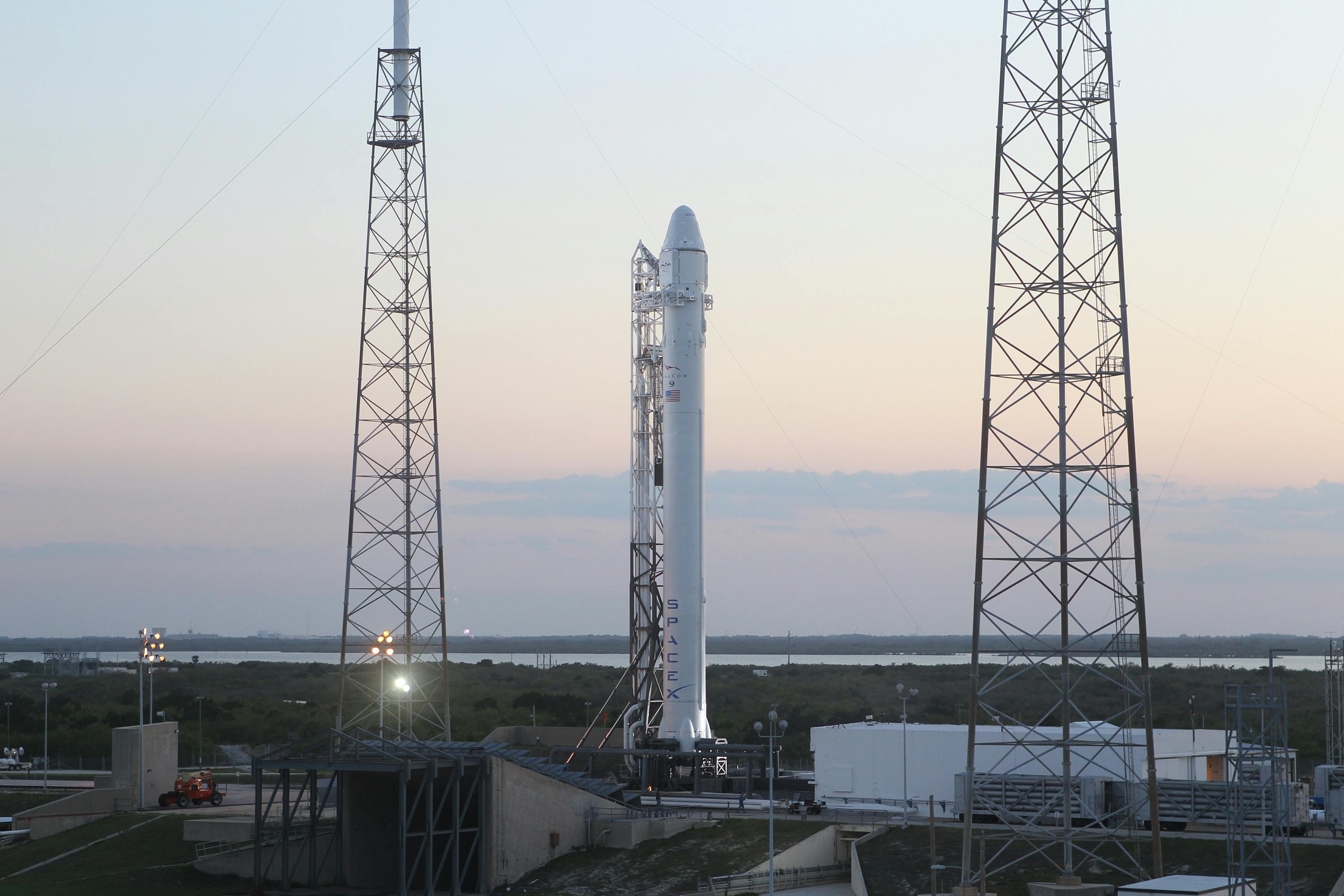
NASA plans first-ever medical evacuation from ISS using SpaceX Crew Dragon for Crew-11 astronaut. Starlink 6-96 mission scrubbed and rescheduled. Starbase Pad 1 tower and launch mount under review.
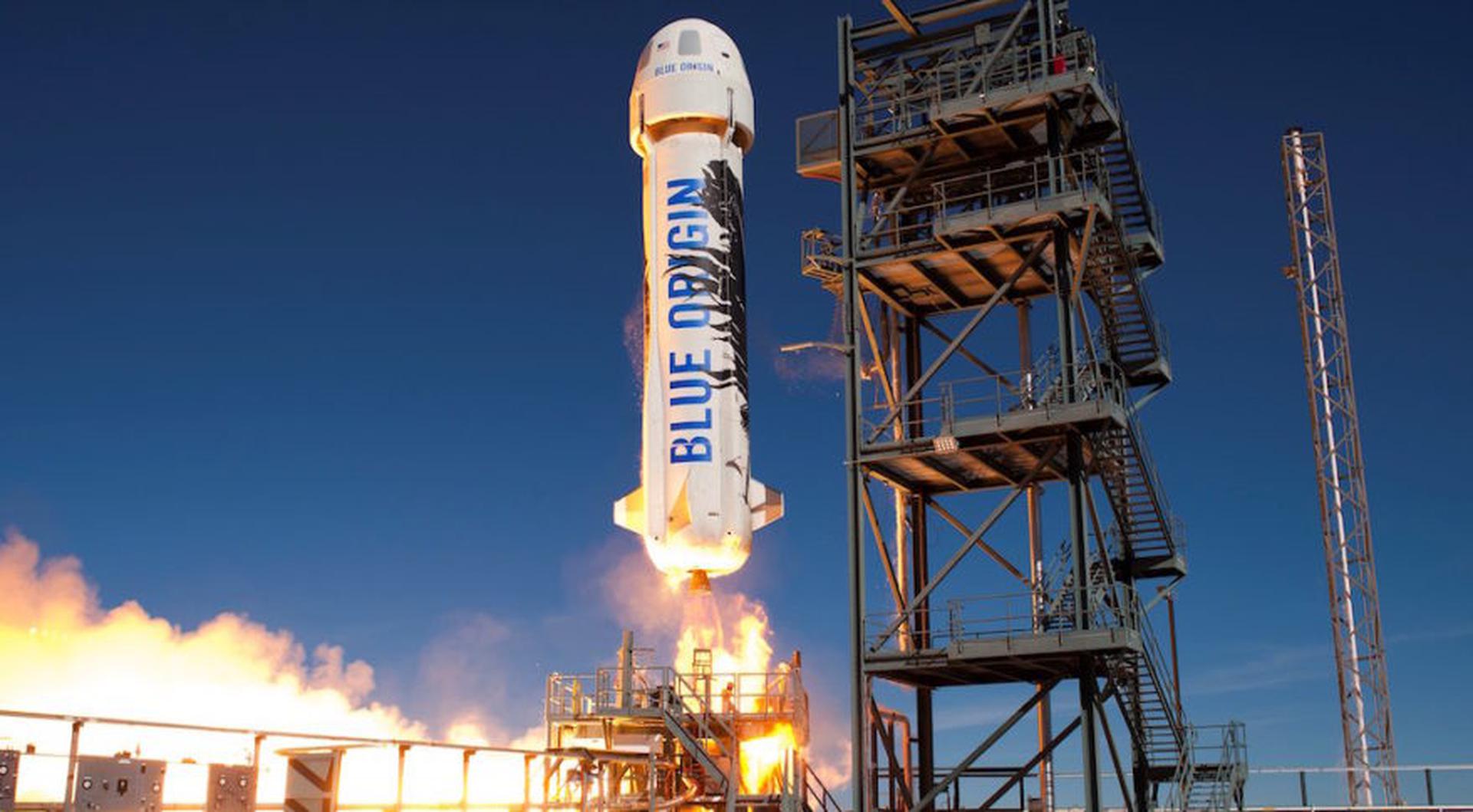
China launches Yaogan spacecraft into unusual orbit and Guowang constellation satellites to start 2026. NASA and DOE plan lunar nuclear reactor by 2030. Space Force switches GPS launch rocket.