


Space Brief 28 Aug 2025
Today's briefing covers collaborations enhancing defense capabilities, new satellite technologies entering the market, and strategic shifts in military satellite applications.



Launch Date
August 20, 2024
Launch Site
Launch Pad
LC40
Launch Vehicle
NORAD ID
60583
International Designator
2024-150A
Epoch
Sun, 19 Jul 2026 20:30:01 GMT
Apogee
Calculating...
Perigee
Calculating...
Inclination
53.16°
Right Ascension
51.92°
Eccentricity
Calculating...
Argument of Perigee
95.11°
Period
94.01 min
Mean Motion
15.32 rev/day
Latitude
Calculating...
Longitude
Calculating...
Altitude
Calculating...
Velocity
Calculating...
Name
STARLINK-31844
Alternative Name
Starlink 31844
Type
Status
Owner
SPXS
Country
United States
Constellation
N/A
Related Satellites
Major Events
N/A
1 60583U 24150A 26200.85418536 -.00000221 00000+0 46609-5 0 9999
2 60583 53.1612 51.9155 0001469 95.1130 265.0039 15.31701337108293
Source: Celestrak
Length
0.3
Diameter
4.1
Span
29
Dry Mass
700
Launch Mass
730
Shape
Box + pan
Radar Cross Section
Unknown
Visual Magnitude
Unknown
Color
Unknown
Material Composition
Unknown
Payload
Starlink Group 10-5-01
Purpose
Communication
Mission
Communication
Manufacturer
SPXS
Life Expectancy
Unknown
Bus
Starlink V2M
Configuration
Starlink v2 Mini
Motor
Argon ion thrusters
Equipment
Ku/Ka/E-band payload, optical inter-satellite link
Power System
Solar arrays, batteries
ADCS
Unknown
Transmitter Frequency
Unknown
Learn more about satellites and other related topics.
Today's briefing covers collaborations enhancing defense capabilities, new satellite technologies entering the market, and strategic shifts in military satellite applications.
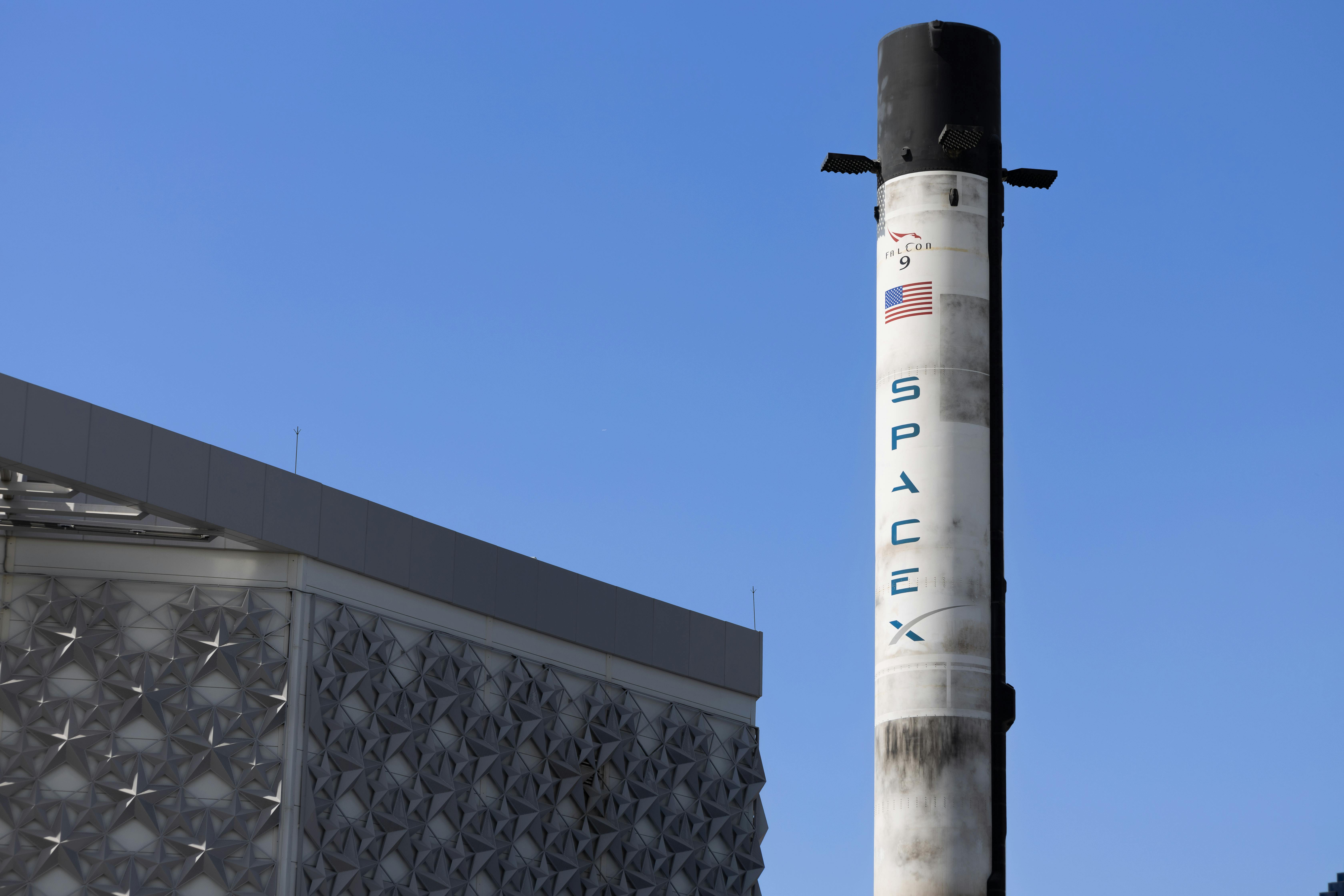
SpaceX faces regulatory review for Bahamian rocket landings, positions itself for a major government contract, and a new Star Wars Lego set adds to the fun!
China successfully recovered a Long March 10C first stage booster, positioning the methalox rocket as its primary commercial launcher. Reusable boosters reshape Beijing's LEO constellation strategy.

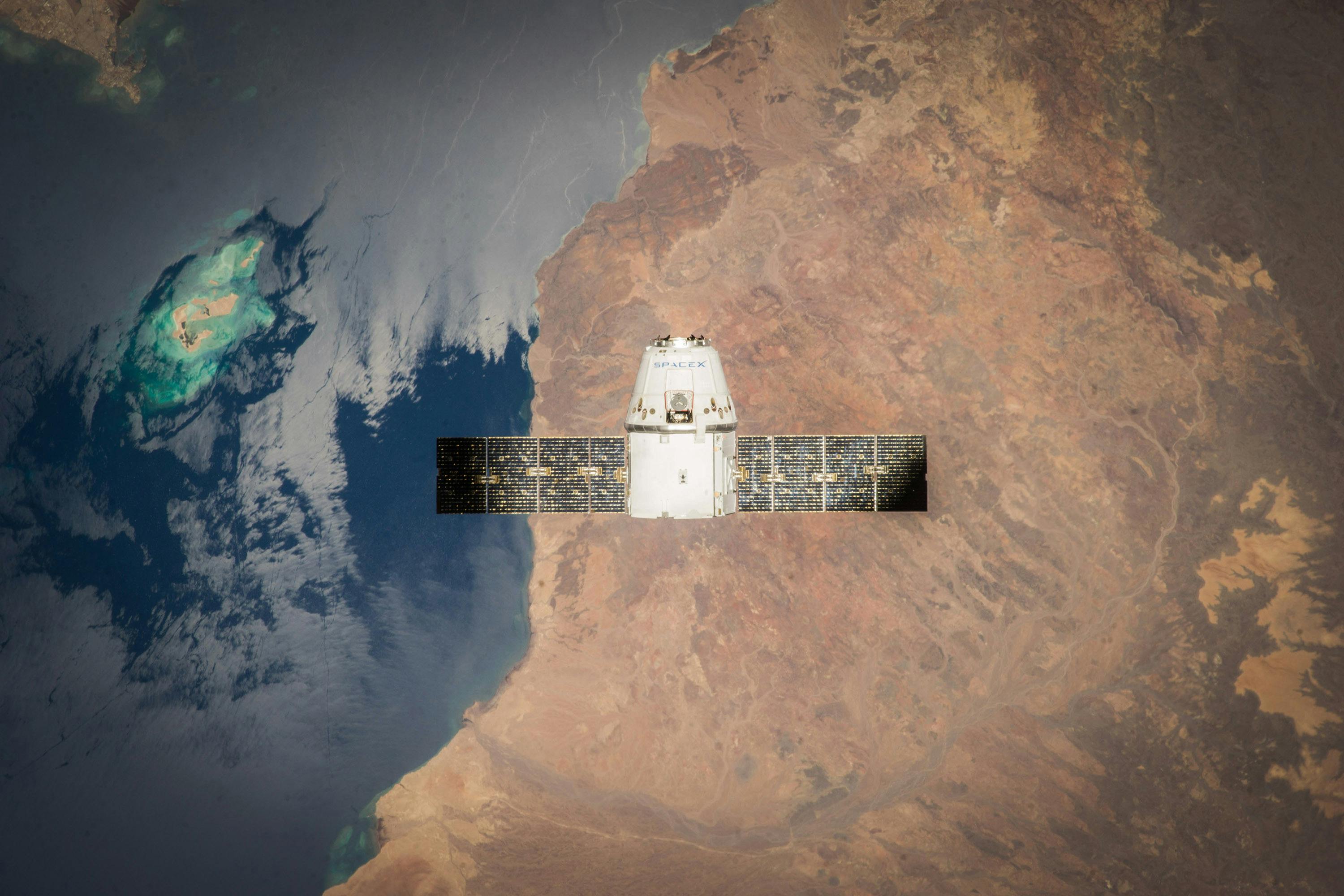
Today's brief covers the first astronaut with a disability preparing for the ISS mission, SpaceX’s recent Starlink launch, funding breakthroughs for satellite tech company K2 Space, and updates on the Artemis program's challenges.
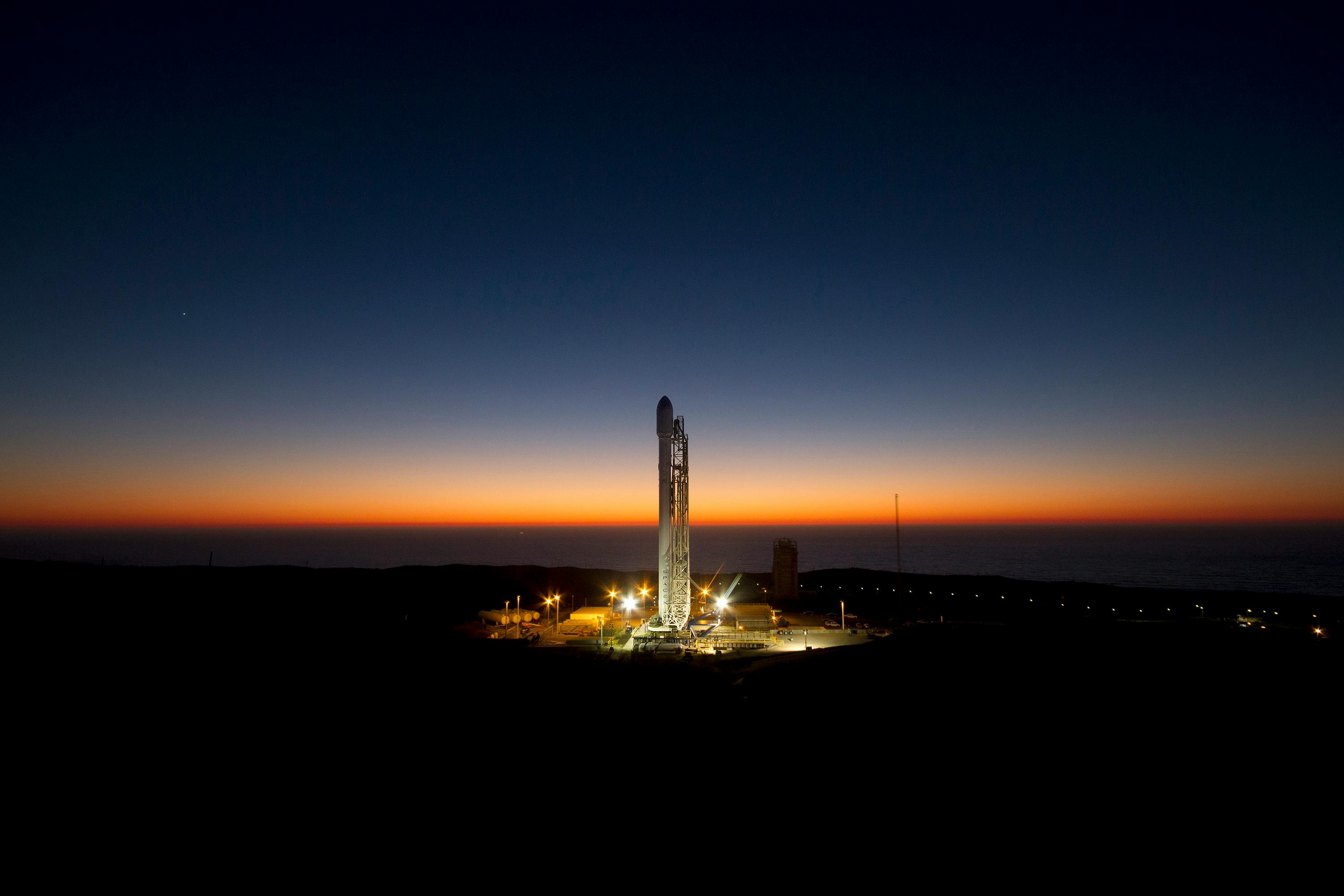
SpaceX readies Starlink 17-20 launch of 25 satellites to polar orbit from Vandenberg pad 4E — seventh Starlink mission of the year. 11,009 total Starlink satellites launched to date.
This week's SpaceX developments include notable upcoming missions, with a Starlink launch on the horizon and Crew Dragon's readiness for the next astronaut mission.

MDA Space acquires Blue Canyon Technologies for $620 million, and NASA's 2028 Aeolus Mars orbiter goes to a California startup instead of SpaceX.
Today's updates cover crucial developments in satellite licensing reforms, defense cybersecurity, and AI integration within government sectors.