

25 Starlinks Lofted from Vandenberg in Latest West Coast Push | KeepTrack X Report
SpaceX launched 25 Starlink satellites from Vandenberg SFB on March 8, growing a constellation now totaling 9,924 active orbital nodes.



Launch Date
July 30, 2024
Launch Site
Launch Pad
Unknown
Launch Vehicle
Unknown
NORAD ID
60582
International Designator
N/A
Decay Date
Unknown
Name
ATLAS 5 CENTAUR DEB
Alternative Name
N/A
Type
Status
Owner
ULAL
Country
United States
Constellation
N/A
Related Satellites
Major Events
N/A
Length
0.0
Diameter
0.0
Span
0.0
Dry Mass
0
Launch Mass
0
Shape
N/A
Radar Cross Section
Unknown
Visual Magnitude
Unknown
Color
Unknown
Material Composition
Unknown
Payload
Unknown
Purpose
Unknown
Mission
Unknown
Manufacturer
ULAD
Life Expectancy
Unknown
Bus
Unknown
Configuration
Unknown
Motor
Unknown
Equipment
Unknown
Power System
Unknown
ADCS
Unknown
Transmitter Frequency
Unknown
Learn more about satellites and other related topics.
SpaceX launched 25 Starlink satellites from Vandenberg SFB on March 8, growing a constellation now totaling 9,924 active orbital nodes.

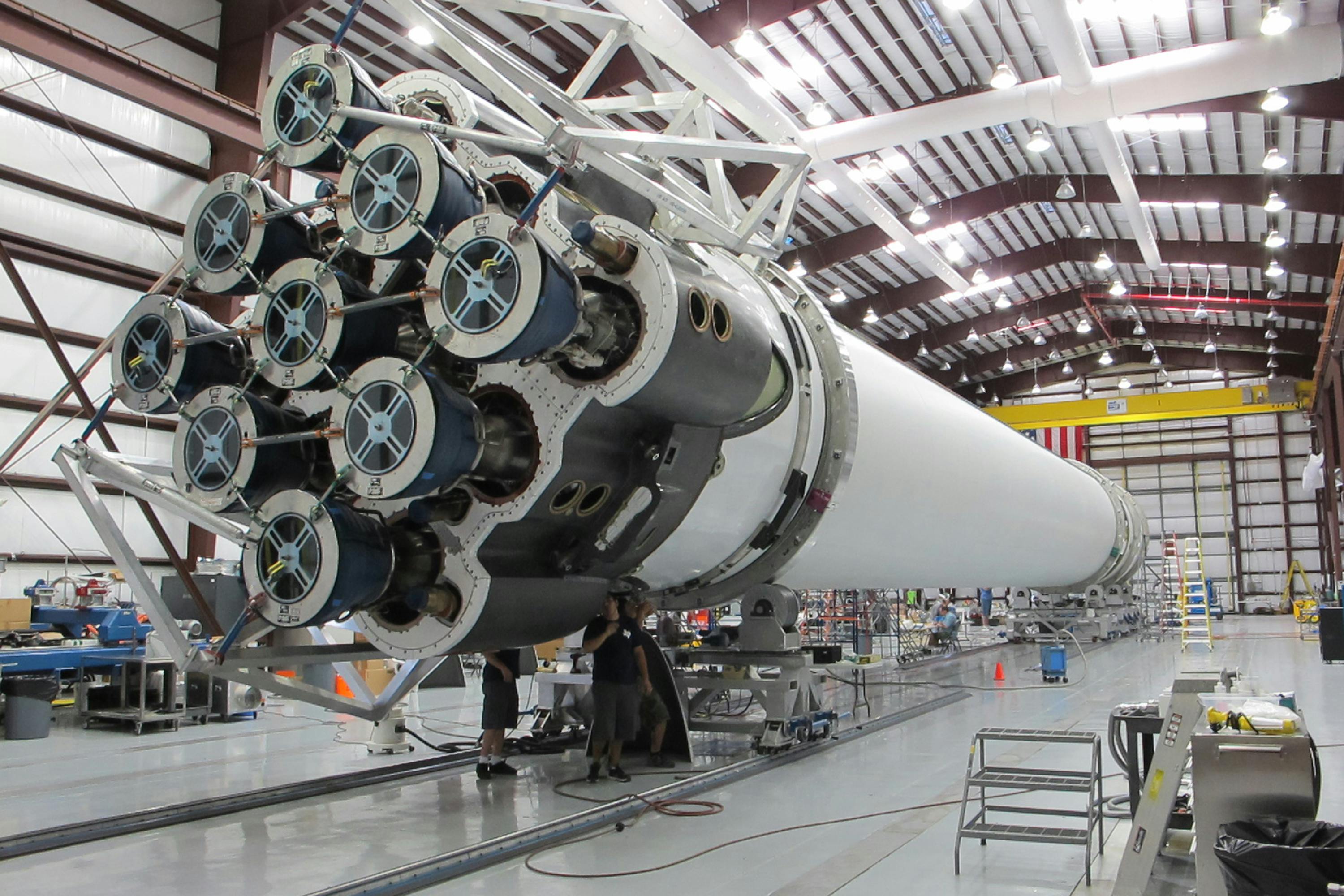
SpaceX secured a $60B option to acquire Cursor AI while launching its 40th Falcon 9 mission of 2026, deploying 24 more Starlink satellites from Vandenberg.
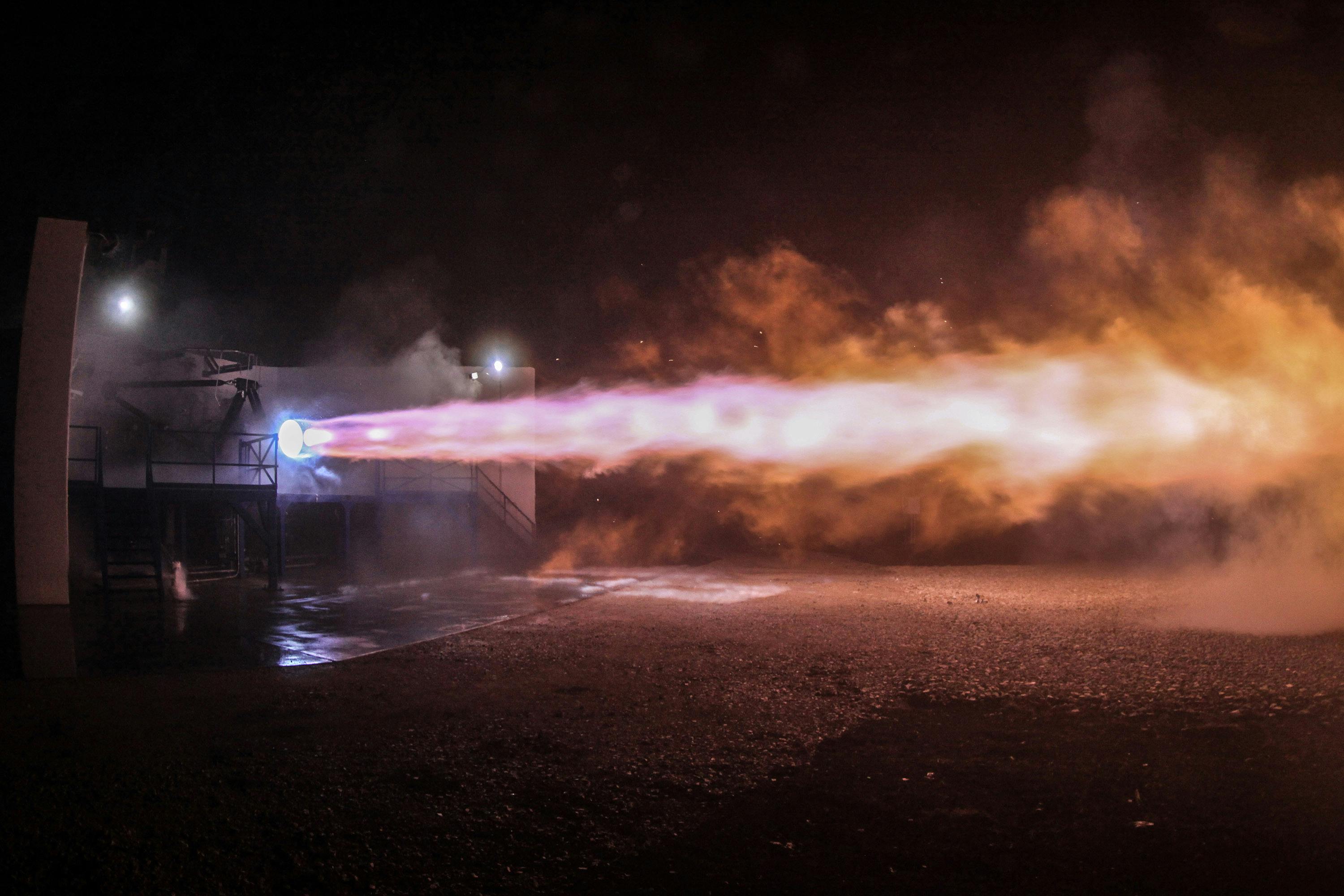
SpaceX has seen a flurry of activity with successful launches, static-fire tests for Starship, and ongoing preparations for future objectives, marking an exciting time for the aerospace company.
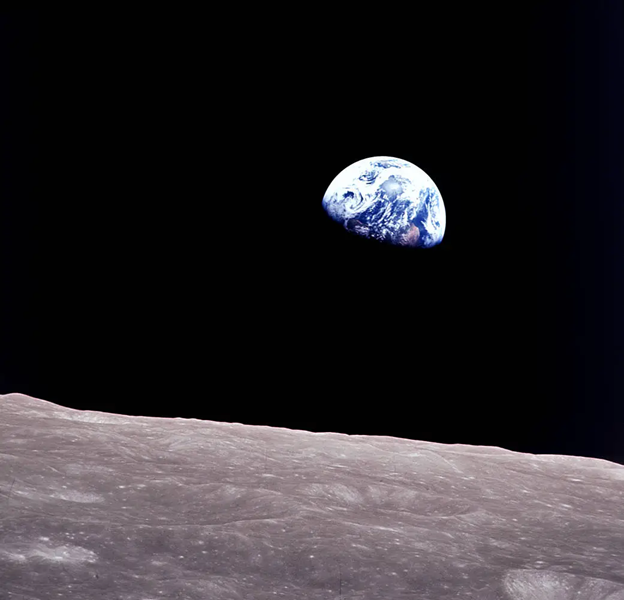
For 56 years, April 22 has been the day the world stops to look at itself. Before that was possible, someone had to invent the view. This is the story of how we first saw Earth from the outside, from a crashed V-2 camera in the New Mexico desert to the Blue Marble that still hangs on classroom walls.
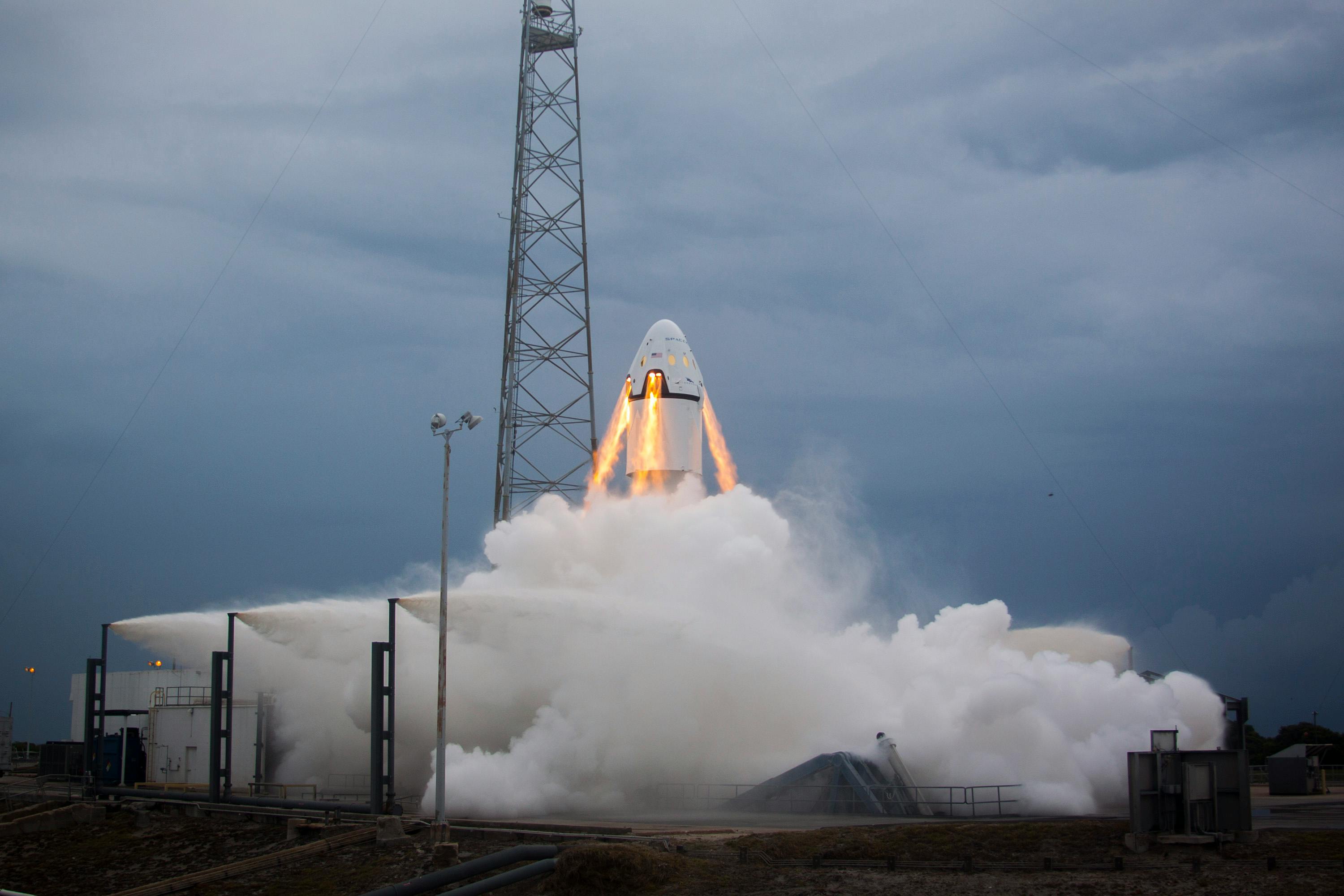
SpaceX secured a $178.5M Space Force contract to launch missile-tracking satellites from 2027, backing the Missile Track Custody threat-tracking layer.
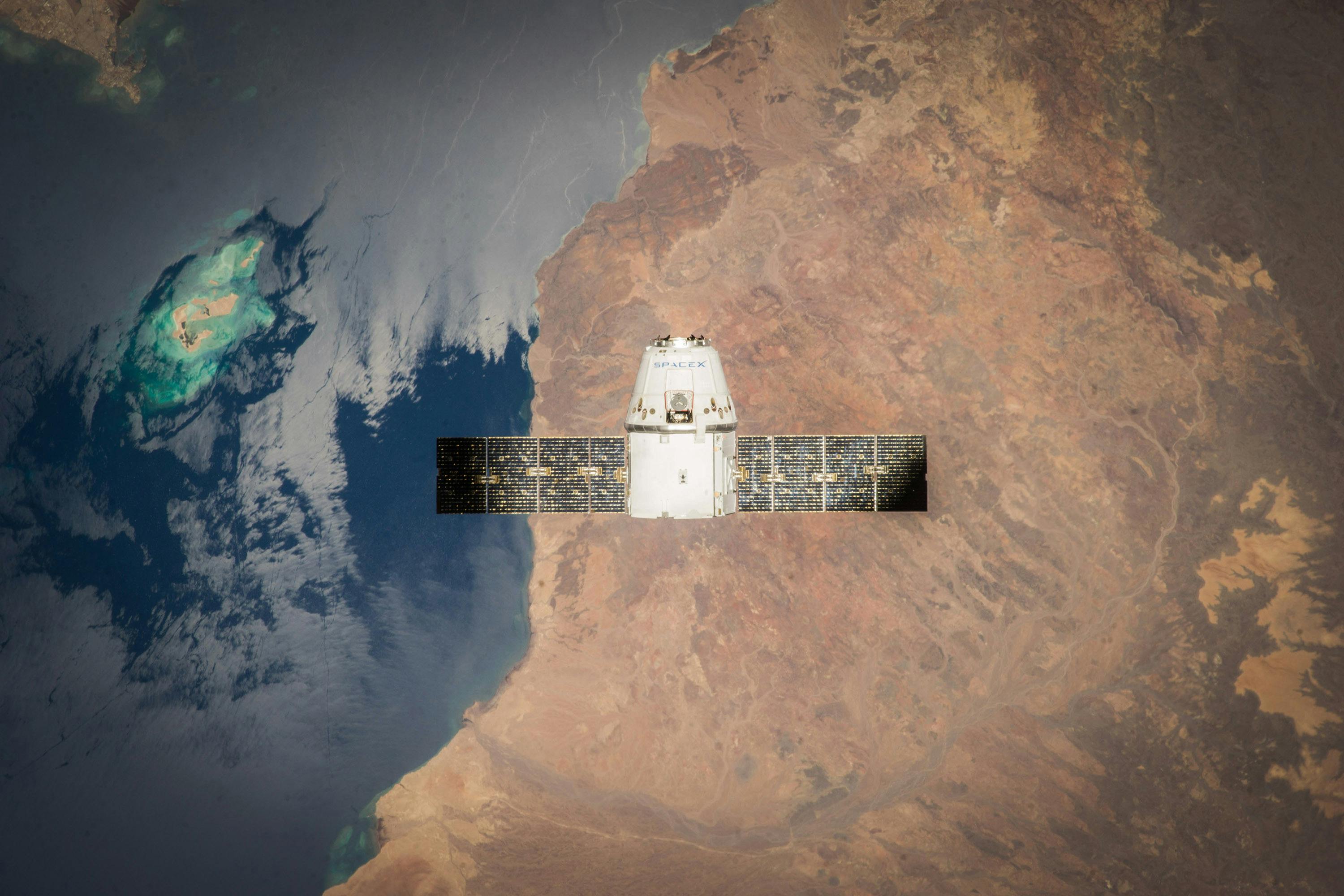
SpaceX continues to push boundaries with the successful launch of 28 Starlink satellites and significant testing preparations for upcoming Crew-11 and Starship missions.
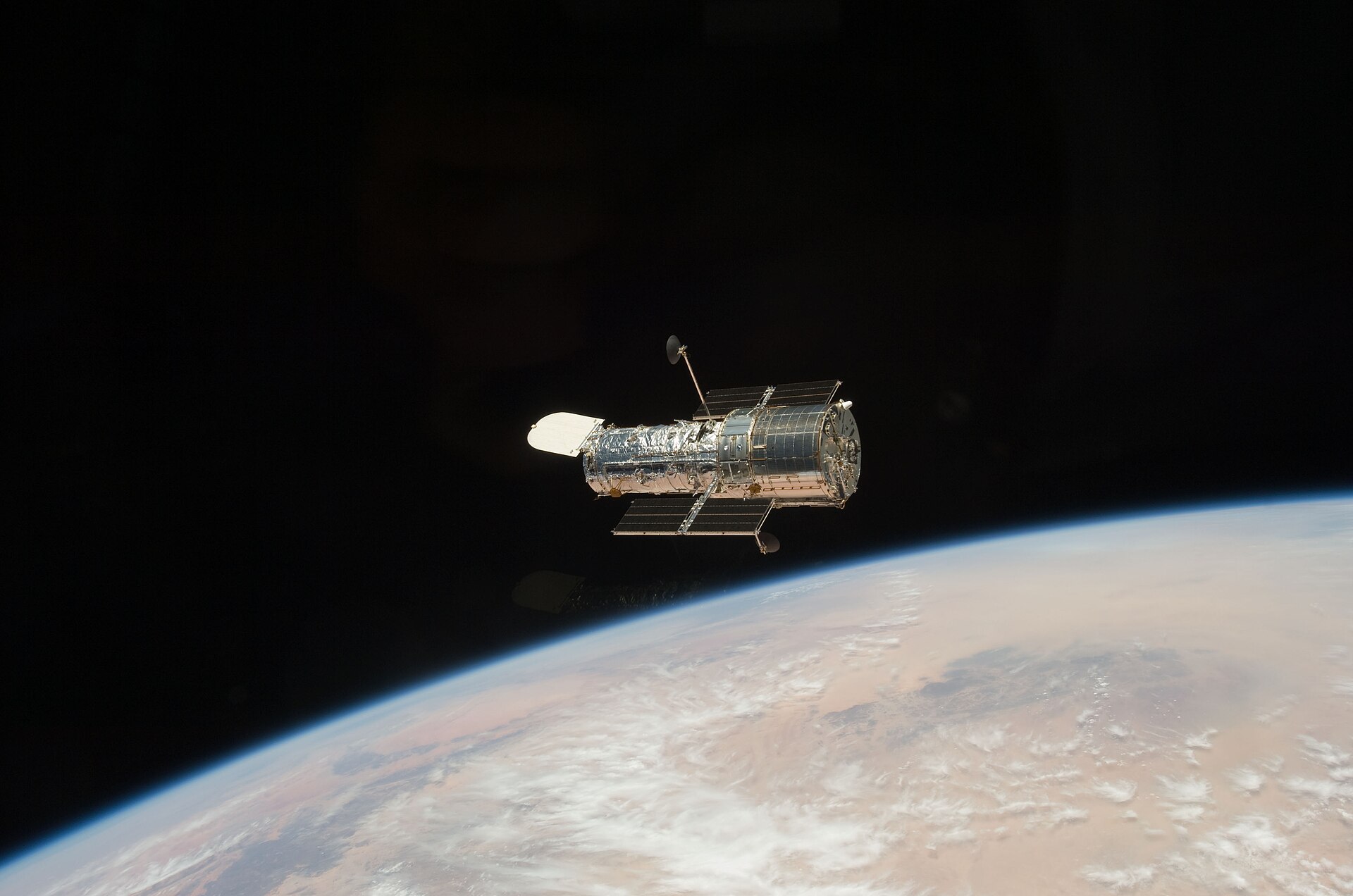
On April 25, 1990, the Space Shuttle Discovery's robotic arm lifted a 11,110-kilogram barrel of mirrors and instruments out of the payload bay and released it into orbit. Six weeks later, the first images came back badly out of focus. The Hubble Space Telescope had been ground to the wrong prescription, and America had just spent $2.5 billion on what the press was calling a 'technoturkey.'

Space Force shifts GPS III satellite launch from ULA's Vulcan to SpaceX Falcon 9 due to persistent solid rocket booster issues. Critical navigation asset reassignment signals operational consequences.