STARLINK-32249 (60444)

COSPAR: 2024-144V | Alt Name: Starlink 32249

Image
STARLINK-32249 Satellite Image
Additional Sources
Launch Details

Launch Date

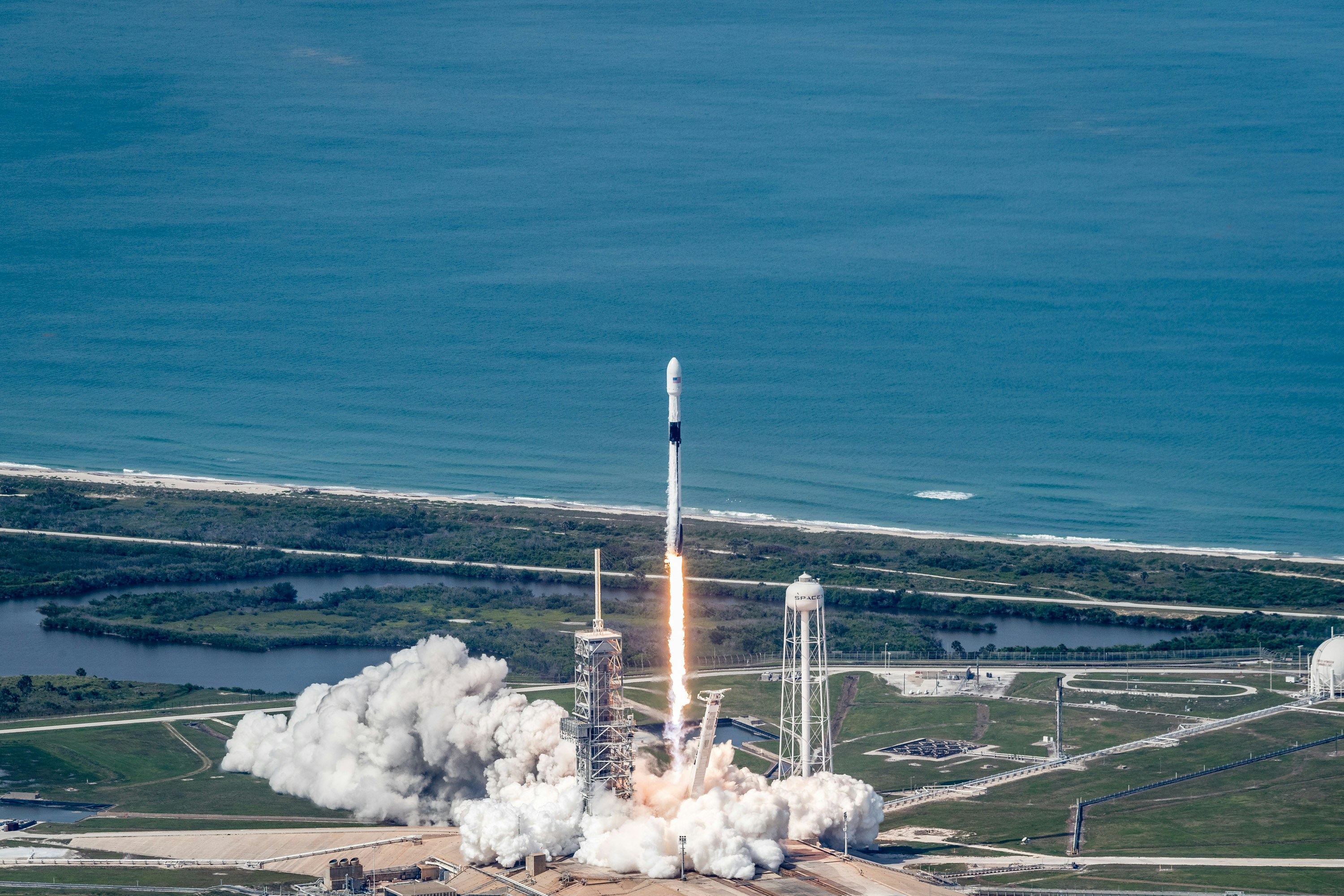
August 12, 2024

Launch Pad

LC39A

Launch Vehicle

Falcon 9

Orbital Elements

NORAD ID

60444

International Designator

2024-144V

Epoch

Sun, 19 Jul 2026 17:56:50 GMT

Apogee

Calculating...

Perigee

Calculating...

Inclination

53.16°

Right Ascension

321.20°

Eccentricity

Calculating...

Argument of Perigee

85.27°

Period

93.85 min

Mean Motion

15.34 rev/day

Latitude

Calculating...

Longitude

Calculating...

Altitude

Calculating...

Velocity

Calculating...

Polar Plot
3D Visualization
Basic Satellite Info

Name

STARLINK-32249

Alternative Name

Starlink 32249

Type

Payload

Status

Operational

Owner

SPXS

Country

United States

Constellation

N/A

Related Satellites

Major Events

N/A

Latest TLEs
1 60444U 24144V   26200.74780646  .00000470  00000+0  25023-4 0  9991
2 60444  53.1593 321.1965 0000477  85.2732 274.8325 15.34397395109604

Source: Celestrak

Summary
STARLINK-32249 is a communication satellite belonging to the Starlink v2 Mini configuration and was launched on August 12, 2024, from Launch Complex 39A at AFETR using a Falcon 9 launch vehicle. The spacecraft measures approximately 0.3 meters in length with a diameter of 4.1 meters and spans 29 meters when fully deployed. It has a dry mass of 700 kilograms and was launched with a total mass of 730 kilograms. Equipped with a Ku/Ka/E-band payload, optical inter-satellite link, and Argon ion thrusters for propulsion, the satellite is powered by solar arrays and batteries. The Starlink V2M bus used in this satellite is manufactured by SpaceX (SPXS) and operated as part of the Starlink Group 10-7-20 constellation mission for communication purposes.

Starlink is a satellite constellation developed by SpaceX with the aim of providing global broadband internet coverage. Thousands of small satellites are deployed in low Earth orbit (LEO), enabling high-speed internet access even in remote areas. However, the rapid increase in satellites raises concerns about space debris and the potential for collisions, which can lead to further debris creation and endanger other spacecraft. Additionally, the sheer number of Starlink satellites can affect astronomical observations by increasing light pollution. Proper deorbiting plans and international coordination are essential to mitigate these challenges and ensure long-term sustainability in space.
Physical Characteristics

Length

0.3

Diameter

4.1

Span

29

Dry Mass

700

Launch Mass

730

Shape

Box + pan

Radar Cross Section

Unknown

Visual Magnitude

Unknown

Color

Unknown

Material Composition

Unknown

Technical Details

Payload

Starlink Group 10-7-20

Purpose

Communication

Mission

Communication

Manufacturer

SPXS

Life Expectancy

Unknown

Bus

Starlink V2M

Configuration

Starlink v2 Mini

Motor

Argon ion thrusters

Equipment

Ku/Ka/E-band payload, optical inter-satellite link

Power System

Solar arrays, batteries

ADCS

Unknown

Transmitter Frequency

Unknown

Map
This tool will help you track the satellite's position and predict its upcoming passes over your location. Simply input the coordinates or click the geolocation button to get started.
Next Pass
Azimuth Elevation Time (Local)
Start Azimuth
Max Elevation
Stop Azimuth
Time Until
Pass Duration

Satellite Articles

View All Posts »

Learn more about satellites and other related topics.

SpaceX Launches GPS Satellite in Third Mission Reassigned From ULA | KeepTrack Space Brief

SpaceX Launches GPS Satellite in Third Mission Reassigned From ULA | KeepTrack Space Brief

SpaceX launches GPS satellite for Space Force — third consecutive GPS mission reassigned from ULA. Space Force nears selection of next-gen GEO spy satellite contractors. Northwood Space lands $49M deal.

Space Brief 23 Oct 2024

Space Brief 23 Oct 2024

Today's brief shines a light on surging space debris due to a new satellite breakup, SpaceX's continuous Starlink expansions, and notable legal support for Elon Musk's launch endeavors.

The Looming Crisis of Orbital Debris

The Looming Crisis of Orbital Debris

As humanity increasingly relies on satellites, the escalating space junk problem poses a dire threat to our space-based infrastructure. With debris counts reaching alarming levels, urgent action is needed to prevent a cascade of collisions that could make key orbits unusable.

SpaceX Postpones Falcon Heavy Launch Carrying Secretive X-37B Spaceplane

SpaceX Postpones Falcon Heavy Launch Carrying Secretive X-37B Spaceplane

SpaceX delays the much-anticipated Falcon Heavy launch of the secretive X-37B military spaceplane, marking a significant moment in space exploration and military technology.

Space Brief 20 Sep 2025

Space Brief 20 Sep 2025

Today's highlights include SpaceX's Starlink launch, NASA's revived lunar mission, and a spotlight on space-defense activities.

X Report 14 Jul 2025

X Report 14 Jul 2025

SpaceX successfully launched the Dror 1 satellite for Israel Aerospace Industries, marking another step forward in their launch capabilities.

Largest Satellite Debris Events

Largest Satellite Debris Events

Space debris poses a mounting threat to both satellites and space missions. As we send more objects into orbit, the likelihood of collisions and subsequent breakups producing dangerous space debris increases. Recognizing the major events that have generated this dangerous space junk is pivotal in ensuring the safety of future space missions.

X Report 5 Nov 2025

X Report 5 Nov 2025

Today's key development highlights SpaceX's upcoming launch of 29 Starlink satellites from Cape Canaveral, marking the start of an active month for the satellite constellation.