STARLINK-32240 (60438)

COSPAR: 2024-144P | Alt Name: Starlink 32240

Image
STARLINK-32240 Satellite Image
Additional Sources
Launch Details

Launch Date

August 12, 2024

Launch Pad

LC39A

Launch Vehicle

Falcon 9

Orbital Elements

NORAD ID

60438

International Designator

2024-144P

Epoch

Mon, 20 Jul 2026 07:45:52 GMT

Apogee

Calculating...

Perigee

Calculating...

Inclination

53.16°

Right Ascension

318.40°

Eccentricity

Calculating...

Argument of Perigee

86.82°

Period

93.85 min

Mean Motion

15.34 rev/day

Latitude

Calculating...

Longitude

Calculating...

Altitude

Calculating...

Velocity

Calculating...

Polar Plot
3D Visualization
Basic Satellite Info

Name

STARLINK-32240

Alternative Name

Starlink 32240

Type

Payload

Status

Operational

Owner

SPXS

Country

United States

Constellation

N/A

Related Satellites

Major Events

N/A

Latest TLEs
1 60438U 24144P   26201.32351860  .00000506  00000+0  26115-4 0  9994
2 60438  53.1581 318.3964 0001144  86.8169 273.2964 15.34386728109693

Source: Celestrak

Summary
The STARLINK-32240 satellite, also known as Starlink 32240, is a communication satellite manufactured by SPXS and part of the Starlink Group 10-7-14 payload. It was launched on August 12, 2024, from LC39A at AFETR using a Falcon 9 launch vehicle. The spacecraft has dimensions of 0.3 meters in length and 4.1 meters in diameter with a span of 29 meters. Equipped with a Ku/Ka/E-band payload and an optical inter-satellite link, it operates on solar arrays and batteries for power supply. Its propulsion system includes Argon ion thrusters. The satellite has a launch mass of 730 kg and a dry mass of 700 kg. It was designed and deployed for communication purposes by its owner SPXS.

Starlink is a satellite constellation developed by SpaceX with the aim of providing global broadband internet coverage. Thousands of small satellites are deployed in low Earth orbit (LEO), enabling high-speed internet access even in remote areas. However, the rapid increase in satellites raises concerns about space debris and the potential for collisions, which can lead to further debris creation and endanger other spacecraft. Additionally, the sheer number of Starlink satellites can affect astronomical observations by increasing light pollution. Proper deorbiting plans and international coordination are essential to mitigate these challenges and ensure long-term sustainability in space.
Physical Characteristics

Length

0.3

Diameter

4.1

Span

29

Dry Mass

700

Launch Mass

730

Shape

Box + pan

Radar Cross Section

Unknown

Visual Magnitude

Unknown

Color

Unknown

Material Composition

Unknown

Technical Details

Payload

Starlink Group 10-7-14

Purpose

Communication

Mission

Communication

Manufacturer

SPXS

Life Expectancy

Unknown

Bus

Starlink V2M

Configuration

Starlink v2 Mini

Motor

Argon ion thrusters

Equipment

Ku/Ka/E-band payload, optical inter-satellite link

Power System

Solar arrays, batteries

ADCS

Unknown

Transmitter Frequency

Unknown

Map
This tool will help you track the satellite's position and predict its upcoming passes over your location. Simply input the coordinates or click the geolocation button to get started.
Next Pass
Azimuth Elevation Time (Local)
Start Azimuth
Max Elevation
Stop Azimuth
Time Until
Pass Duration

Satellite Articles

View All Posts »

Learn more about satellites and other related topics.

X Report 29 Nov 2025

X Report 29 Nov 2025

SpaceX successfully launched the Transporter-15 rideshare mission, deploying 140 payloads including significant international contributions. Meanwhile, the company progresses with Booster 19 stacking after the recent Booster 18 anomaly.
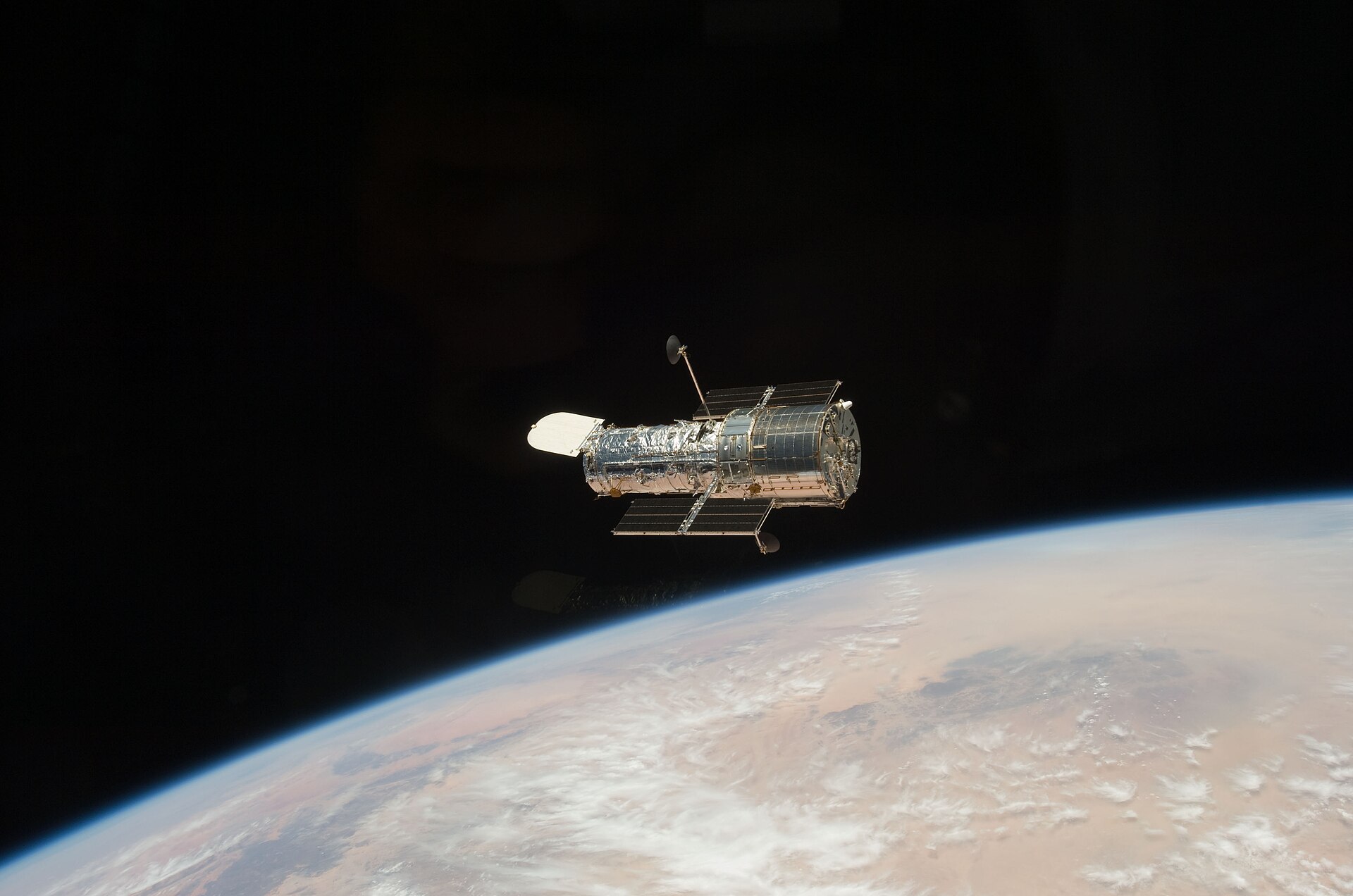
The Telescope That Needed Glasses

The Telescope That Needed Glasses

On April 25, 1990, the Space Shuttle Discovery's robotic arm lifted a 11,110-kilogram barrel of mirrors and instruments out of the payload bay and released it into orbit. Six weeks later, the first images came back badly out of focus. The Hubble Space Telescope had been ground to the wrong prescription, and America had just spent $2.5 billion on what the press was calling a 'technoturkey.'

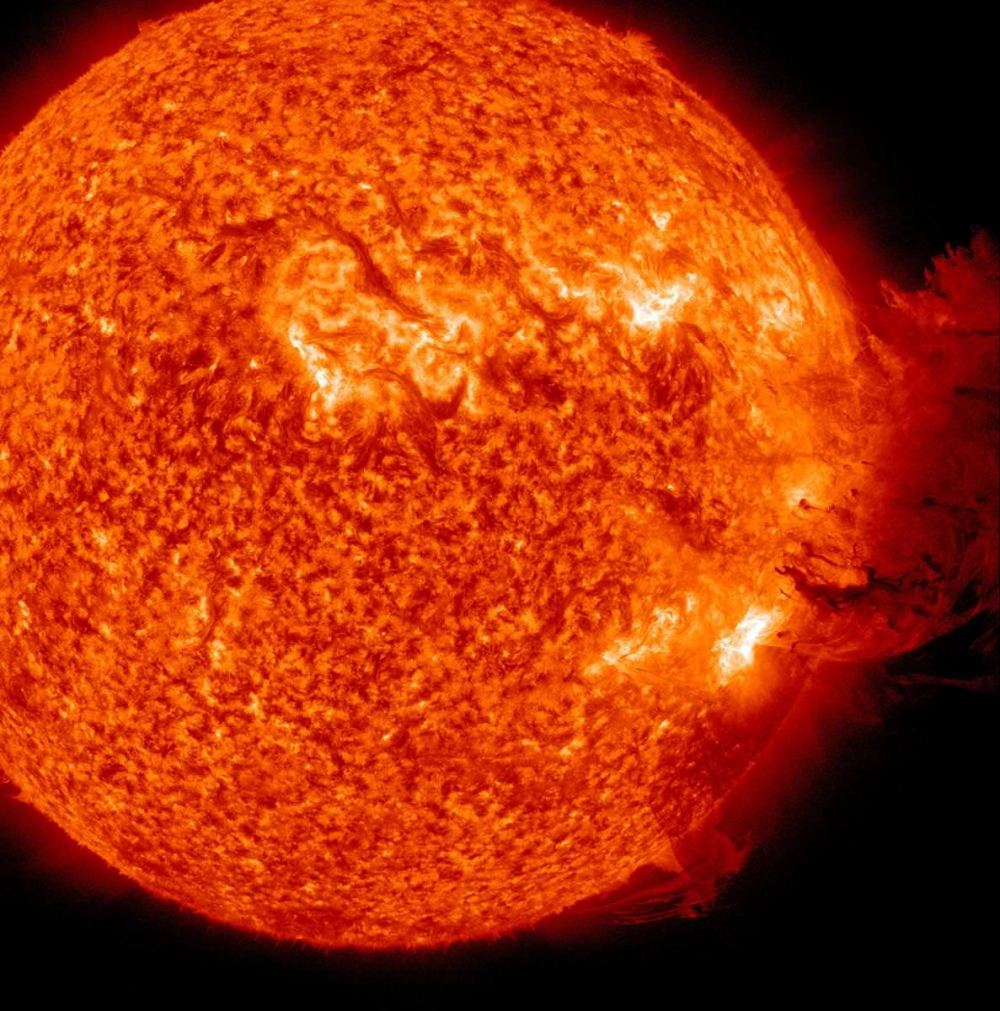
The Day Humanity Gained New Eyes on the Sun

The Day Humanity Gained New Eyes on the Sun

Fifteen years ago, NASA launched its most advanced solar observatory, revolutionizing our understanding of our star and transforming space weather prediction

X Report 8 Dec 2025

X Report 8 Dec 2025

SpaceX faces weather challenges as it scrubs the launch of its 3,000th Starlink satellite. Meanwhile, Elon Musk discusses advancing to a Type II civilization in an engaging social media post.

X Report 23 Sep 2025

X Report 23 Sep 2025

SpaceX successfully launched the NROL-48 mission, growing the National Reconnaissance Office's satellite fleet. Additionally, NASA introduced ten new astronaut candidates, increasing female representation in its ranks.

X Report 6 Dec 2024

X Report 6 Dec 2024

SpaceX achieves a milestone with its 350th successful mission, including a significant Starlink launch, while Starship advances in testing. Meanwhile, SpaceX boosts SiriusXM's satellite fleet and industry competitors make strides.

X Report 13 Aug 2025

X Report 13 Aug 2025

SpaceX continues to innovate as it nears peak Falcon 9 launch rates while refining technologies pivotal for future Mars missions.

10 Surprising Facts About SpaceX

10 Surprising Facts About SpaceX

Discover lesser-known aspects of SpaceX's history, achievements, and innovations that have shaped the commercial space industry over the past two decades.