



Space Brief 24 Aug 2025
Today's brief covers SpaceX's secretive military launch, advancements in nuclear fusion, and groundbreaking observations of dying stars and supernovae.


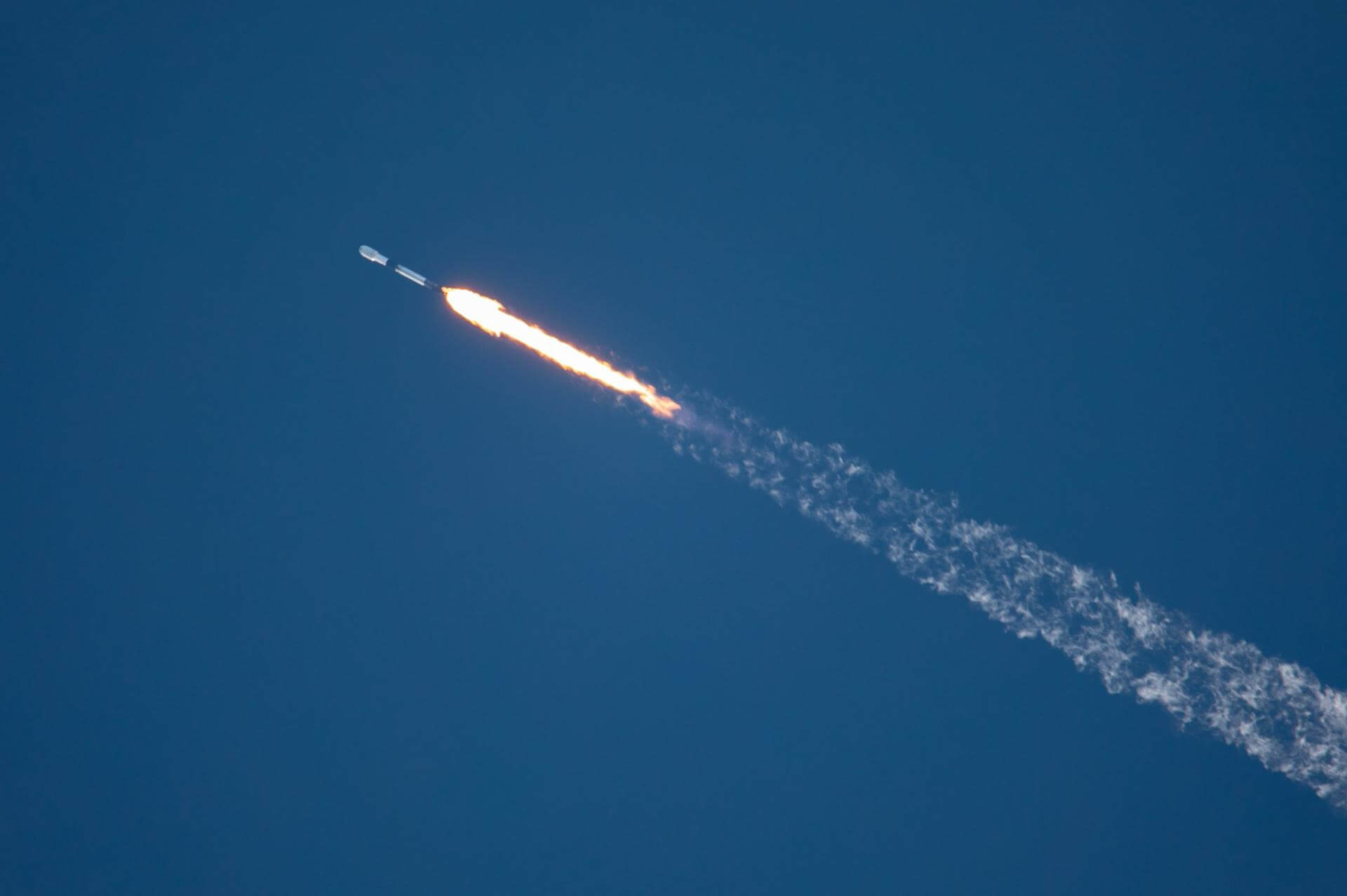
Launch Date
August 11, 2024
Launch Site
Vandenberg Space Force Base, California
Launch Pad
SLC-4E
Launch Vehicle
NORAD ID
60422
International Designator
2024-143A
Epoch
Thu, 02 Jul 2026 18:51:56 GMT
Apogee
Calculating...
Perigee
Calculating...
Inclination
62.87°
Right Ascension
44.86°
Eccentricity
Calculating...
Argument of Perigee
269.34°
Period
957.28 min
Mean Motion
1.50 rev/day
Latitude
Calculating...
Longitude
Calculating...
Altitude
Calculating...
Velocity
Calculating...
Name
ASBM-1
Alternative Name
GX10A
Type
Status
Owner
Space Norway HEOSAT
Country
NO
Constellation
Arctic Satellite Broadband Mission
Related Satellites
Major Events
Launch on August 11, 2024; expected operational service in early to mid-2025
1 60422U 24143A 26183.78607562 -.00000090 00000+0 00000+0 0 9997
2 60422 62.8694 44.8641 5614464 269.3377 29.5572 01.50426492 11853
Source: Celestrak
Length
4
Diameter
3
Span
27
Dry Mass
2035
Launch Mass
3695
Shape
Box with two solar panel wings
Radar Cross Section
Unknown
Visual Magnitude
Unknown
Color
Silver
Material Composition
Aluminum and composite materials
Payload
Ka-band payload for Viasat, X-band payload for the Norwegian Armed Forces, EHF payload for the U.S. Space Force, Norwegian Radiation Monitor (NORM)
Purpose
Communication
Mission
The Arctic Satellite Broadband Mission (ASBM) aims to provide continuous broadband coverage to the Arctic region, supporting both civilian and military communications.
Manufacturer
Northrop Grumman
Life Expectancy
15 years
Bus
GEOStar-3
Configuration
GEOStar-3 Bus
Motor
Bi-propellant for orbital maneuvers; monopropellant for stationkeeping
Equipment
Ka-band transponders, X-band transponders, EHF payload, Norwegian Radiation Monitor (NORM)
Power System
Two deployable solar arrays providing 7,235 W end-of-life power; batteries with 9,910 Wh capacity
ADCS
3-axis stabilized
Transmitter Frequency
Ka-band, X-band, EHF
Learn more about satellites and other related topics.
Today's brief covers SpaceX's secretive military launch, advancements in nuclear fusion, and groundbreaking observations of dying stars and supernovae.
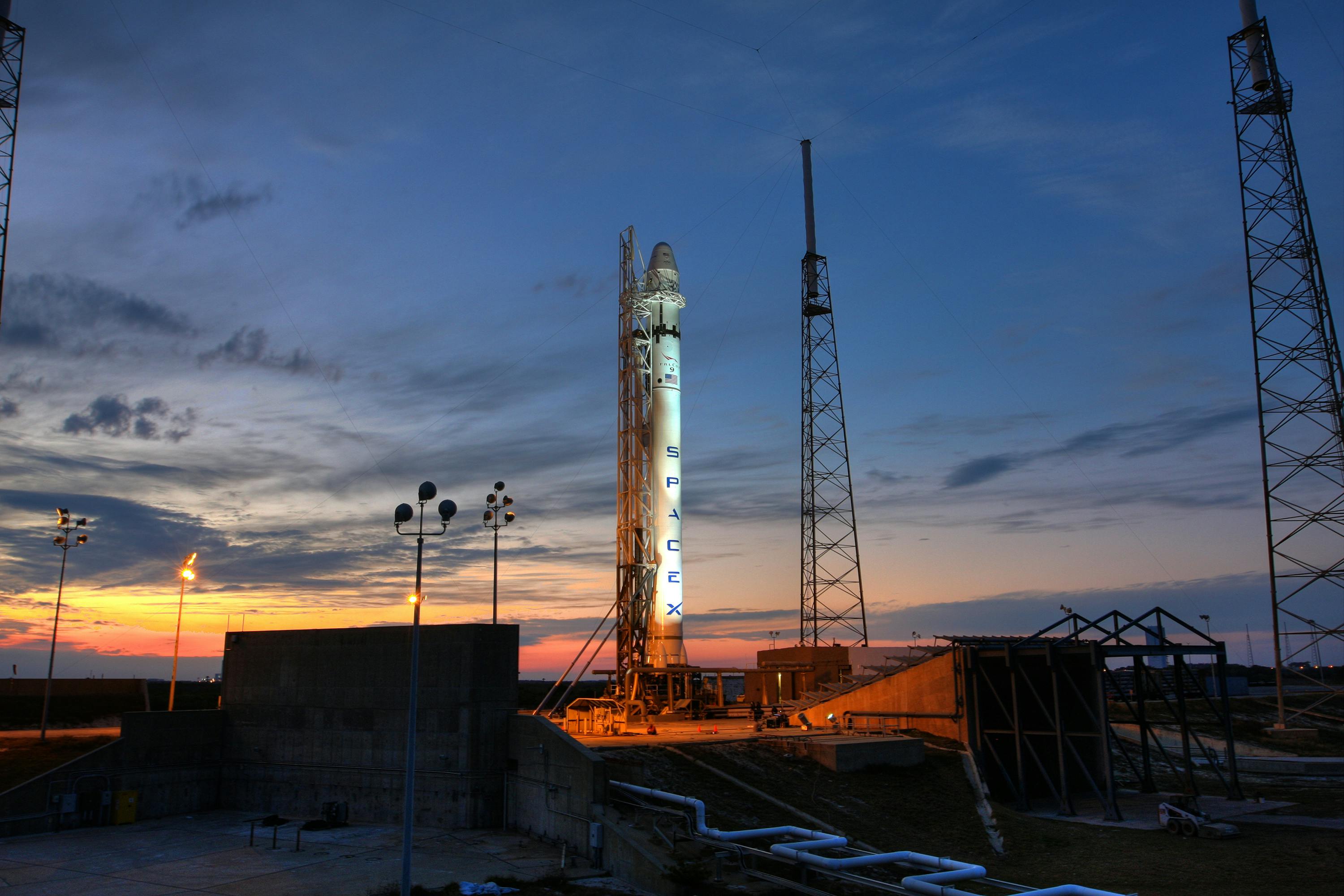
SpaceX successfully launches a new batch of Starlink satellites, while Viasat seeks LEO capacity amid rising competition.

Today’s brief highlights developments including the Crew-11 launch preparations and the impact of Starlink satellites on radio telescope observations.

SpaceX reaches 600th Falcon 9 launch with Starlink 17-13 from Vandenberg. NASA SLS hydrogen leak repairs only partially successful. New book explores forces shaping space.
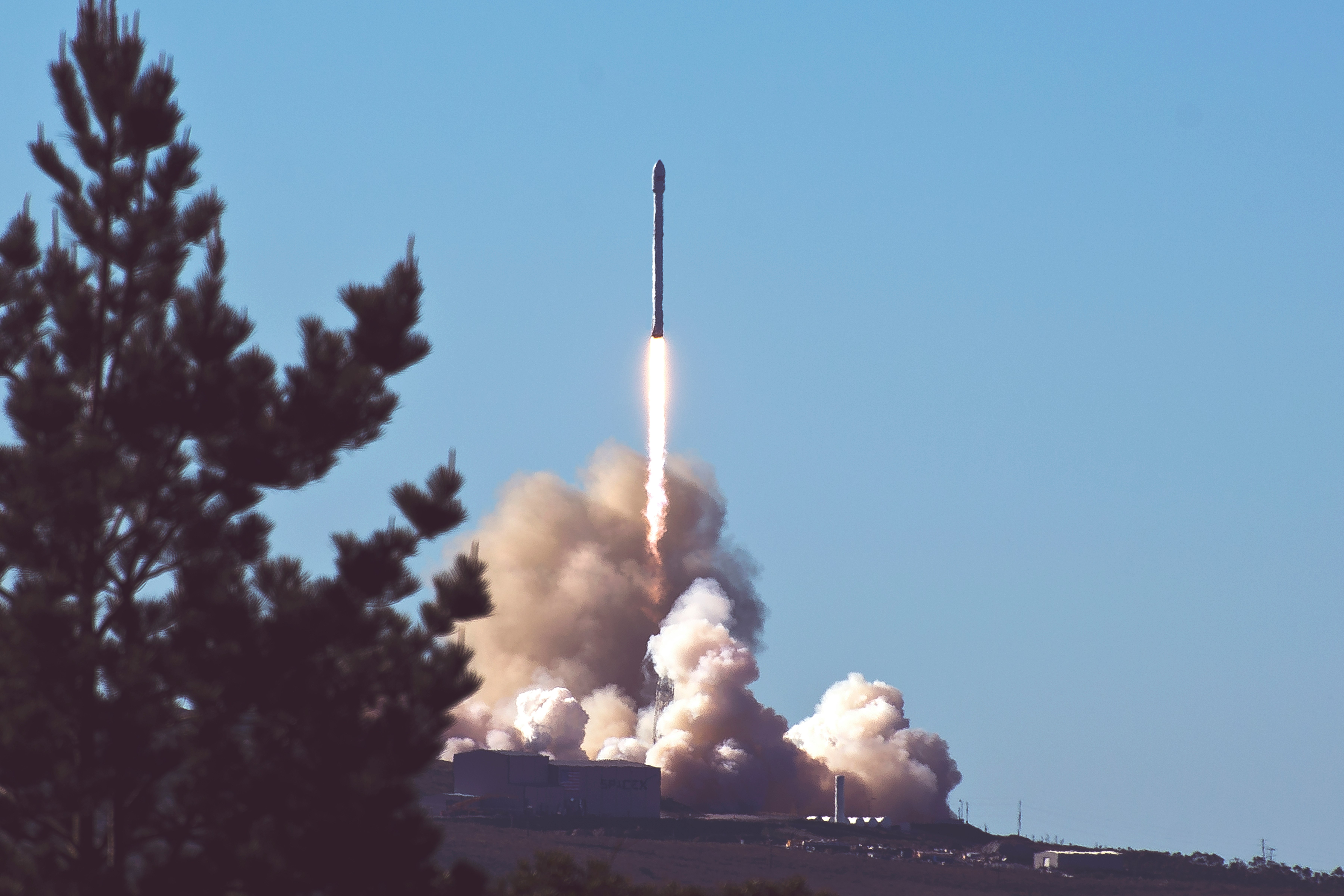
SpaceX launches Starlink satellites successfully, while Starbase inches closer to city status and business discussions intensify.
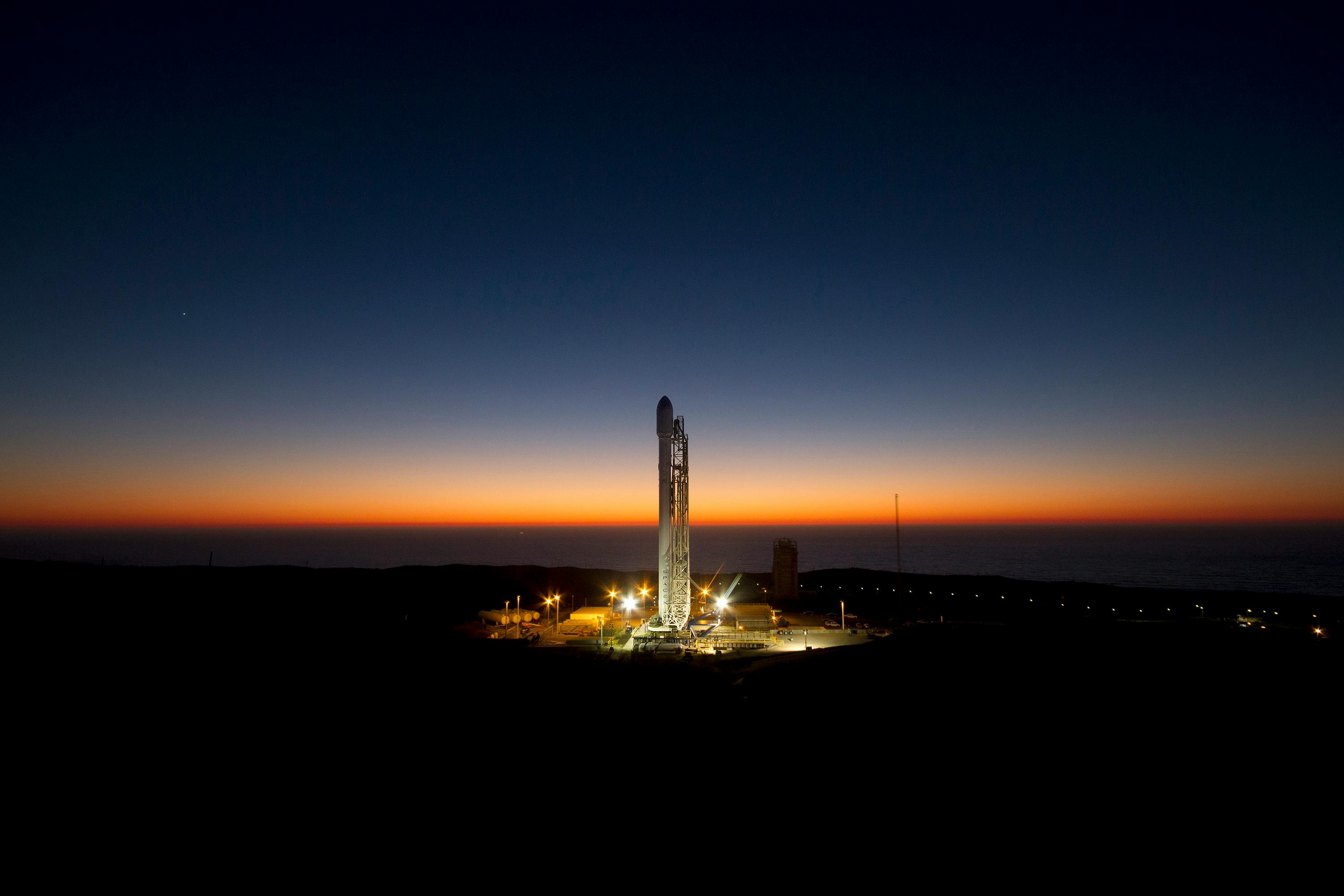
SpaceX addresses the cause of its recent Starship Flight 8 explosion, while successfully launching 23 more Starlink satellites as it continues to expand its constellation.
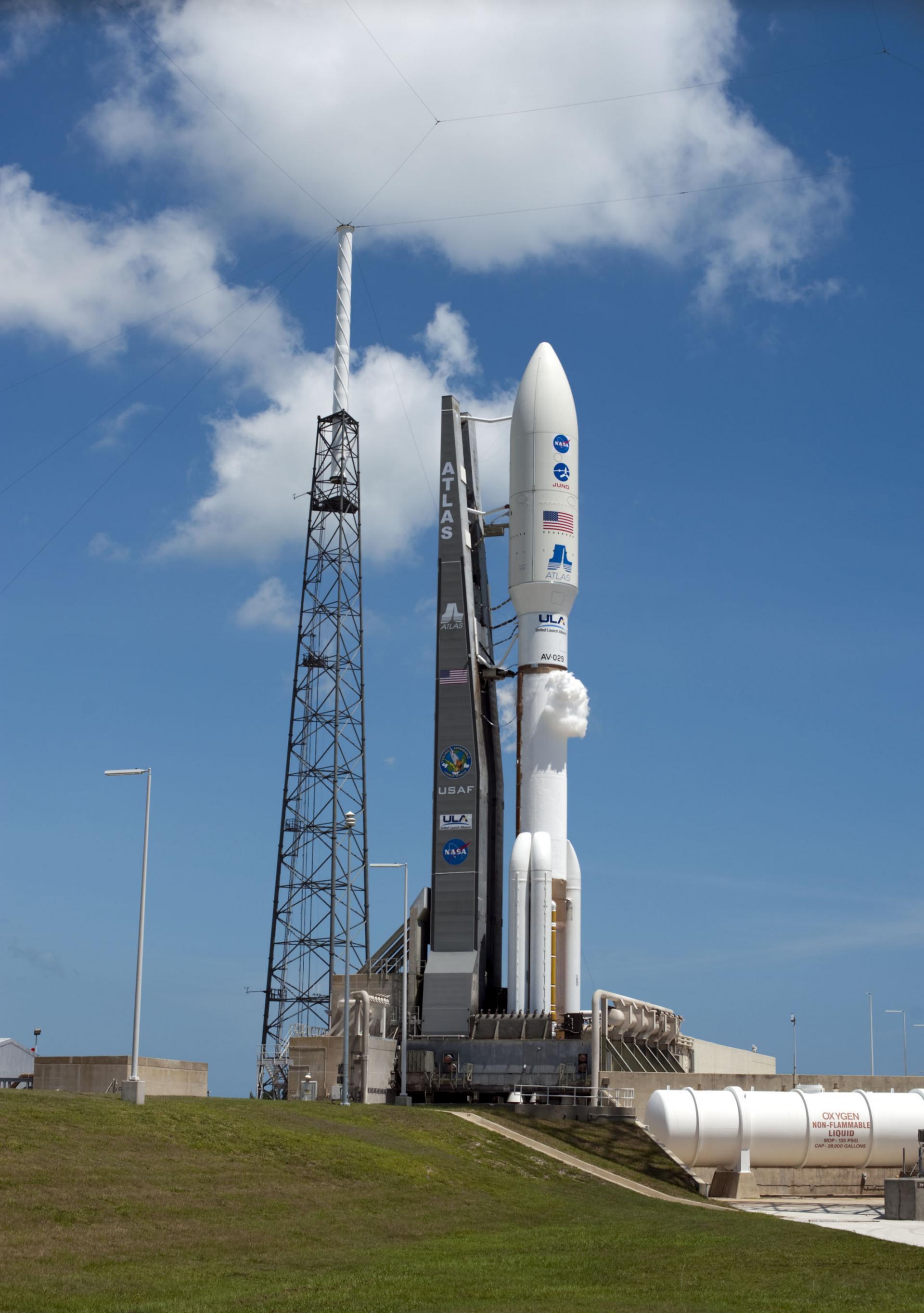
Today's brief covers the redeployment of decommissioned missile technologies to orbital duties, Germany's plans for a sovereign communications network, and fresh developments in hypersonic testing through Rocket Lab.
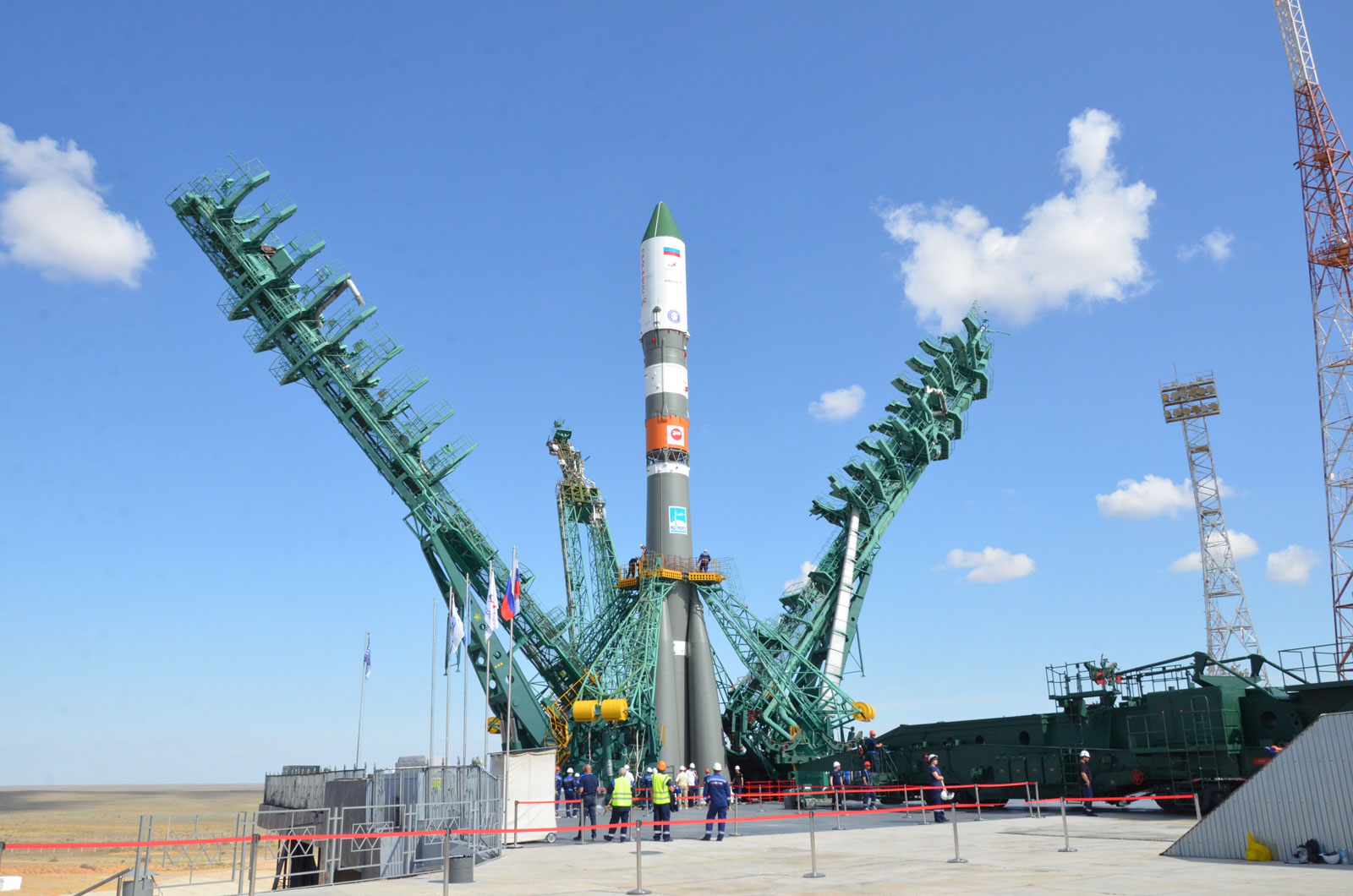
Northrop Grumman takes $71M charge over Vulcan solid rocket booster anomaly, grounding ULA's vehicle. Vulcan manifest timelines now in holding pattern pending resolution.