STARLINK-32244 (60411)

COSPAR: 2024-141P | Alt Name: Starlink 32244

Image
STARLINK-32244 Satellite Image
Additional Sources
Launch Details

Launch Date

August 10, 2024

Launch Pad

LC40

Launch Vehicle

Falcon 9

Orbital Elements

NORAD ID

60411

International Designator

2024-141P

Epoch

Sun, 19 Jul 2026 18:47:00 GMT

Apogee

Calculating...

Perigee

Calculating...

Inclination

53.16°

Right Ascension

348.39°

Eccentricity

Calculating...

Argument of Perigee

93.62°

Period

94.01 min

Mean Motion

15.32 rev/day

Latitude

Calculating...

Longitude

Calculating...

Altitude

Calculating...

Velocity

Calculating...

Polar Plot
3D Visualization
Basic Satellite Info

Name

STARLINK-32244

Alternative Name

Starlink 32244

Type

Payload

Status

Operational

Owner

SPXS

Country

United States

Constellation

N/A

Related Satellites

Major Events

N/A

Latest TLEs
1 60411U 24141P   26200.78264818  .00000140  00000+0  16285-4 0  9998
2 60411  53.1613 348.3914 0001308  93.6178 266.4973 15.31699987109815

Source: Celestrak

Summary
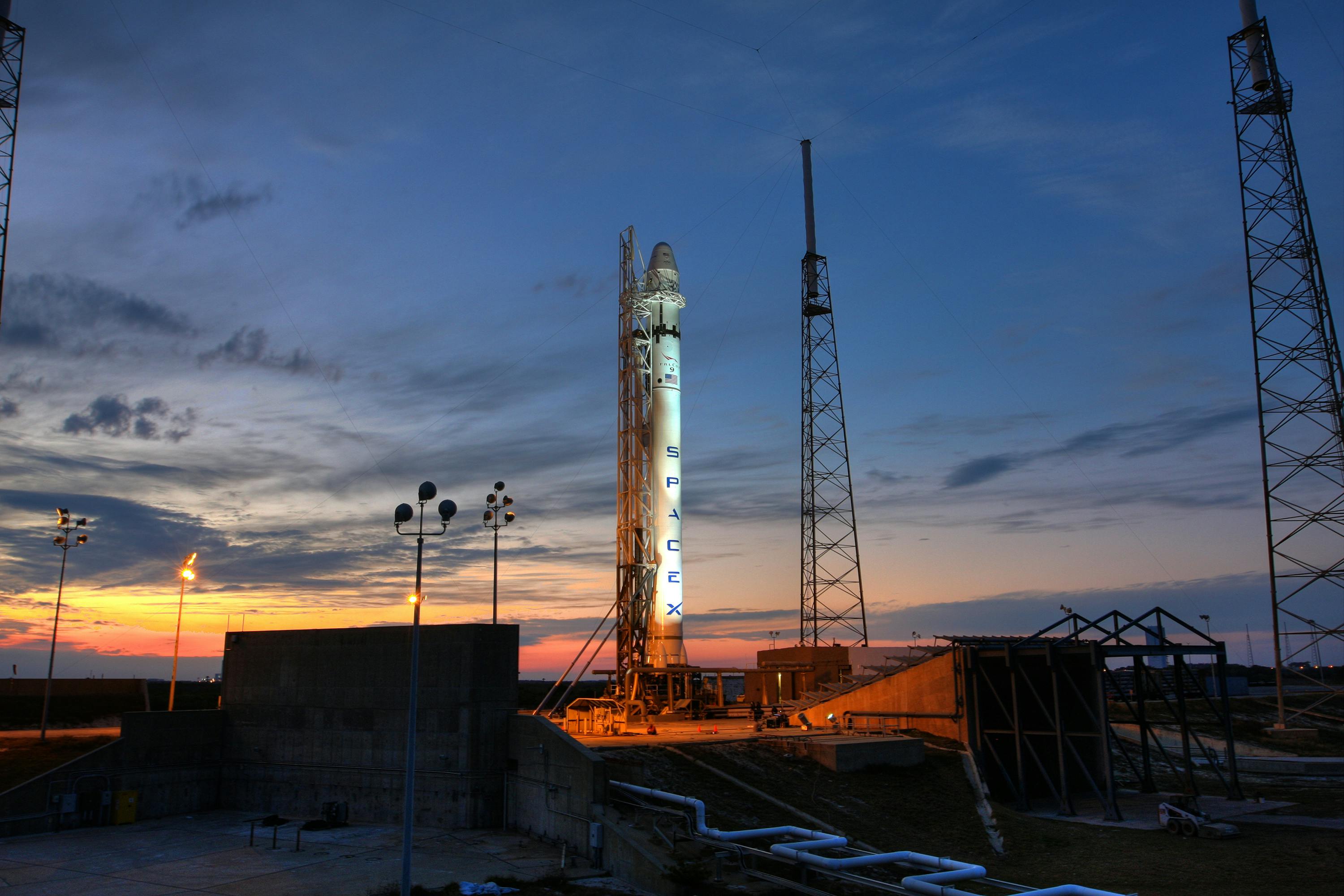
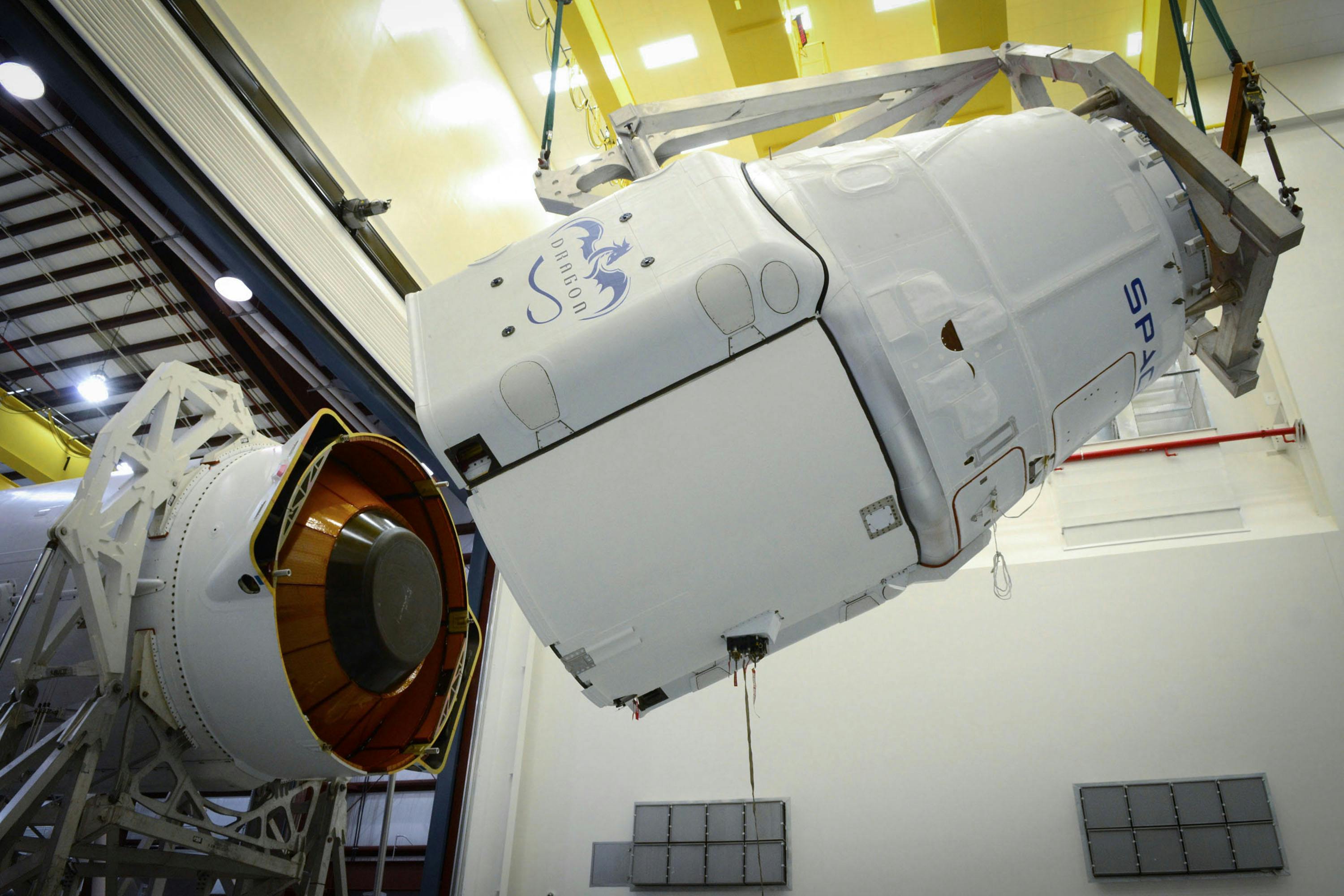
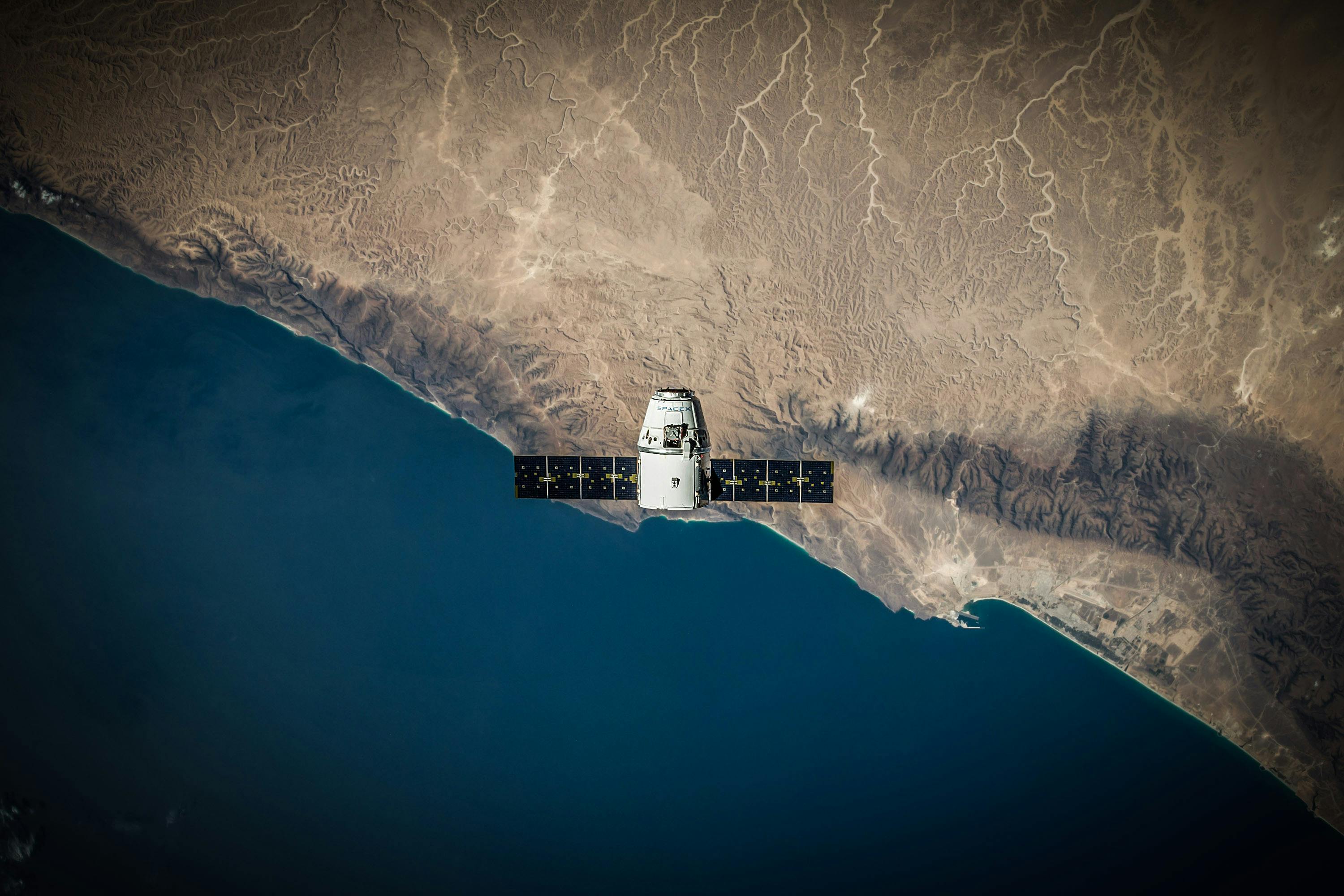
STARLINK-32244, also known as Starlink 32244, is a communication satellite designed under the Starlink v2 Mini configuration and manufactured by SPXS (SpaceX). Launched on August 10, 2024, from Launch Complex 40 at Cape Canaveral Air Force Station using a Falcon 9 launch vehicle, this satellite has a length of 0.3 meters, diameter of 4.1 meters, and span of 29 meters. It weighs 700 kg dry mass and had a launch mass of 730 kg. Equipped with a Ku/Ka/E-band payload and an optical inter-satellite link, it uses Argon ion thrusters for propulsion and solar arrays with batteries for power supply. The satellite's shape is described as box + pan, and its primary mission is communication.

Starlink is a satellite constellation developed by SpaceX with the aim of providing global broadband internet coverage. Thousands of small satellites are deployed in low Earth orbit (LEO), enabling high-speed internet access even in remote areas. However, the rapid increase in satellites raises concerns about space debris and the potential for collisions, which can lead to further debris creation and endanger other spacecraft. Additionally, the sheer number of Starlink satellites can affect astronomical observations by increasing light pollution. Proper deorbiting plans and international coordination are essential to mitigate these challenges and ensure long-term sustainability in space.
Physical Characteristics

Length

0.3

Diameter

4.1

Span

29

Dry Mass

700

Launch Mass

730

Shape

Box + pan

Radar Cross Section

Unknown

Visual Magnitude

Unknown

Color

Unknown

Material Composition

Unknown

Technical Details

Payload

Starlink Group 8-3-14

Purpose

Communication

Mission

Communication

Manufacturer

SPXS

Life Expectancy

Unknown

Bus

Starlink V2M

Configuration

Starlink v2 Mini

Motor

Argon ion thrusters

Equipment

Ku/Ka/E-band payload, optical inter-satellite link

Power System

Solar arrays, batteries

ADCS

Unknown

Transmitter Frequency

Unknown

Map
This tool will help you track the satellite's position and predict its upcoming passes over your location. Simply input the coordinates or click the geolocation button to get started.
Next Pass
Azimuth Elevation Time (Local)
Start Azimuth
Max Elevation
Stop Azimuth
Time Until
Pass Duration

Satellite Articles

View All Posts »

Learn more about satellites and other related topics.

The Satellite That Taught Us What We Were Doing to the Planet

The Satellite That Taught Us What We Were Doing to the Planet

Landsat 7 launched on April 15, 1999, designed to last five years. It operated for twenty-five, survived a failure that destroyed a fifth of every image it took, and became part of the longest continuous record of Earth's surface ever assembled. Then they made the data free.
ULA Launches 29 Amazon Kuiper Satellites; Falcon Heavy Returns | KeepTrack Space Brief

ULA Launches 29 Amazon Kuiper Satellites; Falcon Heavy Returns | KeepTrack Space Brief

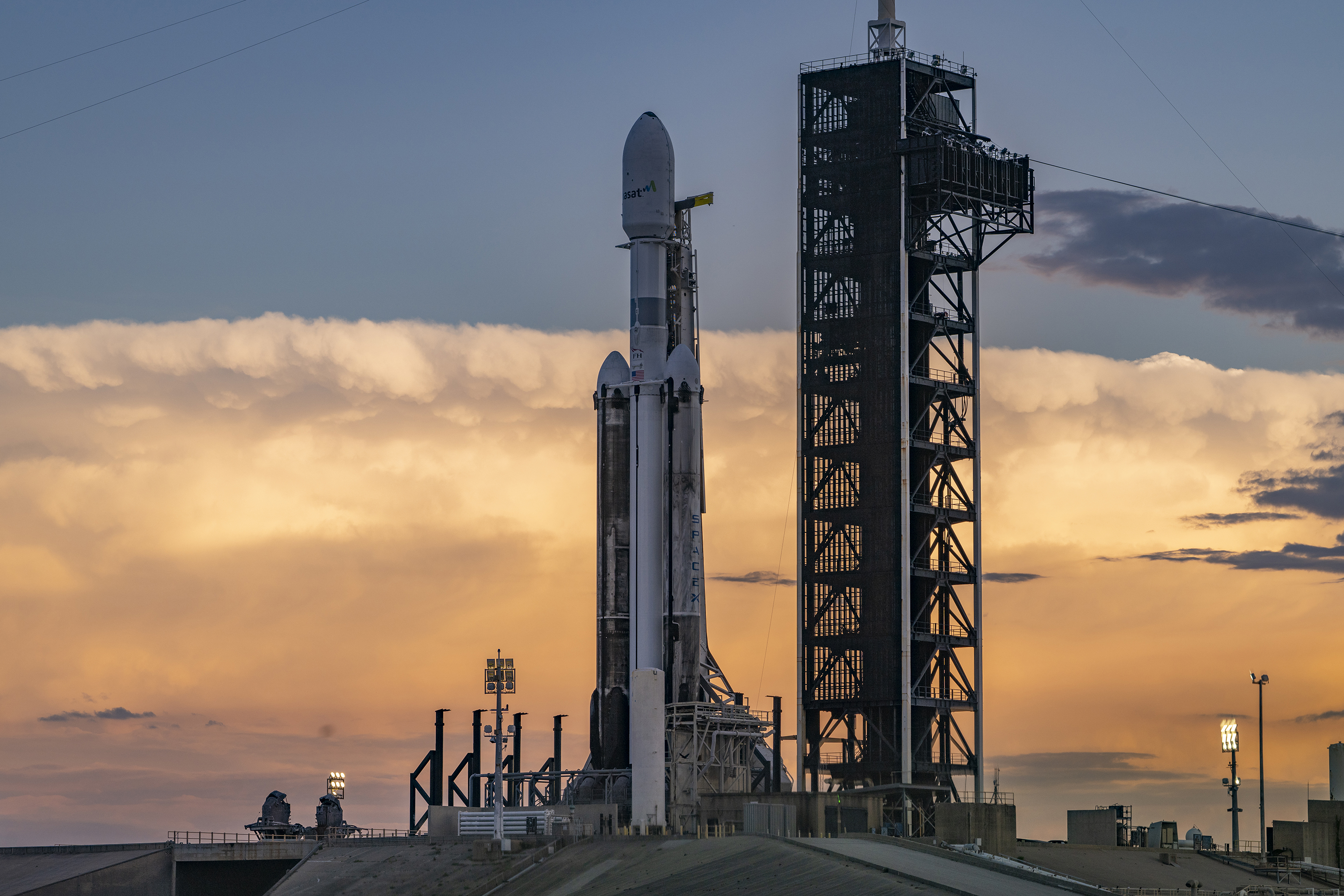
ULA's Atlas V deployed 29 Amazon Kuiper LEO satellites on April 27. Falcon Heavy returns this week with ViaSat-3 F3. Six orbital launches scheduled across three continents.

Space Brief 17 Oct 2024

Space Brief 17 Oct 2024

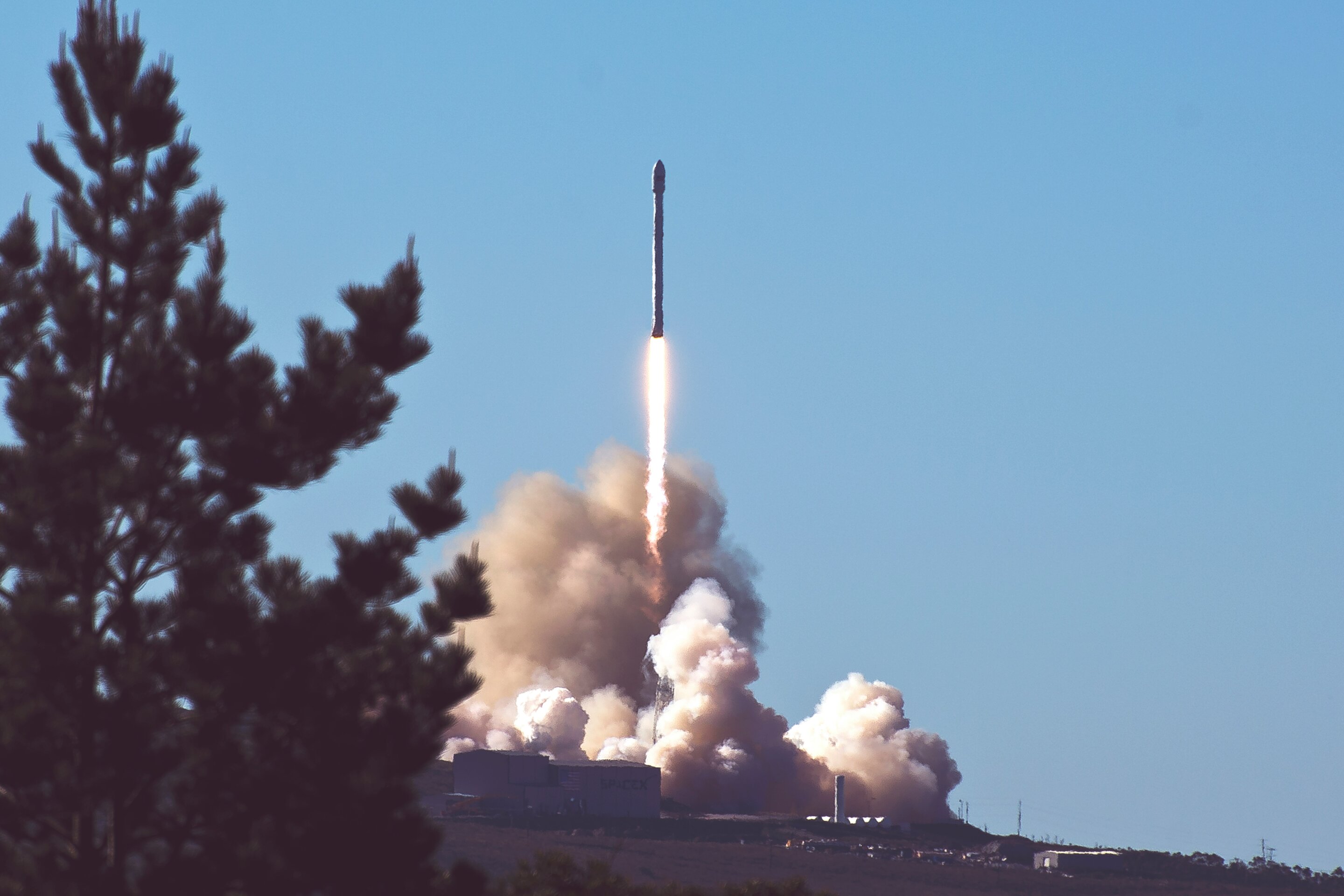
An exciting day in space with potential maneuver revelations from the X-37B, SpaceX's resumption of Falcon 9 launches, and significant advancements in lunar exploration tied to new U.S. spacesuits.

X Report 9 Sep 2025

X Report 9 Sep 2025

Important updates include SpaceX's $19 billion spectrum deal with EchoStar, a successful super heavy booster test, and recent setbacks in launching due to poor weather.

ESA Buys Dedicated Crew Dragon Mission for 4 Astronauts | KeepTrack X Report

ESA Buys Dedicated Crew Dragon Mission for 4 Astronauts | KeepTrack X Report

ESA is purchasing a dedicated SpaceX Crew Dragon flight to send 4 European astronauts to the ISS ahead of the station's planned retirement.

Musk Addresses Orbital Data Center Crowding Fears | KeepTrack X Report

Musk Addresses Orbital Data Center Crowding Fears | KeepTrack X Report

Elon Musk pushed back on orbital crowding concerns as SpaceX eyes data centers in space, with 10,584 Starlink satellites currently operational.

Space Brief 6 Mar 2025

Space Brief 6 Mar 2025

Today's brief covers secret Space Force payloads monitoring China's satellites, collaborations reducing satellite tracking delays, and new AI projects for military operations.

Hayabusa | The Crippled Falcon That Carried an Asteroid Home

Hayabusa | The Crippled Falcon That Carried an Asteroid Home

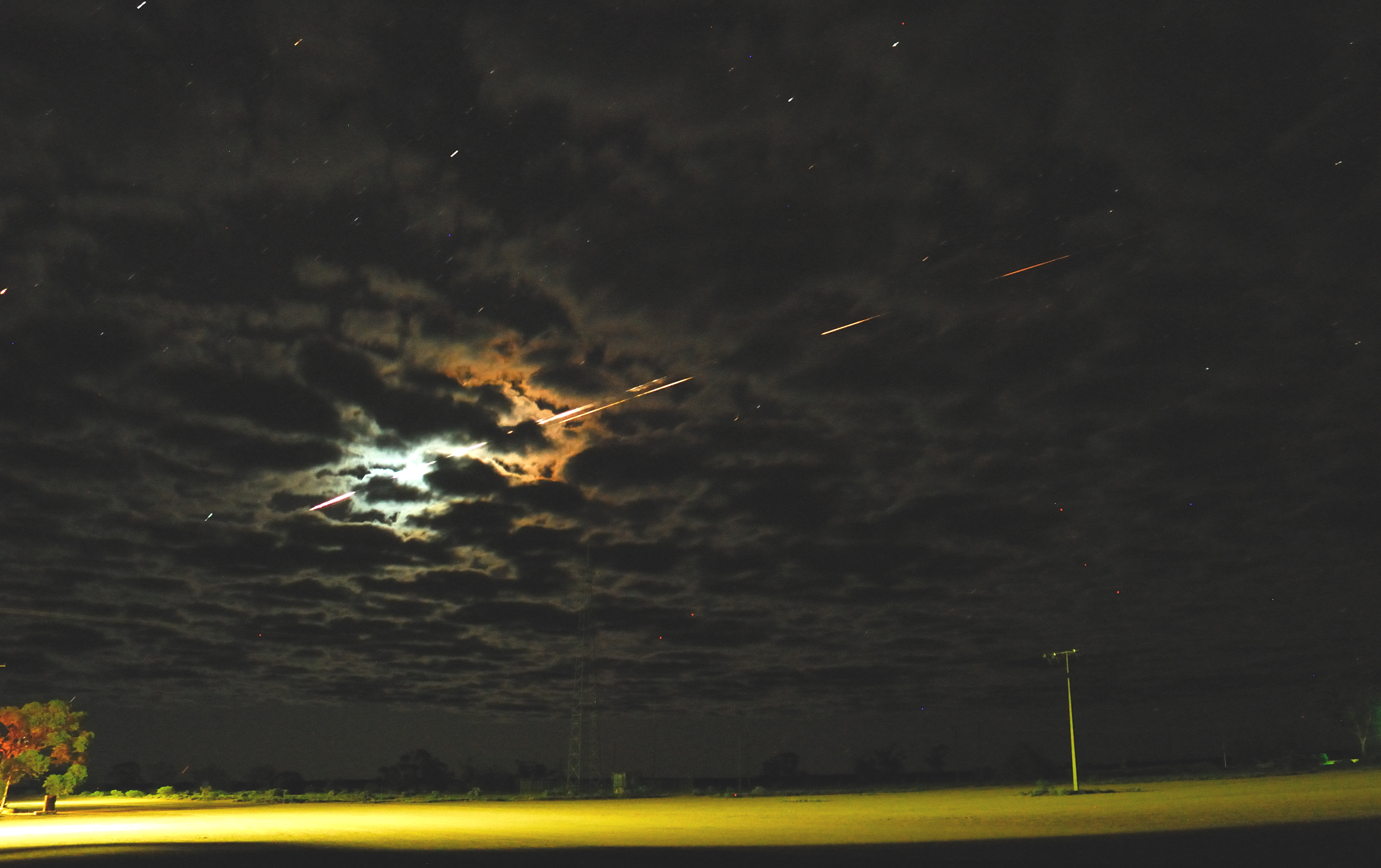
Sixteen years ago today, a fireball tore across the Australian outback. Most of it was a dying Japanese spacecraft burning up after a seven-year ordeal. The bright dot racing ahead of the wreckage was a capsule holding the first grains of an asteroid ever returned to Earth.