


Space Brief 30 Mar 2025
Today's highlights include Rocket Lab joining the US Space Force's national security launch program, SpaceX's upcoming Starlink deployment, China's successful EVA, and intriguing science aboard SpaceX's Fram2 mission.



NORAD ID
60321
International Designator
2024-133W
Epoch
Sun, 19 Jul 2026 22:56:25 GMT
Apogee
Calculating...
Perigee
Calculating...
Inclination
53.16°
Right Ascension
41.80°
Eccentricity
Calculating...
Argument of Perigee
99.54°
Period
93.85 min
Mean Motion
15.34 rev/day
Latitude
Calculating...
Longitude
Calculating...
Altitude
Calculating...
Velocity
Calculating...
Name
STARLINK-32198
Alternative Name
Starlink 32198
Type
Status
Owner
SPXS
Country
United States
Constellation
N/A
Related Satellites
Major Events
N/A
1 60321U 24133W 26200.95585147 .00000444 00000+0 24292-4 0 9993
2 60321 53.1608 41.7964 0001497 99.5408 260.5764 15.34393329111997
Source: Celestrak
Length
0.3
Diameter
4.1
Span
29
Dry Mass
700
Launch Mass
730
Shape
Box + pan
Radar Cross Section
Unknown
Visual Magnitude
Unknown
Color
Unknown
Material Composition
Unknown
Payload
Starlink Group 9-4-21
Purpose
Communication
Mission
Communication
Manufacturer
SPXS
Life Expectancy
Unknown
Bus
Starlink V2M
Configuration
Starlink v2 Mini
Motor
Argon ion thrusters
Equipment
Ku/Ka/E-band payload, optical inter-satellite link
Power System
Solar arrays, batteries
ADCS
Unknown
Transmitter Frequency
Unknown
Learn more about satellites and other related topics.
Today's highlights include Rocket Lab joining the US Space Force's national security launch program, SpaceX's upcoming Starlink deployment, China's successful EVA, and intriguing science aboard SpaceX's Fram2 mission.
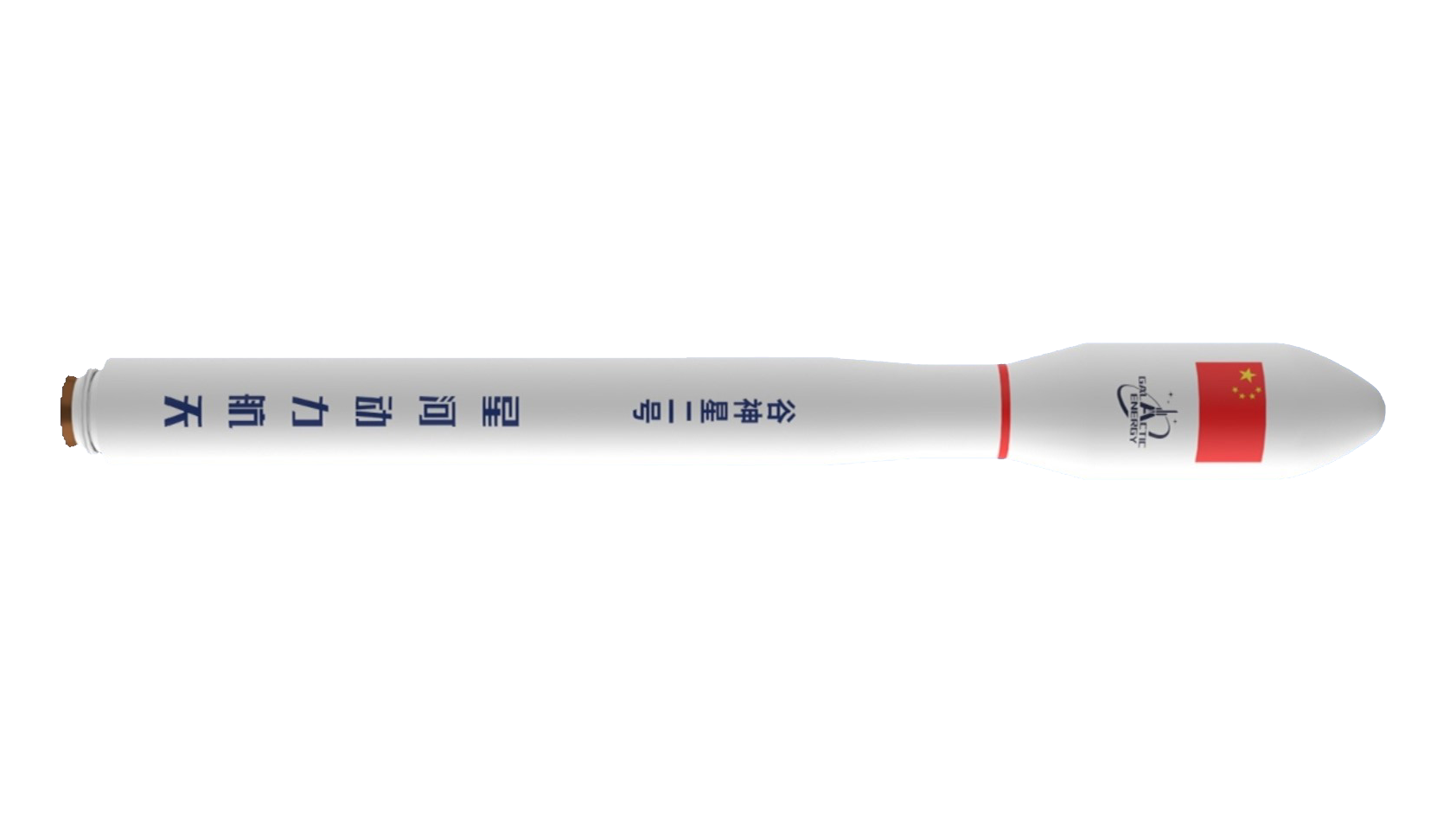
Pentagon chief Pete Hegseth tours Rocket Lab for Arsenal of Freedom strategy. Space Force accelerates 2026 acquisitions including GPS and tactical comms. Rhea Space wins $1.9M optical nav contract.

We forecast how many satellites could be in orbit by 2030 and what capabilities we can expect.

SpaceX lands Falcon 9 in The Bahamas for the second time ever during Starlink 10-34 mission. Scientists measure rocket reentry air pollution in real-time for the first time.
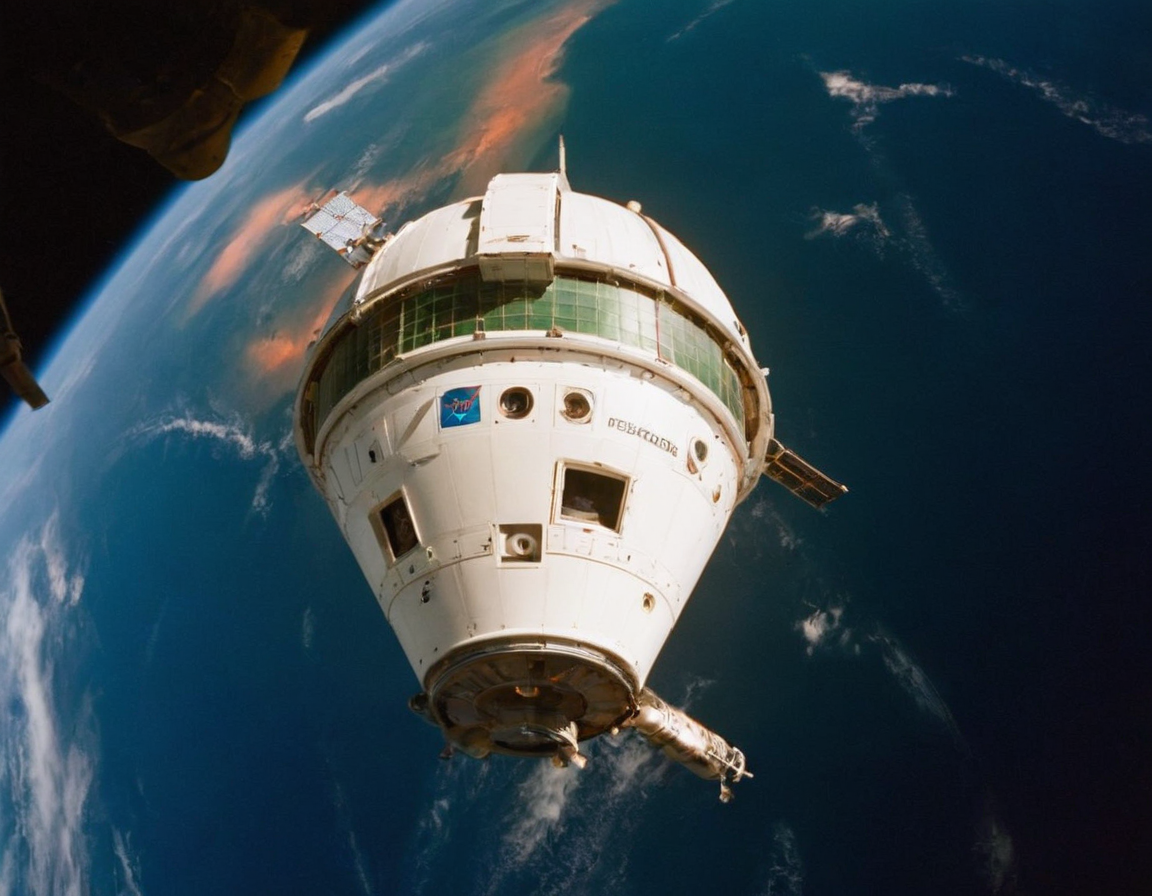
Boeing's Starliner spacecraft encounters thruster problems and helium leaks during its first crewed mission, potentially delaying the return of NASA astronauts from the International Space Station.

Pentagon's $50B Iran supplemental request signals major investment in missile defense and ISR satellites. Amazon reshuffles LEO government leadership amid Kuiper competition.

Today's brief covers SpaceX's launch of a secret US spy satellite, national security satellite launches, and Japan's missile ambitions. Also highlighted are Estonia's AI defense upgrades and autonomous airpower in Australia.
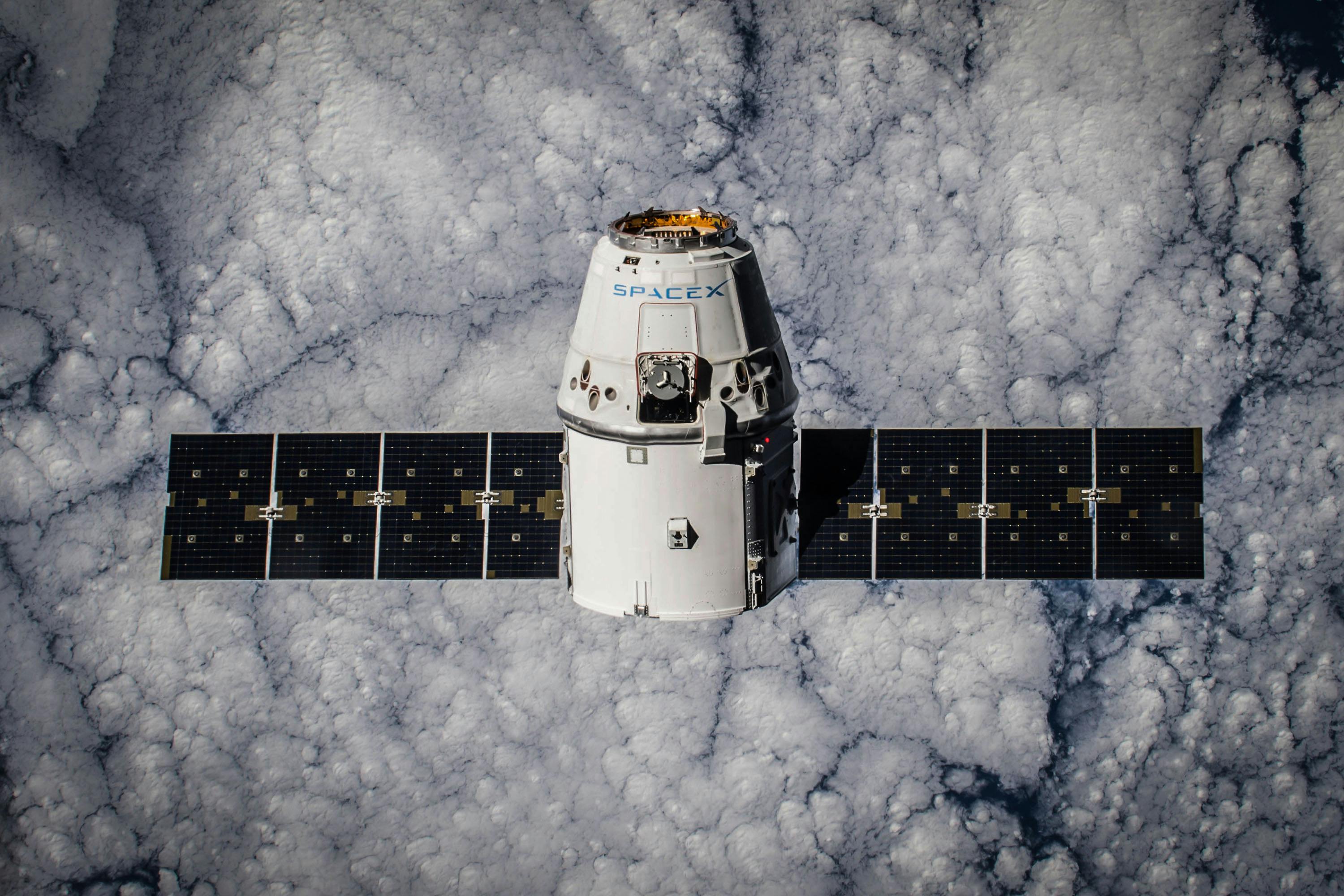
Exciting advancements from SpaceX include the debut of a new Dragon capsule for Axiom Space, continued Starlink deployments, and significant shifts in U.S. rural broadband funding that could benefit Starlink.