


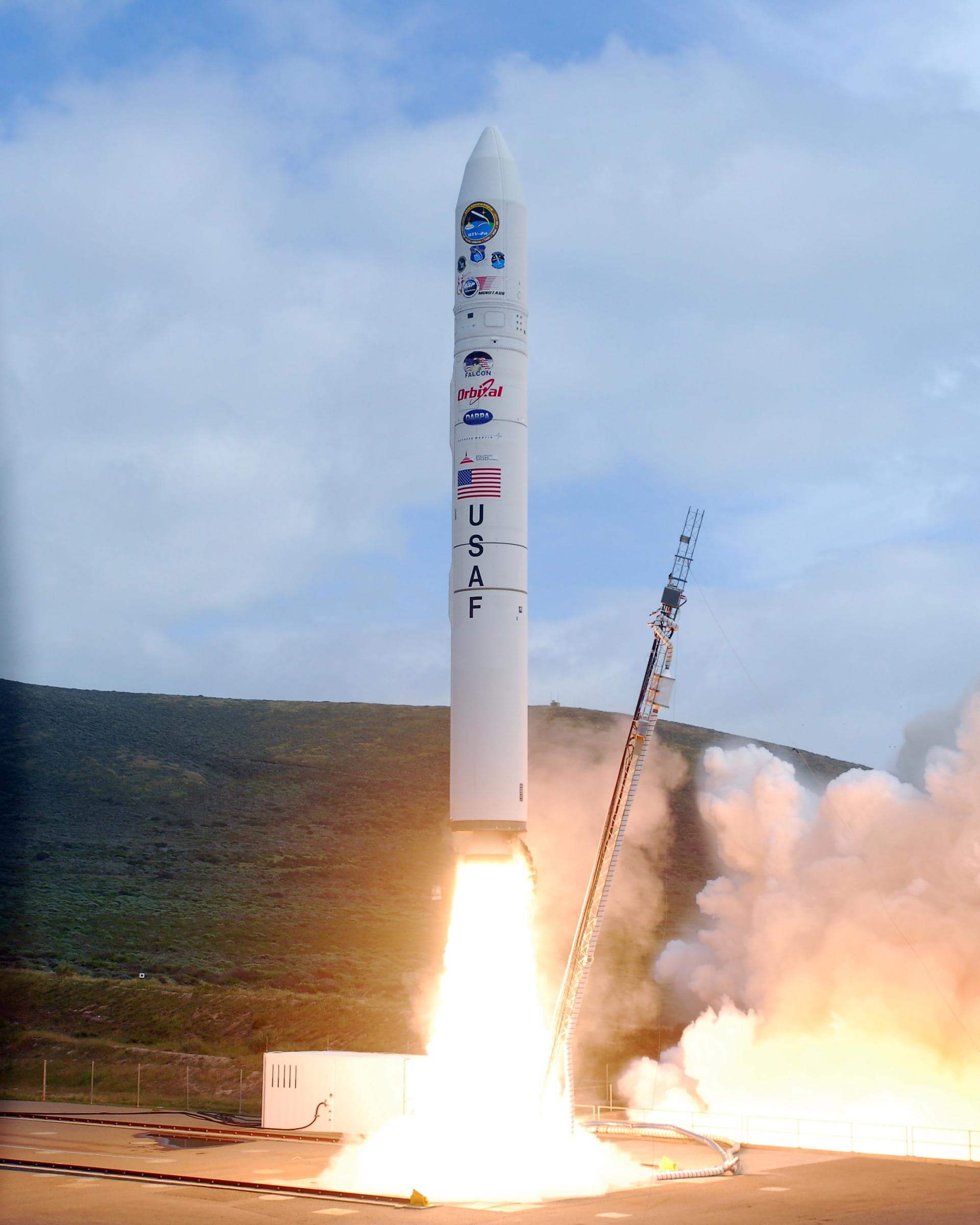
Space Brief 22 May 2025
Today's brief covers strategic alignments in U.S. military space operations, a landmark missile defense program, and advances in secure satellite communications.


![STARLINK-11147 [DTC] Satellite Image](/images/sat/starlink.jpg)
NORAD ID
60301
International Designator
2024-133A
Epoch
Sun, 19 Jul 2026 07:26:31 GMT
Apogee
Calculating...
Perigee
Calculating...
Inclination
53.16°
Right Ascension
217.60°
Eccentricity
Calculating...
Argument of Perigee
105.90°
Period
91.74 min
Mean Motion
15.70 rev/day
Latitude
Calculating...
Longitude
Calculating...
Altitude
Calculating...
Velocity
Calculating...
Name
STARLINK-11147 [DTC]
Alternative Name
Starlink 11147
Type
Status
Owner
SPXS
Country
United States
Constellation
N/A
Related Satellites
Major Events
N/A
1 60301U 24133A 26200.31008816 -.00000243 00000+0 28511-5 0 9991
2 60301 53.1592 217.5979 0001208 105.9006 254.2145 15.69710725114405
Source: Celestrak
Length
0.3
Diameter
4.1
Span
29
Dry Mass
700
Launch Mass
730
Shape
Box + pan
Radar Cross Section
Unknown
Visual Magnitude
Unknown
Color
Unknown
Material Composition
Unknown
Payload
Starlink Group 9-4-01
Purpose
Communication
Mission
Communication
Manufacturer
SPXS
Life Expectancy
Unknown
Bus
Starlink V2M
Configuration
Starlink v2 Mini
Motor
Argon ion thrusters
Equipment
D2C payload, optical inter-satellite link
Power System
Solar arrays, batteries
ADCS
Unknown
Transmitter Frequency
Unknown
Learn more about satellites and other related topics.
Today's brief covers strategic alignments in U.S. military space operations, a landmark missile defense program, and advances in secure satellite communications.
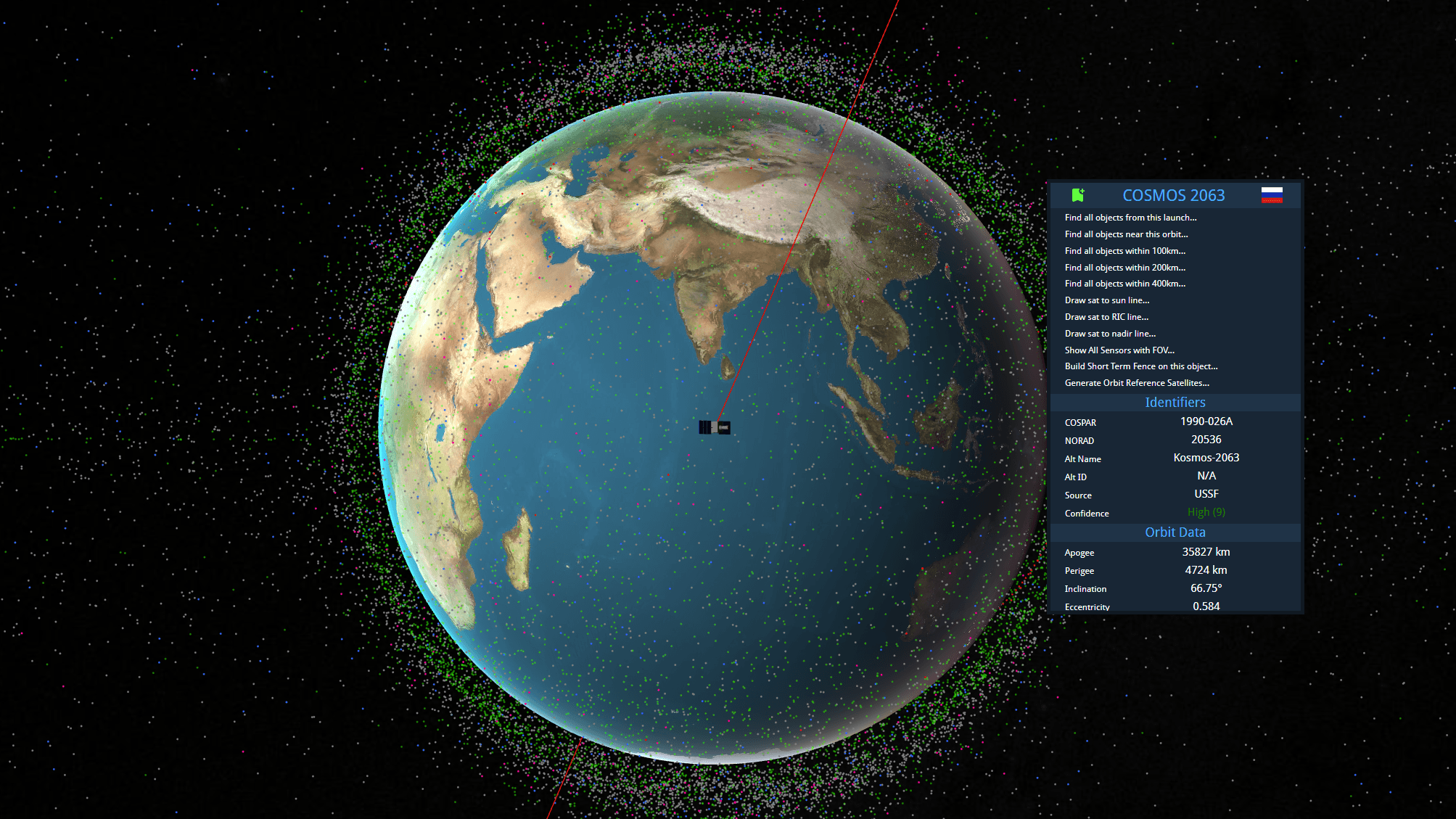
Today's Space Brief explores new satellite launches, significant reentries, funding milestones, and critical policy updates.
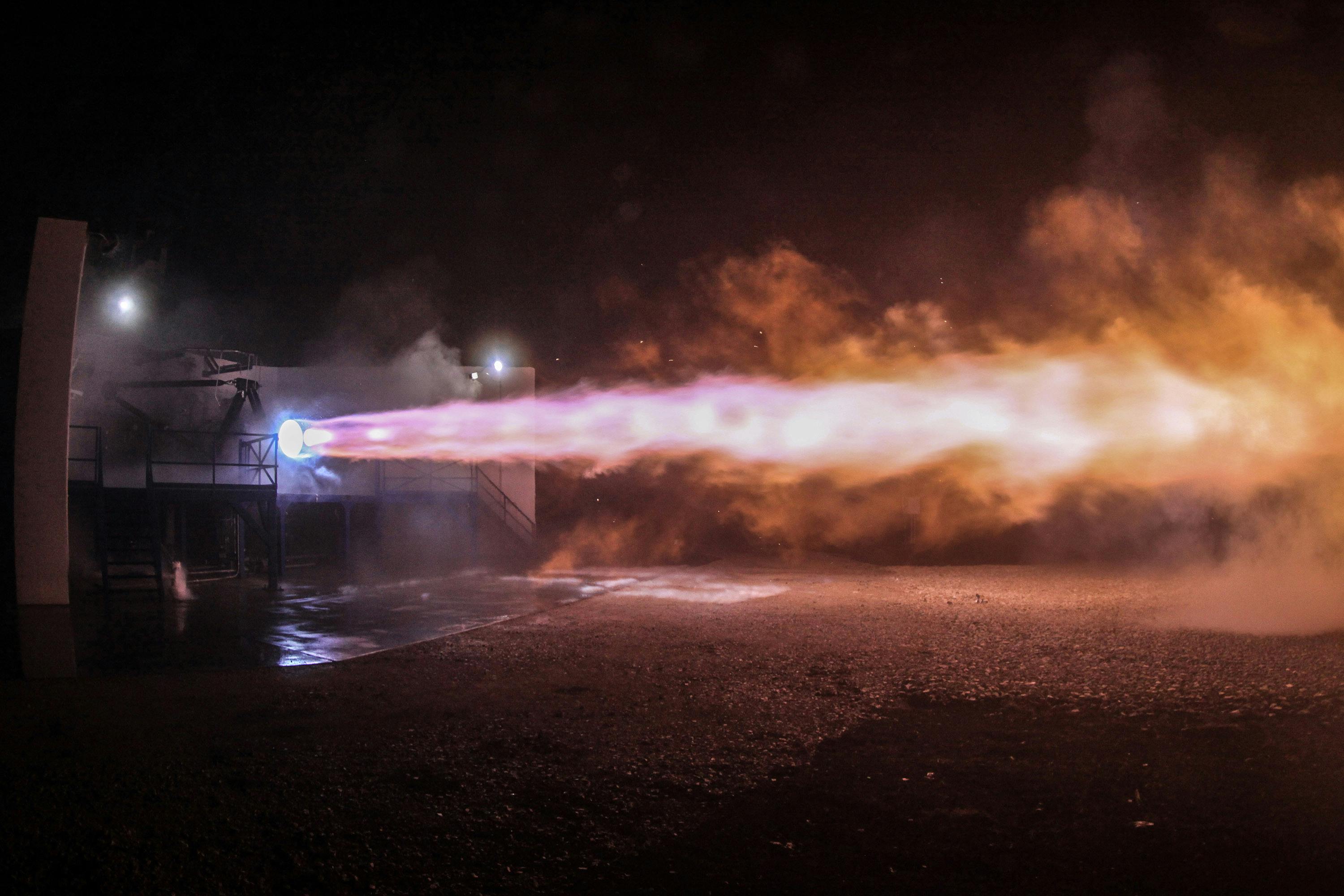
Canada reconsiders Starlink contract amidst US tariff delays, and new concerns arise over falling space debris.

Today’s highlights include successful Falcon 9 launch for MECANO ID, ongoing Starship Block 3 development, and plans for direct-to-device testing next year.

Explore the latest advancements in satellite technology, military satellite applications, and collaborative efforts in hypersonic vehicle tracking. Discover the transformative power of new deals shaping global communication networks.
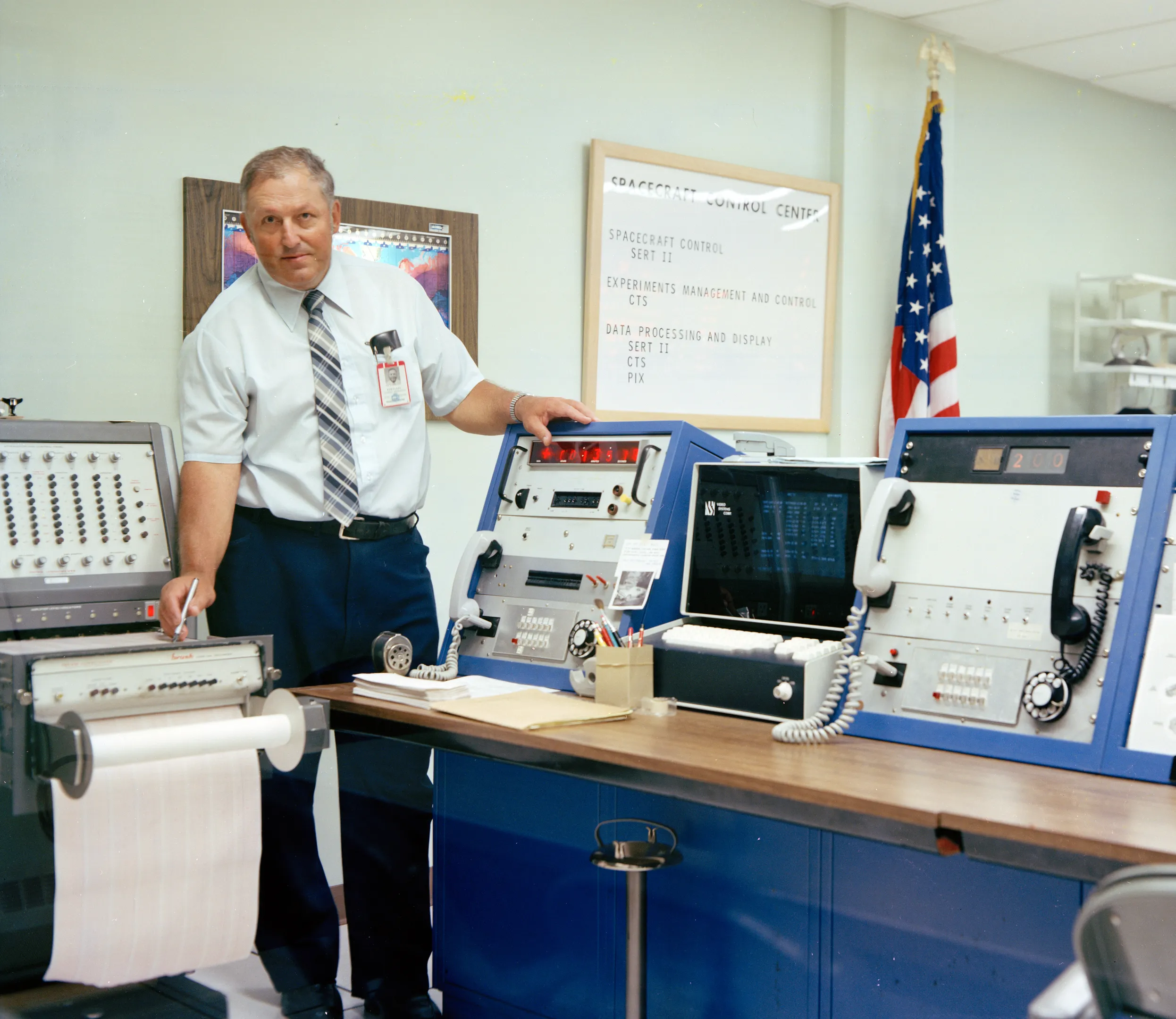
Fifty-five years ago, a revolutionary spacecraft launched from California carrying technology that would transform how we explore the solar system

Artemis 2 Orion carries first humans toward the Moon in 53 years. Spacecraft in good health after trans-lunar injection; lunar flyby observation plan due April 6.

For nearly two decades, the U.S. Air Force and Space Force have been the world's unofficial civilian space traffic control system. The Department of Commerce's Traffic Coordination System for Space (TraCSS) is now taking over that job for commercial satellite operators - in stages, against persistent congressional pressure to kill the program, and with Department of Defense advocates pushing to make it happen before it is too late.