STARLINK-32126 (60295)

COSPAR: 2024-132T | Alt Name: Starlink 32126

Image
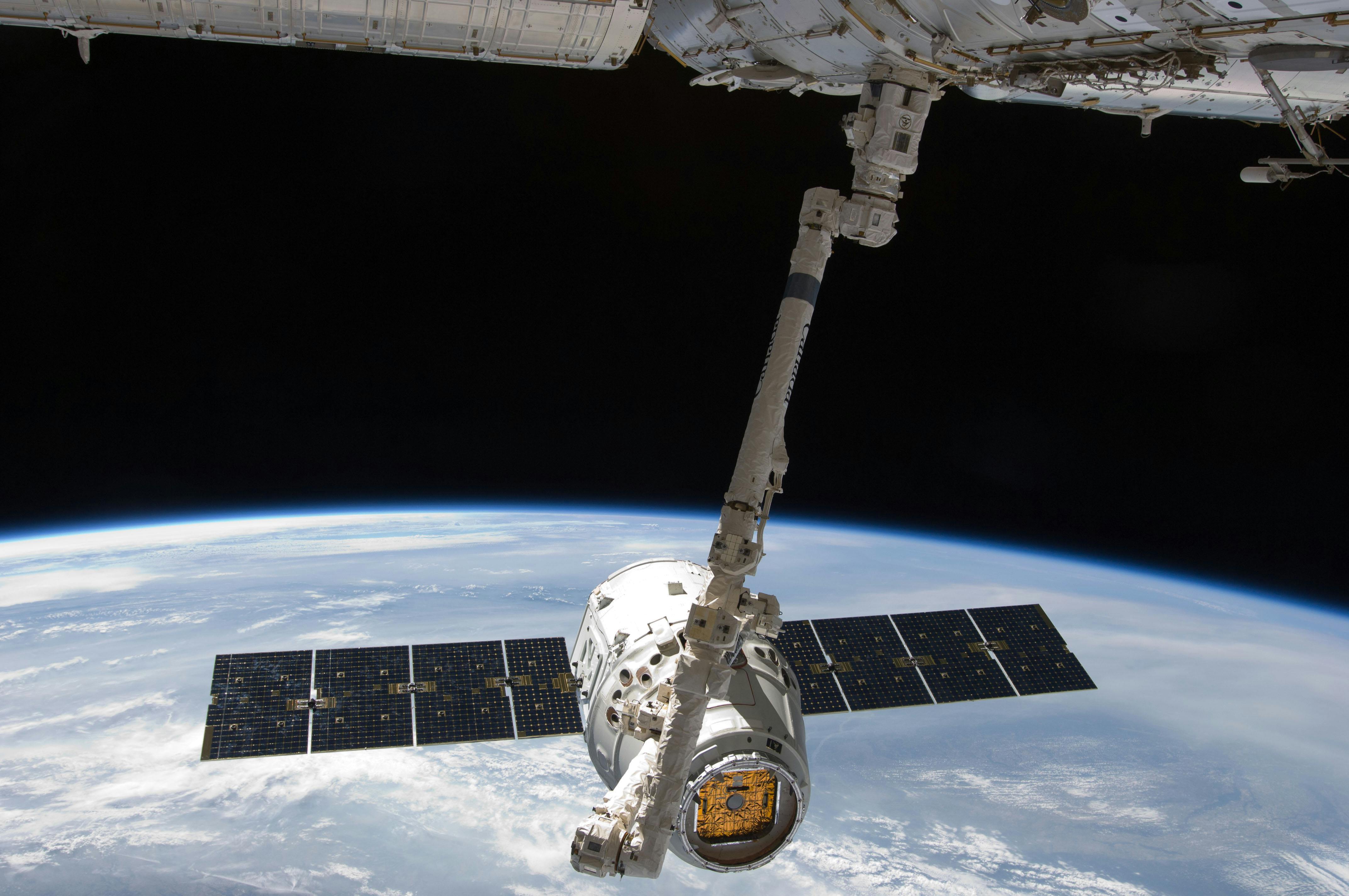
STARLINK-32126 Satellite Image
Additional Sources
Launch Details

Launch Date

July 28, 2024

Launch Pad

LC40

Launch Vehicle

Falcon 9

Orbital Elements

NORAD ID

60295

International Designator

2024-132T

Epoch

Mon, 20 Jul 2026 05:58:31 GMT

Apogee

Calculating...

Perigee

Calculating...

Inclination

53.16°

Right Ascension

156.15°

Eccentricity

Calculating...

Argument of Perigee

249.75°

Period

94.00 min

Mean Motion

15.32 rev/day

Latitude

Calculating...

Longitude

Calculating...

Altitude

Calculating...

Velocity

Calculating...

Polar Plot
3D Visualization
Basic Satellite Info

Name

STARLINK-32126

Alternative Name

Starlink 32126

Type

Payload

Status

Operational

Owner

SPXS

Country

United States

Constellation

N/A

Related Satellites

Major Events

N/A

Latest TLEs
1 60295U 24132T   26201.24897157 -.00054363  00000+0 -17387-2 0  9998
2 60295  53.1590 156.1522 0000806 249.7476 110.3439 15.31957005111866

Source: Celestrak

Summary
The Starlink V2M satellite, designated STARLINK-32126 or Starlink 32126, was launched on July 28, 2024, from the LC40 pad at AFETR using a Falcon 9 launch vehicle. It has dimensions of 0.3 meters in length and 4.1 meters in diameter with a span of 29 meters. The satellite is equipped with a Ku/Ka/E-band payload along with an optical inter-satellite link for communication purposes. Its dry mass is 700 kg, and it weighs 730 kg at launch. It features solar arrays and batteries for power generation and uses Argon ion thrusters as its motor. The satellite's shape consists of a box with a pan design, manufactured by SPXS and owned by the same entity under the Starlink Group 10-4-18 mission.

Starlink is a satellite constellation developed by SpaceX with the aim of providing global broadband internet coverage. Thousands of small satellites are deployed in low Earth orbit (LEO), enabling high-speed internet access even in remote areas. However, the rapid increase in satellites raises concerns about space debris and the potential for collisions, which can lead to further debris creation and endanger other spacecraft. Additionally, the sheer number of Starlink satellites can affect astronomical observations by increasing light pollution. Proper deorbiting plans and international coordination are essential to mitigate these challenges and ensure long-term sustainability in space.
Physical Characteristics

Length

0.3

Diameter

4.1

Span

29

Dry Mass

700

Launch Mass

730

Shape

Box + pan

Radar Cross Section

Unknown

Visual Magnitude

Unknown

Color

Unknown

Material Composition

Unknown

Technical Details

Payload

Starlink Group 10-4-18

Purpose

Communication

Mission

Communication

Manufacturer

SPXS

Life Expectancy

Unknown

Bus

Starlink V2M

Configuration

Starlink v2 Mini

Motor

Argon ion thrusters

Equipment

Ku/Ka/E-band payload, optical inter-satellite link

Power System

Solar arrays, batteries

ADCS

Unknown

Transmitter Frequency

Unknown

Map
This tool will help you track the satellite's position and predict its upcoming passes over your location. Simply input the coordinates or click the geolocation button to get started.
Next Pass
Azimuth Elevation Time (Local)
Start Azimuth
Max Elevation
Stop Azimuth
Time Until
Pass Duration

Satellite Articles

View All Posts »

Learn more about satellites and other related topics.

How a Parachutist Named Seagull Became the First Woman in Space

How a Parachutist Named Seagull Became the First Woman in Space

On 16 June 1963, a 26-year-old former textile worker named Valentina Tereshkova launched aboard Vostok 6 and spent nearly three days alone in orbit. She flew 48 times around the Earth, longer than every American astronaut combined, and spotted a dangerous flaw in her descent program that ground controllers had missed.

X Report 14 May 2025

X Report 14 May 2025

SpaceX conducted significant test firings and further expanded its satellite fleet, while the EU scrutinizes Starlink's market impact amid ongoing space industry negotiations.

SpaceX Hits 600th Falcon 9 Launch, ISS Crew Restored to Seven | KeepTrack X Report

SpaceX Hits 600th Falcon 9 Launch, ISS Crew Restored to Seven | KeepTrack X Report

SpaceX launches 600th Falcon 9 rocket with Starlink 17-13 mission. Crew Dragon docks at ISS restoring crew to seven. Crew-12 launched on Friday the 13th in a first for NASA.

Space Brief 27 Feb 2025

Space Brief 27 Feb 2025

Today's highlights include Rocket Lab's progress on the Space Force's VICTUS HAZE mission, BlackSky's new government contract, and AEI's policy recommendations for Space Force restructuring.

Boeing Ramps Up Missile-Tracking Sensor Production for Military Sats | KeepTrack Space Brief

Boeing Ramps Up Missile-Tracking Sensor Production for Military Sats | KeepTrack Space Brief

Boeing opens new facility to boost missile-tracking sensor production for military satellites. Tory Bruno joins Blue Origin for national security projects. 25 Starlink sats launched.

X Report 15 Aug 2025

X Report 15 Aug 2025

SpaceX achieves significant milestones with multiple satellite launches and ongoing challenges in rural broadband funding. Noteworthy advances in Starlink capabilities enhance international connectivity.

Space Brief 2 Dec 2025

Space Brief 2 Dec 2025

Today's brief covers China's classified Shijian-28 satellite launch, AI-designed spacecraft records, and upcoming global launch activities.

China's Shenlong Spaceplane Releases Mystery Object | KeepTrack Space Brief

China's Shenlong Spaceplane Releases Mystery Object | KeepTrack Space Brief

China's Shenlong spaceplane released an unidentified object in orbit, drawing scrutiny amid U.S. Space Force Victus Haze RPO demonstrations. Tracking data critical.