STARLINK-32122 (60285)

COSPAR: 2024-132H | Alt Name: Starlink 32122

Image
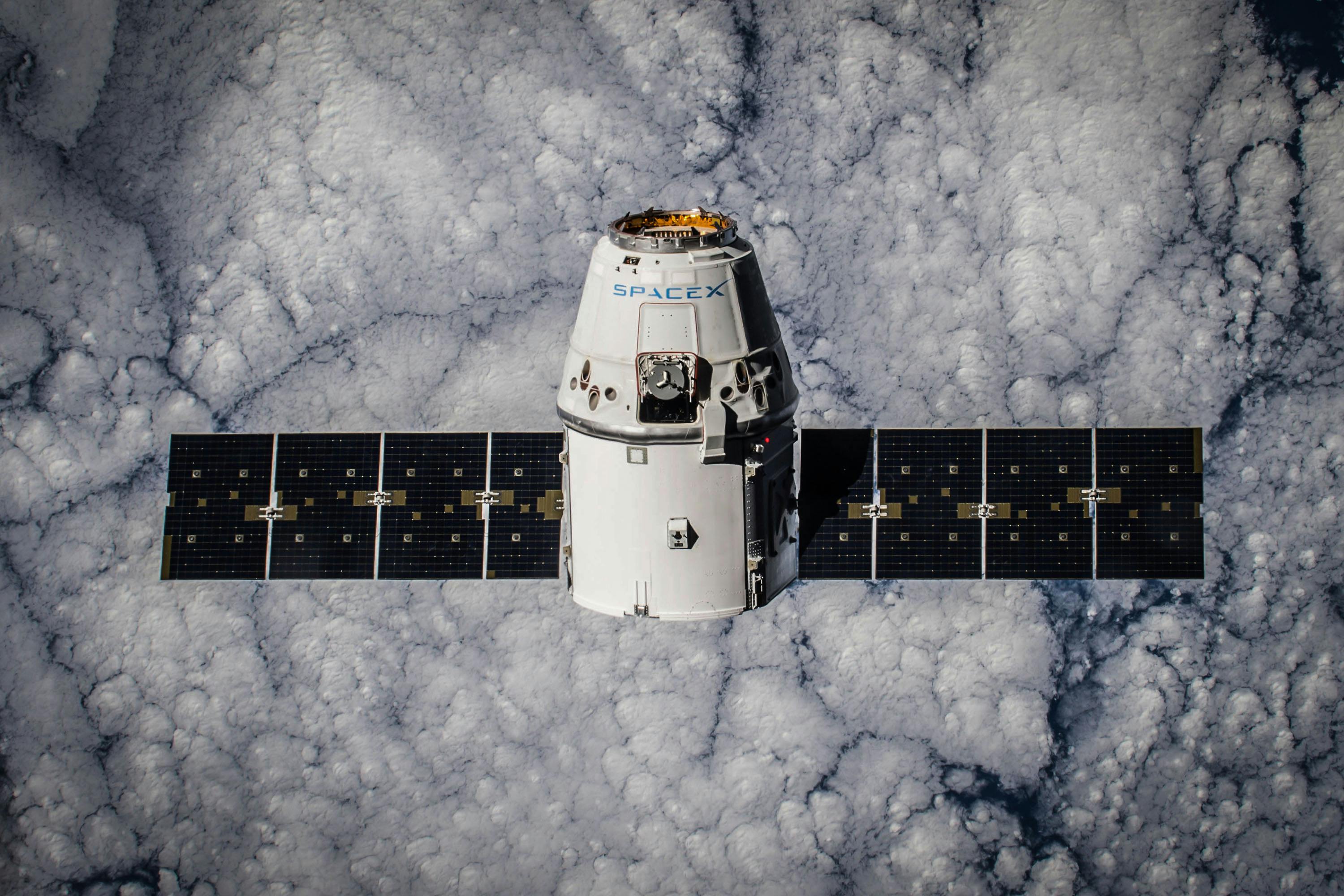
STARLINK-32122 Satellite Image
Additional Sources
Launch Details

Launch Date

July 28, 2024

Launch Pad

LC40

Launch Vehicle

Falcon 9

Orbital Elements

NORAD ID

60285

International Designator

2024-132H

Epoch

Mon, 20 Jul 2026 06:45:09 GMT

Apogee

Calculating...

Perigee

Calculating...

Inclination

53.16°

Right Ascension

156.35°

Eccentricity

Calculating...

Argument of Perigee

81.63°

Period

94.01 min

Mean Motion

15.32 rev/day

Latitude

Calculating...

Longitude

Calculating...

Altitude

Calculating...

Velocity

Calculating...

Polar Plot
3D Visualization
Basic Satellite Info

Name

STARLINK-32122

Alternative Name

Starlink 32122

Type

Payload

Status

Operational

Owner

SPXS

Country

United States

Constellation

N/A

Related Satellites

Major Events

N/A

Latest TLEs
1 60285U 24132H   26201.28135910  .00000795  00000+0  37361-4 0  9997
2 60285  53.1599 156.3534 0001324  81.6332 278.4820 15.31707825111862

Source: Celestrak

Summary
The Starlink V2M satellite, designated STARLINK-32122 or Starlink 32122, was launched on July 28, 2024, from the Cape Canaveral Space Force Station (AFETR) using a Falcon 9 launch vehicle. The spacecraft has dimensions of 0.3 meters in length and 4.1 meters in diameter with a span of 29 meters due to its solar arrays or other deployable structures. It weighs 700 kilograms dry, with a launch mass of 730 kilograms. Equipped with a Ku/Ka/E-band payload for communication purposes and an optical inter-satellite link, the satellite uses Argon ion thrusters for propulsion and relies on solar arrays and batteries for power generation. The satellite is owned by SpaceX (SPXS) and serves as part of the Starlink Group 10-4-08 constellation for providing communication services.

Starlink is a satellite constellation developed by SpaceX with the aim of providing global broadband internet coverage. Thousands of small satellites are deployed in low Earth orbit (LEO), enabling high-speed internet access even in remote areas. However, the rapid increase in satellites raises concerns about space debris and the potential for collisions, which can lead to further debris creation and endanger other spacecraft. Additionally, the sheer number of Starlink satellites can affect astronomical observations by increasing light pollution. Proper deorbiting plans and international coordination are essential to mitigate these challenges and ensure long-term sustainability in space.
Physical Characteristics

Length

0.3

Diameter

4.1

Span

29

Dry Mass

700

Launch Mass

730

Shape

Box + pan

Radar Cross Section

Unknown

Visual Magnitude

Unknown

Color

Unknown

Material Composition

Unknown

Technical Details

Payload

Starlink Group 10-4-08

Purpose

Communication

Mission

Communication

Manufacturer

SPXS

Life Expectancy

Unknown

Bus

Starlink V2M

Configuration

Starlink v2 Mini

Motor

Argon ion thrusters

Equipment

Ku/Ka/E-band payload, optical inter-satellite link

Power System

Solar arrays, batteries

ADCS

Unknown

Transmitter Frequency

Unknown

Map
This tool will help you track the satellite's position and predict its upcoming passes over your location. Simply input the coordinates or click the geolocation button to get started.
Next Pass
Azimuth Elevation Time (Local)
Start Azimuth
Max Elevation
Stop Azimuth
Time Until
Pass Duration

Satellite Articles

View All Posts »

Learn more about satellites and other related topics.

Who Owns SpaceX in 2026? Ownership, Valuation, and the Trillion-Dollar IPO

Who Owns SpaceX in 2026? Ownership, Valuation, and the Trillion-Dollar IPO

Elon Musk controls 79% of SpaceX's votes with just 42% of the equity - and the company just merged with his AI startup at a $1.25 trillion valuation. Here's who actually owns what, how the money works, and what a $1.75 trillion IPO means for investors.

The Day Two Satellites Hit Each Other at 26,000 MPH

The Day Two Satellites Hit Each Other at 26,000 MPH

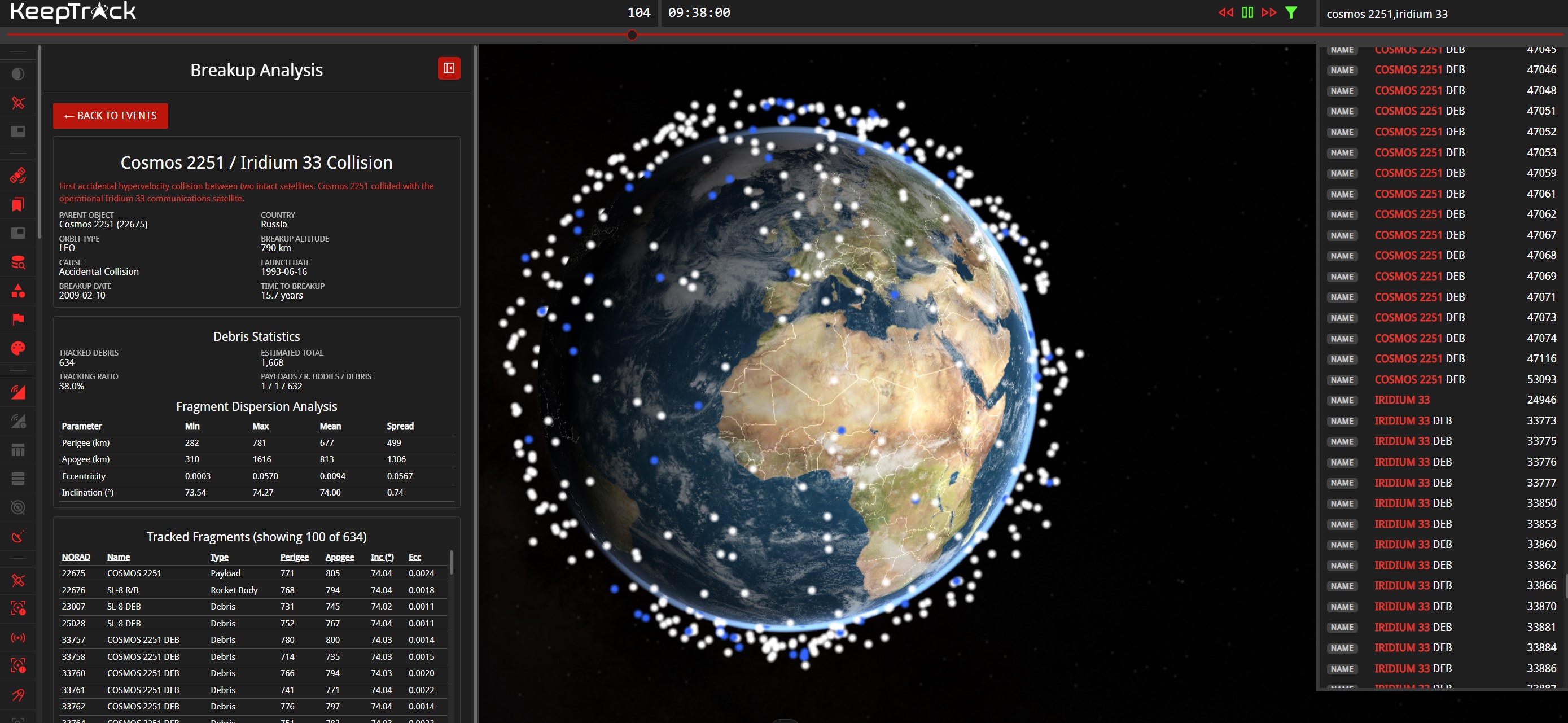
On February 10, 2009, an active Iridium communications satellite and a derelict Soviet military spacecraft slammed into each other 789 kilometers above Siberia. The collision produced more than 2,300 pieces of trackable debris that are still up there. Seventeen years later, the Iridium-Cosmos collision remains the event that made space debris a policy problem the world could no longer ignore.

Space Brief 21 Sep 2025

Space Brief 21 Sep 2025

Today's Space Brief covers a significant signals intelligence launch, a record-breaking satellite deployment in China, a glimpse into the newest stealth drone, a potential delay for NASA's lunar lander, and more exciting updates from satellite world.

Space Brief 4 Mar 2025

Space Brief 4 Mar 2025

Today's brief covers the historic lunar touchdown by Firefly Aerospace's Blue Ghost lander, highlights in military space activity, and a reflection on Pearl Young's pioneering legacy at NASA.

X Report 1 Aug 2025

X Report 1 Aug 2025

SpaceX successfully launched 19 Starlink satellites from California amidst a weather-related scrub of the Crew-11 mission to the ISS, showcasing the company’s focus on expanding its satellite constellation while overcoming operational challenges.

Space Brief 13 Dec 2024

Space Brief 13 Dec 2024

Today's brief highlights the U.S. Space Force's upcoming modular satellite mission, increased military reliance on commercial space intelligence, and the demand for expanded commercial reserve support. Learn more about these advancements alongside our Satellite Spotlight on Yaogan-30 B.

SpaceX Acquires xAI, Amazon Buys 10 More Falcon 9 Launches | KeepTrack X Report

SpaceX Acquires xAI, Amazon Buys 10 More Falcon 9 Launches | KeepTrack X Report

SpaceX officially acquires xAI for orbital data centers. Amazon buys 10 additional Falcon 9 launches for Project Kuiper. Starlink helps Iranian protesters bypass blackout.

Falcon Heavy Returns After 18-Month Hiatus for ViaSat-3 | KeepTrack X Report

Falcon Heavy Returns After 18-Month Hiatus for ViaSat-3 | KeepTrack X Report

SpaceX's Falcon Heavy lifts off for the 12th time after 18 months grounded, delivering the final ViaSat-3 satellite from LC-39A at 10:21 a.m. EDT.