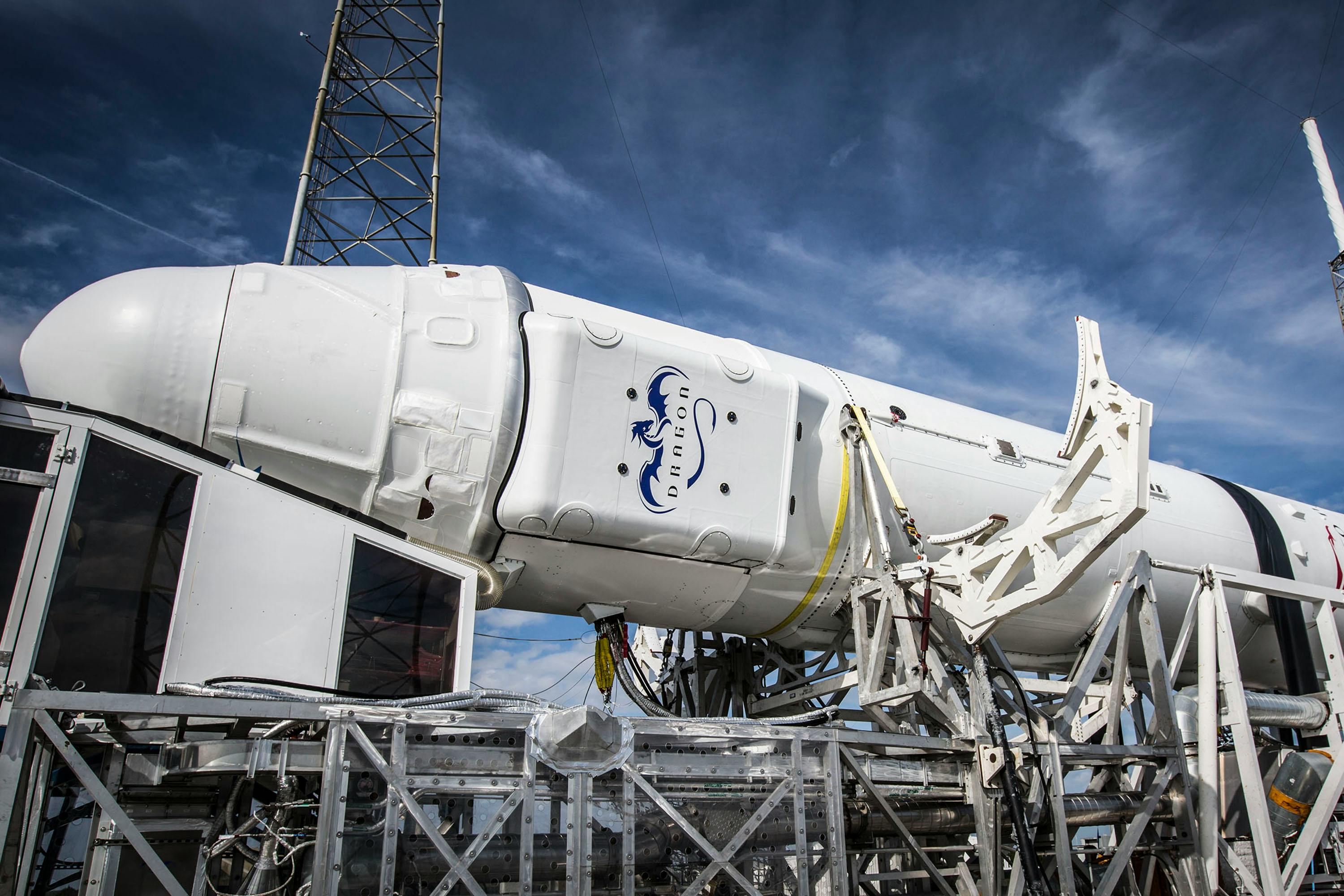
STARLINK-32113 (60282)

COSPAR: 2024-132E | Alt Name: Starlink 32113

Image
STARLINK-32113 Satellite Image
Additional Sources
Launch Details

Launch Date

July 28, 2024

Launch Pad

LC40

Launch Vehicle

Falcon 9

Orbital Elements

NORAD ID

60282

International Designator

2024-132E

Epoch

Mon, 20 Jul 2026 06:00:04 GMT

Apogee

Calculating...

Perigee

Calculating...

Inclination

53.16°

Right Ascension

156.48°

Eccentricity

Calculating...

Argument of Perigee

73.76°

Period

93.85 min

Mean Motion

15.34 rev/day

Latitude

Calculating...

Longitude

Calculating...

Altitude

Calculating...

Velocity

Calculating...

Polar Plot
3D Visualization
Basic Satellite Info

Name

STARLINK-32113

Alternative Name

Starlink 32113

Type

Payload

Status

Operational

Owner

SPXS

Country

United States

Constellation

N/A

Related Satellites

Major Events

N/A

Latest TLEs
1 60282U 24132E   26201.25004630  .00032597  00000+0  97246-3 0  9997
2 60282  53.1606 156.4838 0001324  73.7603 122.2424 15.34375254  5867

Source: Celestrak

Summary
STARLINK-32113 is a Starlink v2 Mini satellite (BUS: Starlink V2M) owned and operated by SPXS. Launched on July 28, 2024, from Cape Canaveral Air Force Station LC40 using a Falcon 9 launch vehicle, the satellite has dimensions of 0.3 meters in length with a diameter of 4.1 meters and a span of 29 meters. It weighs 730 kilograms at launch and has a dry mass of 700 kilograms. The satellite is equipped with Ku/Ka/E-band payload and an optical inter-satellite link for communication purposes, powered by solar arrays and batteries. Its propulsion system consists of Argon ion thrusters, designed for the Starlink Group 10-4-05 mission to enhance global communication capabilities.

Starlink is a satellite constellation developed by SpaceX with the aim of providing global broadband internet coverage. Thousands of small satellites are deployed in low Earth orbit (LEO), enabling high-speed internet access even in remote areas. However, the rapid increase in satellites raises concerns about space debris and the potential for collisions, which can lead to further debris creation and endanger other spacecraft. Additionally, the sheer number of Starlink satellites can affect astronomical observations by increasing light pollution. Proper deorbiting plans and international coordination are essential to mitigate these challenges and ensure long-term sustainability in space.
Physical Characteristics

Length

0.3

Diameter

4.1

Span

29

Dry Mass

700

Launch Mass

730

Shape

Box + pan

Radar Cross Section

Unknown

Visual Magnitude

Unknown

Color

Unknown

Material Composition

Unknown

Technical Details

Payload

Starlink Group 10-4-05

Purpose

Communication

Mission

Communication

Manufacturer

SPXS

Life Expectancy

Unknown

Bus

Starlink V2M

Configuration

Starlink v2 Mini

Motor

Argon ion thrusters

Equipment

Ku/Ka/E-band payload, optical inter-satellite link

Power System

Solar arrays, batteries

ADCS

Unknown

Transmitter Frequency

Unknown

Map
This tool will help you track the satellite's position and predict its upcoming passes over your location. Simply input the coordinates or click the geolocation button to get started.
Next Pass
Azimuth Elevation Time (Local)
Start Azimuth
Max Elevation
Stop Azimuth
Time Until
Pass Duration

Satellite Articles

View All Posts »

Learn more about satellites and other related topics.

Falcon Heavy Returns | A Six-Ton Bet on Geostationary Broadband

Falcon Heavy Returns | A Six-Ton Bet on Geostationary Broadband

Falcon Heavy flew for the first time in eighteen months on April 29, 2026, expending its center core to push Viasat's final ViaSat-3 satellite toward geostationary orbit. The mission is a flagship rocket doing what only it can still do, for an operator betting six tons of high-throughput hardware on a market Starlink is rapidly redefining.

Space Force Awards $3.2B for Orbital Missile Interceptors | KeepTrack Space Brief

Space Force Awards $3.2B for Orbital Missile Interceptors | KeepTrack Space Brief

Space Force awards $3.2 billion to 12 companies for Golden Dome boost-phase missile interceptor prototypes. Initial operational capability targeted for 2028.

X Report 25 Nov 2024

X Report 25 Nov 2024

SpaceX launches multiple Starlink batches, FAA updates for Starship, and NASA plans lunar cargo deliveries involving SpaceX and Blue Origin.

The Rise of Super Heavy-Lift Rockets

The Rise of Super Heavy-Lift Rockets

Super heavy-lift rockets are the most powerful launch vehicles ever built. They can send humans and cargo to the Moon, Mars, and beyond. But what are they, and why are they so important?

Space Force Opens Cape Canaveral and Vandenberg Pads to New Launch Providers | KeepTrack Space Brief

Space Force Opens Cape Canaveral and Vandenberg Pads to New Launch Providers | KeepTrack Space Brief

Space Force issues call for launch providers at Cape Canaveral and Vandenberg. Vandenberg opens Space Launch Complex 14 bidding with Feb 12 deadline. Electra pitches hybrid aircraft to Pentagon.

GAO Flags Risks in SDA Missile-Tracking Satellites, Lawmakers Push GPS Anti-Jam | KeepTrack Space Brief

GAO Flags Risks in SDA Missile-Tracking Satellites, Lawmakers Push GPS Anti-Jam | KeepTrack Space Brief

GAO warns SDA missile-tracking satellite program overestimates tech readiness. SPACECOM pushes expanded on-orbit warfighting exercises. Congress advocates for enhanced GPS anti-jam capabilities.

X Report 5 Dec 2024

X Report 5 Dec 2024

SpaceX achieves new milestones with Starlink launches, and Elon Musk's influence is a point of discussion. Telesat makes strides amid Starlink's growing dominance.

SpaceX Starfall Reentry Vehicle Plans Revealed by FAA | KeepTrack X Report

SpaceX Starfall Reentry Vehicle Plans Revealed by FAA | KeepTrack X Report

FAA documents expose SpaceX's Starfall reentry vehicle program, targeting in-space manufacturing support as the Starlink constellation holds 10,397 working satellites.