


X Report 7 Dec 2025
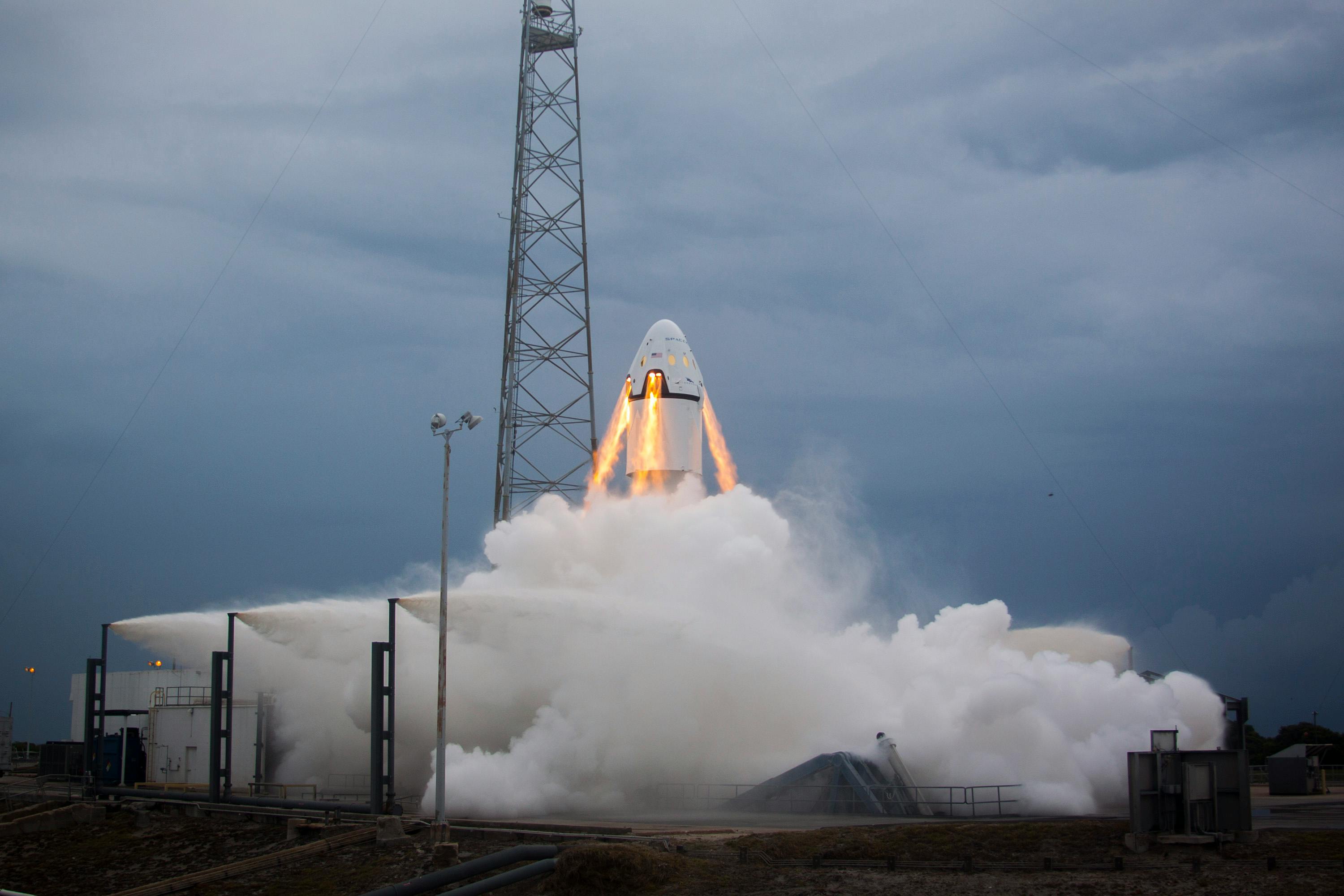
SpaceX receives approval for a new Starship launch complex, while Blue Origin capitalizes on potential challenges faced by SpaceX in lunar missions.


Launch Date
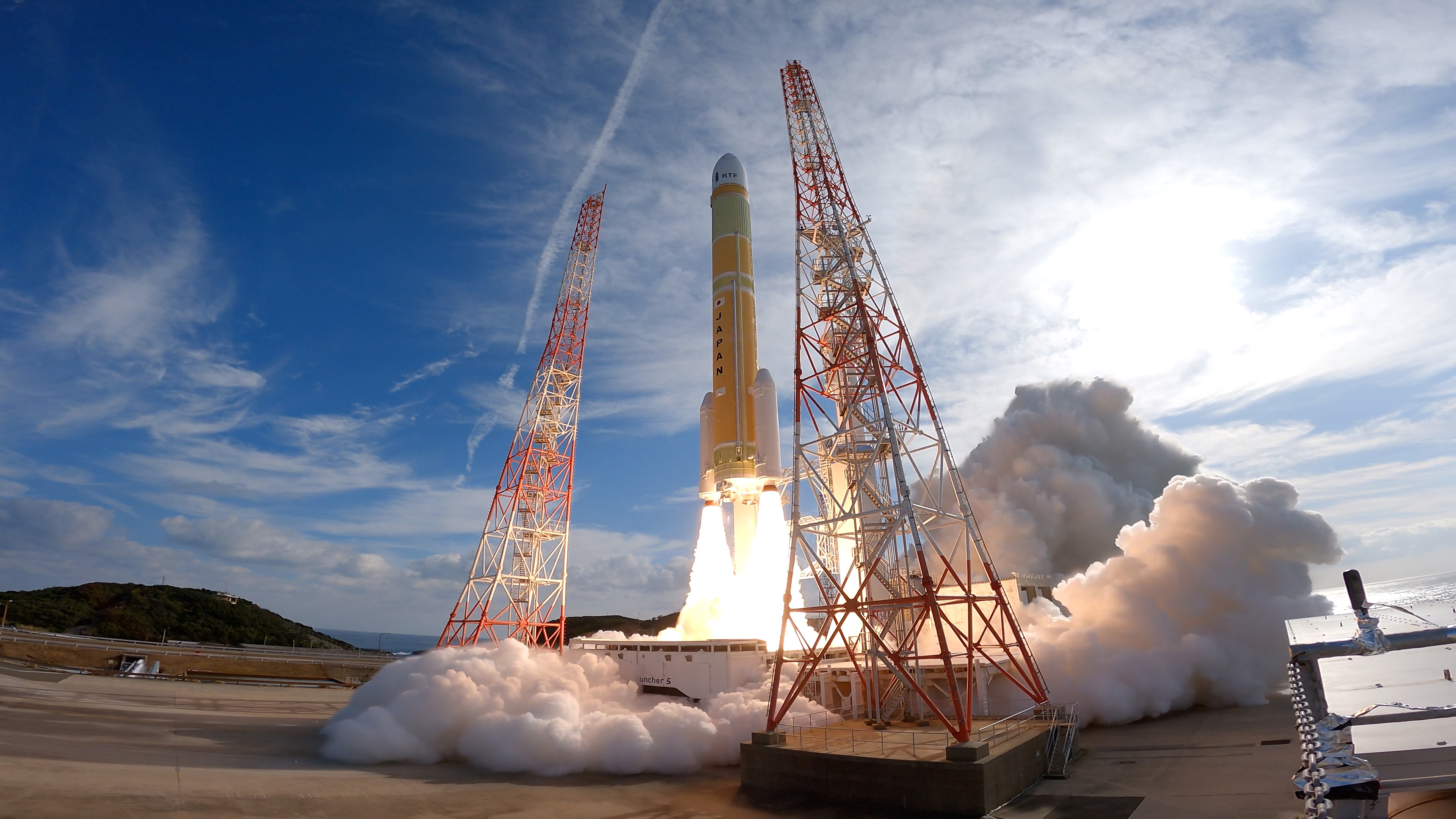
July 1, 2024
Launch Site
Tanegashima Space Center, Japan
Launch Pad
Yoshinobu Launch Complex
Launch Vehicle
H3-22S
NORAD ID
60182
International Designator
2024-123A
Epoch
Sun, 19 Jul 2026 19:48:16 GMT
Apogee
Calculating...
Perigee
Calculating...
Inclination
97.92°
Right Ascension
297.53°
Eccentricity
Calculating...
Argument of Perigee
98.16°
Period
97.33 min
Mean Motion
14.79 rev/day
Latitude
Calculating...
Longitude
Calculating...
Altitude
Calculating...
Velocity
Calculating...
Name
ALOS-4 (DAICHI-4)
Alternative Name
Daichi-4
Type
Status
Owner
Japan Aerospace Exploration Agency (JAXA)
Country
Japan
Constellation
ALOS Series
Related Satellites
Major Events
Launch on July 1, 2024; successful deployment of solar arrays and antennas; initiation of Earth observation operations.
1 60182U 24123A 26200.82518829 .00000618 00000+0 89649-4 0 9996
2 60182 97.9221 297.5326 0001542 98.1551 261.9835 14.79476713110706
Source: Celestrak
Length
10
Diameter
6.4
Span
20
Dry Mass
3000
Launch Mass
3000
Shape
Box-shaped bus with two solar array paddles
Radar Cross Section
Unknown
Visual Magnitude
Unknown
Color
White with black and blue accents
Material Composition
Aluminum and composite materials for the bus structure; gallium arsenide solar cells.
Payload
The primary payload is the PALSAR-3 radar system, complemented by the SPAISE3 AIS receiver for maritime monitoring.
Purpose
Earth Observation, Radar
Mission
ALOS-4 is designed for Earth observation using advanced radar technology to monitor disasters, forests, sea ice, and infrastructure. It aims to provide high-resolution images with a wide observation swath, enhancing capabilities over its predecessors.
Manufacturer
Mitsubishi Electric Corporation (MELCO)
Life Expectancy
7 years
Bus
ALOS
Configuration
Earth Observation Satellite
Motor
Attitude and Orbit Control System (AOCS)
Equipment
PALSAR-3 L-band Synthetic Aperture Radar, SPace based AIS Experiment 3 (SPAISE3)
Power System
Two deployable solar array paddles and batteries
ADCS
Three-axis stabilized with reaction wheels and gyroscopes
Transmitter Frequency
1.8/3.6 Gbps (Ka-band) for direct transmission; 1.8 Gbps for optical inter-orbit communications
Learn more about satellites and other related topics.
SpaceX receives approval for a new Starship launch complex, while Blue Origin capitalizes on potential challenges faced by SpaceX in lunar missions.
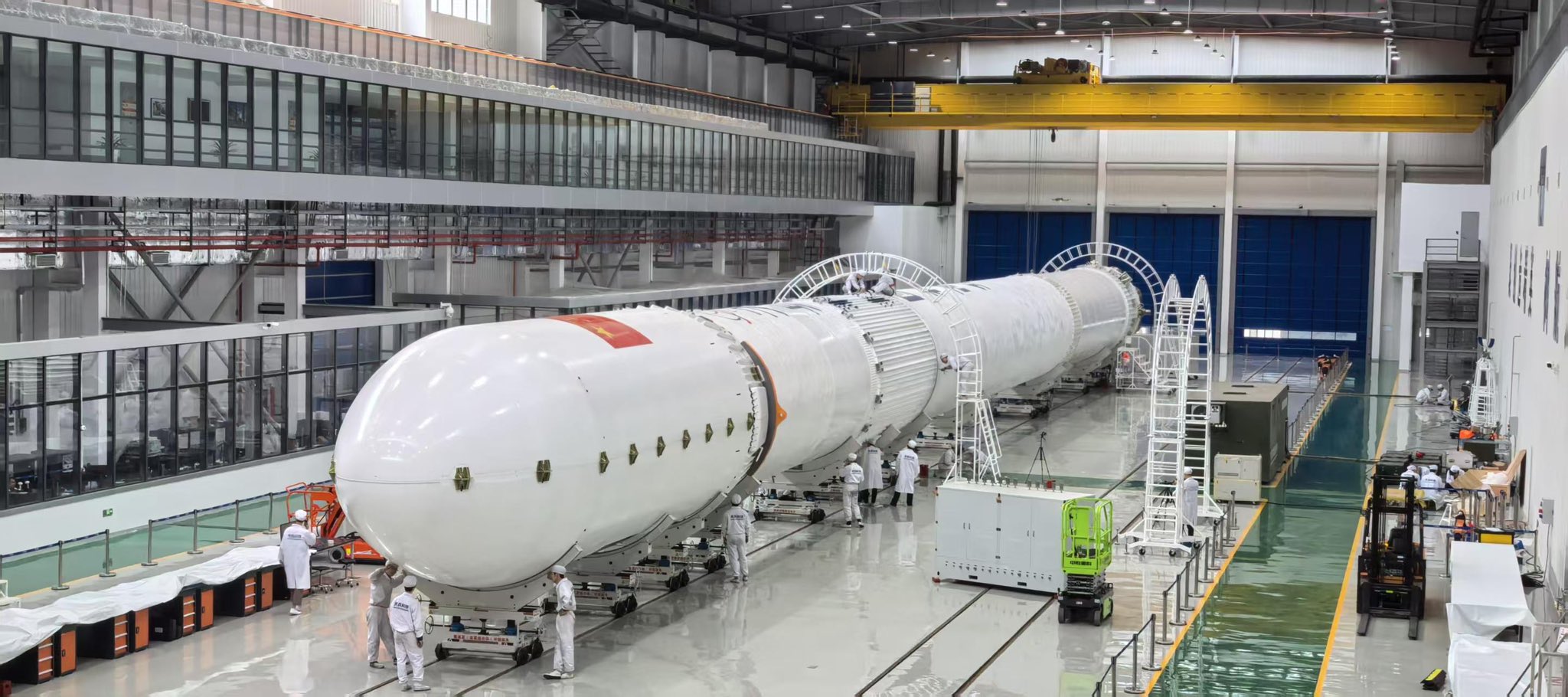
Second Starlink satellite malfunctioned on orbit and generated debris within three months of prior event. Falcon 9 booster completed record 34th mission from Cape Canaveral.

US military praised for space operations against Iran assessed as jamming or spoofing satellite communications. Electronic warfare effects invisible to orbital tracking data.

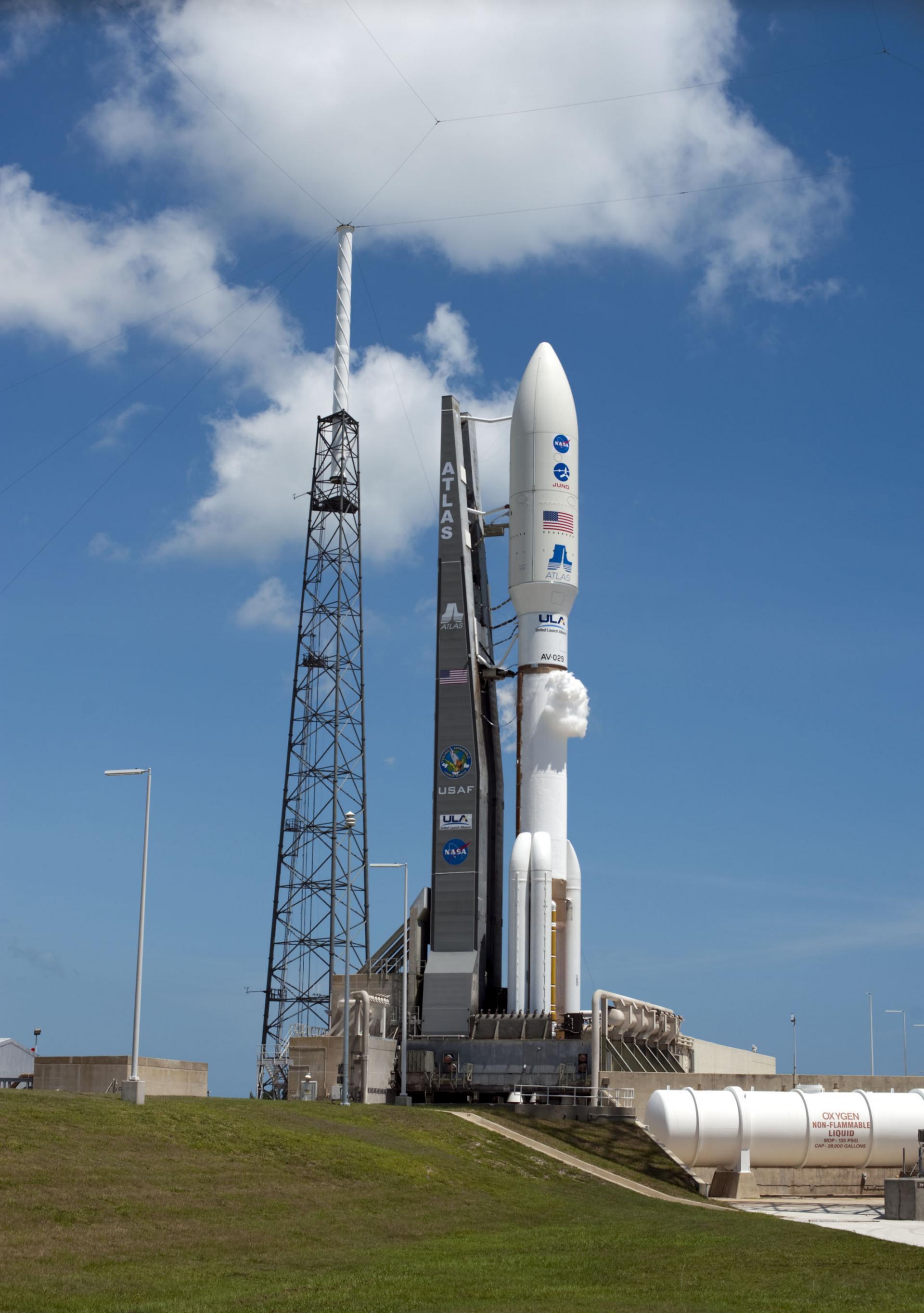
ULA's Vulcan rocket preps for USSF-87 national security launch to open 2026. Sierra Space delivers SDA Tranche 2 satellites three months early. NASA delays spacewalk for Crew-11 medical issue.
Today's brief covers a significant GPS satellite launch by SpaceX, China's classified satellite mission, and Rocket Lab's strategic steps in the defense sector.
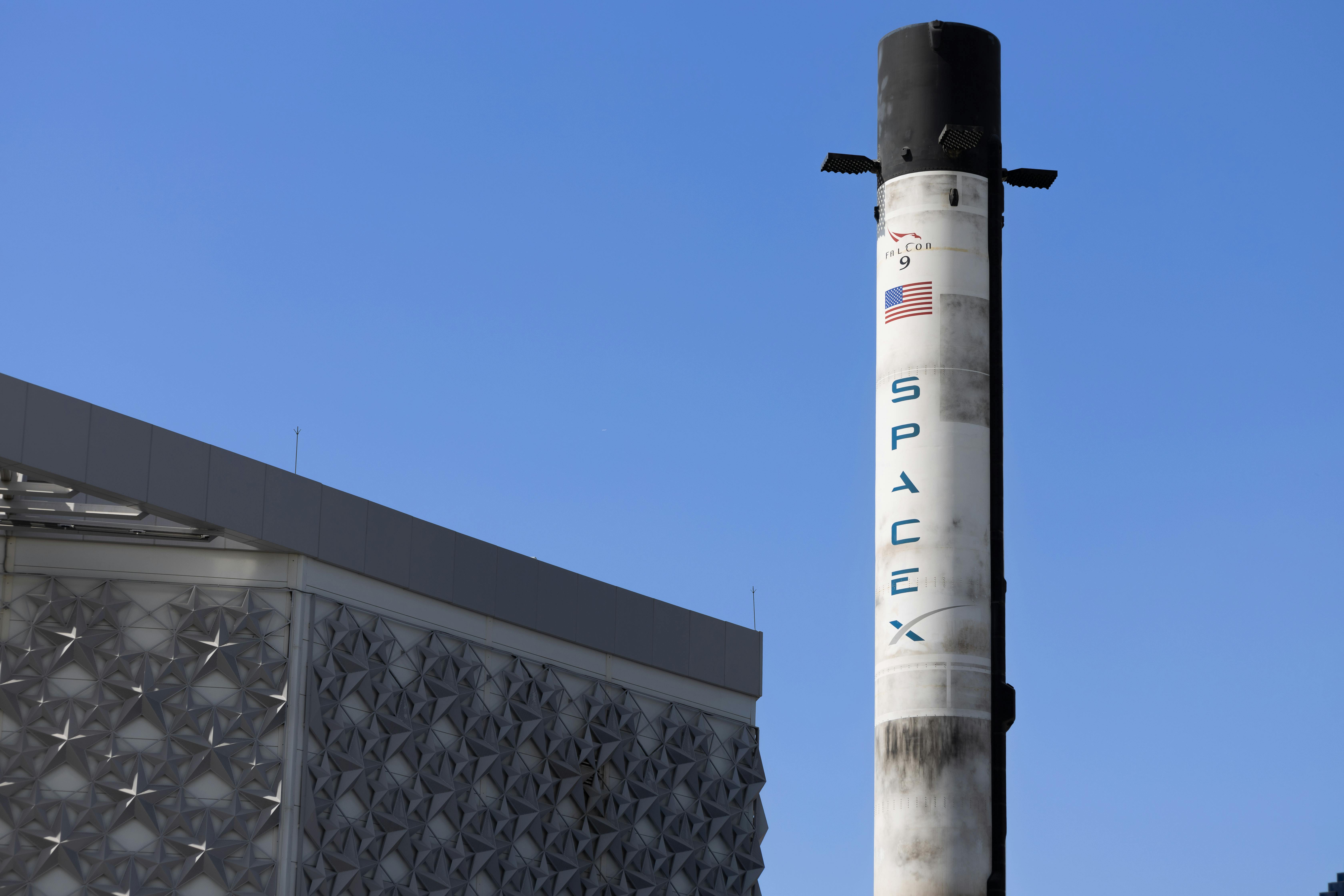
Today's brief highlights the upcoming X-37B military spaceplane launch, ongoing partnerships to protect radio astronomy, and West Virginia's minimal allocation of broadband subsidies to satellite providers like SpaceX.
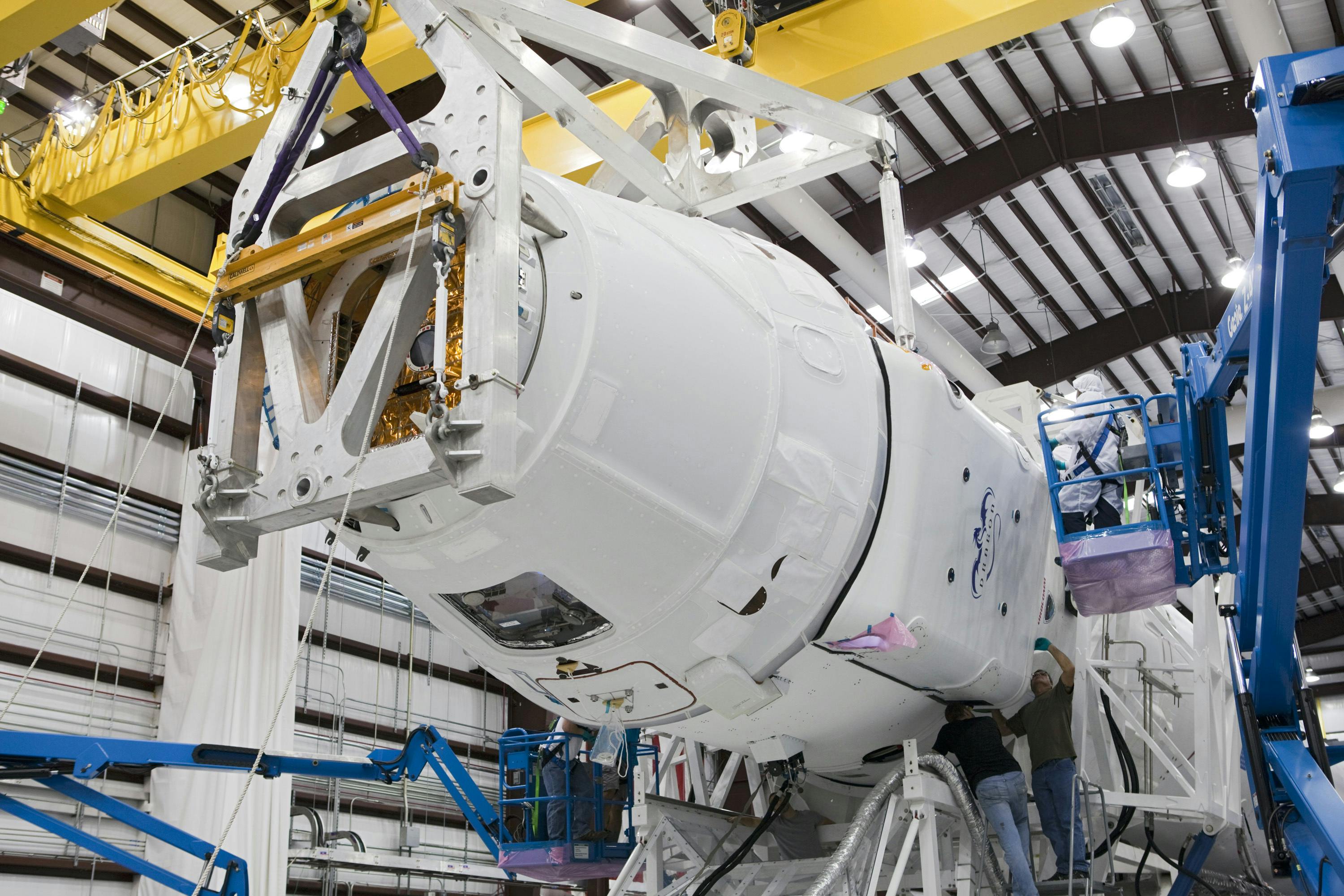
Elon Musk denies Starlink price reductions are driven by Amazon Kuiper competition. SpaceX launches 29 Starlink satellites in 18th constellation mission of 2026. Five more coming this week.
SpaceX prepares for its 100th Starlink launch while refining its lunar lander design for NASA's Artemis program amidst calls for architectural changes.