


X Report 28 Jun 2025
SpaceX continues to dominate with two Starlink launches in one day, the unveiling of its final Crew Dragon, and facing legal challenges from Mexico regarding a recent Starship incident.


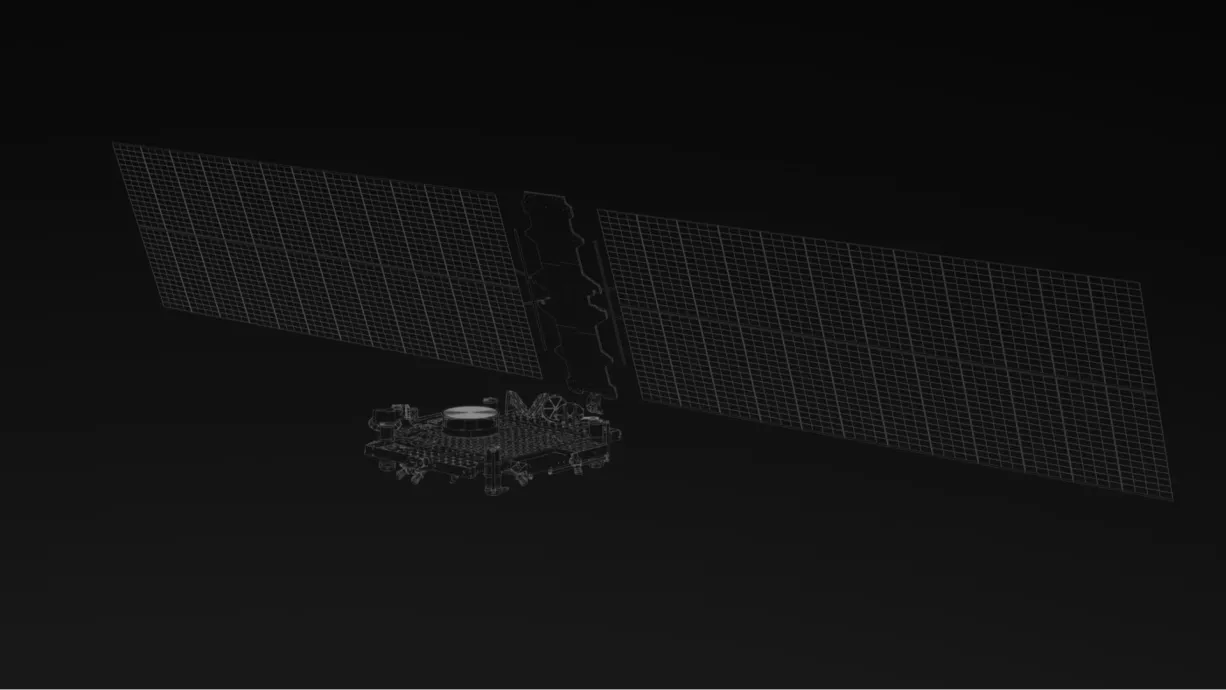
NORAD ID
60167
International Designator
2024-121K
Decay Date
Unknown
Name
USA 384
Alternative Name
USA 384
Type
Status
Owner
NROC
Country
United States
Constellation
N/A
Related Satellites
Major Events
N/A
Length
0.3
Diameter
4.1
Span
29
Dry Mass
700
Launch Mass
750
Shape
Box + pan
Radar Cross Section
Unknown
Visual Magnitude
Unknown
Color
Unknown
Material Composition
Unknown
Payload
Starshield 2-10
Purpose
Unknown (imaging or SIGINT)
Mission
Unknown (imaging or SIGINT)
Manufacturer
SPXS
Life Expectancy
Unknown
Bus
Starshield
Configuration
Starshield bus ?
Motor
?
Equipment
Unknown
Power System
deployable solar arrays
ADCS
Unknown
Transmitter Frequency
Unknown
Learn more about satellites and other related topics.
SpaceX continues to dominate with two Starlink launches in one day, the unveiling of its final Crew Dragon, and facing legal challenges from Mexico regarding a recent Starship incident.
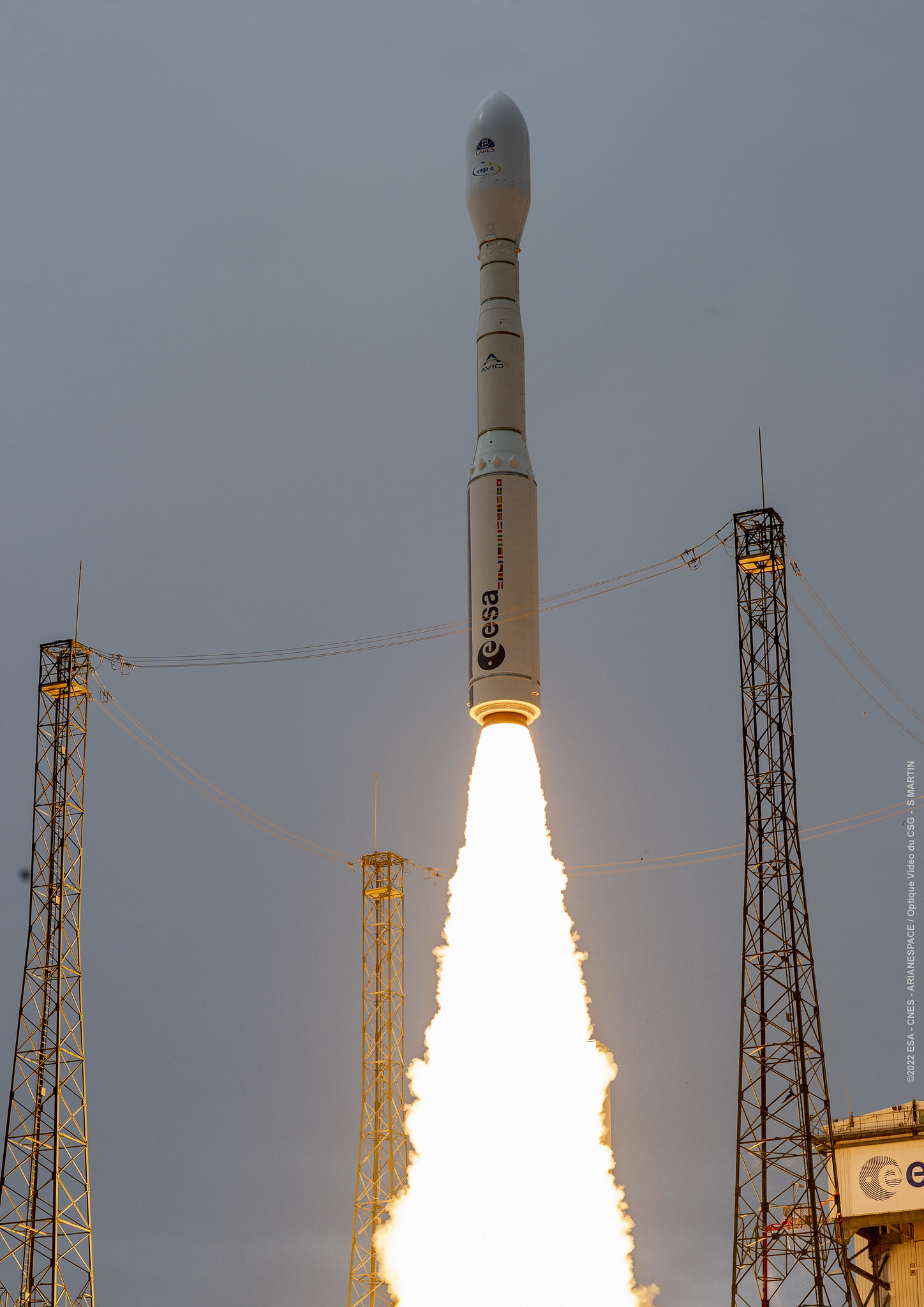
Today's space brief covers SpaceX's new contract with the U.S. Space Force, multiple Starlink launches, Rocket Lab's rapid launch success, and the final mission of Japan's H-IIA rocket.
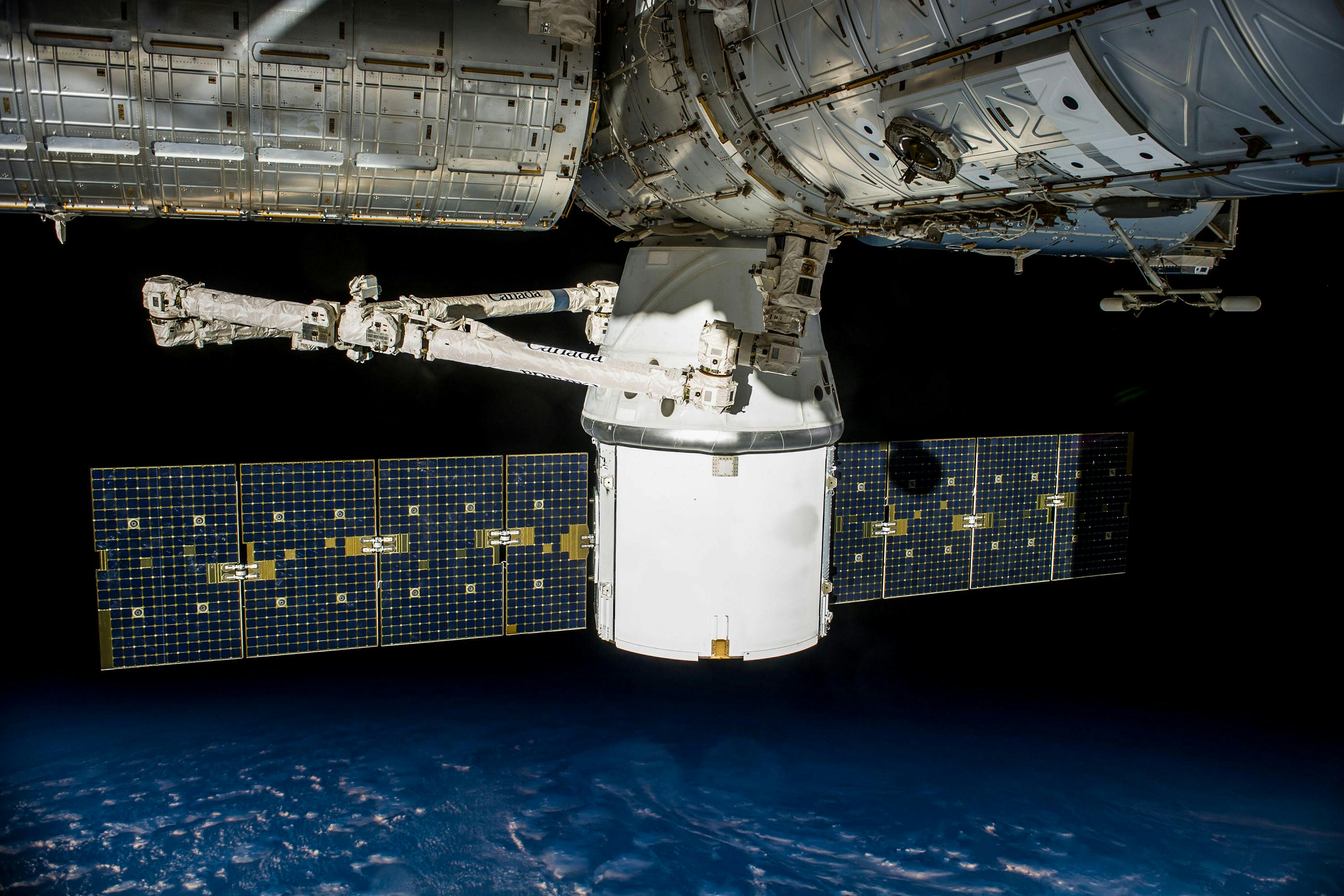
SpaceX prepares for Bandwagon-2 rideshare mission launch, while FAA updates license for Starship's next flight; Crew Dragon mission faces delays.
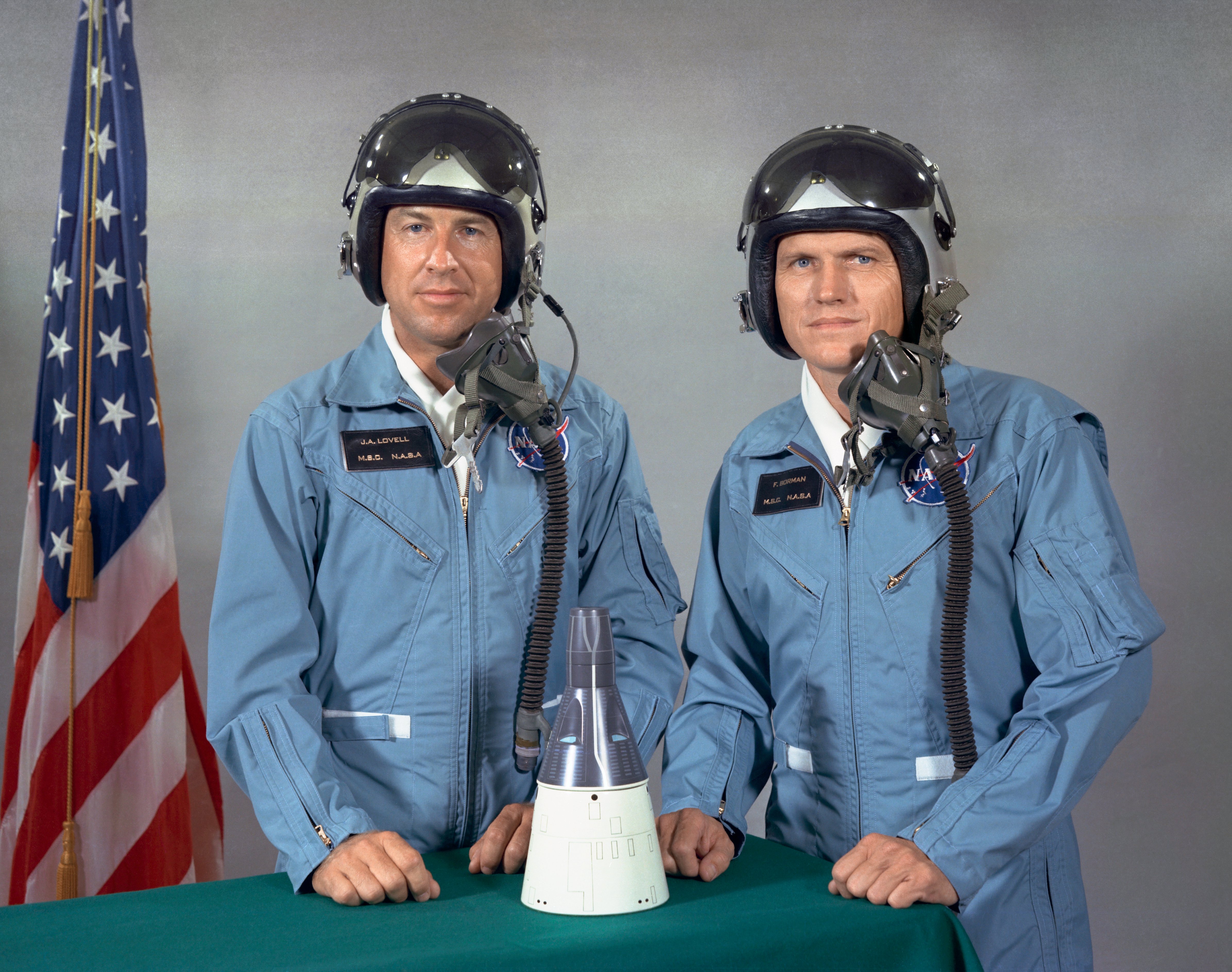
Sixty years ago, Frank Borman and James Lovell launched aboard Gemini 7 for a grueling 14-day mission that would prove humans could endure the journey to the moon and achieve the first true rendezvous in space

SpaceX Starlink connectivity equips Trump's $400M interim Air Force One as Falcon 9 prepares to orbit 24 more satellites on mission 17-28.
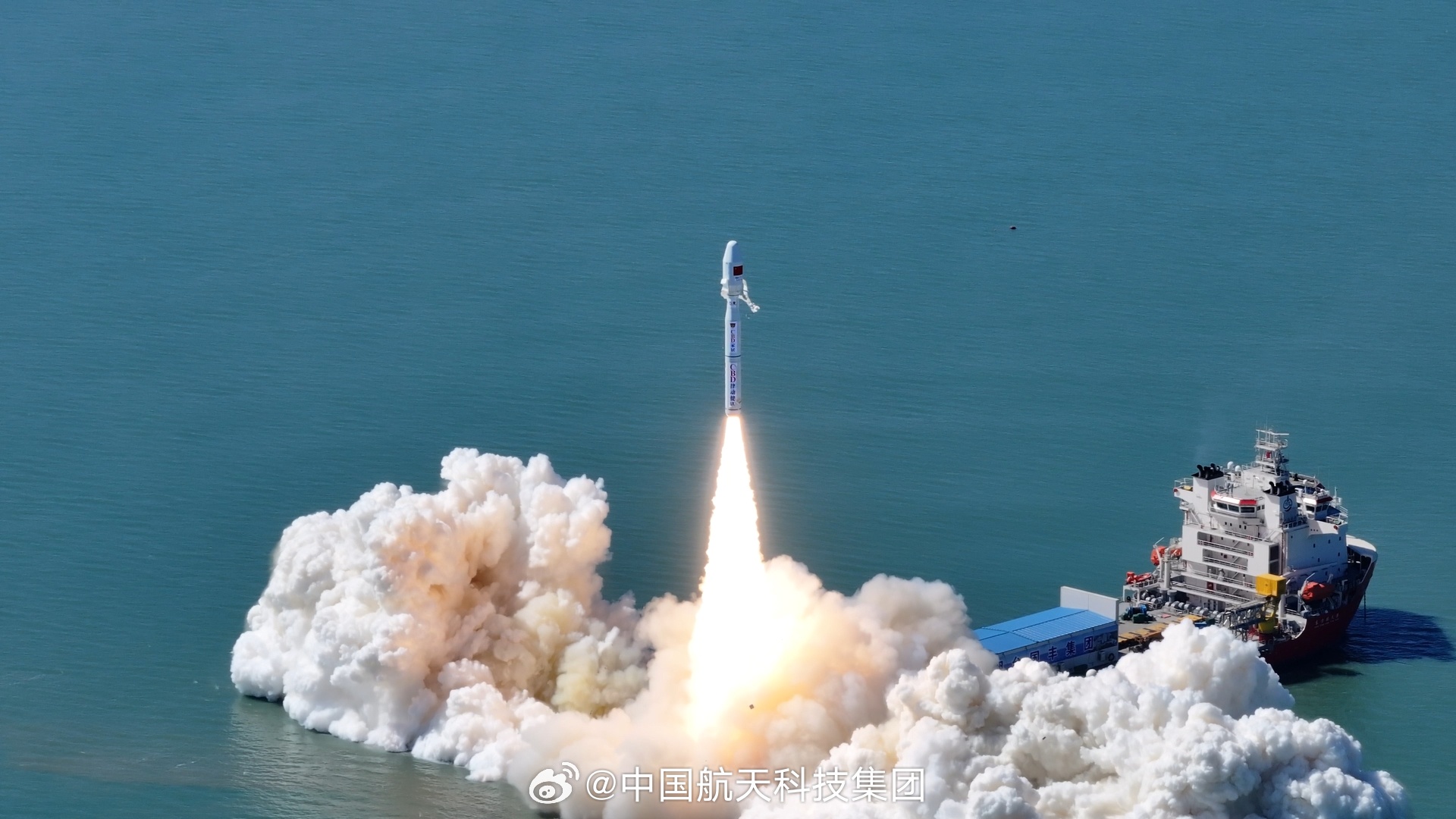
AI tools outperform human planners in Air Force battle management experiment. DARPA pursues quantum computing interoperability. Canada's Atlantic Spaceport Complex gets environmental approval.

SpaceX readies Starship Flight 13 for July 16 launch to deploy first Starlink V3 satellites as Falcon 9 logs its 600th booster reuse.
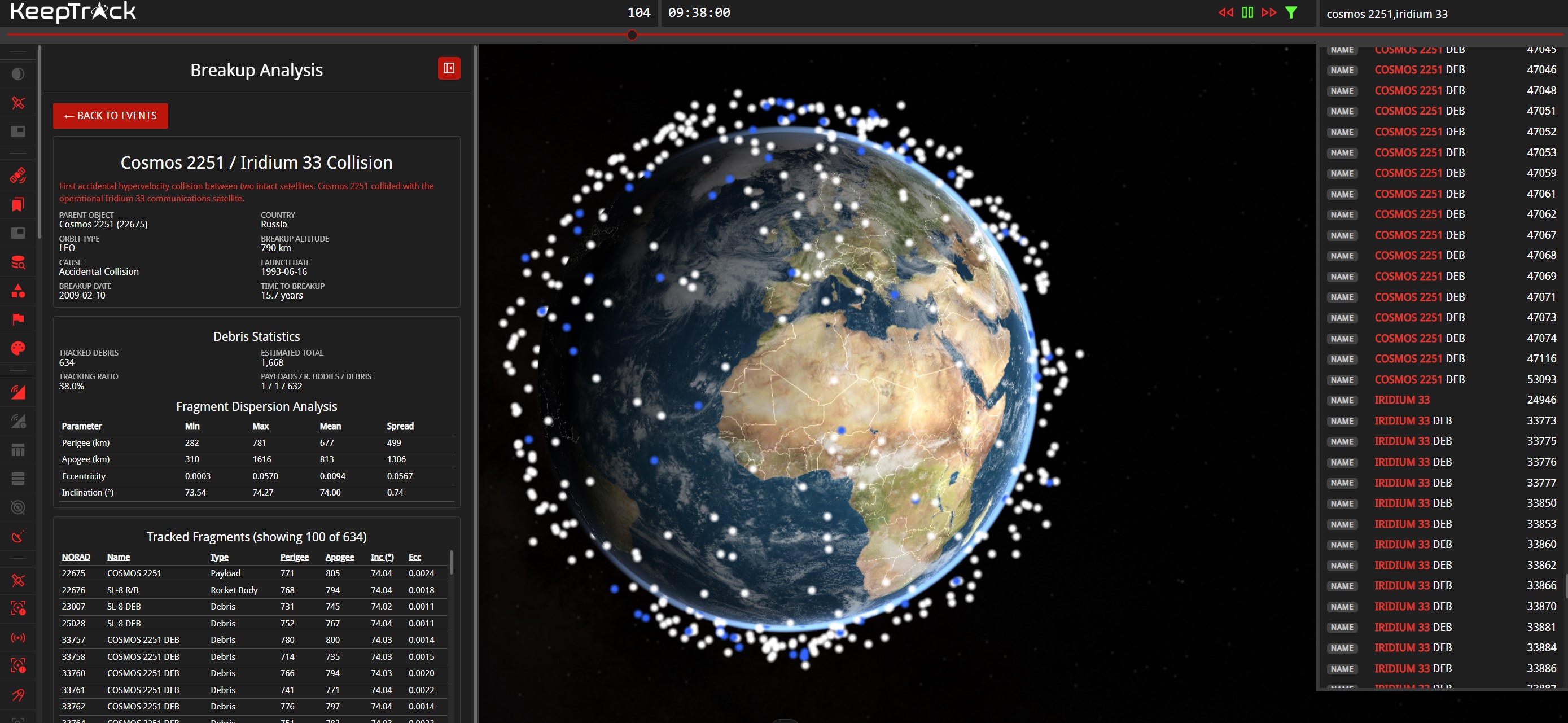
On February 10, 2009, an active Iridium communications satellite and a derelict Soviet military spacecraft slammed into each other 789 kilometers above Siberia. The collision produced more than 2,300 pieces of trackable debris that are still up there. Seventeen years later, the Iridium-Cosmos collision remains the event that made space debris a policy problem the world could no longer ignore.