


Space Brief 1 Jan 2025
Today's brief covers a record-breaking Starlink launch, FCC's allocation of additional spectrum for launches, and more. Plus, explore the intricacies of satellite Rassvet-2 No. 1 in our Satellite Spotlight.



Launch Date
June 27, 2024
Launch Site
Launch Pad
LC40
Launch Vehicle
NORAD ID
60153
International Designator
2024-120U
Epoch
Sun, 19 Jul 2026 21:47:05 GMT
Apogee
Calculating...
Perigee
Calculating...
Inclination
53.16°
Right Ascension
64.06°
Eccentricity
Calculating...
Argument of Perigee
78.67°
Period
93.85 min
Mean Motion
15.34 rev/day
Latitude
Calculating...
Longitude
Calculating...
Altitude
Calculating...
Velocity
Calculating...
Name
STARLINK-32131
Alternative Name
Starlink 32131
Type
Status
Owner
SPXS
Country
United States
Constellation
N/A
Related Satellites
Major Events
N/A
1 60153U 24120U 26200.90769691 -.00001335 00000+0 -28392-4 0 9992
2 60153 53.1600 64.0618 0001134 78.6668 281.4462 15.34385324116729
Source: Celestrak
Length
0.3
Diameter
4.1
Span
29
Dry Mass
700
Launch Mass
730
Shape
Box + pan
Radar Cross Section
Unknown
Visual Magnitude
Unknown
Color
Unknown
Material Composition
Unknown
Payload
Starlink Group 10-3-19
Purpose
Communication
Mission
Communication
Manufacturer
SPXS
Life Expectancy
Unknown
Bus
Starlink V2M
Configuration
Starlink v2 Mini
Motor
Argon ion thrusters
Equipment
Ku/Ka/E-band payload, optical inter-satellite link
Power System
Solar arrays, batteries
ADCS
Unknown
Transmitter Frequency
Unknown
Learn more about satellites and other related topics.
Today's brief covers a record-breaking Starlink launch, FCC's allocation of additional spectrum for launches, and more. Plus, explore the intricacies of satellite Rassvet-2 No. 1 in our Satellite Spotlight.

Landsat 7 launched on April 15, 1999, designed to last five years. It operated for twenty-five, survived a failure that destroyed a fifth of every image it took, and became part of the longest continuous record of Earth's surface ever assembled. Then they made the data free.

Today's brief highlights key advancements in space technology and innovative military initiatives. Featuring deep space tracking system upgrades, a push towards quantum communications in orbit, and critical radar developments.

Today's brief covers Firefly's acquisition, military tracking from the moon, France's boost in military space funding, and more.
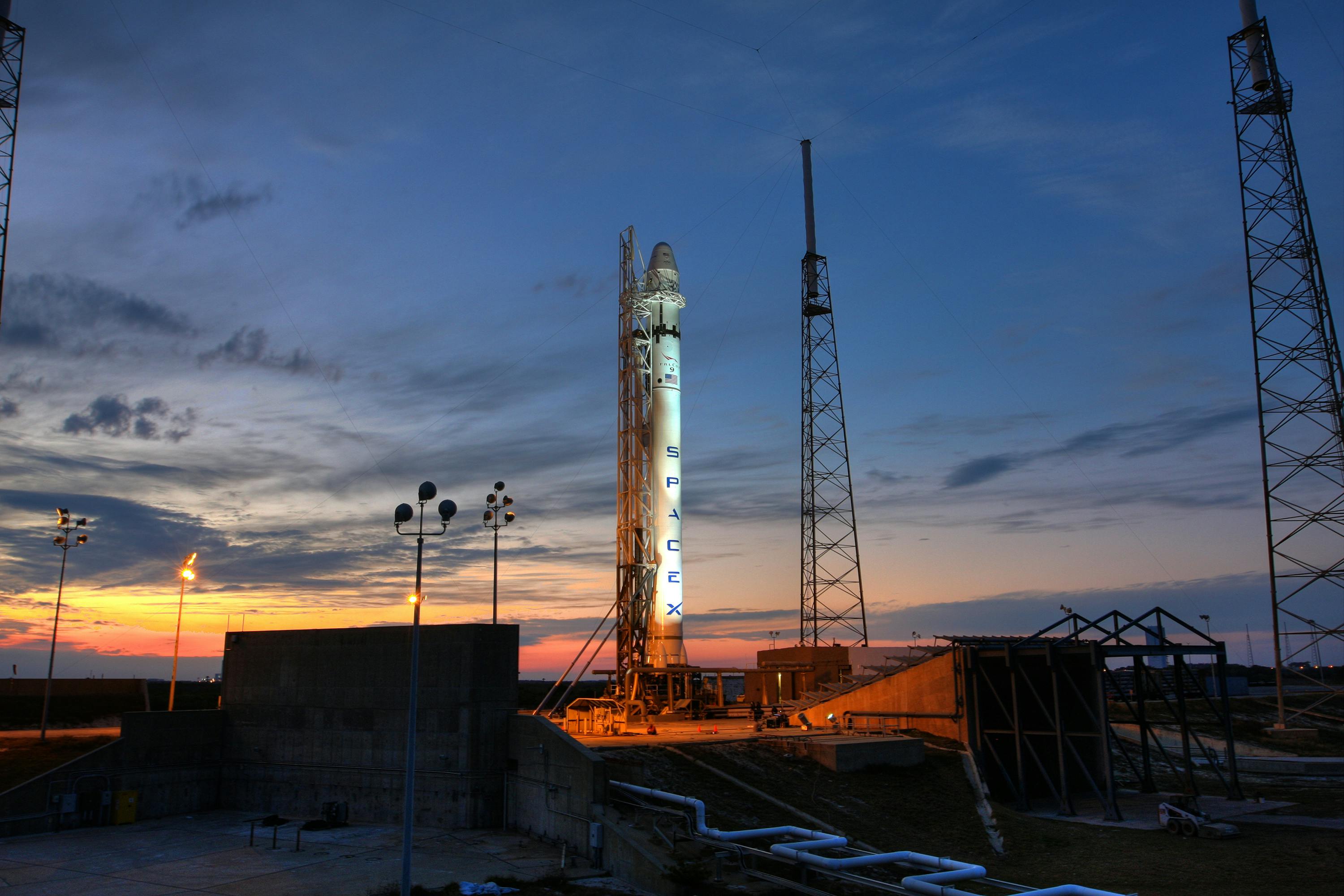
SpaceX successfully launched 29 Starlink satellites, bolstering its broadband network and expanding global internet coverage.
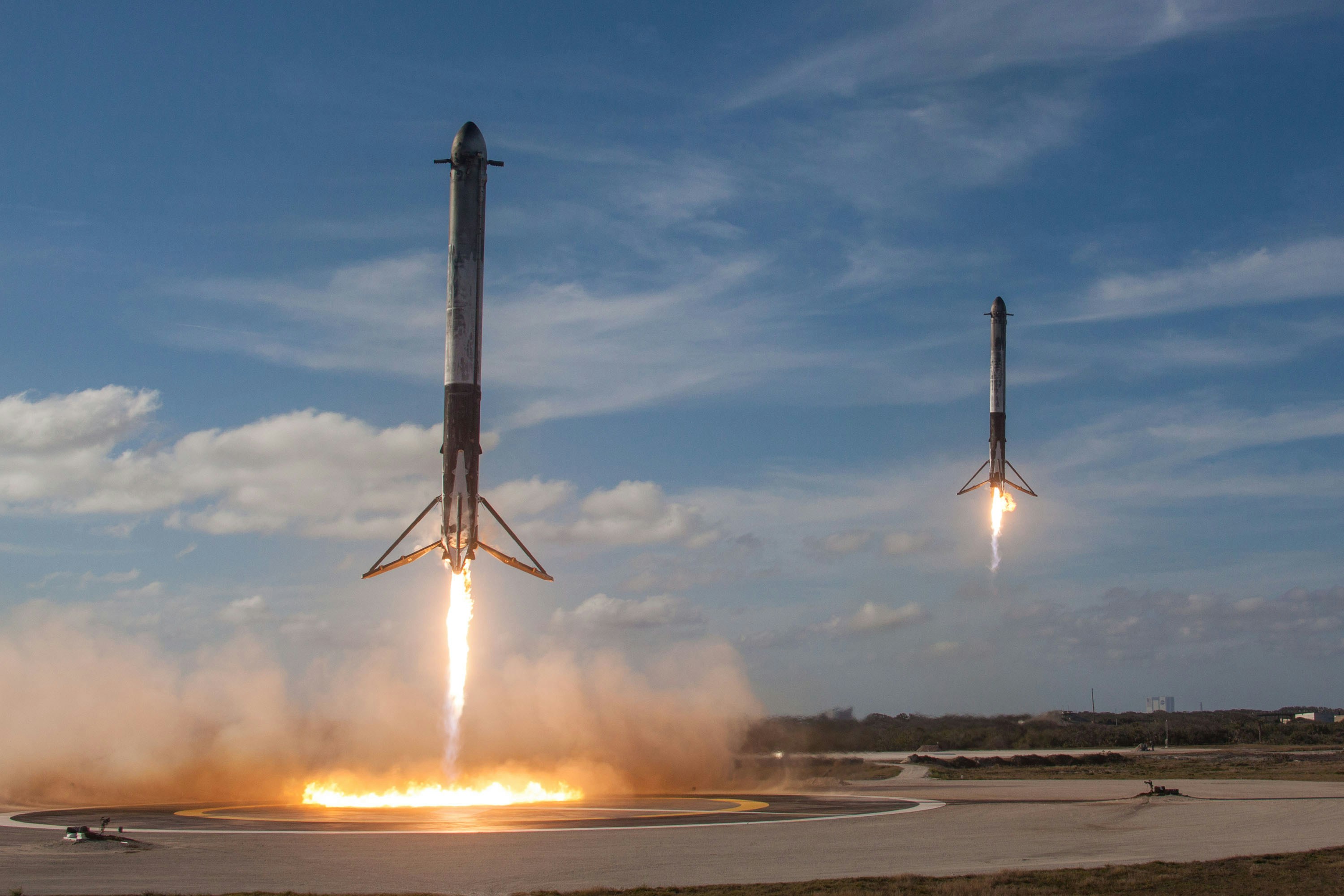
Rocket Lab will acquire Iridium for $8B to challenge SpaceX, whose Starlink constellation holds 10,706 working satellites of 12,390 launched.
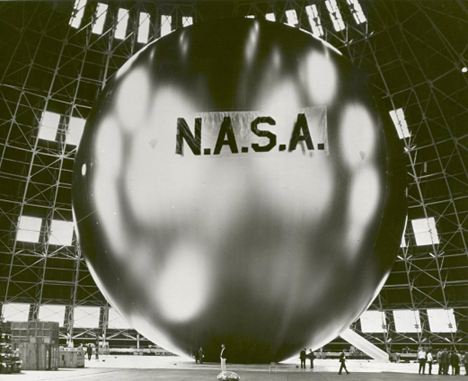
When a 135-foot inflatable mirror bounced a radio signal from England to Russia, it became the first joint US-Soviet space venture - and changed how we think about satellite communication.
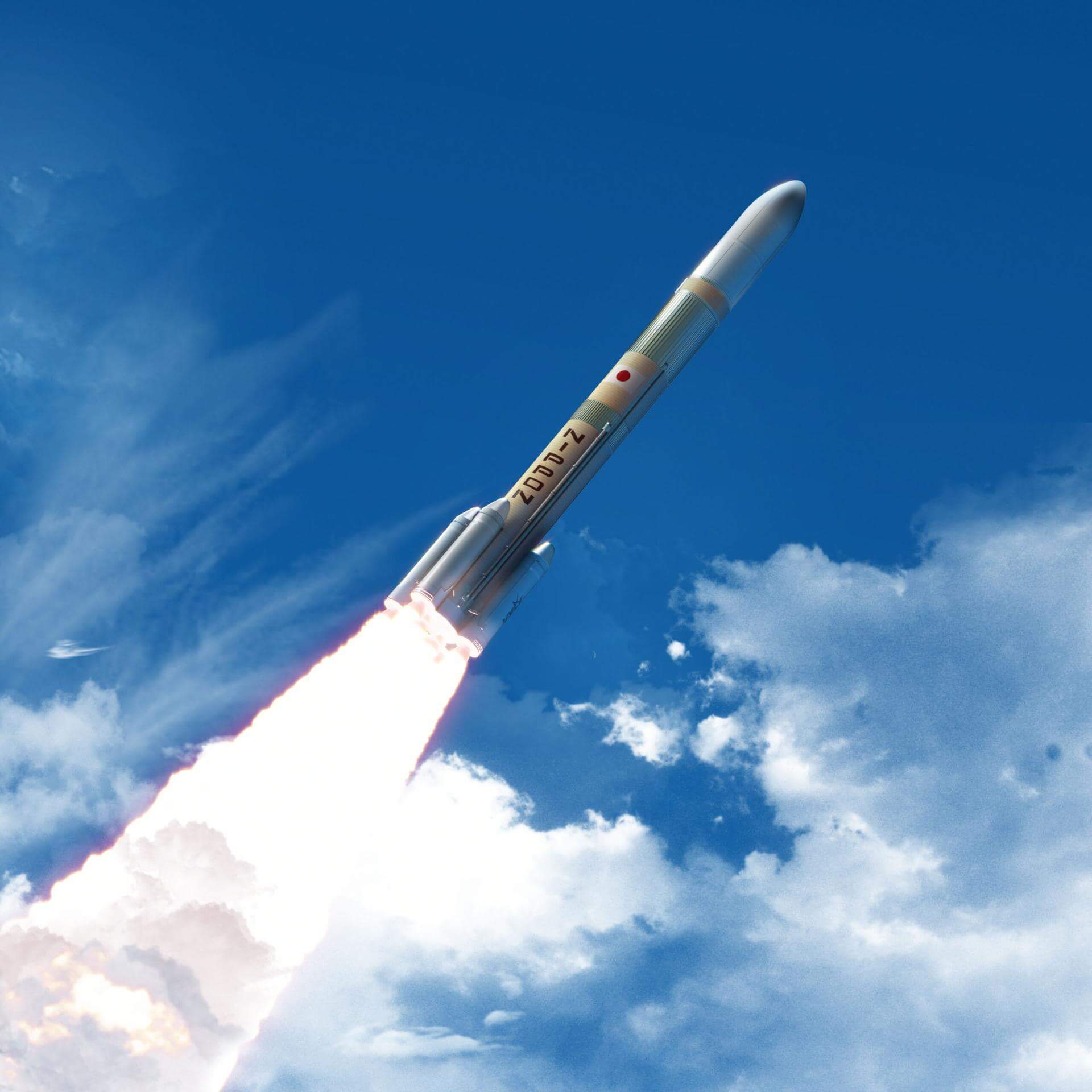
Today's highlights include Firefly's acquisition of SciTec, DARPA's vision for a moon economy, and ESA's new deep space antenna in Australia. Stay updated on the latest in space intelligence and defense technology transformations, plus noteworthy rogue planet phenomena.