


X Report 12 Dec 2024
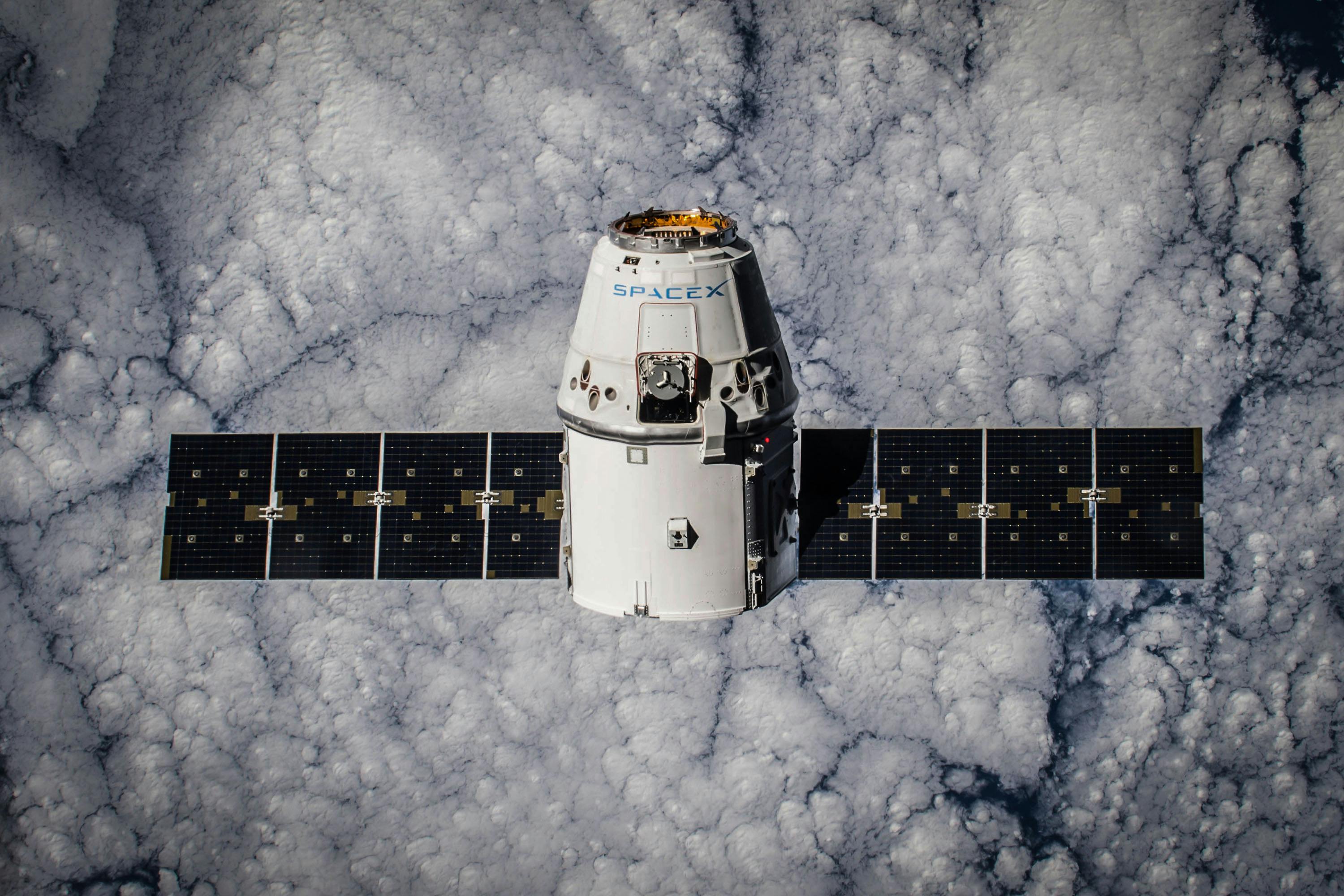
SpaceX progresses with Starship developments and sets sights on NASA's upcoming 3D sky-mapping satellite launch.



Launch Date
June 27, 2024
Launch Site
Launch Pad
LC40
Launch Vehicle
NORAD ID
60146
International Designator
2024-120M
Epoch
Sun, 19 Jul 2026 21:50:06 GMT
Apogee
Calculating...
Perigee
Calculating...
Inclination
53.16°
Right Ascension
64.08°
Eccentricity
Calculating...
Argument of Perigee
89.67°
Period
93.85 min
Mean Motion
15.34 rev/day
Latitude
Calculating...
Longitude
Calculating...
Altitude
Calculating...
Velocity
Calculating...
Name
STARLINK-32127
Alternative Name
Starlink 32127
Type
Status
Owner
SPXS
Country
United States
Constellation
N/A
Related Satellites
Major Events
N/A
1 60146U 24120M 26200.90979286 -.00001220 00000+0 -24960-4 0 9997
2 60146 53.1612 64.0782 0001429 89.6659 270.4508 15.34402821116647
Source: Celestrak
Length
0.3
Diameter
4.1
Span
29
Dry Mass
700
Launch Mass
730
Shape
Box + pan
Radar Cross Section
Unknown
Visual Magnitude
Unknown
Color
Unknown
Material Composition
Unknown
Payload
Starlink Group 10-3-12
Purpose
Communication
Mission
Communication
Manufacturer
SPXS
Life Expectancy
Unknown
Bus
Starlink V2M
Configuration
Starlink v2 Mini
Motor
Argon ion thrusters
Equipment
Ku/Ka/E-band payload, optical inter-satellite link
Power System
Solar arrays, batteries
ADCS
Unknown
Transmitter Frequency
Unknown
Learn more about satellites and other related topics.
SpaceX progresses with Starship developments and sets sights on NASA's upcoming 3D sky-mapping satellite launch.
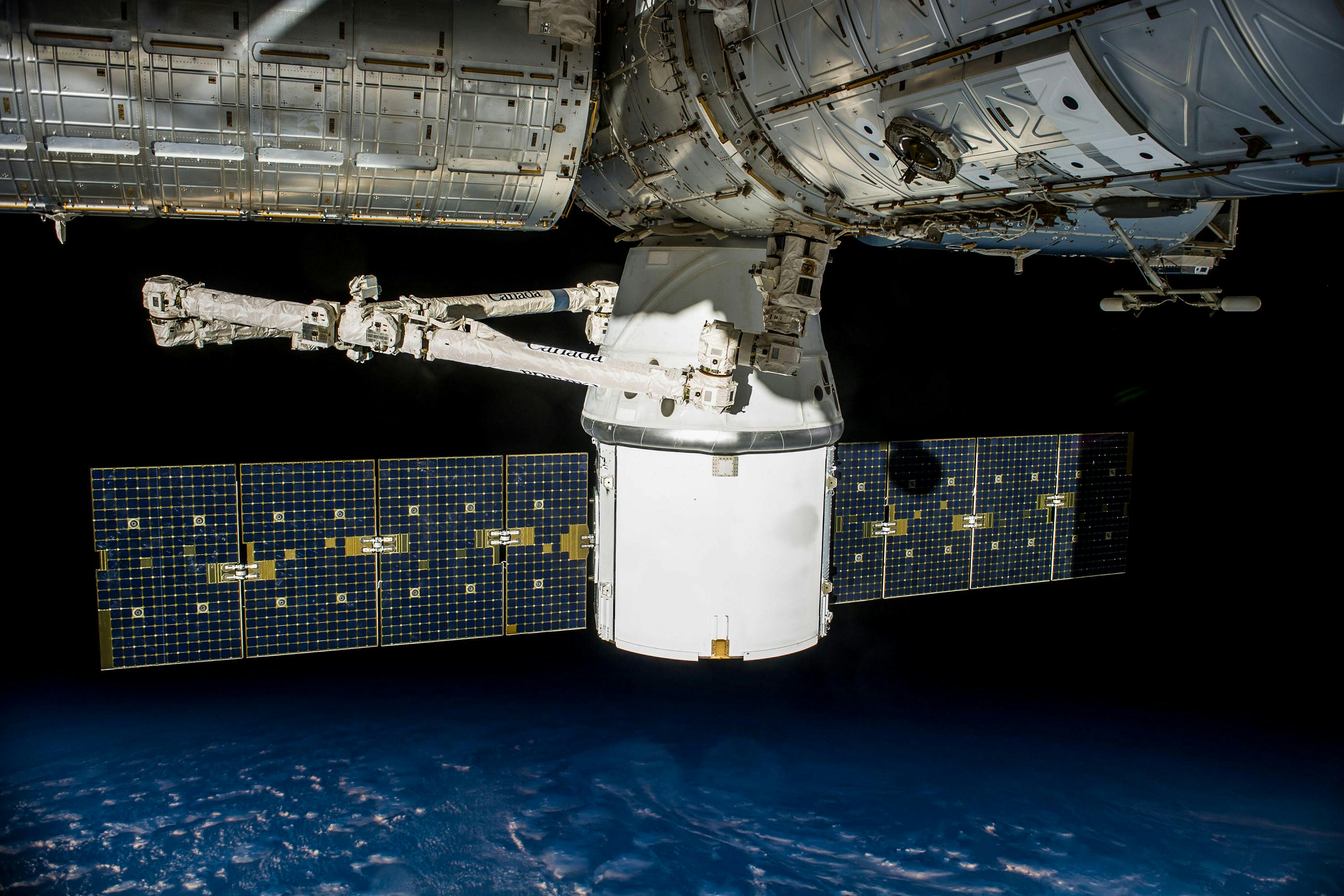
NASA considers opening the Artemis 3 lander to new bids as delays surface, while SpaceX gears up for multiple Falcon 9 launches this week and secures a redevelopment nod for SLC-6.
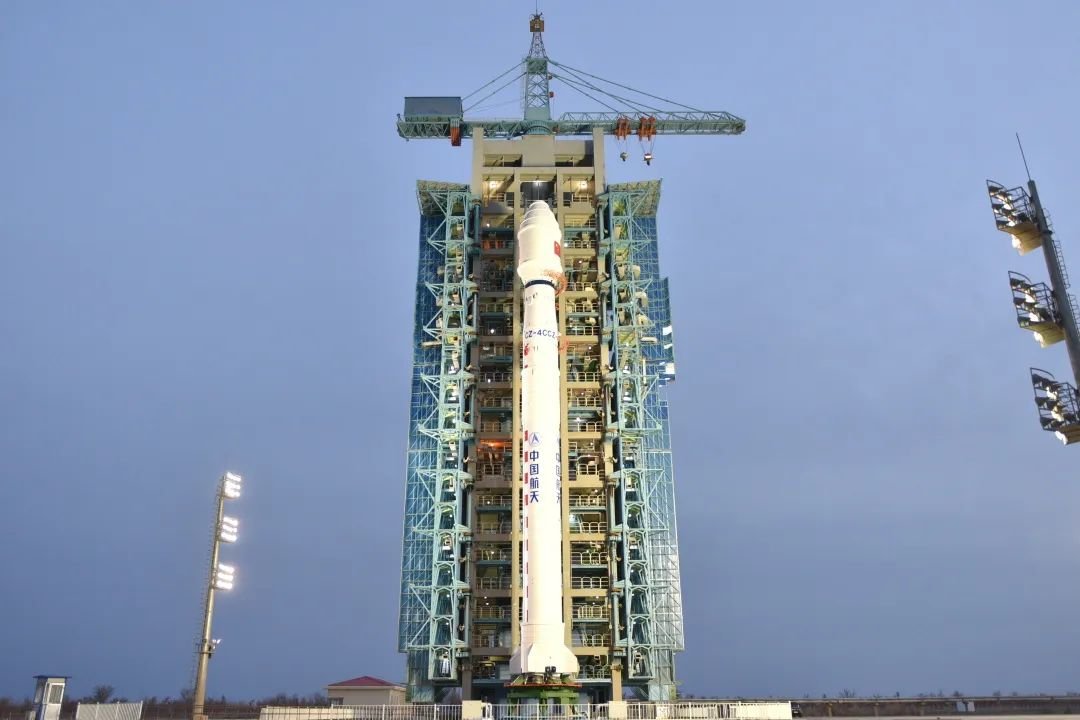
Discover the latest in satellite technology with the launch of the world's first wooden satellite, new test materials for the ISS, and significant developments in orbital space debris.

Today's highlights include delayed satellite launches, SpaceX's Florida Starship expansion, a historic mission by Europe's Ariane 6, and NASA's twin missions to explore the ends of the Earth and the universe.

In today's briefing: China accelerates its satellite megaconstellation. A comprehensive ESA-led optical data network is in the works, marking a key step in satellite communications. NASA's Artemis II crew visits Ohio in preparation for their lunar journey. SpaceX's record-breaking rocket launches continue. Plus, insights into nuclear rockets that could drastically shorten Mars missions.
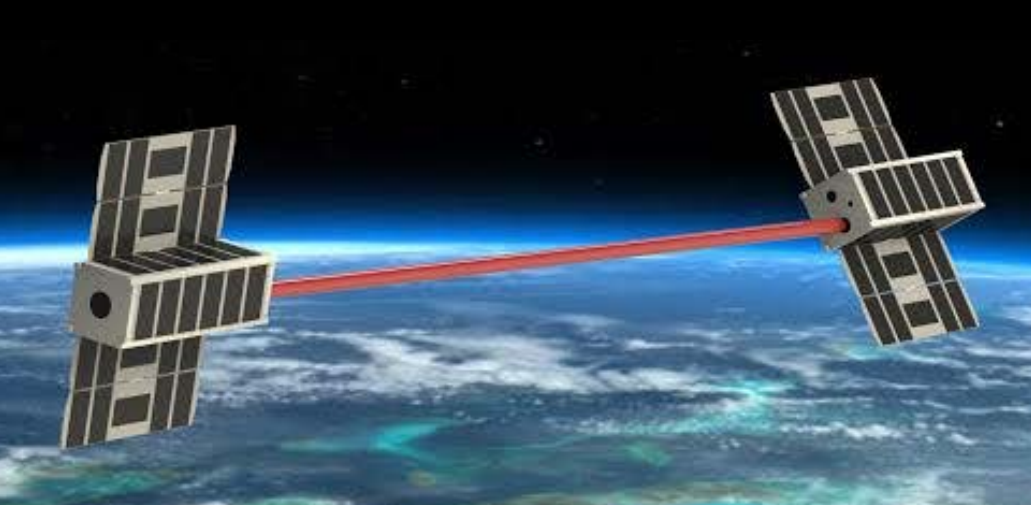
The satellite industry's biggest operators are betting on multi-orbit architectures that combine LEO, MEO, and GEO into unified networks. A San Francisco startup called Contrivian thinks they've overcomplicated the problem, and the physics might be on its side.

Today's coverage includes the cancellation of DARPA's DRACO nuclear propulsion project, global shifts in Earth observation strategy, and new developments in satellite technology and military collaborations.
Today's brief covers a Japanese military satellite launch, new GPS satellite orders by the Space Force, and a Moog propulsion system contract, among other notable developments.