STARLINK-32027 (60143)

COSPAR: 2024-120J | Alt Name: Starlink 32027

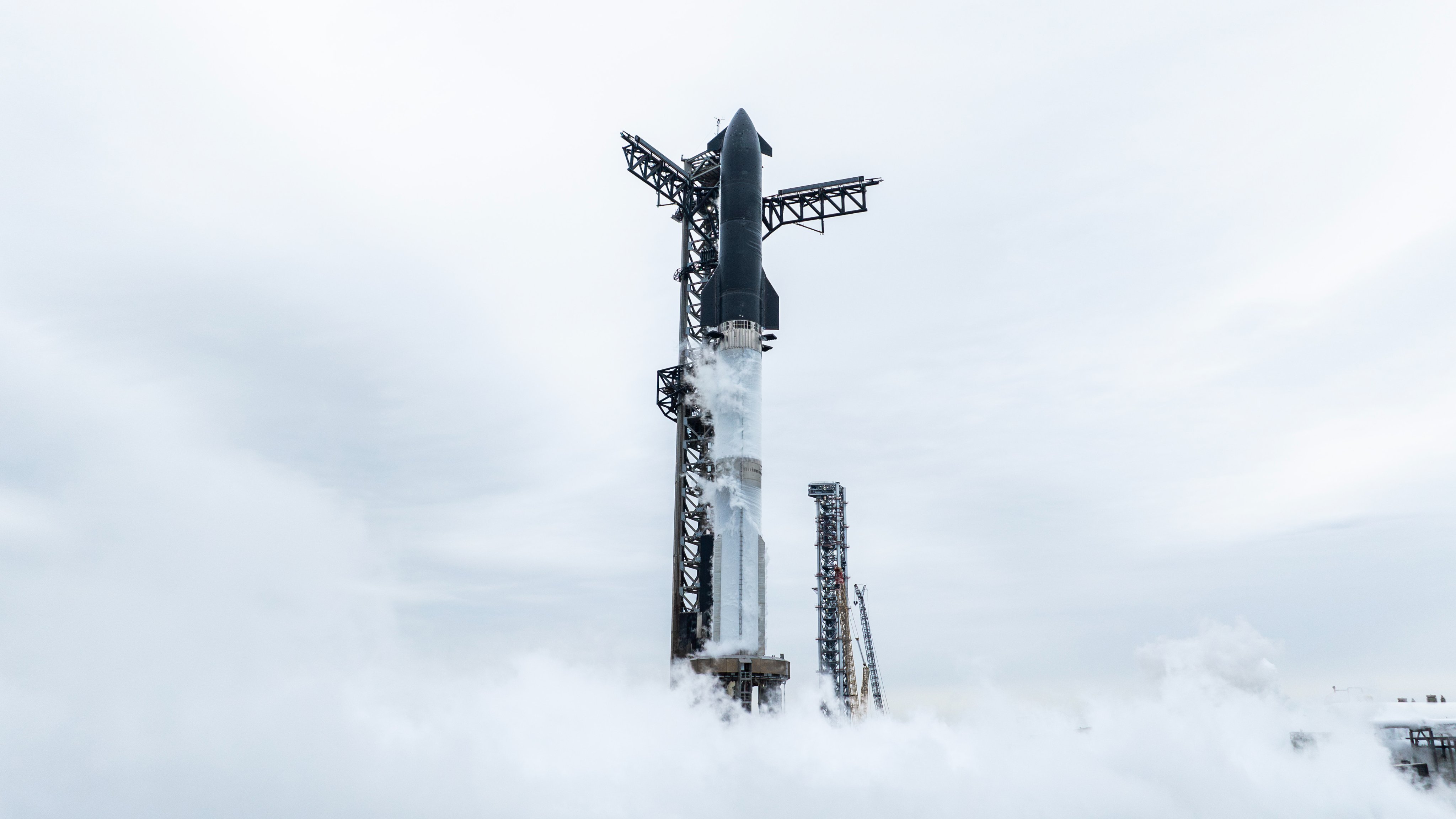
Image
STARLINK-32027 Satellite Image
Additional Sources
Launch Details

Launch Date

June 27, 2024

Launch Pad

LC40

Launch Vehicle

Falcon 9

Orbital Elements

NORAD ID

60143

International Designator

2024-120J

Epoch

Sun, 19 Jul 2026 01:21:39 GMT

Apogee

Calculating...

Perigee

Calculating...

Inclination

53.16°

Right Ascension

67.95°

Eccentricity

Calculating...

Argument of Perigee

92.30°

Period

93.85 min

Mean Motion

15.34 rev/day

Latitude

Calculating...

Longitude

Calculating...

Altitude

Calculating...

Velocity

Calculating...

Polar Plot
3D Visualization
Basic Satellite Info

Name

STARLINK-32027

Alternative Name

Starlink 32027

Type

Payload

Status

Operational

Owner

SPXS

Country

United States

Constellation

N/A

Related Satellites

Major Events

N/A

Latest TLEs
1 60143U 24120J   26200.05670373  .00000374  00000+0  22213-4 0  9991
2 60143  53.1601  67.9546 0001239  92.3031 267.8114 15.34399623116598

Source: Celestrak

Summary
The STARLINK-32027 satellite, also known as Starlink 32027, is a communication satellite belonging to the Starlink v2 Mini configuration. It was launched on June 27, 2024, from AFETR's LC40 launch pad using a Falcon 9 rocket. The satellite has dimensions of 0.3 meters in length and 4.1 meters in diameter with a span of 29 meters, equipped with solar arrays and batteries for power. It weighs 730 kilograms at launch and has a dry mass of 700 kilograms. Its payload includes Ku/Ka/E-band equipment and an optical inter-satellite link. The satellite is owned by SPXS (SpaceX) and uses Argon ion thrusters as its propulsion system.

Starlink is a satellite constellation developed by SpaceX with the aim of providing global broadband internet coverage. Thousands of small satellites are deployed in low Earth orbit (LEO), enabling high-speed internet access even in remote areas. However, the rapid increase in satellites raises concerns about space debris and the potential for collisions, which can lead to further debris creation and endanger other spacecraft. Additionally, the sheer number of Starlink satellites can affect astronomical observations by increasing light pollution. Proper deorbiting plans and international coordination are essential to mitigate these challenges and ensure long-term sustainability in space.
Physical Characteristics

Length

0.3

Diameter

4.1

Span

29

Dry Mass

700

Launch Mass

730

Shape

Box + pan

Radar Cross Section

Unknown

Visual Magnitude

Unknown

Color

Unknown

Material Composition

Unknown

Technical Details

Payload

Starlink Group 10-3-09

Purpose

Communication

Mission

Communication

Manufacturer

SPXS

Life Expectancy

Unknown

Bus

Starlink V2M

Configuration

Starlink v2 Mini

Motor

Argon ion thrusters

Equipment

Ku/Ka/E-band payload, optical inter-satellite link

Power System

Solar arrays, batteries

ADCS

Unknown

Transmitter Frequency

Unknown

Map
This tool will help you track the satellite's position and predict its upcoming passes over your location. Simply input the coordinates or click the geolocation button to get started.
Next Pass
Azimuth Elevation Time (Local)
Start Azimuth
Max Elevation
Stop Azimuth
Time Until
Pass Duration

Satellite Articles

View All Posts »

Learn more about satellites and other related topics.

The Afternoon a Blurry Smudge Turned Pluto Into a Double Planet

The Afternoon a Blurry Smudge Turned Pluto Into a Double Planet

On 22 June 1978, an astronomer at the U.S. Naval Observatory looked at photographic plates that had been stamped 'image defective' and noticed a small bump on the side of Pluto. The bump was a moon, and finding it finally let astronomers weigh a planet that had fooled them for half a century.
Dragon Delivers 6,500 lbs to ISS; Zenk Space Eyes June Orbital Debut | KeepTrack Space Brief

Dragon Delivers 6,500 lbs to ISS; Zenk Space Eyes June Orbital Debut | KeepTrack Space Brief

SpaceX Dragon berthed ISS with 6,500 pounds of cargo May 17. China's Zenk Space raised $26M, targeting June for Zhihang-1 rocket's orbital debut.

X Report 24 May 2025

X Report 24 May 2025

SpaceX experiences a setback with Starship Flight 8 while continuing its Starlink deployment efforts with a successful launch from California.

Voyager 1

Voyager 1

In November 2023, Earth's most distant spacecraft started speaking gibberish. Five months, one dead memory chip, and 30 billion miles of round-trip troubleshooting later, engineers got it talking again - using code written before most of them were born.

Space Brief 26 Sep 2025

Space Brief 26 Sep 2025

Today's Space Brief highlights major developments including NASA's Dream Chaser contract modifications, Germany's significant investment in space capabilities, and advancements in hybrid satcom technology.

Space Brief 9 Feb 2025

Space Brief 9 Feb 2025

Today's highlights include Rocket Lab's successful 2025 kick-off launch, SpaceX's upcoming Starlink deployment, and a significant military satellite contract competition.

AI Outperforms Human Planners in Air Force Battle Management Test | KeepTrack Space Brief

AI Outperforms Human Planners in Air Force Battle Management Test | KeepTrack Space Brief

AI tools outperform human planners in Air Force battle management experiment. DARPA pursues quantum computing interoperability. Canada's Atlantic Spaceport Complex gets environmental approval.

X Report 12 Dec 2024

X Report 12 Dec 2024

SpaceX progresses with Starship developments and sets sights on NASA's upcoming 3D sky-mapping satellite launch.