


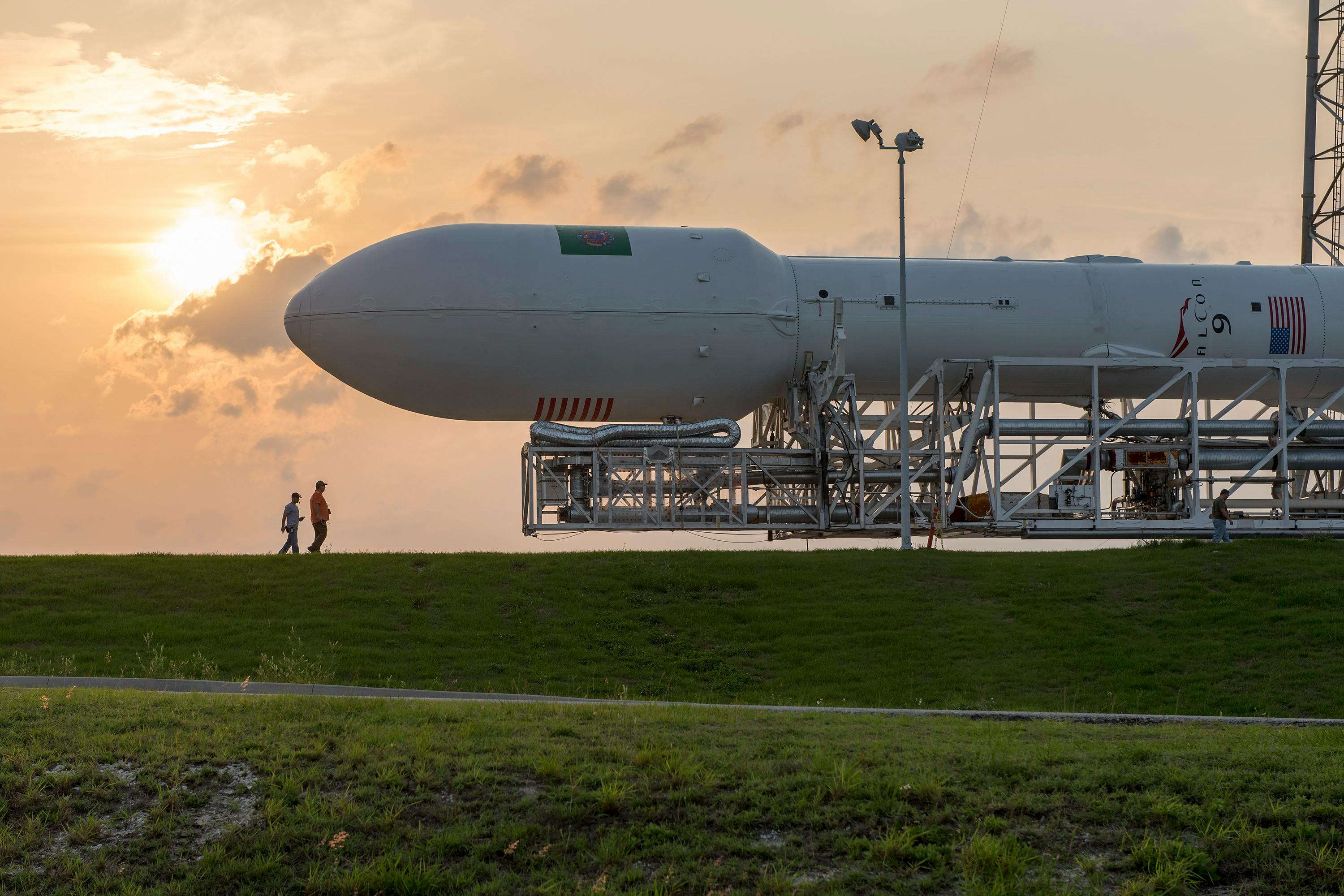
Space Brief 24 Oct 2024
Today's Space Brief highlights SpaceX Crew-8's return, Intelsat-33e satellite breakup, SpaceX's upcoming Starship tests, and notable launches including China's new mega-constellation.



NORAD ID
60132
International Designator
2024-118V
Epoch
Sun, 19 Jul 2026 18:49:34 GMT
Apogee
Calculating...
Perigee
Calculating...
Inclination
53.16°
Right Ascension
130.77°
Eccentricity
Calculating...
Argument of Perigee
78.17°
Period
94.10 min
Mean Motion
15.30 rev/day
Latitude
Calculating...
Longitude
Calculating...
Altitude
Calculating...
Velocity
Calculating...
Name
STARLINK-31792
Alternative Name
Starlink 31792
Type
Status
Owner
SPXS
Country
United States
Constellation
N/A
Related Satellites
Major Events
N/A
1 60132U 24118V 26200.78442329 .00002384 00000+0 92546-4 0 9993
2 60132 53.1617 130.7677 0001673 78.1747 281.9442 15.30219154115951
Source: Celestrak
Length
0.3
Diameter
4.1
Span
29
Dry Mass
700
Launch Mass
730
Shape
Box + pan
Radar Cross Section
Unknown
Visual Magnitude
Unknown
Color
Unknown
Material Composition
Unknown
Payload
Starlink Group 9-2-20
Purpose
Communication
Mission
Communication
Manufacturer
SPXS
Life Expectancy
Unknown
Bus
Starlink V2M
Configuration
Starlink v2 Mini
Motor
Argon ion thrusters
Equipment
Ku/Ka/E-band payload, optical inter-satellite link
Power System
Solar arrays, batteries
ADCS
Unknown
Transmitter Frequency
Unknown
Learn more about satellites and other related topics.
Today's Space Brief highlights SpaceX Crew-8's return, Intelsat-33e satellite breakup, SpaceX's upcoming Starship tests, and notable launches including China's new mega-constellation.

How a catastrophic fire in 1967 fundamentally altered NASA's approach to human spaceflight and continues to influence modern spacecraft design
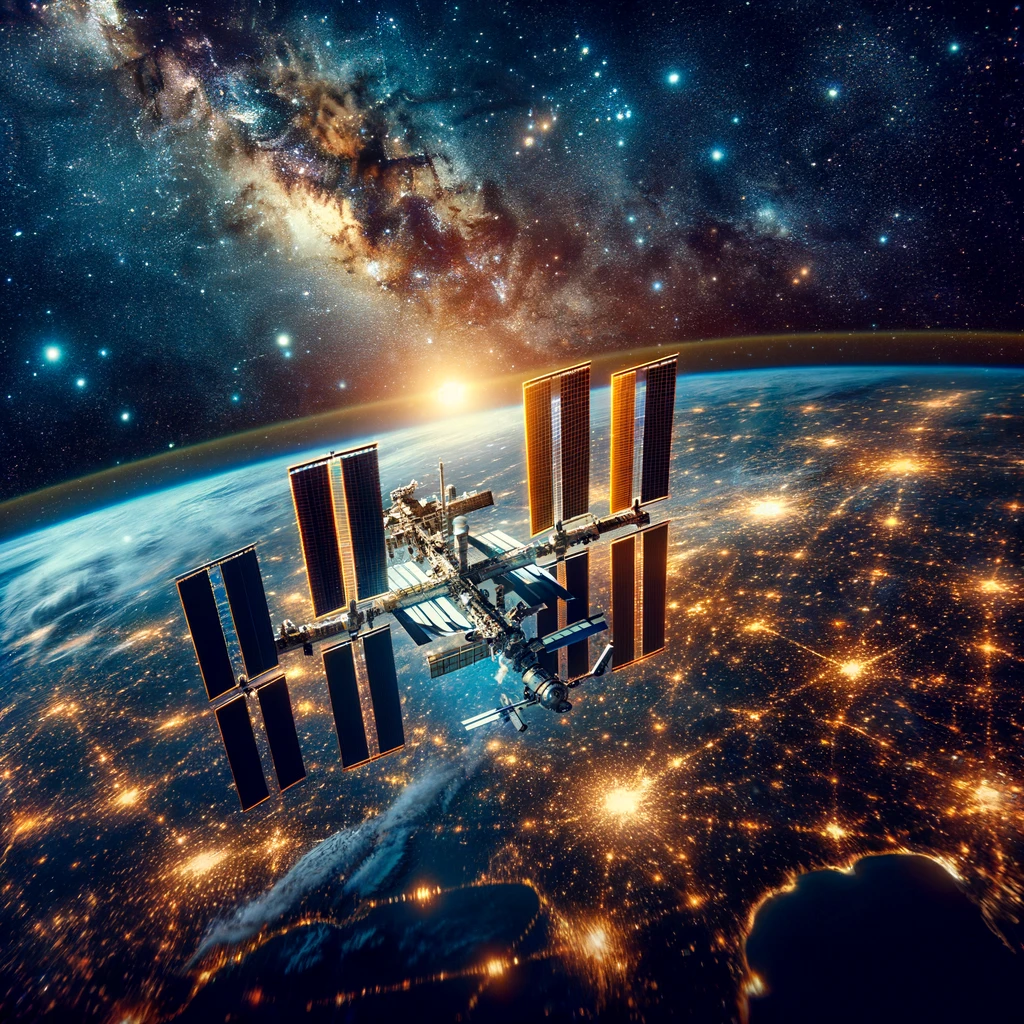
A look at how tracking the space station offers a unique view of space exploration.
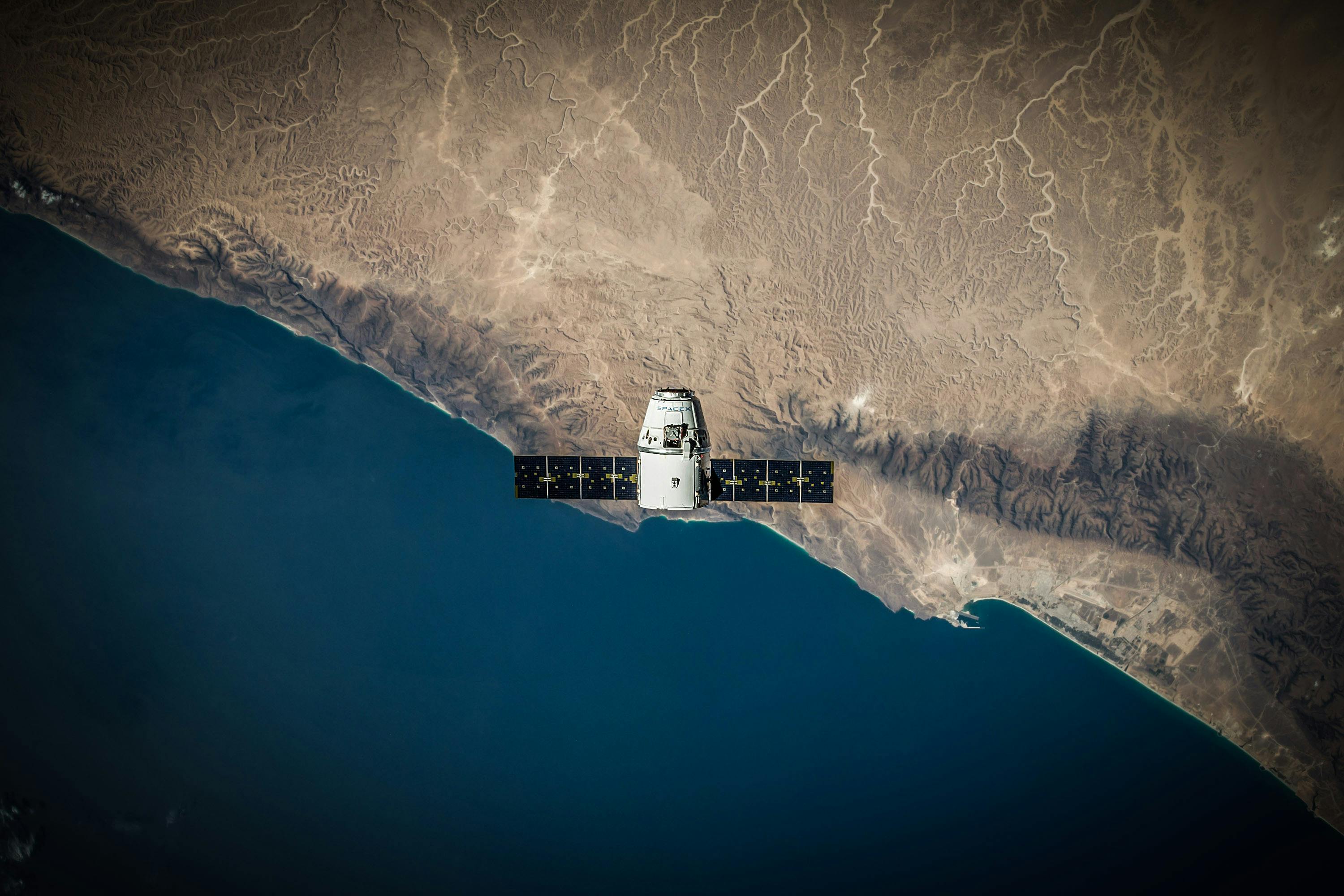
SpaceX's Falcon 9 lofts 11,000 lbs aboard Cygnus NG-24 to the ISS as Amazon pushes Leo's commercial debut to mid-2026.
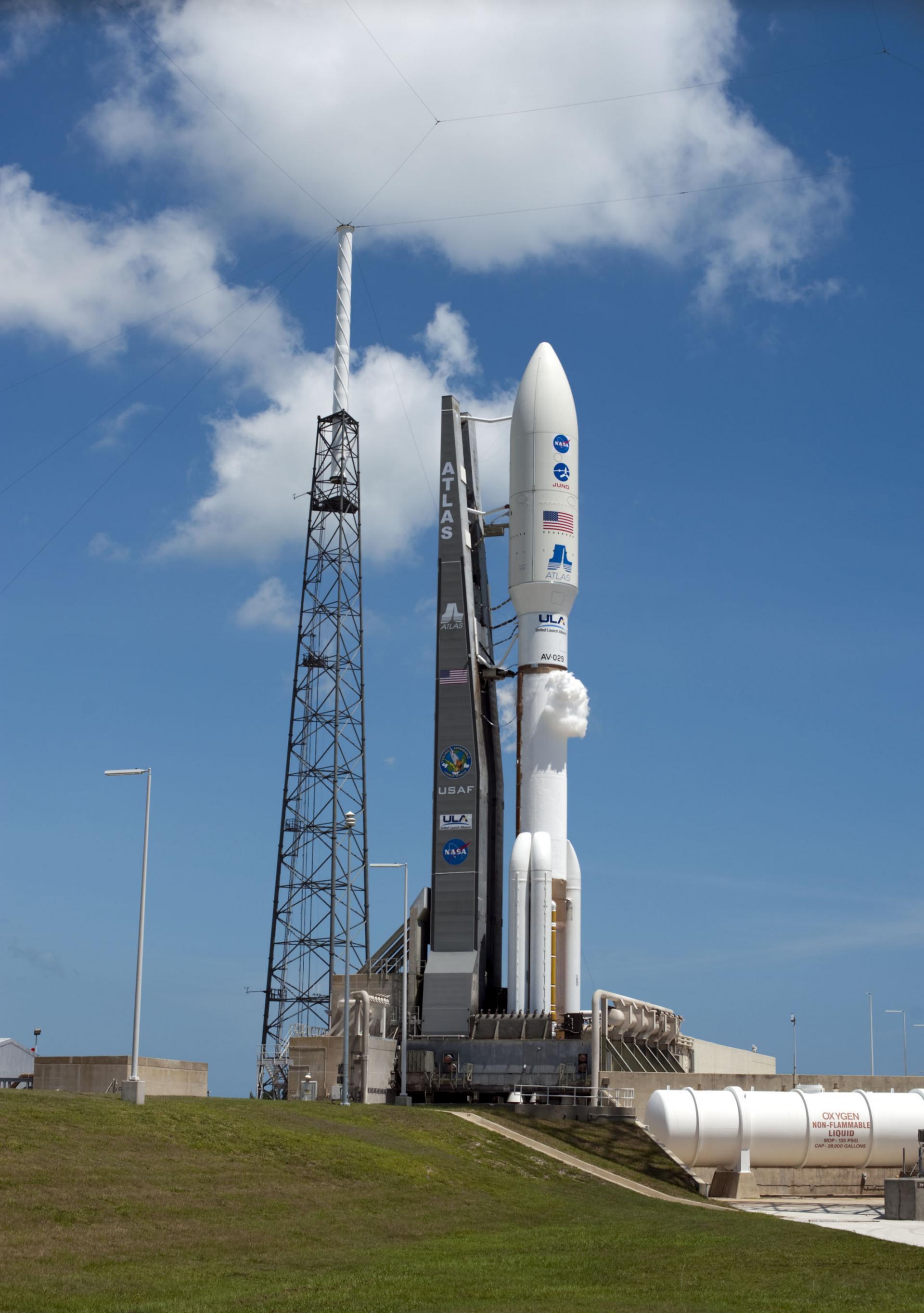
Highlights include China's recent satellite launch, advancements in nuclear propulsion, non-kinetic tech developments for maritime defense, SpaceX's direct-to-device spectrum tests, and maneuvering satellites for Space Force missions.

Busy activities in space: SpaceX's series of Starlink launches dominate the week, while Vega C successfully deploys Earth science satellites.

SpaceX continues to make strides with multiple launches, including 28 Starlink satellites and NASA's IMAP mission, highlighting its ongoing role in advancing space weather research.

Three Chinese rocket bodies have exploded over four years, creating debris clouds that will linger for decades to centuries, according to LeoLabs analysis. Fragmentation events threaten commercial and military operators.