



Space Brief 17 Jan 2025
Today's brief covers developments involving Space Force officials, Sierra Space's satellite milestone, and Voyager Space's rebranding for national security focus. Additionally, we spotlight the Cosmos 447 satellite.


![STARLINK-11161 [DTC] Satellite Image](/images/sat/starlink.jpg)
NORAD ID
60124
International Designator
2024-118M
Epoch
Sun, 19 Jul 2026 12:28:04 GMT
Apogee
Calculating...
Perigee
Calculating...
Inclination
53.16°
Right Ascension
291.75°
Eccentricity
Calculating...
Argument of Perigee
87.45°
Period
91.74 min
Mean Motion
15.70 rev/day
Latitude
Calculating...
Longitude
Calculating...
Altitude
Calculating...
Velocity
Calculating...
Name
STARLINK-11161 [DTC]
Alternative Name
Starlink 11161
Type
Status
Owner
SPXS
Country
United States
Constellation
N/A
Related Satellites
Major Events
N/A
1 60124U 24118M 26200.51949187 -.00000713 00000+0 -10352-5 0 9991
2 60124 53.1582 291.7524 0000824 87.4508 272.6604 15.69700778118697
Source: Celestrak
Length
0.3
Diameter
4.1
Span
29
Dry Mass
700
Launch Mass
730
Shape
Box + pan
Radar Cross Section
Unknown
Visual Magnitude
Unknown
Color
Unknown
Material Composition
Unknown
Payload
Starlink Group 9-2-12
Purpose
Communication
Mission
Communication
Manufacturer
SPXS
Life Expectancy
Unknown
Bus
Starlink V2M
Configuration
Starlink v2 Mini
Motor
Argon ion thrusters
Equipment
D2C payload, optical inter-satellite link
Power System
Solar arrays, batteries
ADCS
Unknown
Transmitter Frequency
Unknown
Learn more about satellites and other related topics.
Today's brief covers developments involving Space Force officials, Sierra Space's satellite milestone, and Voyager Space's rebranding for national security focus. Additionally, we spotlight the Cosmos 447 satellite.

SpaceX continues to make strides in both its Starship program and Starlink satellite deployments, with a successful launch of 24 Starlink satellites and preparations for upcoming missions.

SpaceX launches its first crewed mission over Earth's poles and FAA concludes investigation into the Starship Flight 7 incident.

On December 15, 1970, a battered Soviet probe accomplished something no spacecraft had done before - it survived landing on another world and lived to tell about it.
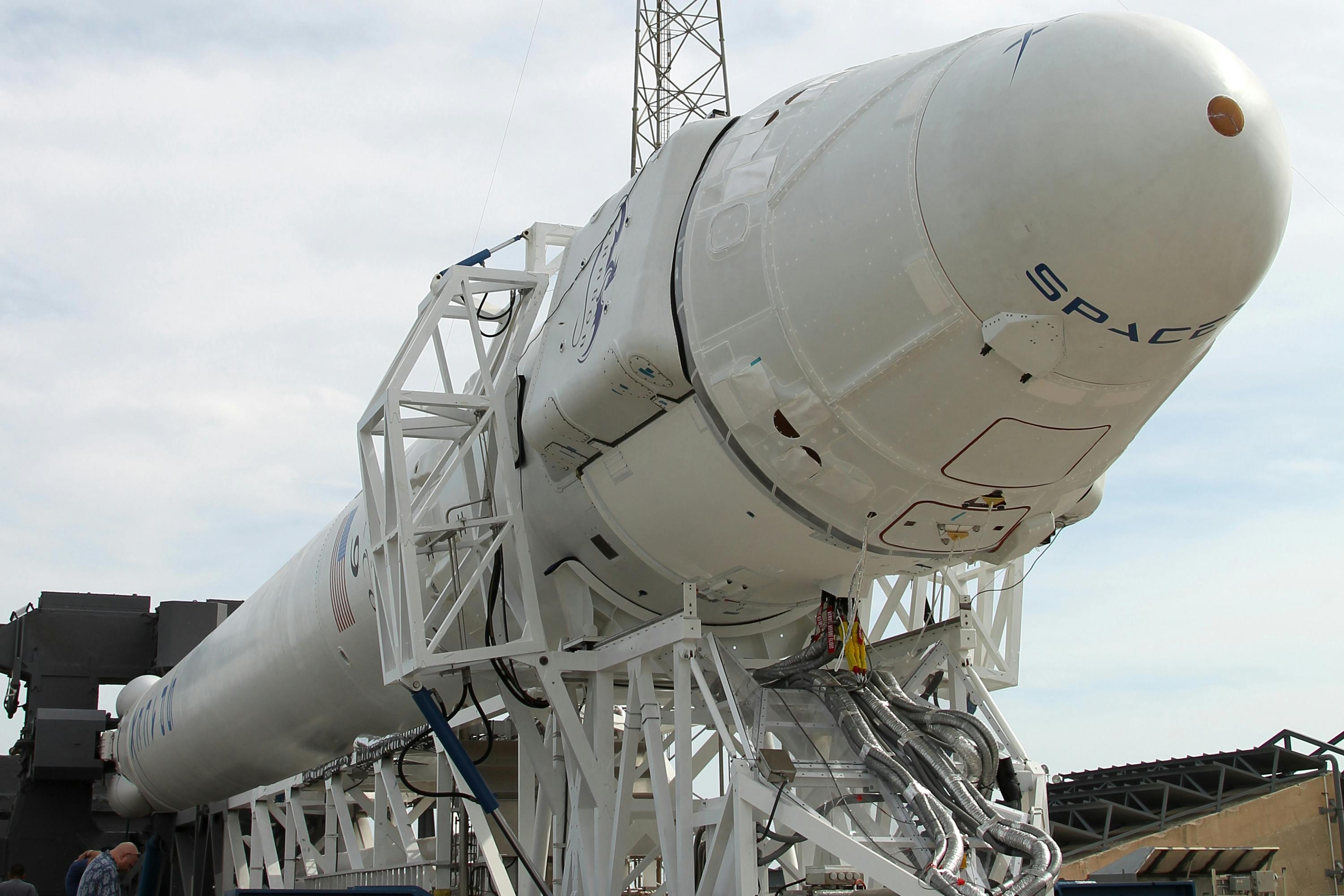
SpaceX launches more Starlink satellites as Starship prepares for full stack testing, amidst Musk's new governmental role.

On April 14, 1958, Sputnik 2 burned up over the North Atlantic, carrying the remains of a stray dog from Moscow who had been dead for five months. The Soviet Union told the world she survived for days. It took forty-five years for the truth to come out.

Today's brief covers developments in US military space initiatives, advancements in missile technology, and notable military contractor activities.
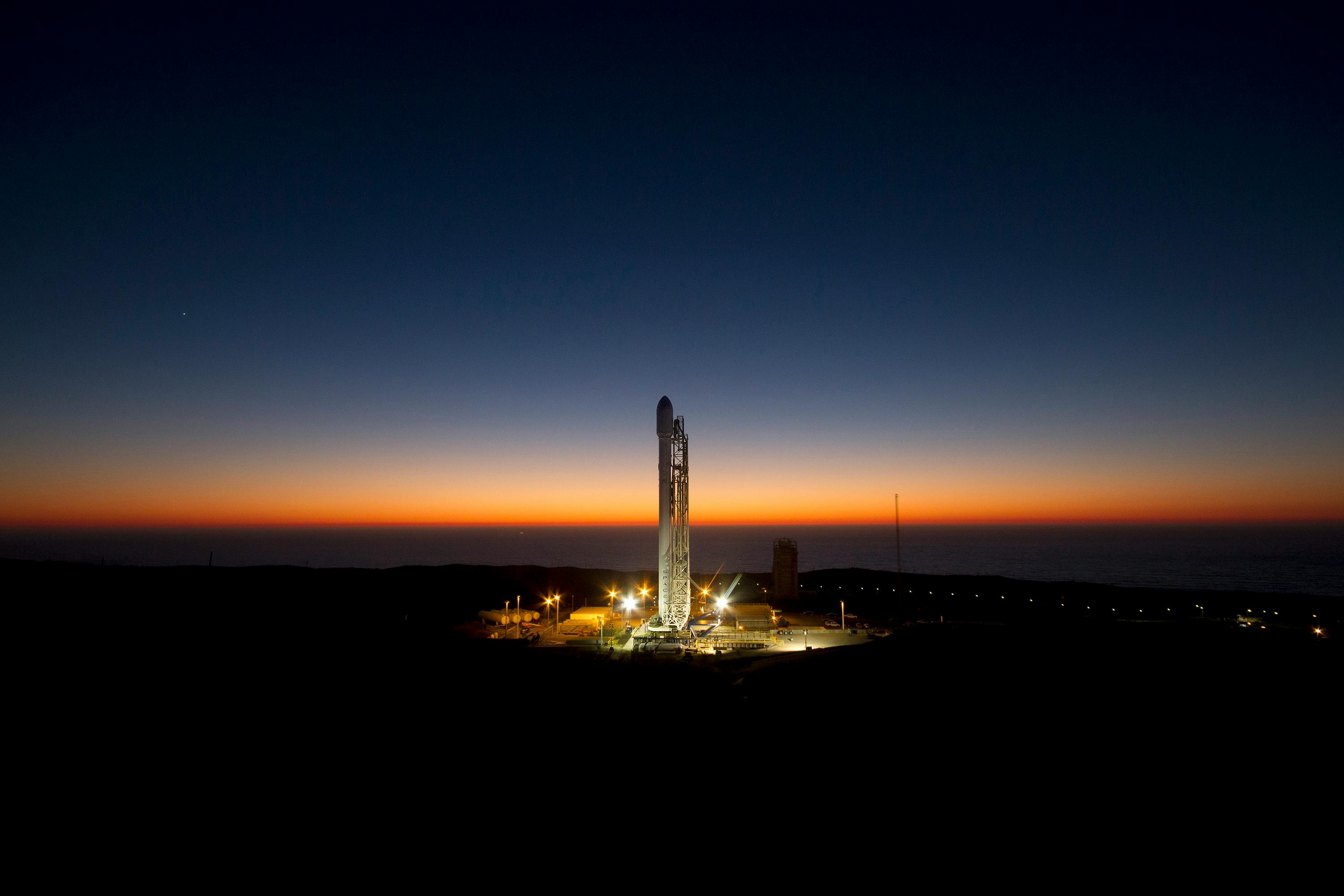
SpaceX addresses the cause of its recent Starship Flight 8 explosion, while successfully launching 23 more Starlink satellites as it continues to expand its constellation.