


SpaceX Stock Jumps 19% on Nasdaq Debut, X Report 15 Jun 2026
SpaceX stock surged 19% on its Nasdaq debut as Musk targets $1 trillion revenue by 2030. Starlink 17-54 marks the 1,500th satellite launched in 2026.



Launch Date
June 23, 2024
Launch Site
Launch Pad
LC40
Launch Vehicle
NORAD ID
60091
International Designator
2024-117A
Epoch
Mon, 20 Jul 2026 03:18:28 GMT
Apogee
Calculating...
Perigee
Calculating...
Inclination
53.16°
Right Ascension
141.30°
Eccentricity
Calculating...
Argument of Perigee
91.99°
Period
93.85 min
Mean Motion
15.34 rev/day
Latitude
Calculating...
Longitude
Calculating...
Altitude
Calculating...
Velocity
Calculating...
Name
STARLINK-31441
Alternative Name
Starlink 31441
Type
Status
Owner
SPXS
Country
United States
Constellation
N/A
Related Satellites
Major Events
N/A
1 60091U 24117A 26201.13782912 .00001256 00000+0 48319-4 0 9997
2 60091 53.1614 141.2986 0001347 91.9867 268.1290 15.34394868117170
Source: Celestrak
Length
0.3
Diameter
4.1
Span
29
Dry Mass
700
Launch Mass
730
Shape
Box + pan
Radar Cross Section
Unknown
Visual Magnitude
Unknown
Color
Unknown
Material Composition
Unknown
Payload
Starlink Group 10-2-01
Purpose
Communication
Mission
Communication
Manufacturer
SPXS
Life Expectancy
Unknown
Bus
Starlink V2M
Configuration
Starlink v2 Mini
Motor
Argon ion thrusters
Equipment
Ku/Ka/E-band payload, optical inter-satellite link
Power System
Solar arrays, batteries
ADCS
Unknown
Transmitter Frequency
Unknown
Learn more about satellites and other related topics.
SpaceX stock surged 19% on its Nasdaq debut as Musk targets $1 trillion revenue by 2030. Starlink 17-54 marks the 1,500th satellite launched in 2026.
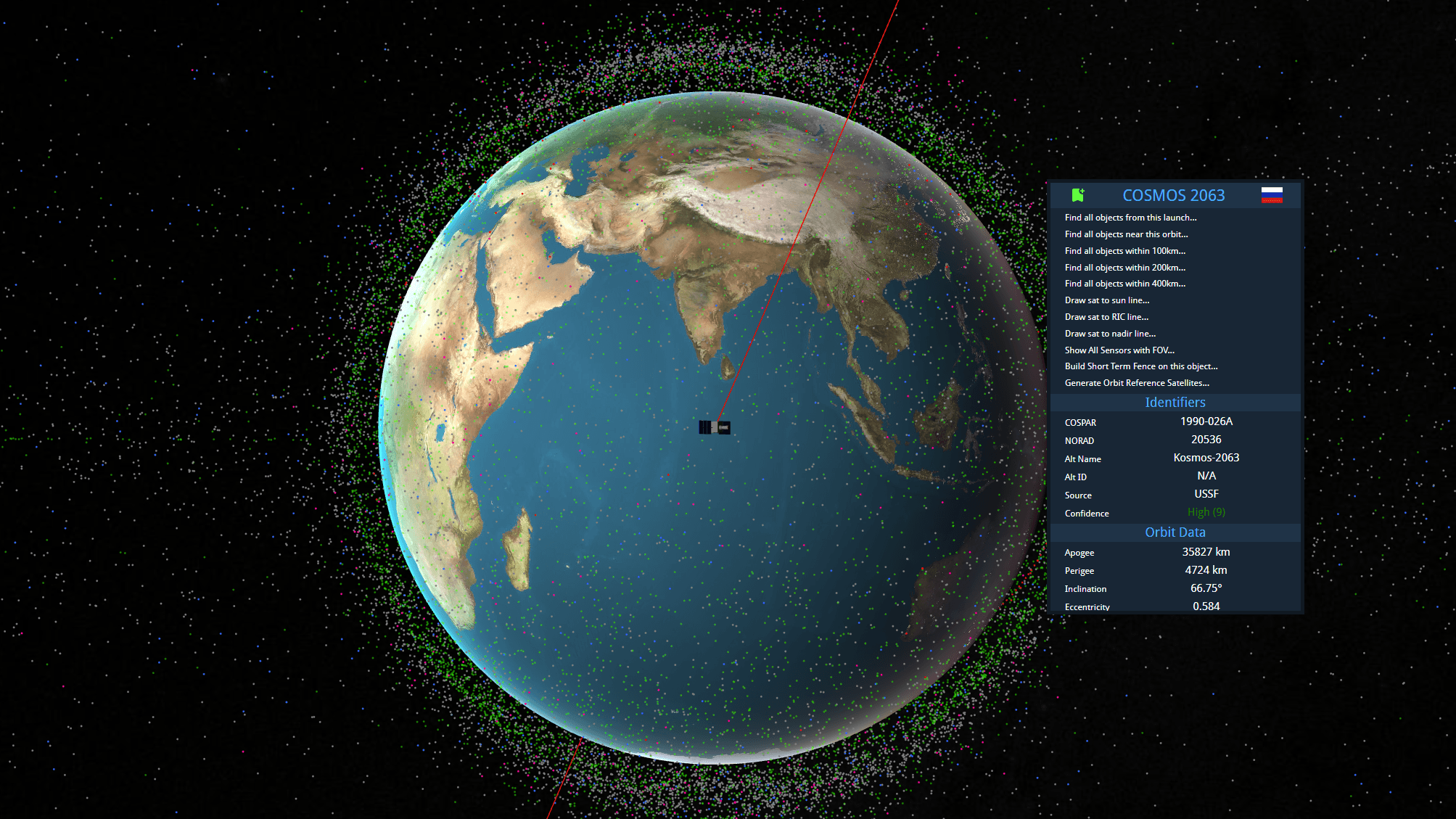
Today's Space Brief explores new satellite launches, significant reentries, funding milestones, and critical policy updates.
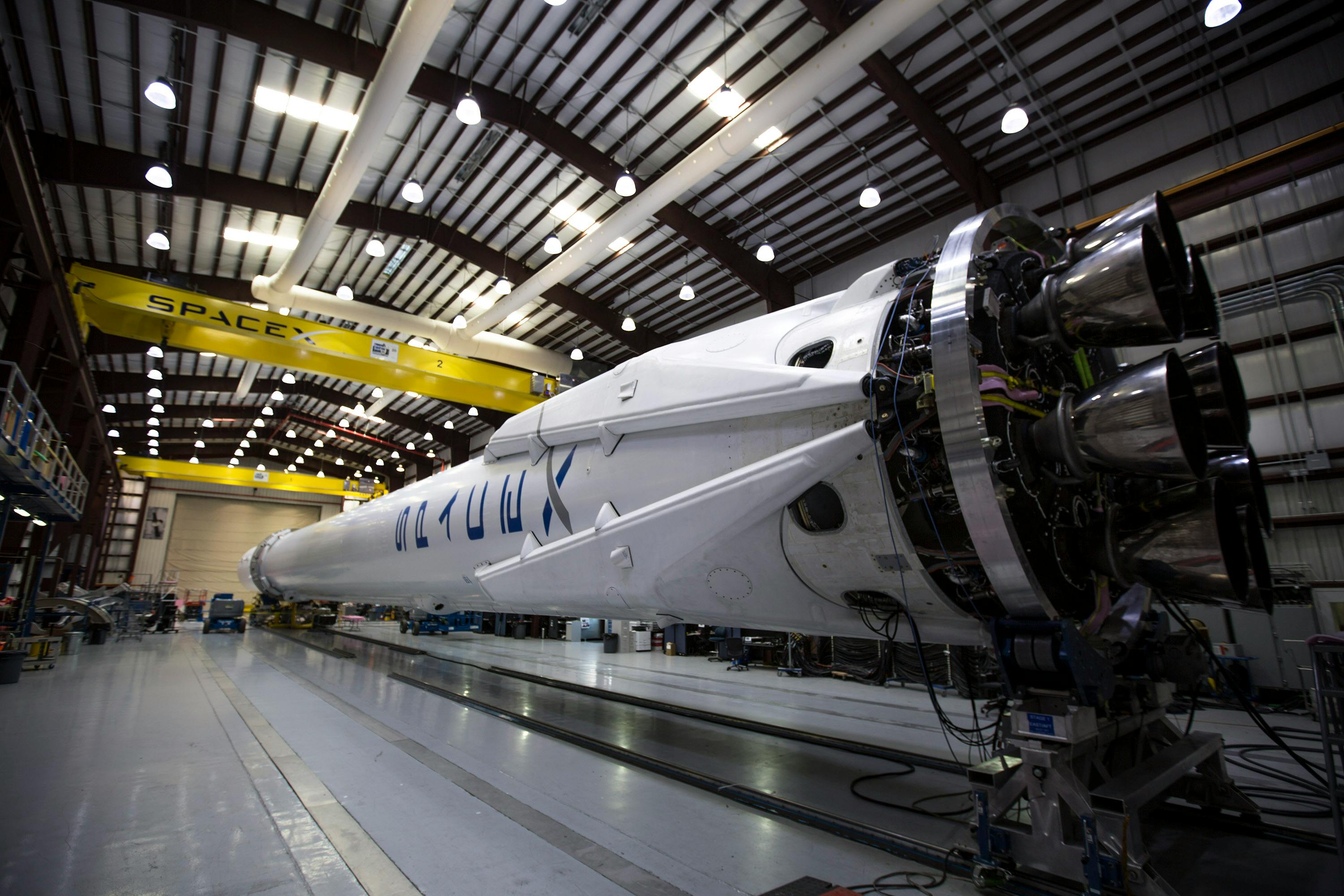
Today's highlights include SpaceX's Dragon cargo mission to the ISS, the first wooden satellite launch, and updates on NASA's Voyager mission. Additionally, the Space Force's X-37B space plane showcases unique aerobraking strategies.

Artemis 2's four-person crew splashed down April 10 after first crewed lunar flyby since Apollo 17. Orion performance data critical for Artemis 3 south pole landing planning.
Today's brief highlights SpaceX's Starlink launch, the sale of Telesat's remote communications services, advancements in hypersonic missile tracking, and more on satellite imagery from the NGA.

Four Raptor engines failed to ignite, scrubbing Starship Flight 13 at Starbase; SpaceX also launched 21 SDA satellites from Vandenberg.
U.S. Space Force selects Boeing's 702MP spacecraft for next-generation MUOS satellites. Rocket Lab delivers Synspective's 10th StriX radar satellite. Track both missions.
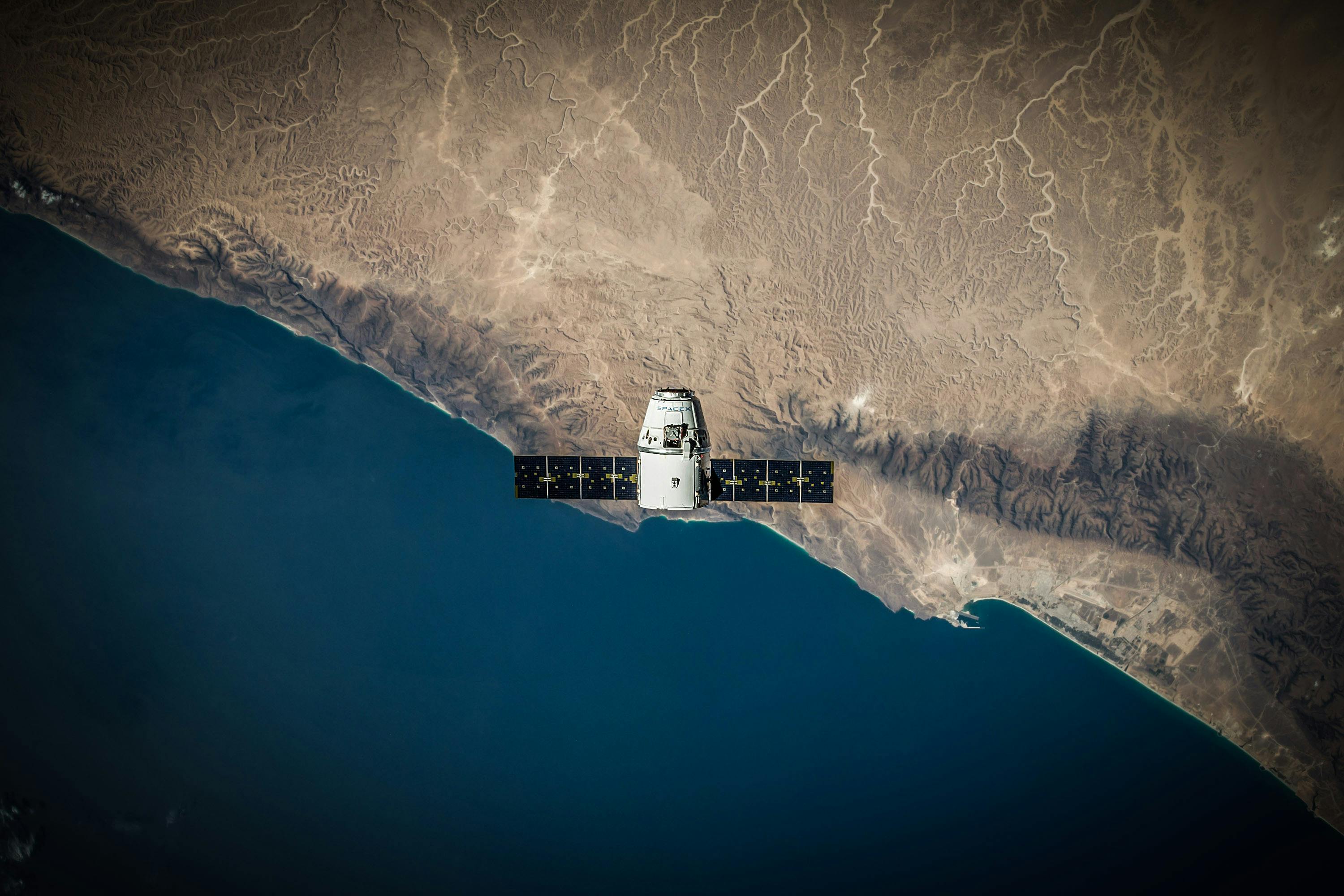
DIU explores SpaceX Starship's in-space refueling; Investors advise startups against competing or emulating SpaceX.