



Space Brief 23 Jan 2025
Today's briefing covers the U.S. Space Force's substantial investments in commercial satellite services, a strategic military shift, Chinese space station upgrades, and NASA's policy changes.


![STARLINK-11166 [DTC] Satellite Image](/images/sat/starlink.jpg)
NORAD ID
60062
International Designator
2024-113D
Epoch
Sun, 19 Jul 2026 13:27:55 GMT
Apogee
Calculating...
Perigee
Calculating...
Inclination
53.16°
Right Ascension
261.09°
Eccentricity
Calculating...
Argument of Perigee
82.18°
Period
91.74 min
Mean Motion
15.70 rev/day
Latitude
Calculating...
Longitude
Calculating...
Altitude
Calculating...
Velocity
Calculating...
Name
STARLINK-11166 [DTC]
Alternative Name
Starlink 11166
Type
Status
Owner
SPXS
Country
United States
Constellation
N/A
Related Satellites
Major Events
N/A
1 60062U 24113D 26200.56105330 -.00000821 00000+0 -19195-5 0 9990
2 60062 53.1596 261.0924 0001058 82.1843 277.9295 15.69714077120279
Source: Celestrak
Length
0.3
Diameter
4.1
Span
29
Dry Mass
700
Launch Mass
730
Shape
Box + pan
Radar Cross Section
Unknown
Visual Magnitude
Unknown
Color
Unknown
Material Composition
Unknown
Payload
Starlink Group 9-1-04
Purpose
Communication
Mission
Communication
Manufacturer
SPXS
Life Expectancy
Unknown
Bus
Starlink V2M
Configuration
Starlink v2 Mini
Motor
Argon ion thrusters
Equipment
D2C payload, optical inter-satellite link
Power System
Solar arrays, batteries
ADCS
Unknown
Transmitter Frequency
Unknown
Learn more about satellites and other related topics.
Today's briefing covers the U.S. Space Force's substantial investments in commercial satellite services, a strategic military shift, Chinese space station upgrades, and NASA's policy changes.

Learn which satellites take photos and why we can't get updates instantly.
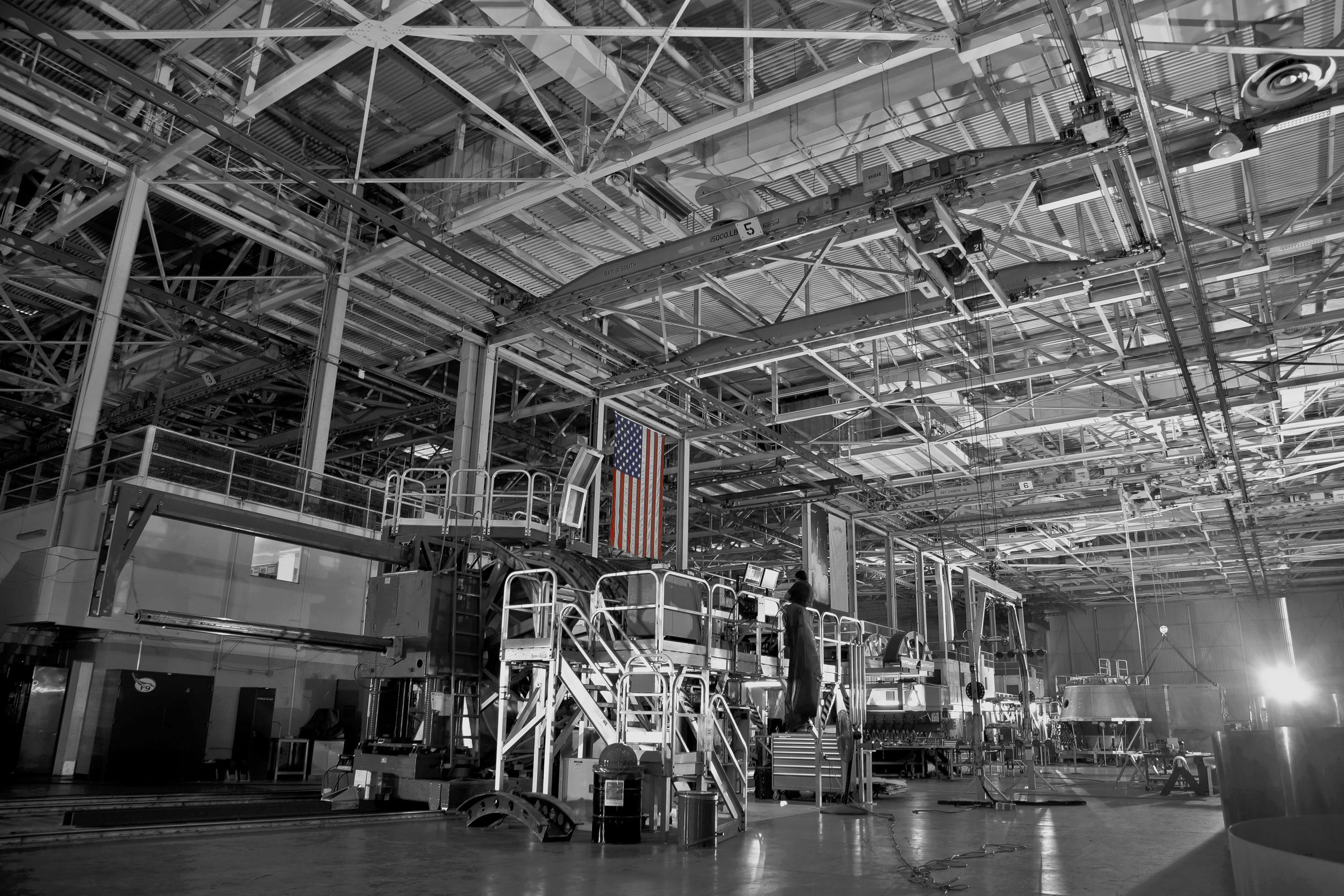
SpaceX to launch Koreasat-6A on a record-tying Falcon 9 flight, and 24 Starlink satellites later today.
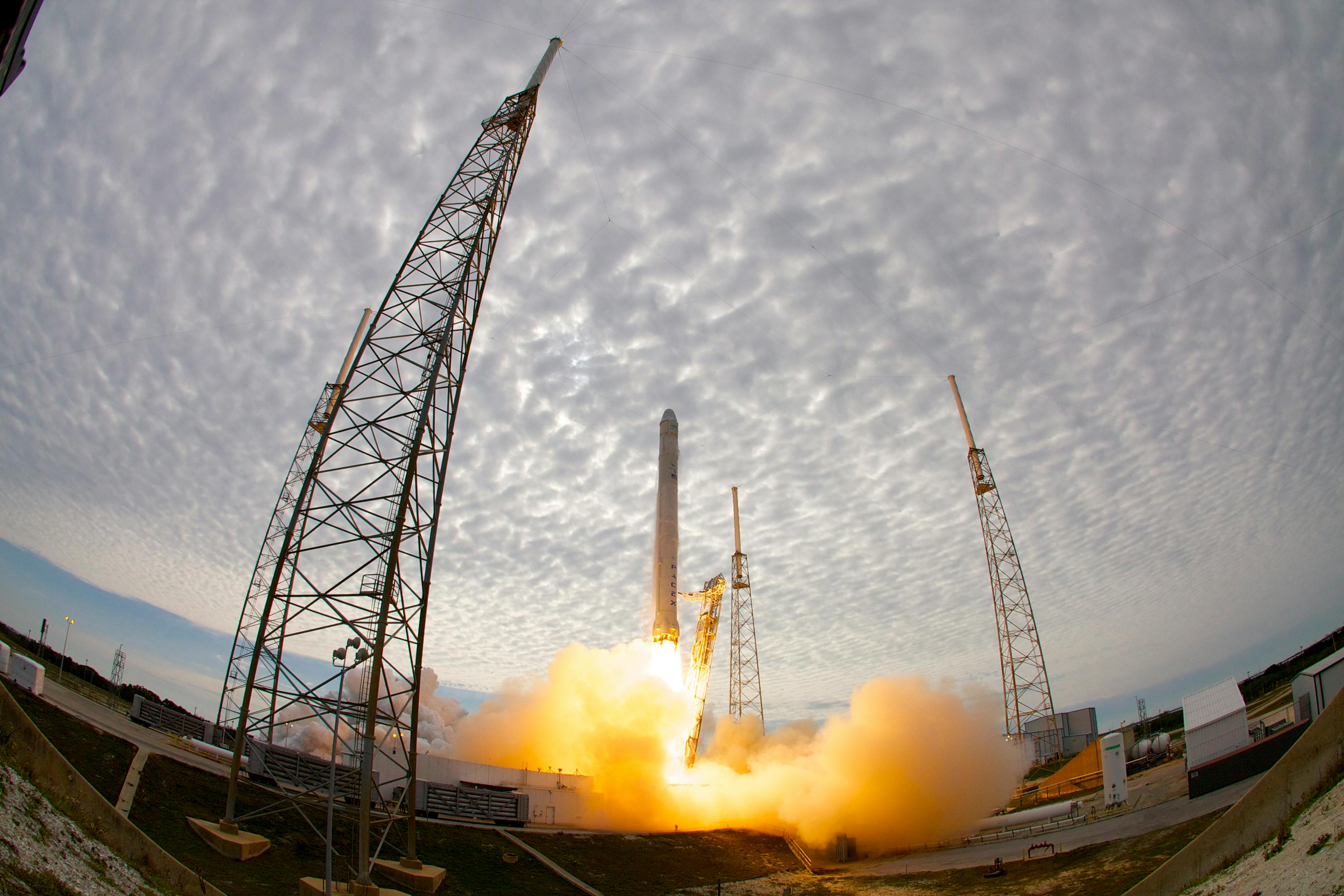
SpaceX's first Starship V3 launches May 20 on Flight 12, as Starlink's 10,354 active sats force a historic carrier alliance.

Four Raptor engines failed to ignite at T-0, scrubbing Starship Flight 13 on July 16; SpaceX now targets July 20 for next attempt.

For nearly two decades, the U.S. Air Force and Space Force have been the world's unofficial civilian space traffic control system. The Department of Commerce's Traffic Coordination System for Space (TraCSS) is now taking over that job for commercial satellite operators - in stages, against persistent congressional pressure to kill the program, and with Department of Defense advocates pushing to make it happen before it is too late.
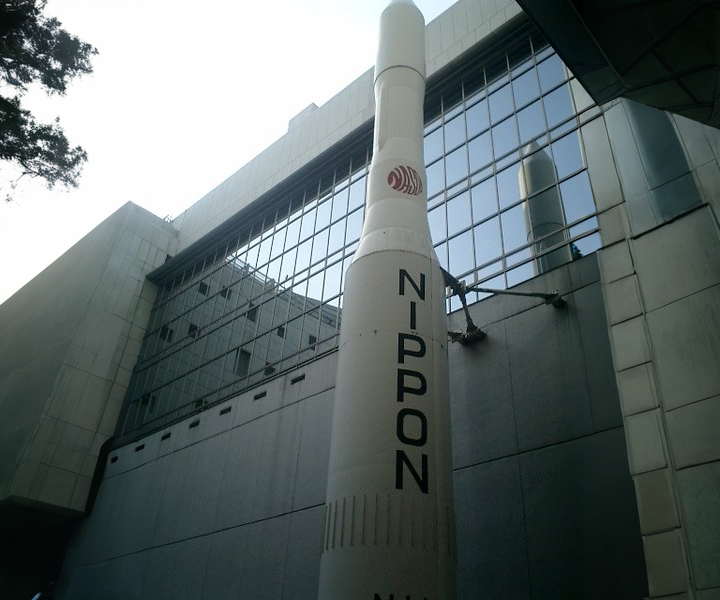
Forty-eight years ago, a pioneering satellite named Kiku 2 propelled Japan into the exclusive group of nations capable of operating satellites in geostationary orbit
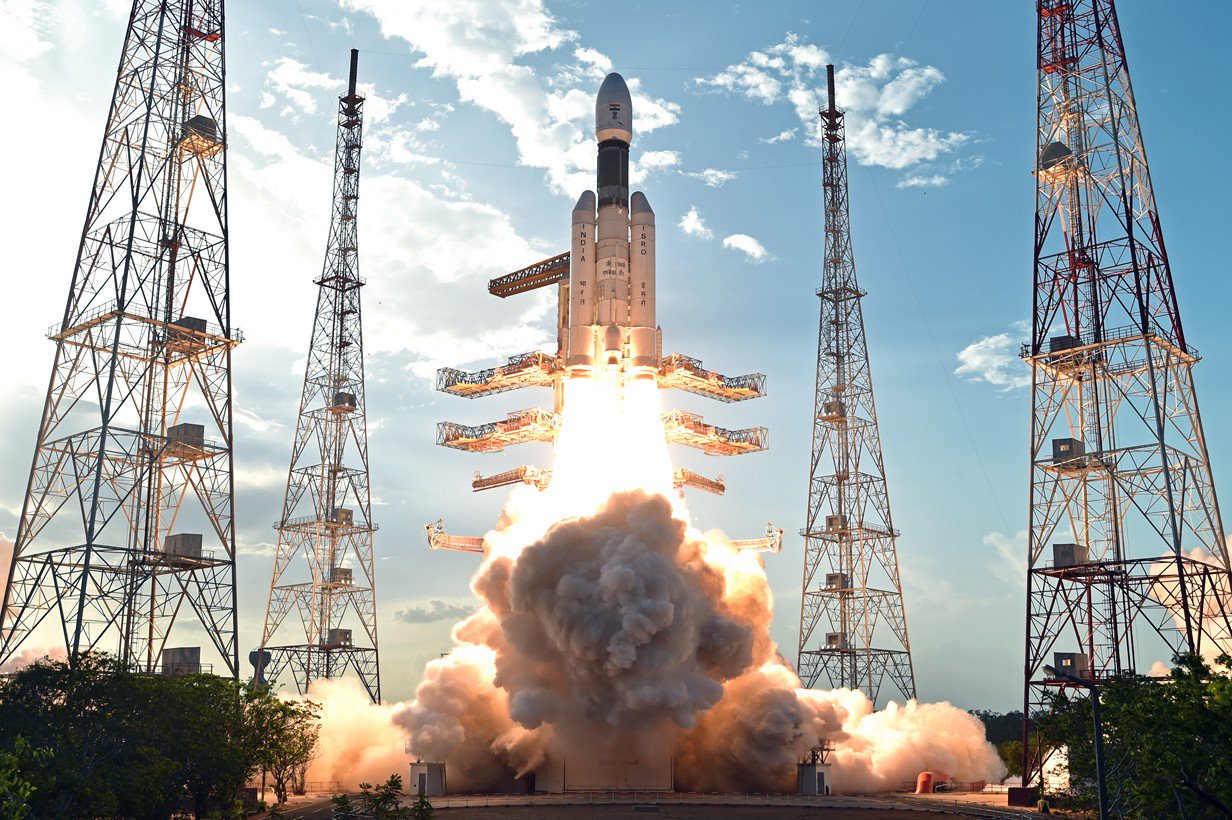
Today's brief covers an increase in Chinese satellite launches, the operational status of the Space Force's ATLAS software, and a significant fundraising event in the defense sector.