


X Report 25 Nov 2024
SpaceX launches multiple Starlink batches, FAA updates for Starship, and NASA plans lunar cargo deliveries involving SpaceX and Blue Origin.



Launch Date
June 8, 2024
Launch Site
Launch Pad
LC40
Launch Vehicle
NORAD ID
60037
International Designator
2024-111X
Epoch
Sun, 19 Jul 2026 16:07:25 GMT
Apogee
Calculating...
Perigee
Calculating...
Inclination
53.16°
Right Ascension
182.36°
Eccentricity
Calculating...
Argument of Perigee
87.91°
Period
94.11 min
Mean Motion
15.30 rev/day
Latitude
Calculating...
Longitude
Calculating...
Altitude
Calculating...
Velocity
Calculating...
Name
STARLINK-31918
Alternative Name
Starlink 31918
Type
Status
Owner
SPXS
Country
United States
Constellation
N/A
Related Satellites
Major Events
N/A
1 60037U 24111X 26200.67182656 -.00000257 00000+0 34356-5 0 9996
2 60037 53.1592 182.3595 0001132 87.9052 272.2078 15.30188031119171
Source: Celestrak
Length
0.3
Diameter
4.1
Span
29
Dry Mass
700
Launch Mass
730
Shape
Box + pan
Radar Cross Section
Unknown
Visual Magnitude
Unknown
Color
Unknown
Material Composition
Unknown
Payload
Starlink Group 10-1-22
Purpose
Communication
Mission
Communication
Manufacturer
SPXS
Life Expectancy
Unknown
Bus
Starlink V2M
Configuration
Starlink v2 Mini
Motor
Argon ion thrusters
Equipment
Ku/Ka/E-band payload, optical inter-satellite link
Power System
Solar arrays, batteries
ADCS
Unknown
Transmitter Frequency
Unknown
Learn more about satellites and other related topics.
SpaceX launches multiple Starlink batches, FAA updates for Starship, and NASA plans lunar cargo deliveries involving SpaceX and Blue Origin.
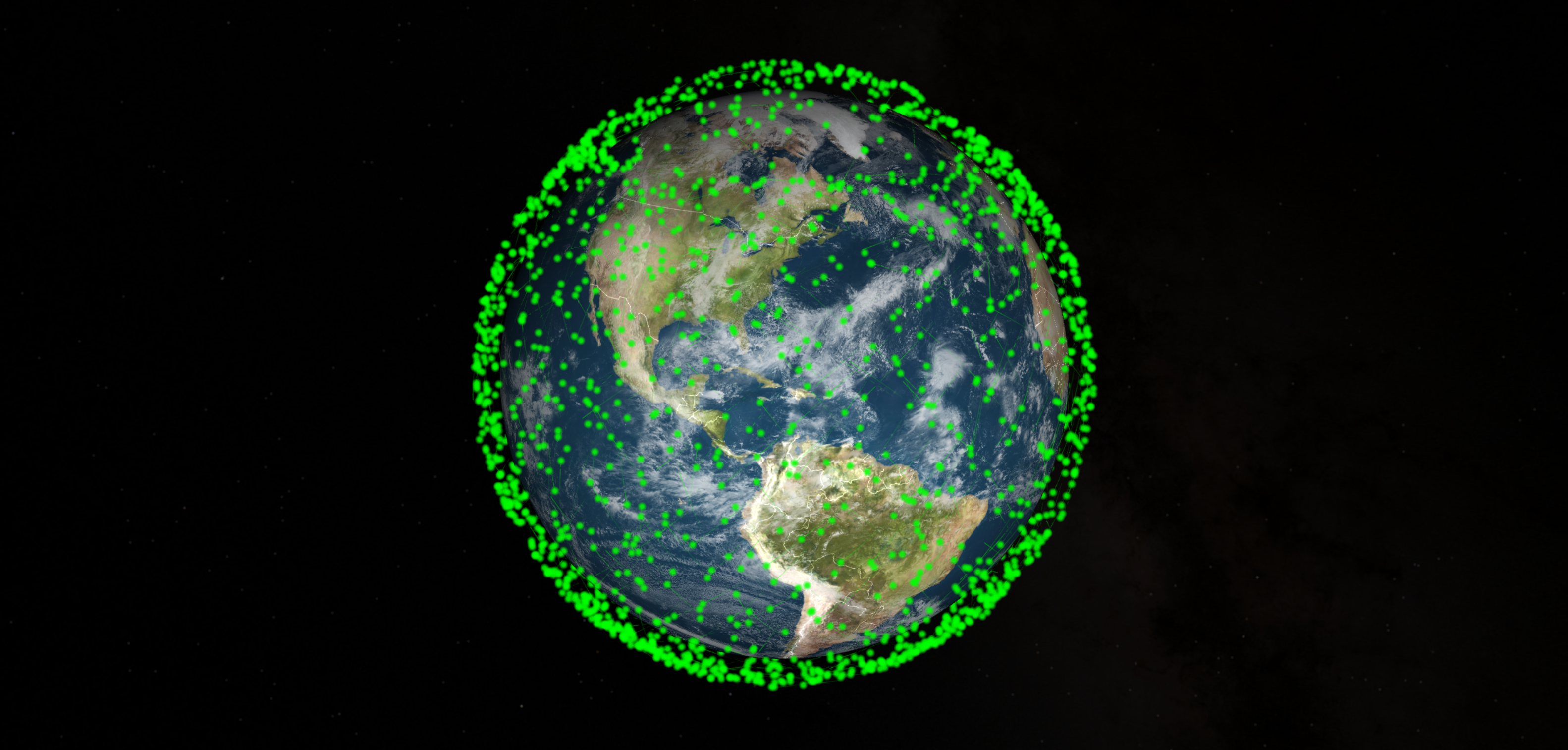
SpaceX quietly built the world's largest 4G network without a single cell tower. Over 650 satellites now connect standard smartphones directly from orbit, and most people carrying compatible phones don't know the service exists.
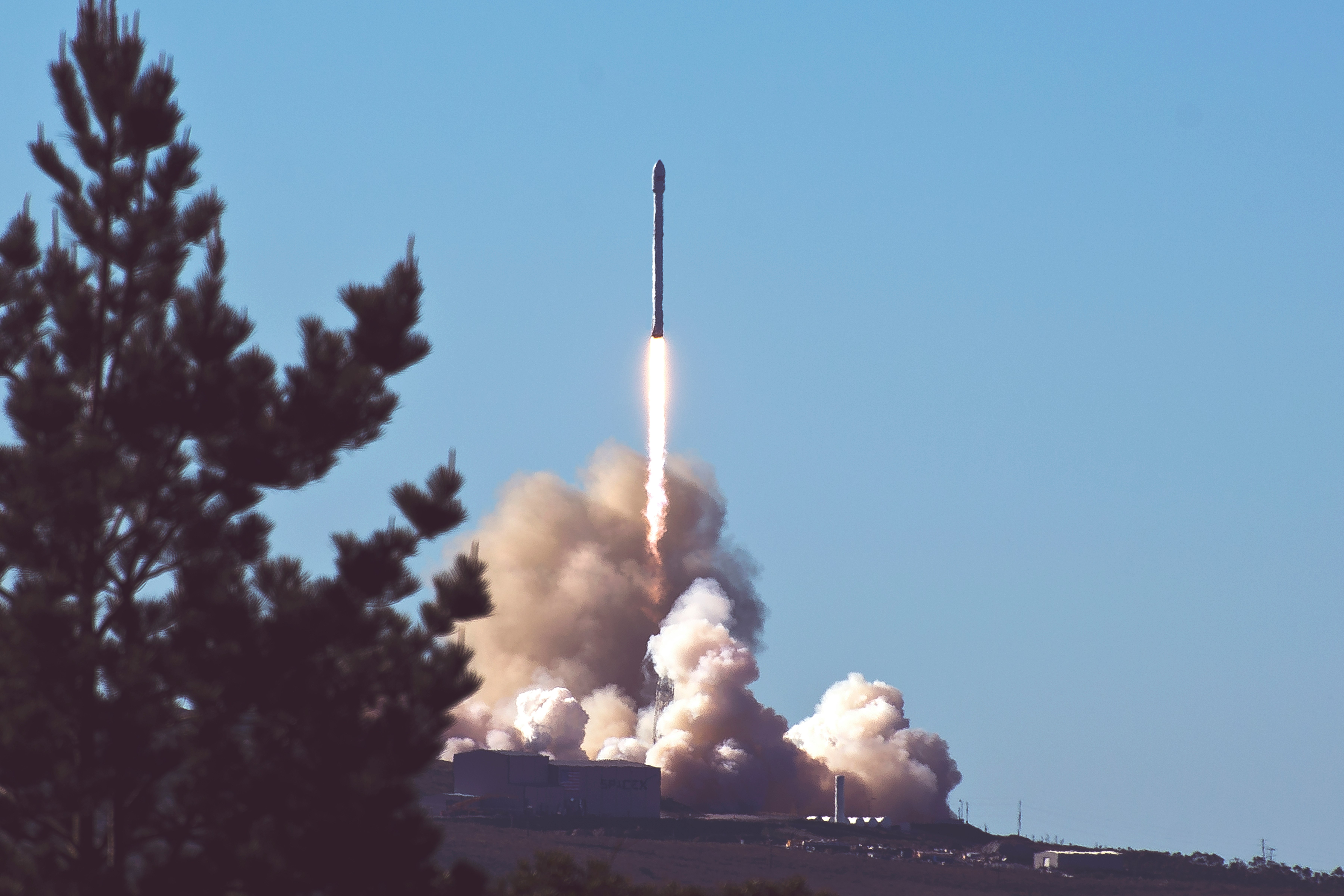
SpaceX launches Starlink satellites successfully, while Starbase inches closer to city status and business discussions intensify.

Trump's interim Air Force One—a $400M Boeing 747-8—equipped with Starlink for presidential communications. First confirmed LEO constellation use for White House comms.
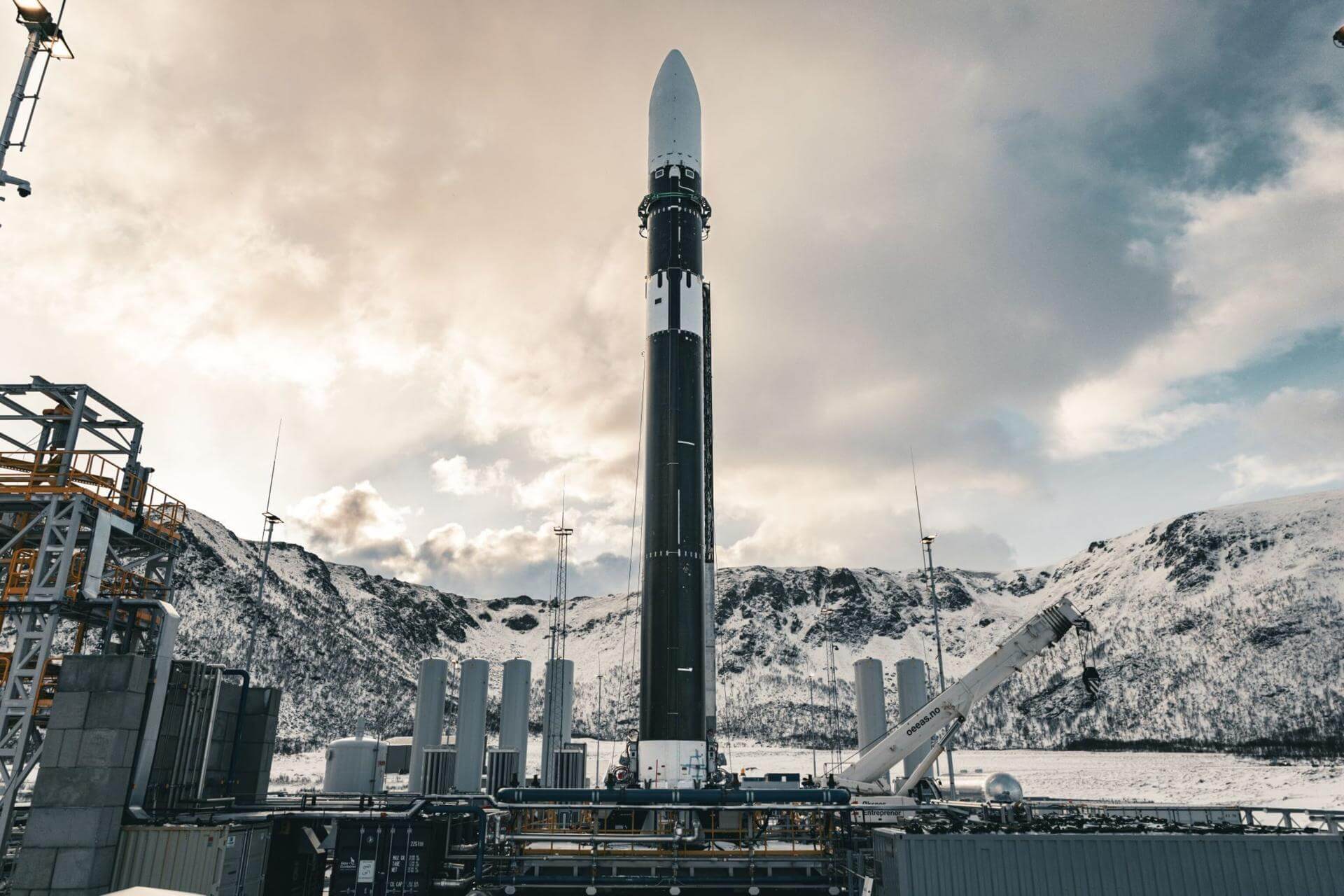
Exploring the future of space with concerns on space debris, rapid growth in orbital data centers, and new developments at launch sites.
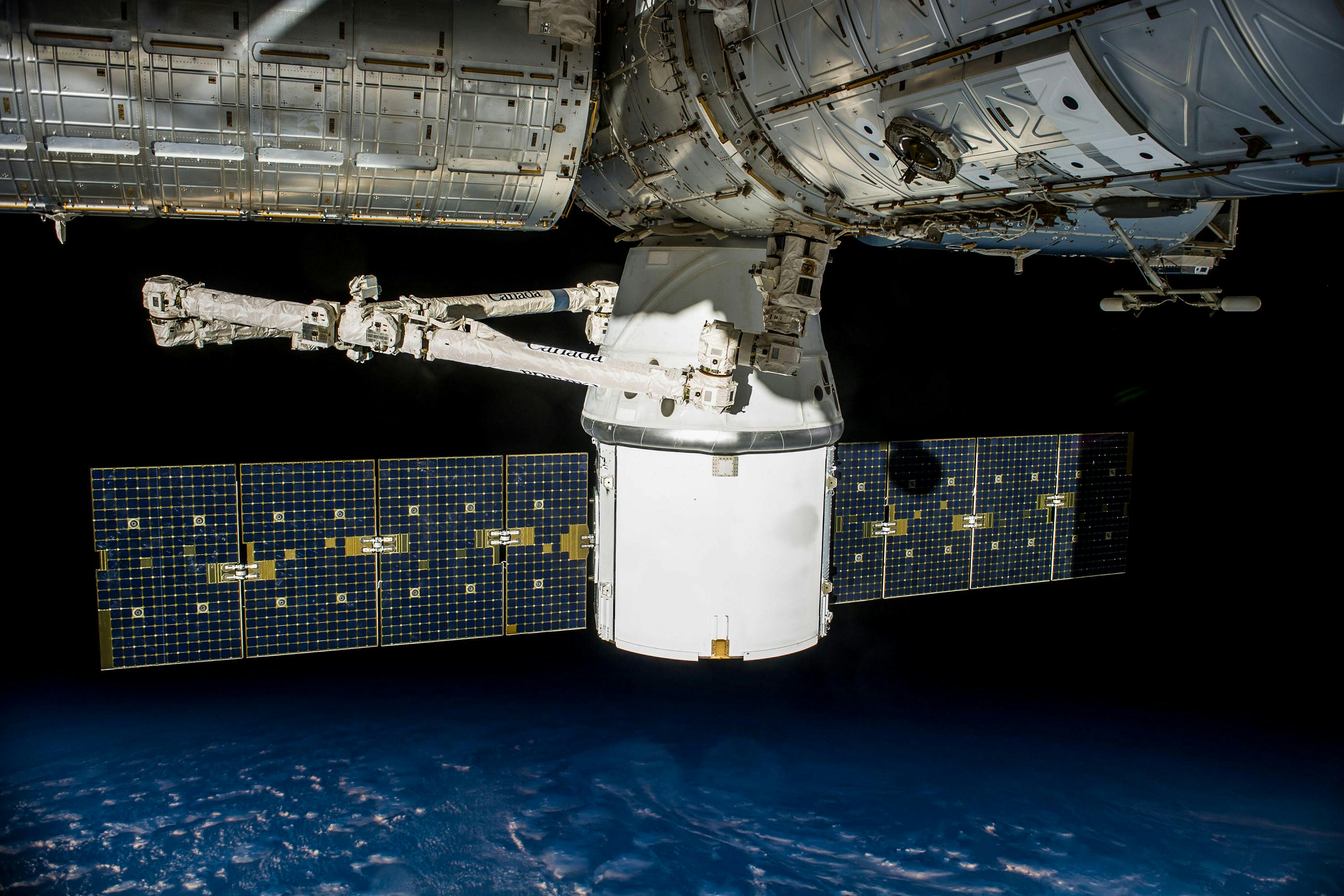
Today's report highlights a catastrophic failure during Starship preparations, significant advancements in Starlink services in Ukraine and India, and the successful launch of 28 Starlink satellites.

Falcon Heavy flew for the first time in eighteen months on April 29, 2026, expending its center core to push Viasat's final ViaSat-3 satellite toward geostationary orbit. The mission is a flagship rocket doing what only it can still do, for an operator betting six tons of high-throughput hardware on a market Starlink is rapidly redefining.
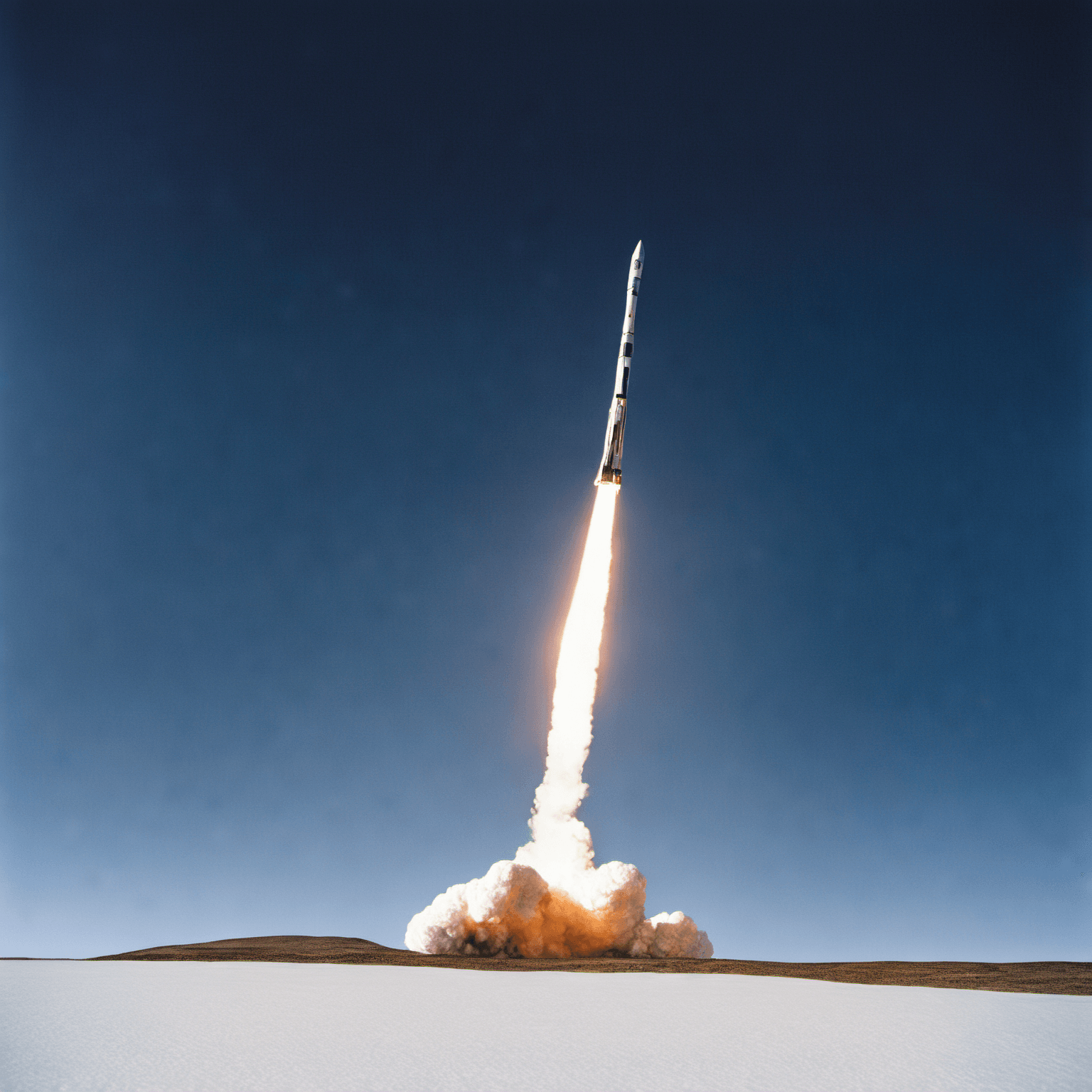
Rocket Lab's successful Electron return to flight, China's third Shenlong mission, lessons from Virgin Orbit's failure in the UK, Hubble's 30-year post-repair anniversary, and a summary of recent global launches.