


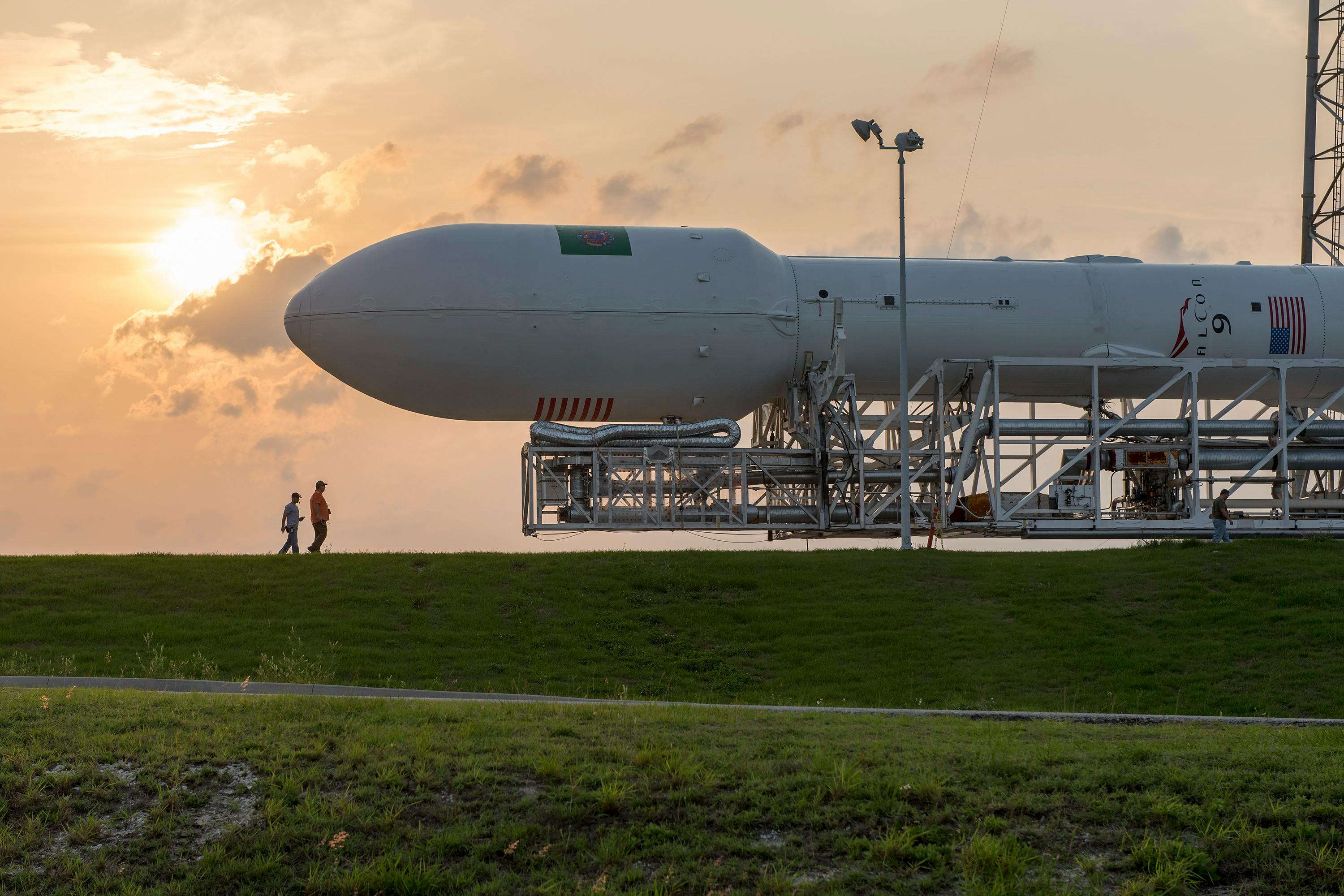
Space Brief 24 Oct 2024
Today's Space Brief highlights SpaceX Crew-8's return, Intelsat-33e satellite breakup, SpaceX's upcoming Starship tests, and notable launches including China's new mega-constellation.



Launch Date
June 8, 2024
Launch Site
Launch Pad
LC40
Launch Vehicle
NORAD ID
60018
International Designator
2024-111C
Epoch
Mon, 20 Jul 2026 05:31:31 GMT
Apogee
Calculating...
Perigee
Calculating...
Inclination
53.16°
Right Ascension
180.16°
Eccentricity
Calculating...
Argument of Perigee
83.46°
Period
94.11 min
Mean Motion
15.30 rev/day
Latitude
Calculating...
Longitude
Calculating...
Altitude
Calculating...
Velocity
Calculating...
Name
STARLINK-31984
Alternative Name
Starlink 31984
Type
Status
Owner
SPXS
Country
United States
Constellation
N/A
Related Satellites
Major Events
N/A
1 60018U 24111C 26201.23022316 .00000037 00000+0 13392-4 0 9995
2 60018 53.1593 180.1588 0001226 83.4578 276.6563 15.30198200119173
Source: Celestrak
Length
0.3
Diameter
4.1
Span
29
Dry Mass
700
Launch Mass
730
Shape
Box + pan
Radar Cross Section
Unknown
Visual Magnitude
Unknown
Color
Unknown
Material Composition
Unknown
Payload
Starlink Group 10-1-03
Purpose
Communication
Mission
Communication
Manufacturer
SPXS
Life Expectancy
Unknown
Bus
Starlink V2M
Configuration
Starlink v2 Mini
Motor
Argon ion thrusters
Equipment
Ku/Ka/E-band payload, optical inter-satellite link
Power System
Solar arrays, batteries
ADCS
Unknown
Transmitter Frequency
Unknown
Learn more about satellites and other related topics.
Today's Space Brief highlights SpaceX Crew-8's return, Intelsat-33e satellite breakup, SpaceX's upcoming Starship tests, and notable launches including China's new mega-constellation.

MDA Space acquires Blue Canyon Technologies for $620 million, and NASA's 2028 Aeolus Mars orbiter goes to a California startup instead of SpaceX.

Historic moon landing by Firefly Aerospace, Spanish Air and Space Force advances with new simulator, and spotlight on OneWeb's communication satellite.

Today's highlights include Rocket Lab joining the US Space Force's national security launch program, SpaceX's upcoming Starlink deployment, China's successful EVA, and intriguing science aboard SpaceX's Fram2 mission.
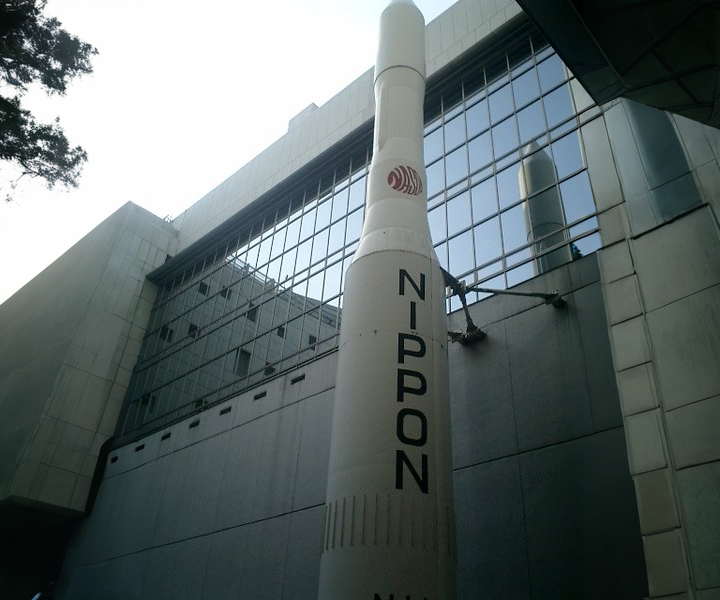
Forty-eight years ago, a pioneering satellite named Kiku 2 propelled Japan into the exclusive group of nations capable of operating satellites in geostationary orbit

We forecast how many satellites could be in orbit by 2030 and what capabilities we can expect.
Today's brief covers potential roles for commercial satellites in missile defense, SpaceX's new launch site plans at Vandenberg, and partnerships for space nuclear propulsion. Discover updates on military space projects and international defense agreements.

SpaceX awarded $2.29 billion to build Space Force's LEO communications backbone, integrating with SDA Transport layer satellites for military tactical data relay through space.