


Orion Crew Returns After Historic Lunar Mission | KeepTrack Space Brief
Artemis 2's four-person crew splashed down April 10 after first crewed lunar flyby since Apollo 17. Orion performance data critical for Artemis 3 south pole landing planning.


Launch Date
January 1, 45448
Launch Site
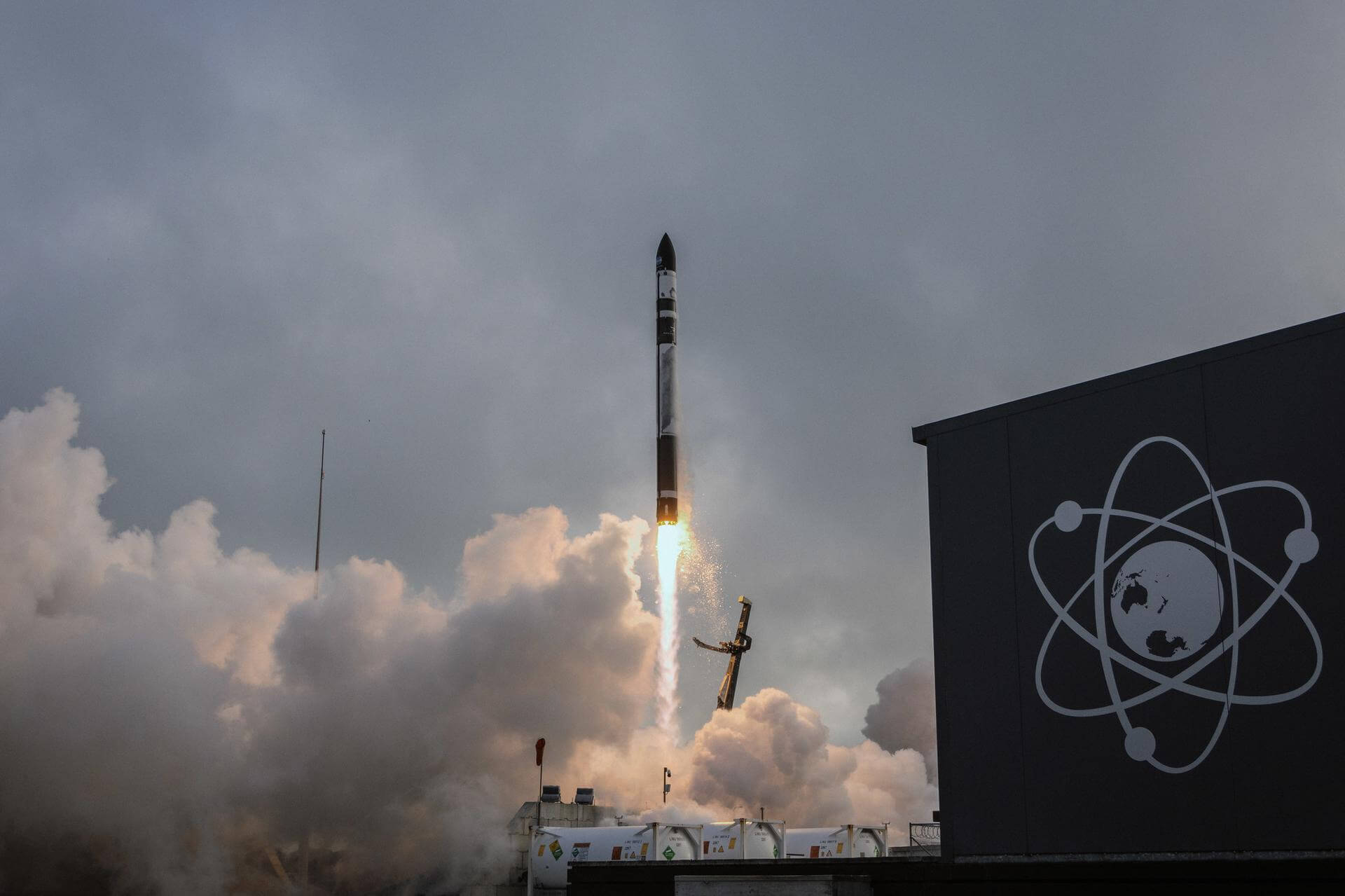
Rocket Lab Launch Complex 1, Māhia, New Zealand
Launch Pad
Pad B
Launch Vehicle
Electron
NORAD ID
59965
International Designator
2024-108A
Epoch
Sun, 19 Jul 2026 09:02:03 GMT
Apogee
Calculating...
Perigee
Calculating...
Inclination
97.54°
Right Ascension
355.32°
Eccentricity
Calculating...
Argument of Perigee
125.06°
Period
94.49 min
Mean Motion
15.24 rev/day
Latitude
Calculating...
Longitude
Calculating...
Altitude
Calculating...
Velocity
Calculating...
Name
PREFIRE-1
Alternative Name
PREFIRE 1
Type
Status
Owner
NASA
Country
United States
Constellation
N/A
Related Satellites
Major Events
Launch on June 5, 2024; commencement of data collection shortly thereafter.
1 59965U 24108A 26200.37643186 .00002457 00000+0 10440-3 0 9996
2 59965 97.5351 355.3152 0012583 125.0567 235.1852 15.23968209117498
Source: Celestrak
Length
0.3
Diameter
0.2
Span
12.7
Dry Mass
3
Launch Mass
10
Shape
Rectangular
Radar Cross Section
Unknown
Visual Magnitude
Unknown
Color
Unknown
Material Composition
Unknown
Payload
Thermal InfraRed Spectrometer (TIRS)
Purpose
To study the Earth's energy budget by measuring far-infrared emissions from polar regions, enhancing climate models and predictions.
Mission
The Polar Radiant Energy in the Far InfraRed Experiment (PREFIRE) aims to measure far-infrared radiation emitted from Earth's polar regions to improve understanding of Arctic warming, sea ice loss, and ice-sheet melting.
Manufacturer
NASA Jet Propulsion Laboratory (JPL)
Life Expectancy
The mission is designed to operate for approximately one year, covering one seasonal cycle.
Bus
6U CubeSat
Configuration
Unknown
Motor
Unknown
Equipment
Thermal InfraRed Spectrometer (TIRS), a pushbroom spectrometer with 64 channels measuring mid- and far-infrared radiation from approximately 5 to 54 µm.
Power System
Approximately 4.5 W
ADCS
Three-axis stabilization
Transmitter Frequency
Unknown
Learn more about satellites and other related topics.
Artemis 2's four-person crew splashed down April 10 after first crewed lunar flyby since Apollo 17. Orion performance data critical for Artemis 3 south pole landing planning.
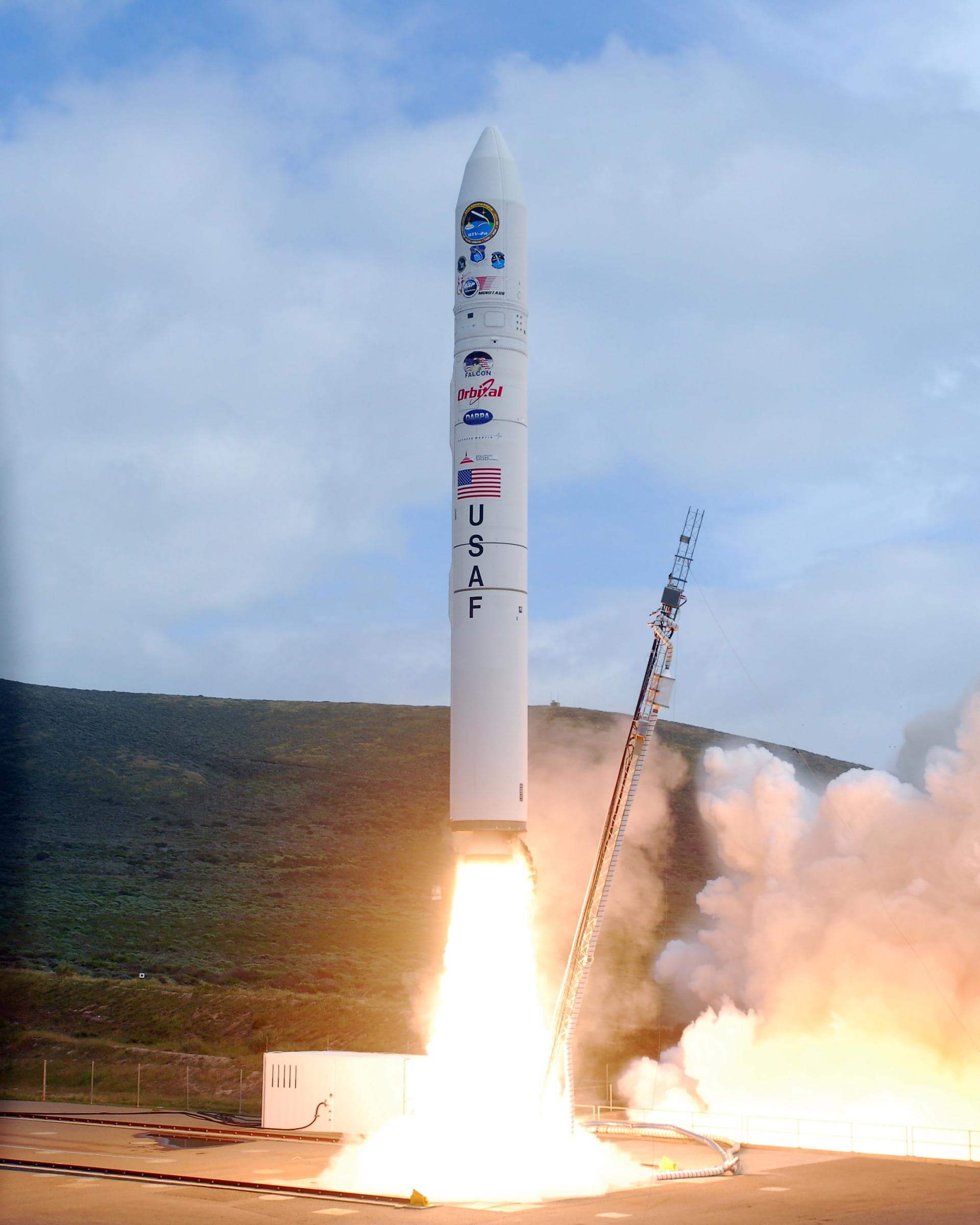
Today's brief covers strategic alignments in U.S. military space operations, a landmark missile defense program, and advances in secure satellite communications.
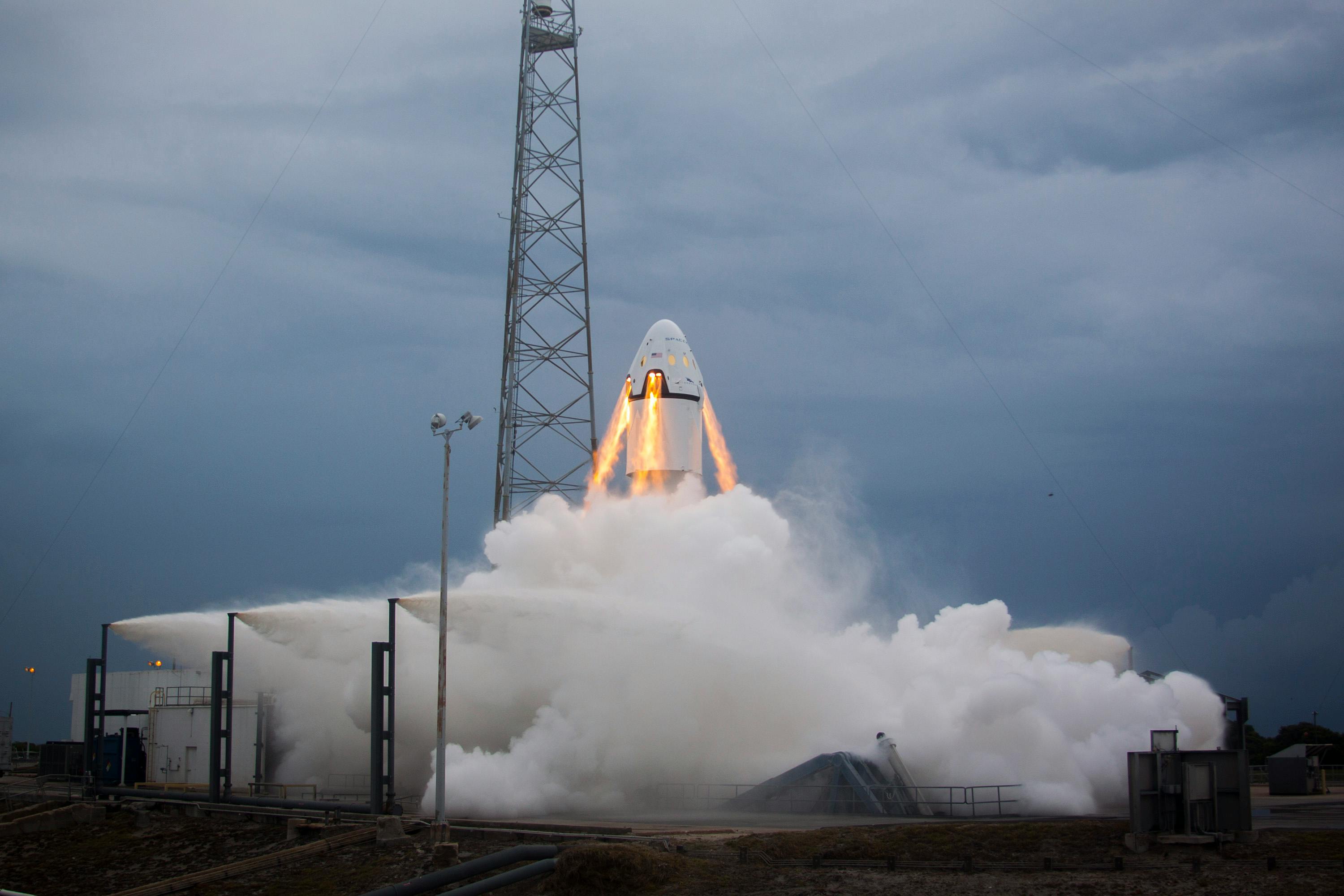
SpaceX secured a $178.5M Space Force contract to launch missile-tracking satellites from 2027, backing the Missile Track Custody threat-tracking layer.
Boeing opens new facility to boost missile-tracking sensor production for military satellites. Tory Bruno joins Blue Origin for national security projects. 25 Starlink sats launched.

Today's briefing covers significant developments in international rocket designs, recent astronaut health updates, and advancements in supersonic flight technology.
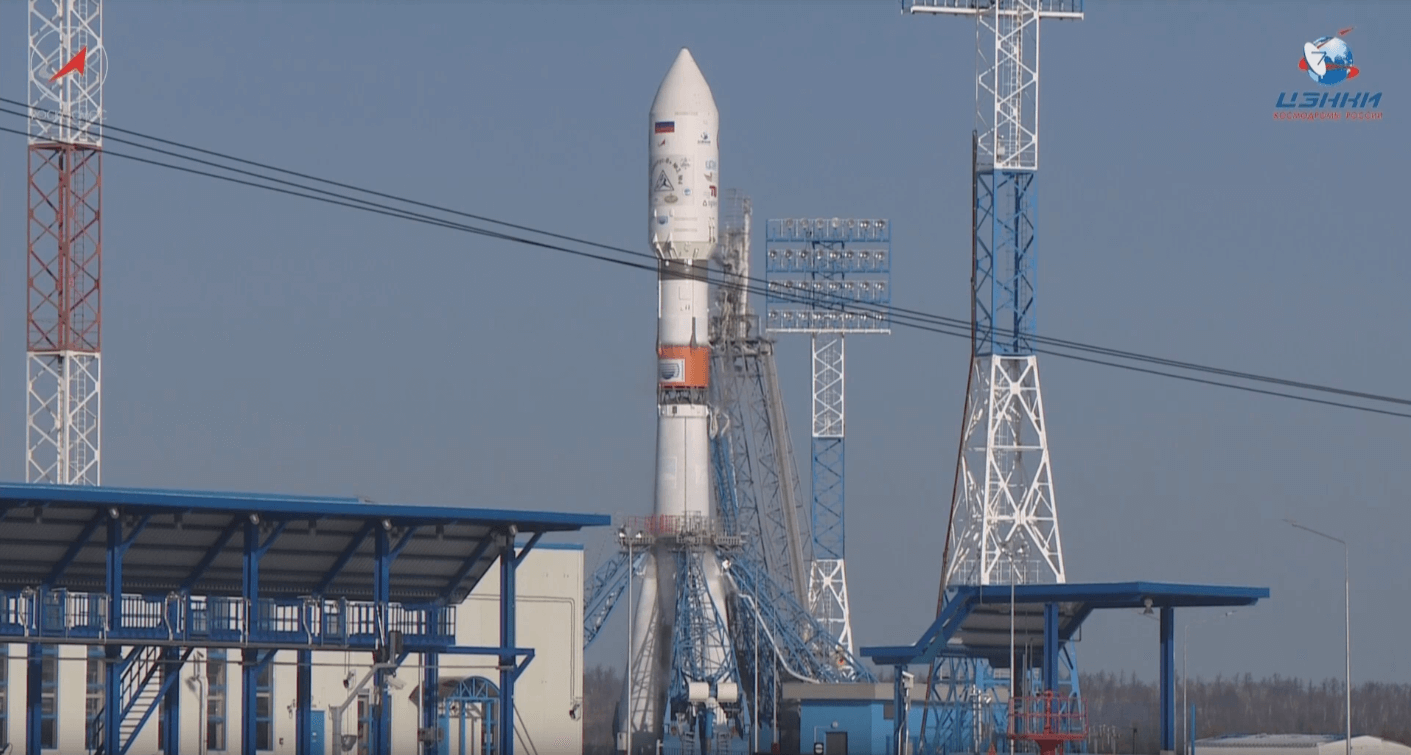
Today's brief covers SES's satellite orchestration, SpaceX's defense role, cyber scorecards in DoD, and more.
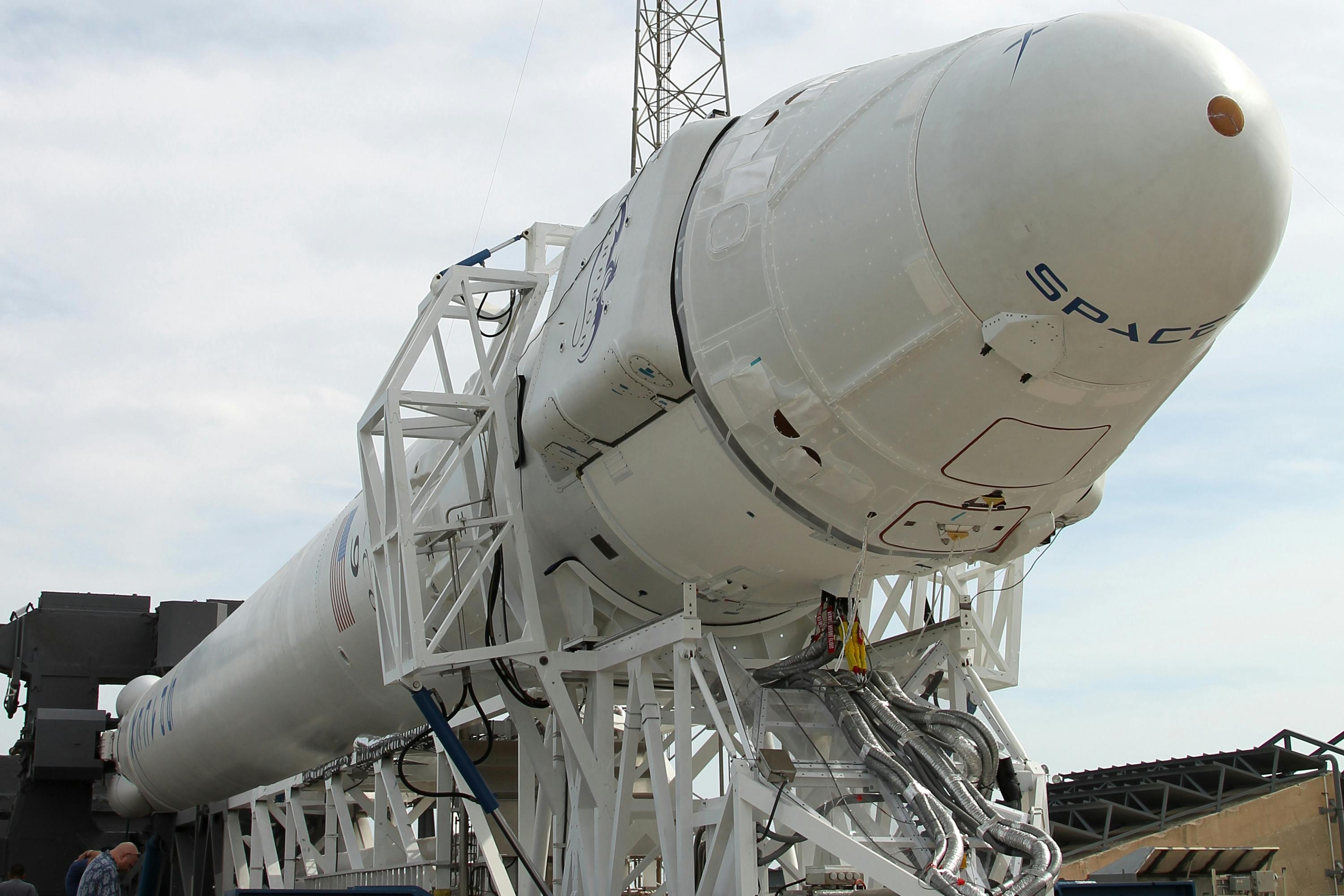
SpaceX successfully launched an Israeli satellite and remains on track for its upcoming Crew-11 mission while continuing to engage in mystery satellite launches.
Today's Space Brief highlights pivotal defense budget evaluations, Lithuania's growing defense connections, the first CubeSat for ESA's Ramses mission, and the one-year milestone of the Aries satellite in orbit.