



Space Brief 22 Oct 2024
Today's Space Brief highlights SpaceX's 99th operational launch, China's calibration satellite launch, and Space Force's role in a commercial space age. Special spotlight on the satellite YAOGAN 1!



Launch Date
June 1, 2024
Launch Site
Launch Pad
LC40
Launch Vehicle
NORAD ID
59933
International Designator
2024-106M
Epoch
Sun, 19 Jul 2026 09:13:53 GMT
Apogee
Calculating...
Perigee
Calculating...
Inclination
43.00°
Right Ascension
308.80°
Eccentricity
Calculating...
Argument of Perigee
269.24°
Period
94.27 min
Mean Motion
15.28 rev/day
Latitude
Calculating...
Longitude
Calculating...
Altitude
Calculating...
Velocity
Calculating...
Name
STARLINK-31853
Alternative Name
Starlink 31853
Type
Status
Owner
SPXS
Country
United States
Constellation
N/A
Related Satellites
Major Events
N/A
1 59933U 24106M 26200.38464921 .00011360 00000+0 42250-3 0 9995
2 59933 43.0025 308.7995 0001070 269.2403 90.8326 15.27518980120669
Source: Celestrak
Length
0.3
Diameter
4.1
Span
29
Dry Mass
700
Launch Mass
730
Shape
Box + pan
Radar Cross Section
Unknown
Visual Magnitude
Unknown
Color
Unknown
Material Composition
Unknown
Payload
Starlink Group 6-64-12
Purpose
Communication
Mission
Communication
Manufacturer
SPXS
Life Expectancy
Unknown
Bus
Starlink V2M
Configuration
Starlink v2 Mini
Motor
Argon ion thrusters
Equipment
Ku/Ka/E-band payload, optical inter-satellite link
Power System
Solar arrays, batteries
ADCS
Unknown
Transmitter Frequency
Unknown
Learn more about satellites and other related topics.
Today's Space Brief highlights SpaceX's 99th operational launch, China's calibration satellite launch, and Space Force's role in a commercial space age. Special spotlight on the satellite YAOGAN 1!
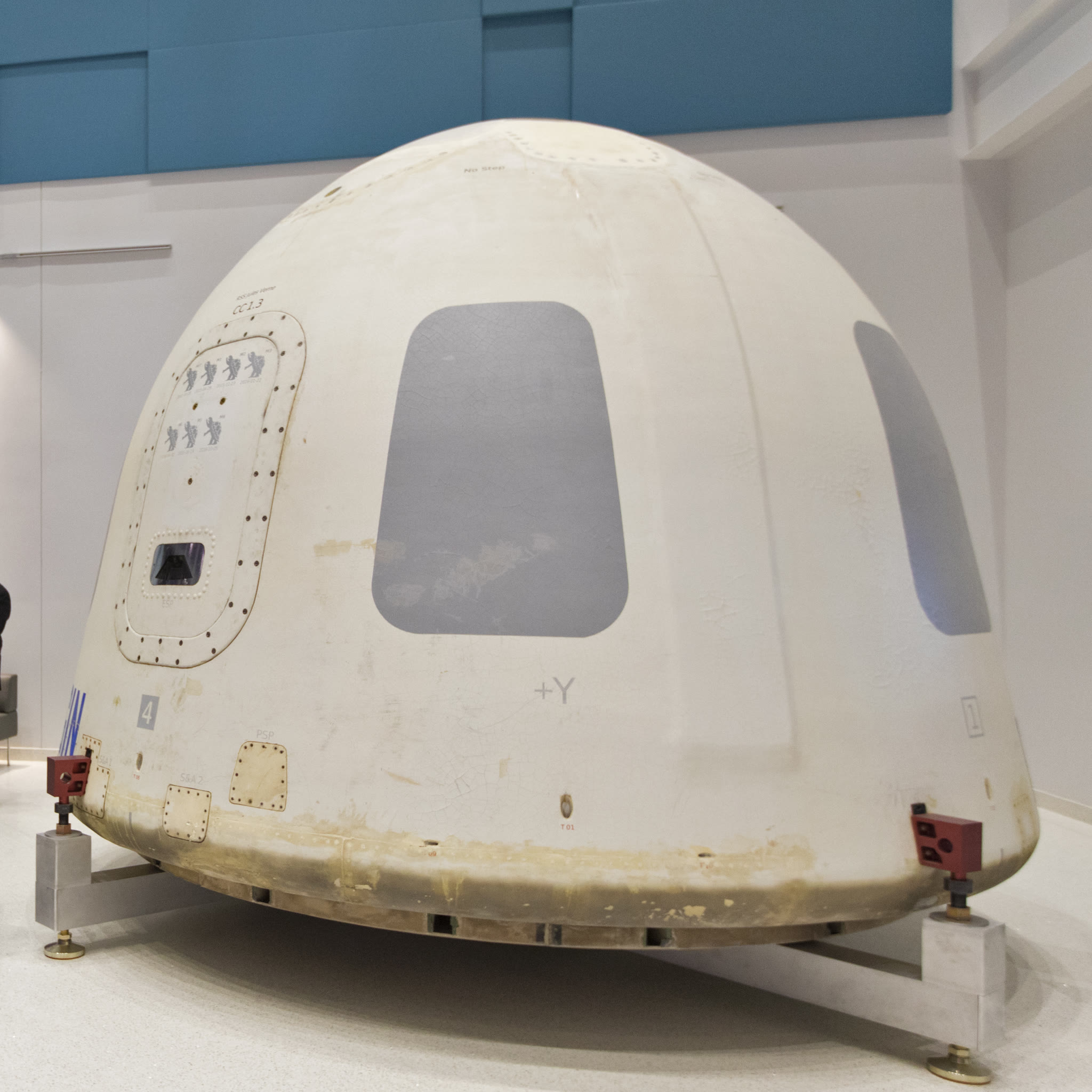
Twenty-two years after SpaceShipOne, the two companies that defined suborbital tourism are both sitting on the ground. Blue Origin parked New Shepard in January, Virgin Galactic has not flown a customer since 2024, and the math behind the whole business is finally getting an honest look.
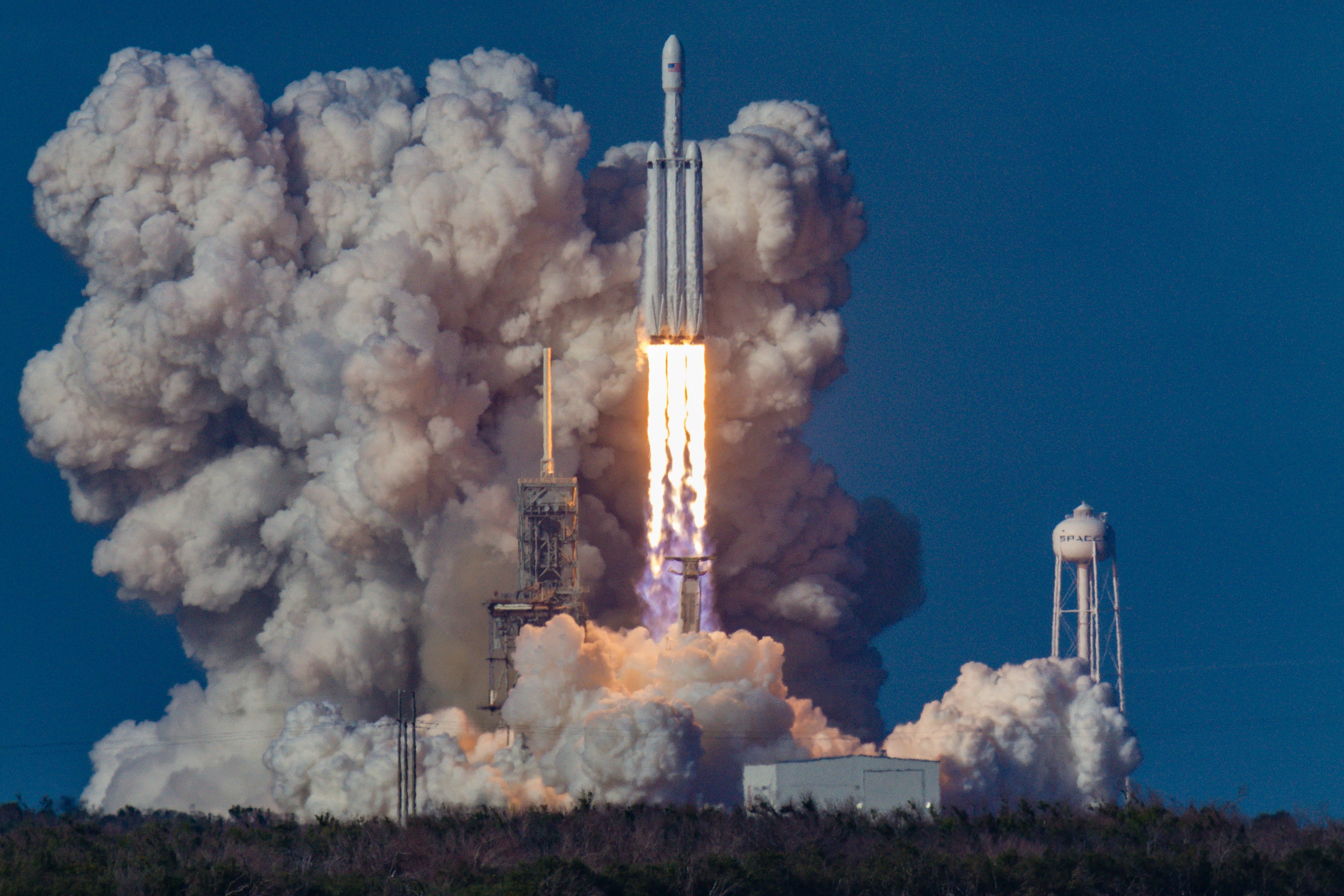
SpaceX successfully launched 28 Starlink satellites from Florida, continuing its momentum in expanding global internet coverage.

SpaceX claims a 2nd GPS III launch as ULA's Vulcan investigation stalls, while ESA charters a Crew Dragon ISS mission and Starlink hits 30 launches in 2026.
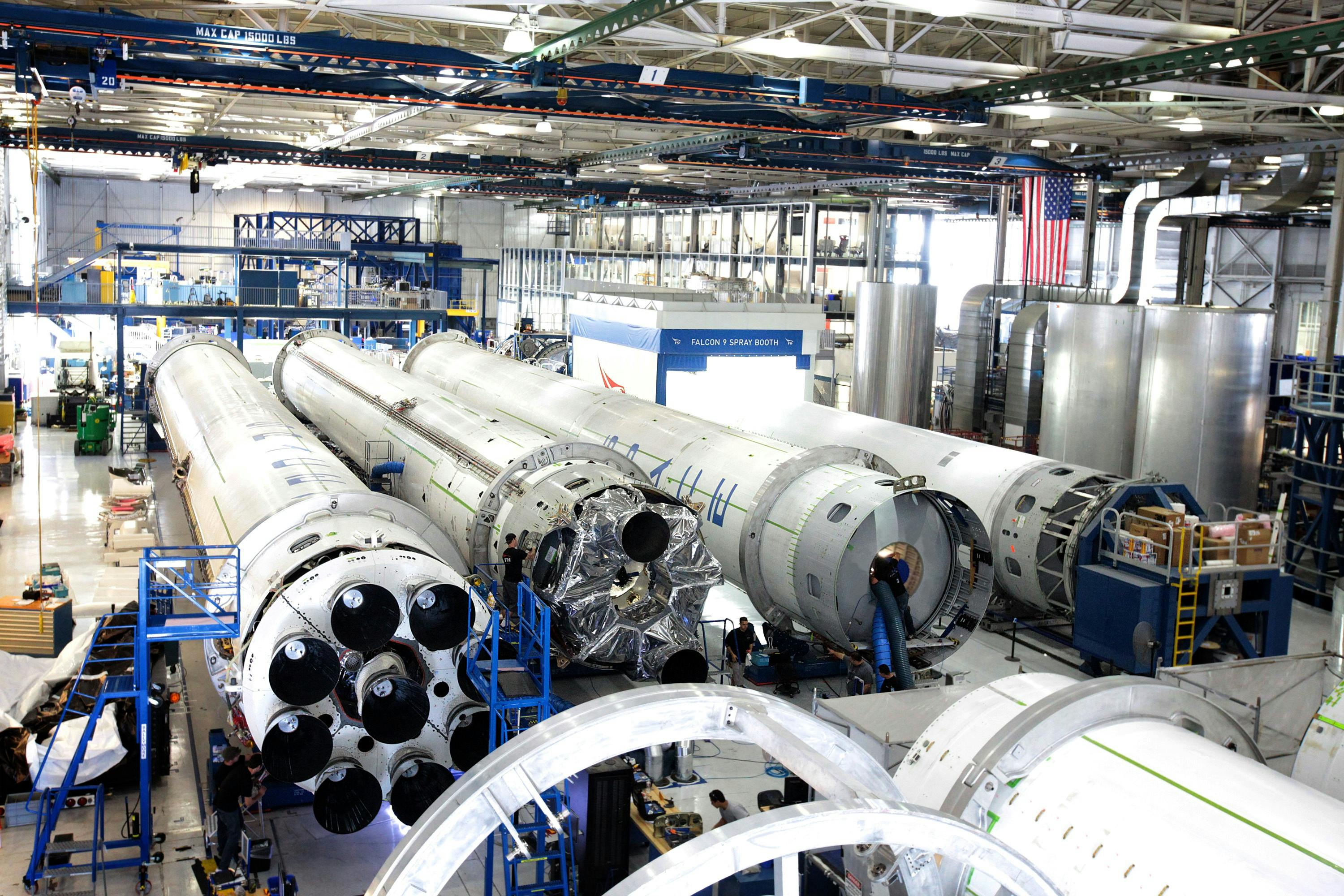
SpaceX achieves a new milestone with a Falcon 9 landing near The Bahamas, closely following Rocket Lab's successful satellite launch.

SpaceX celebrates a record-breaking Falcon 9 launch while Starship demonstrates strong performance in its recent test flight, fueling excitement for upcoming projects.

SpaceX's Falcon 9 achieves a milestone with its 24th launch for Starlink, while competitive moves continue in the satellite internet market.
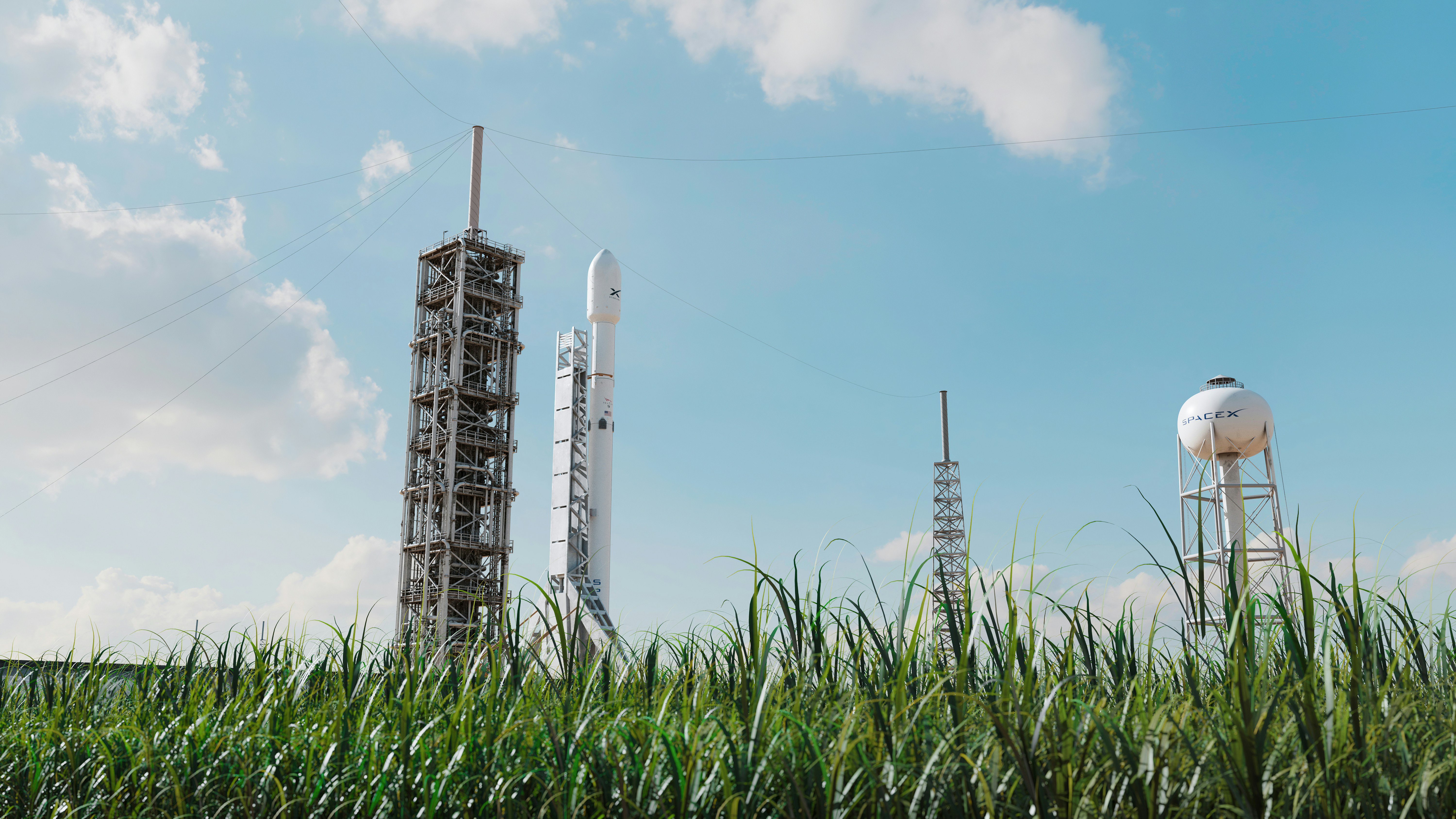
SpaceX faces a setback with a Falcon 9 upper stage reentry issue, while NASA selects SpaceX for a new mission. Starlink expansions continue with multiple satellite launches.