



Space Brief 17 Nov 2025
Today's highlights include key advancements for the Dream Chaser, SpaceX's record launches, Moon mission crowding concerns, and updates in European space policy.



Launch Date
June 1, 2024
Launch Site
Launch Pad
LC40
Launch Vehicle
NORAD ID
59932
International Designator
2024-106L
Epoch
Mon, 20 Jul 2026 07:23:11 GMT
Apogee
Calculating...
Perigee
Calculating...
Inclination
43.00°
Right Ascension
303.68°
Eccentricity
Calculating...
Argument of Perigee
308.88°
Period
94.27 min
Mean Motion
15.28 rev/day
Latitude
Calculating...
Longitude
Calculating...
Altitude
Calculating...
Velocity
Calculating...
Name
STARLINK-31432
Alternative Name
Starlink 31432
Type
Status
Owner
SPXS
Country
United States
Constellation
N/A
Related Satellites
Major Events
N/A
1 59932U 24106L 26201.30776774 -.00027168 00000+0 -98207-3 0 9997
2 59932 42.9994 303.6832 0001768 308.8798 51.1896 15.27555649120795
Source: Celestrak
Length
0.3
Diameter
4.1
Span
29
Dry Mass
700
Launch Mass
730
Shape
Box + pan
Radar Cross Section
Unknown
Visual Magnitude
Unknown
Color
Unknown
Material Composition
Unknown
Payload
Starlink Group 6-64-11
Purpose
Communication
Mission
Communication
Manufacturer
SPXS
Life Expectancy
Unknown
Bus
Starlink V2M
Configuration
Starlink v2 Mini
Motor
Argon ion thrusters
Equipment
Ku/Ka/E-band payload, optical inter-satellite link
Power System
Solar arrays, batteries
ADCS
Unknown
Transmitter Frequency
Unknown
Learn more about satellites and other related topics.
Today's highlights include key advancements for the Dream Chaser, SpaceX's record launches, Moon mission crowding concerns, and updates in European space policy.
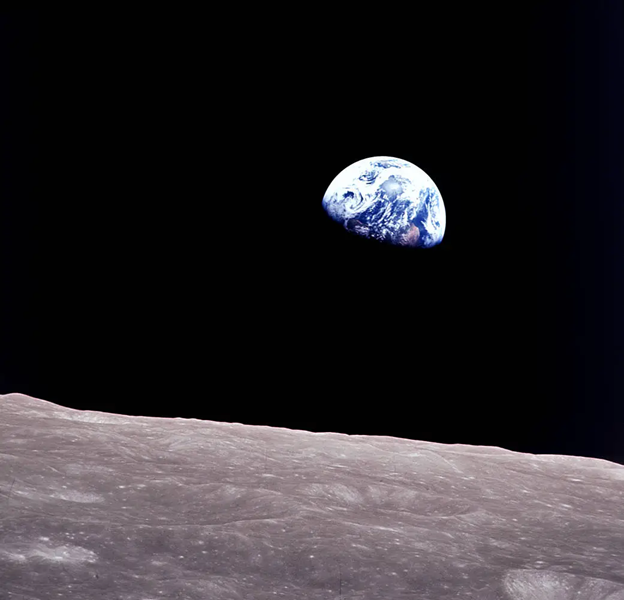
For 56 years, April 22 has been the day the world stops to look at itself. Before that was possible, someone had to invent the view. This is the story of how we first saw Earth from the outside, from a crashed V-2 camera in the New Mexico desert to the Blue Marble that still hangs on classroom walls.
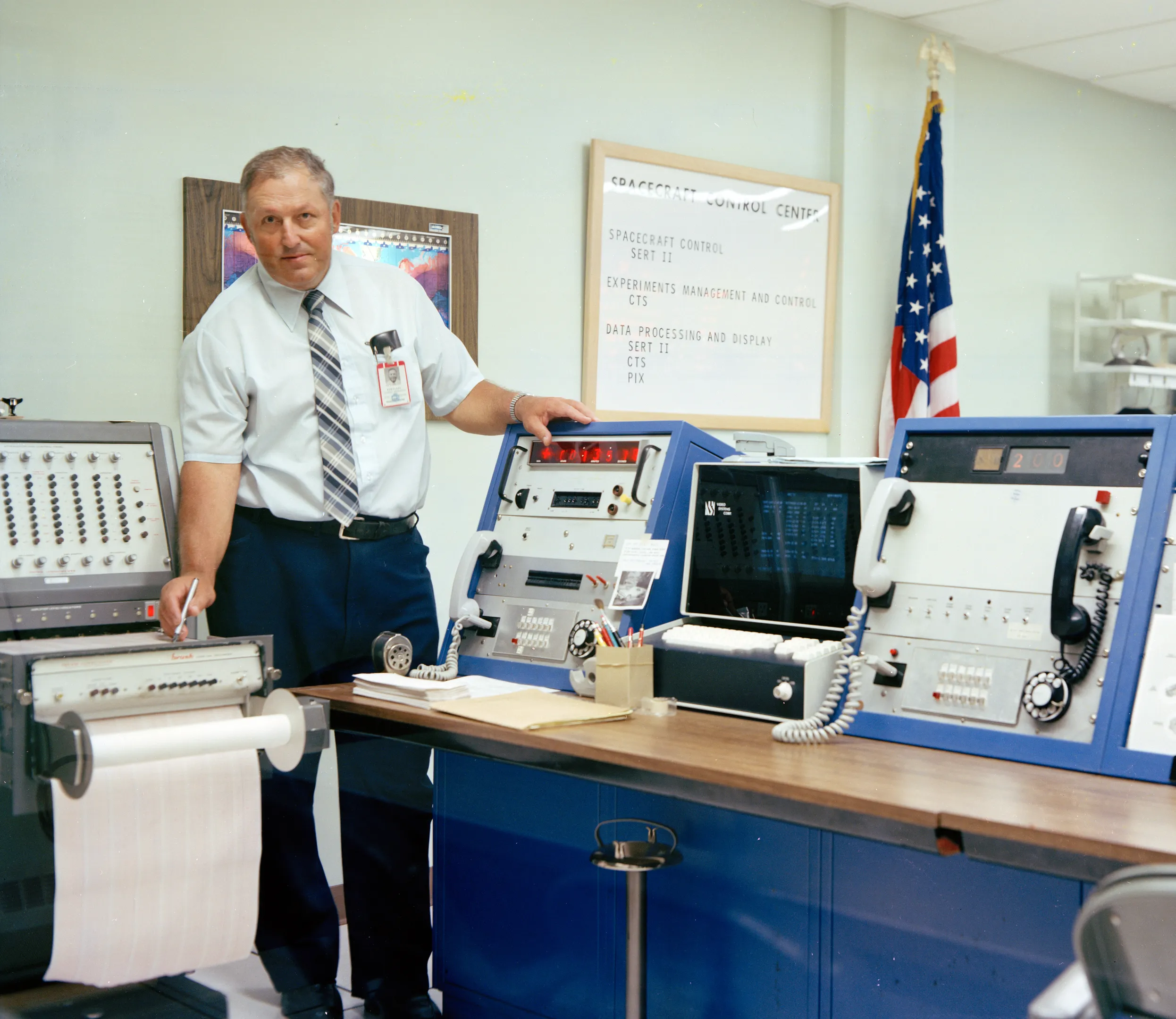
Fifty-five years ago, a revolutionary spacecraft launched from California carrying technology that would transform how we explore the solar system
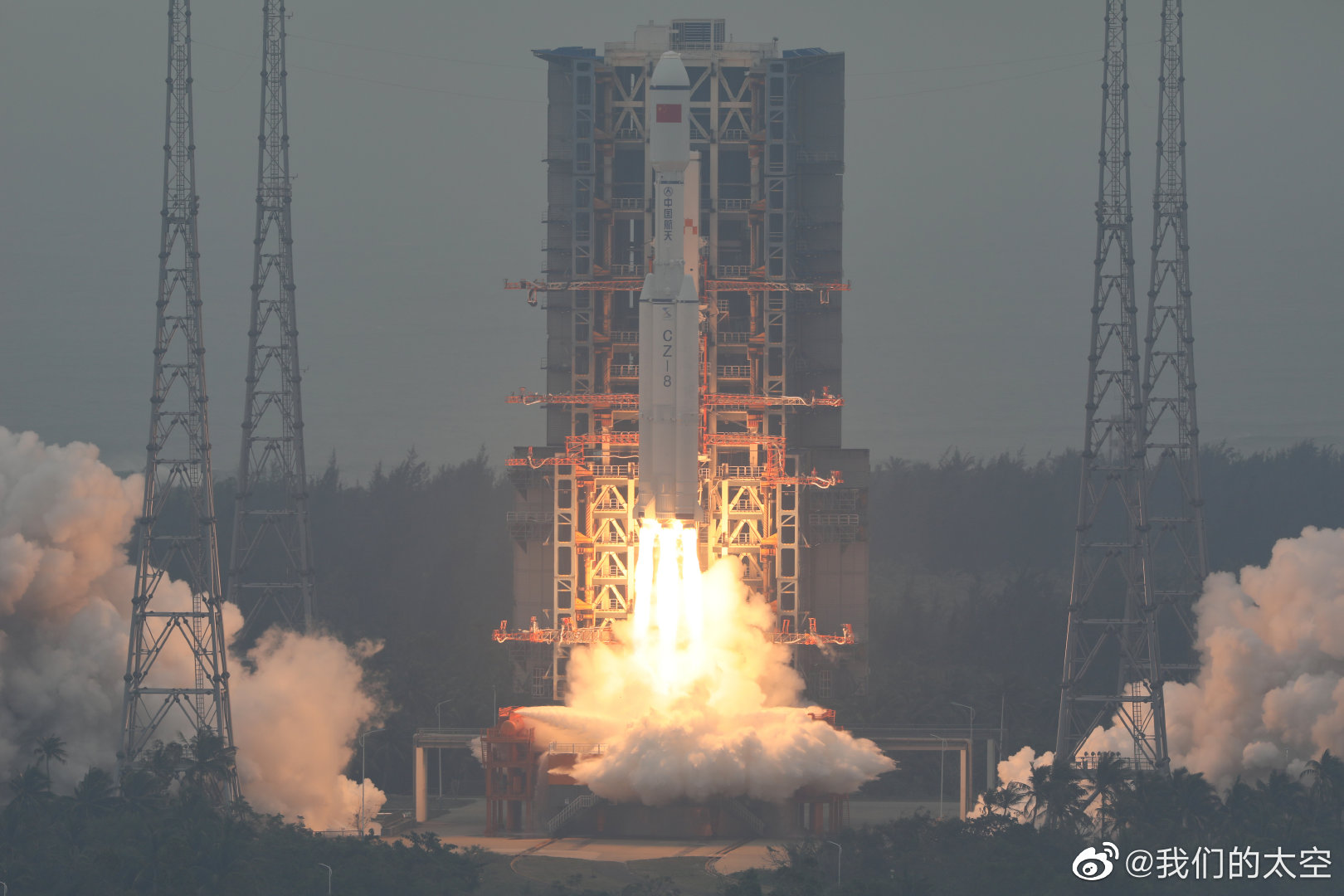
Today's highlights include the launch of a U.S. military satellite via SpaceX, a new French defense agreement for satellite services, and the Missile Defense Agency's successful ICBM target tracking with long-range radar.

What happens when space objects come home: the fiery physics of returning from orbit and why predicting where debris lands is so difficult
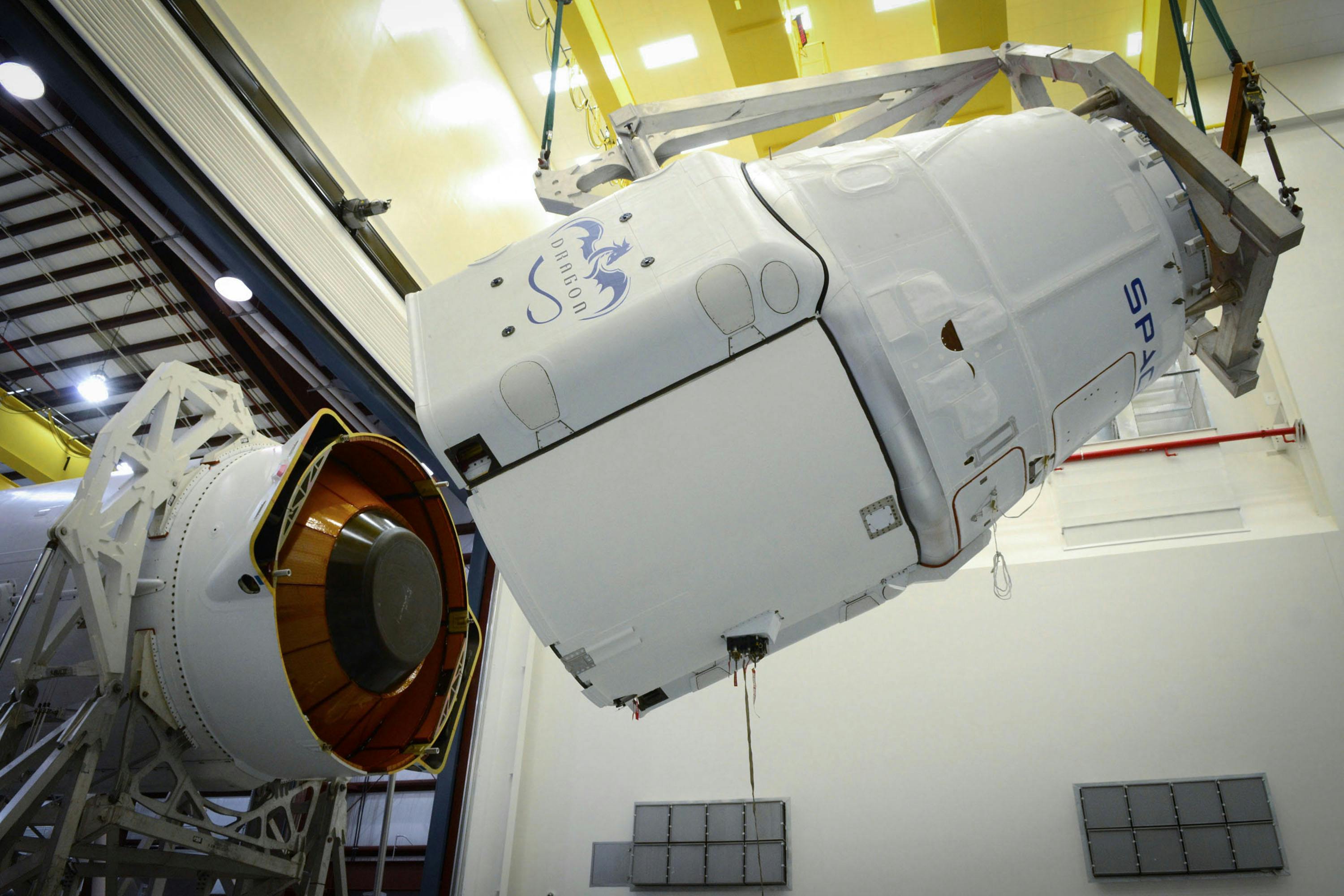
SpaceX gears up for Starship Flight 8 amidst Starlink's growing presence in global internet markets.
Artemis 2's four astronauts entered lunar sphere of influence April 6, first crewed arrival since Apollo 17. NASA simultaneously proposed 25% budget cut for FY2027.
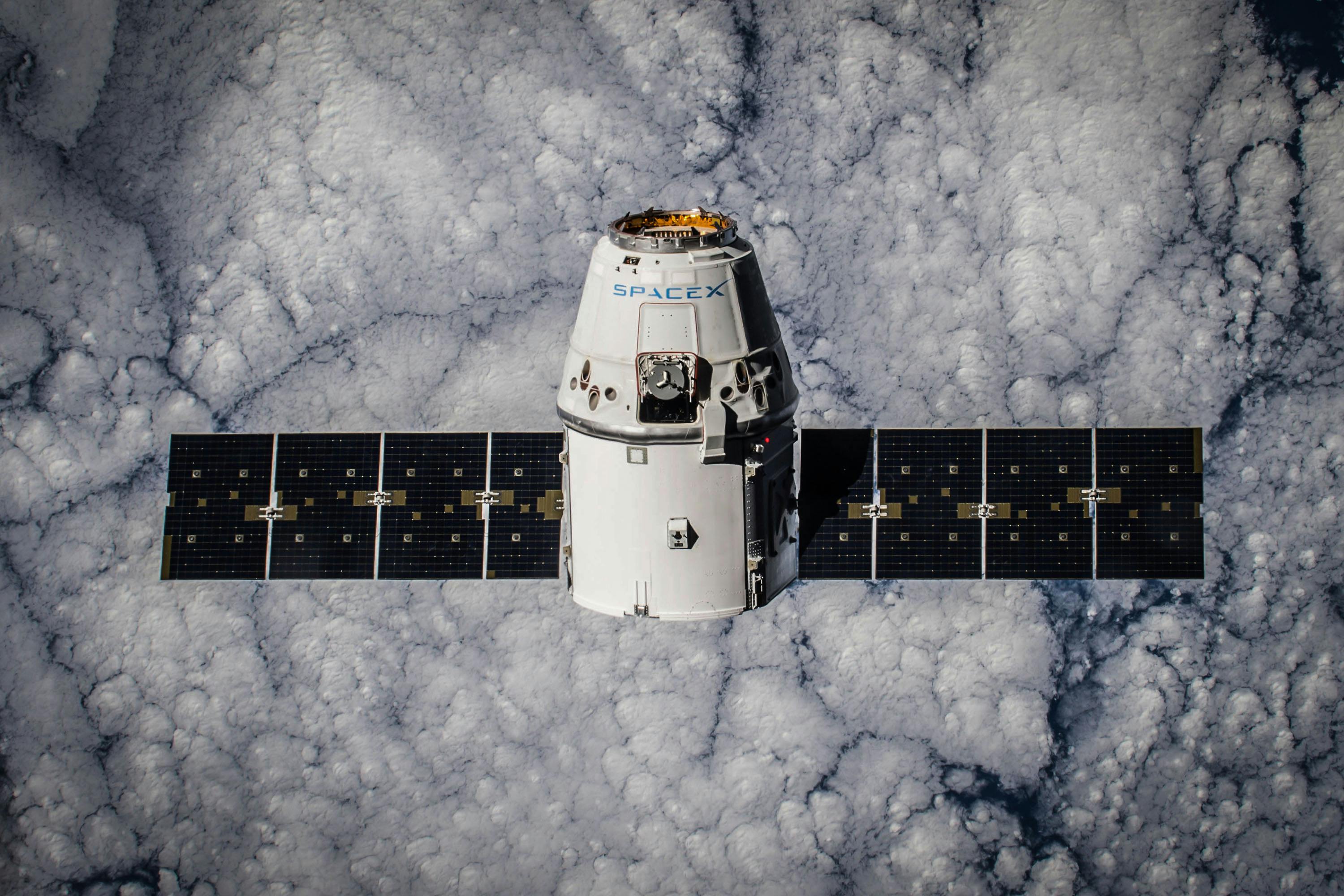
Starlink shifts to monthly hardware rental fees while SpaceX preps Booster 20 for Flight 13 — 10,558 satellites now operational worldwide.