


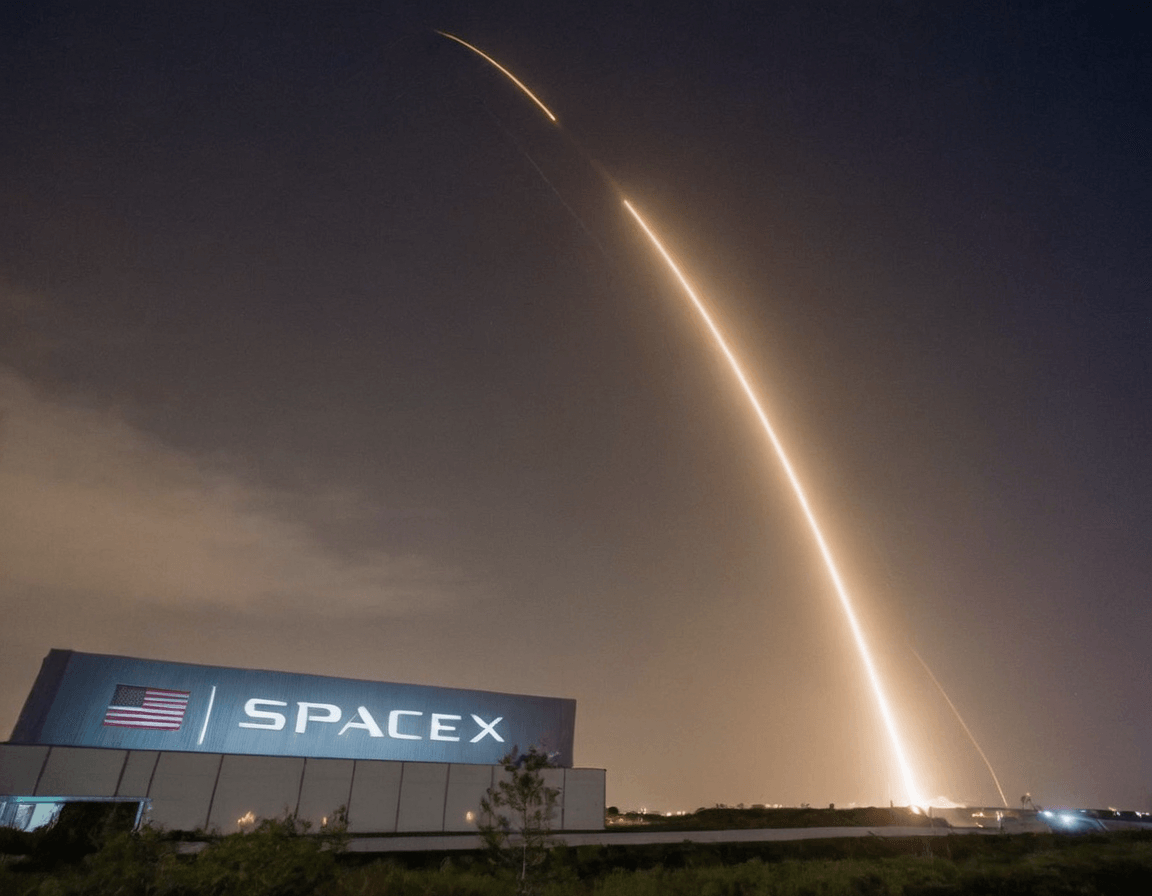
SpaceX Resumes Falcon 9 Launches After Investigating Upper Stage Anomaly
SpaceX successfully returns to flight with a Starlink mission, detailing the cause of the July 11 anomaly and implementing fixes to prevent future incidents.



Launch Date
May 28, 2024
Launch Site
Launch Pad
LC40
Launch Vehicle
NORAD ID
59903
International Designator
2024-100U
Epoch
Sun, 19 Jul 2026 17:28:54 GMT
Apogee
Calculating...
Perigee
Calculating...
Inclination
43.00°
Right Ascension
99.43°
Eccentricity
Calculating...
Argument of Perigee
264.73°
Period
94.27 min
Mean Motion
15.28 rev/day
Latitude
Calculating...
Longitude
Calculating...
Altitude
Calculating...
Velocity
Calculating...
Name
STARLINK-31850
Alternative Name
Starlink 31850
Type
Status
Owner
SPXS
Country
United States
Constellation
N/A
Related Satellites
Major Events
N/A
1 59903U 24100U 26200.72841274 .00000516 00000+0 28277-4 0 9999
2 59903 43.0026 99.4270 0001206 264.7335 95.3379 15.27575692121293
Source: Celestrak
Length
0.3
Diameter
4.1
Span
29
Dry Mass
700
Launch Mass
730
Shape
Box + pan
Radar Cross Section
Unknown
Visual Magnitude
Unknown
Color
Unknown
Material Composition
Unknown
Payload
Starlink Group 6-60-19
Purpose
Communication
Mission
Communication
Manufacturer
SPXS
Life Expectancy
Unknown
Bus
Starlink V2M
Configuration
Starlink v2 Mini
Motor
Argon ion thrusters
Equipment
Ku/Ka/E-band payload, optical inter-satellite link
Power System
Solar arrays, batteries
ADCS
Unknown
Transmitter Frequency
Unknown
Learn more about satellites and other related topics.
SpaceX successfully returns to flight with a Starlink mission, detailing the cause of the July 11 anomaly and implementing fixes to prevent future incidents.

Today's highlights include SpaceX's record-breaking launches, Japan's final H-2A launch, and significant developments in satellite data policies impacting weather forecasting.
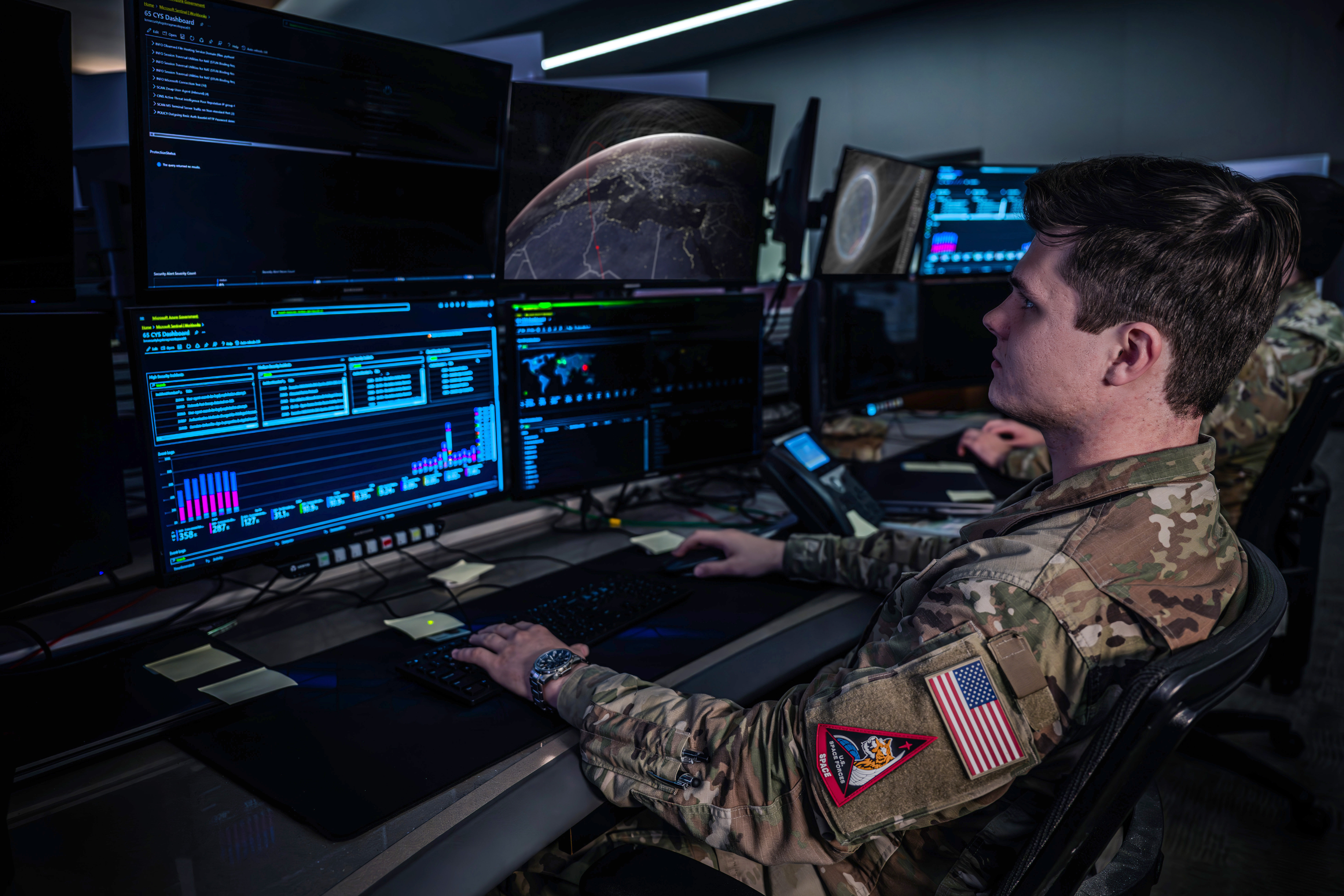
China confirms first one-year human spaceflight and Pakistani astronaut for Tiangong. Air Force develops X-68A missile-launching drone. Poland unveils $51B defense spending plan.
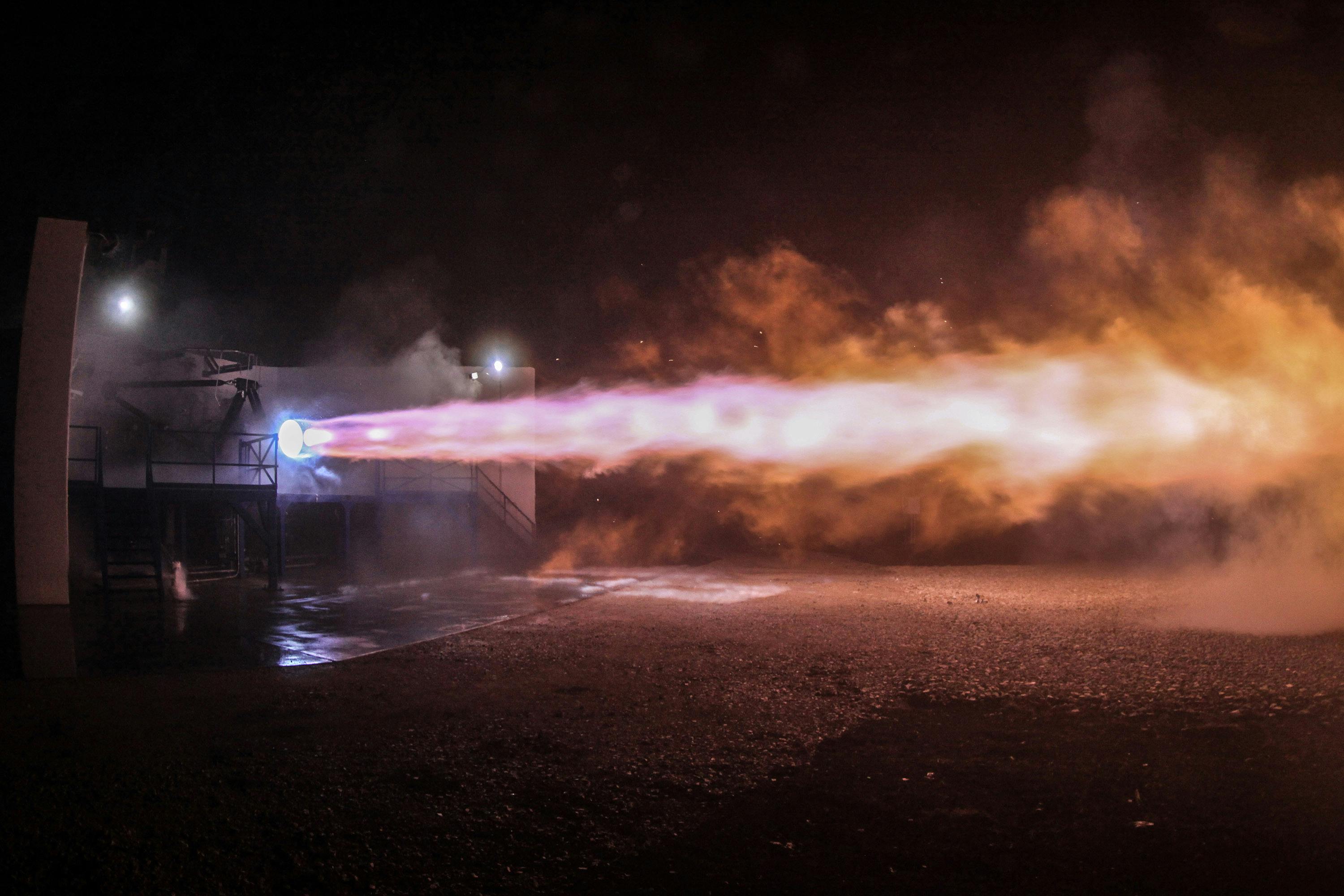
Canada reconsiders Starlink contract amidst US tariff delays, and new concerns arise over falling space debris.
China's Tianlong-3 rocket failed during ascent on debut launch Friday. SpaceX secured $178.5M Space Force contract for missile tracking satellite launches beginning 2027.

Today's highlights include Rocket Lab's progress on the Space Force's VICTUS HAZE mission, BlackSky's new government contract, and AEI's policy recommendations for Space Force restructuring.
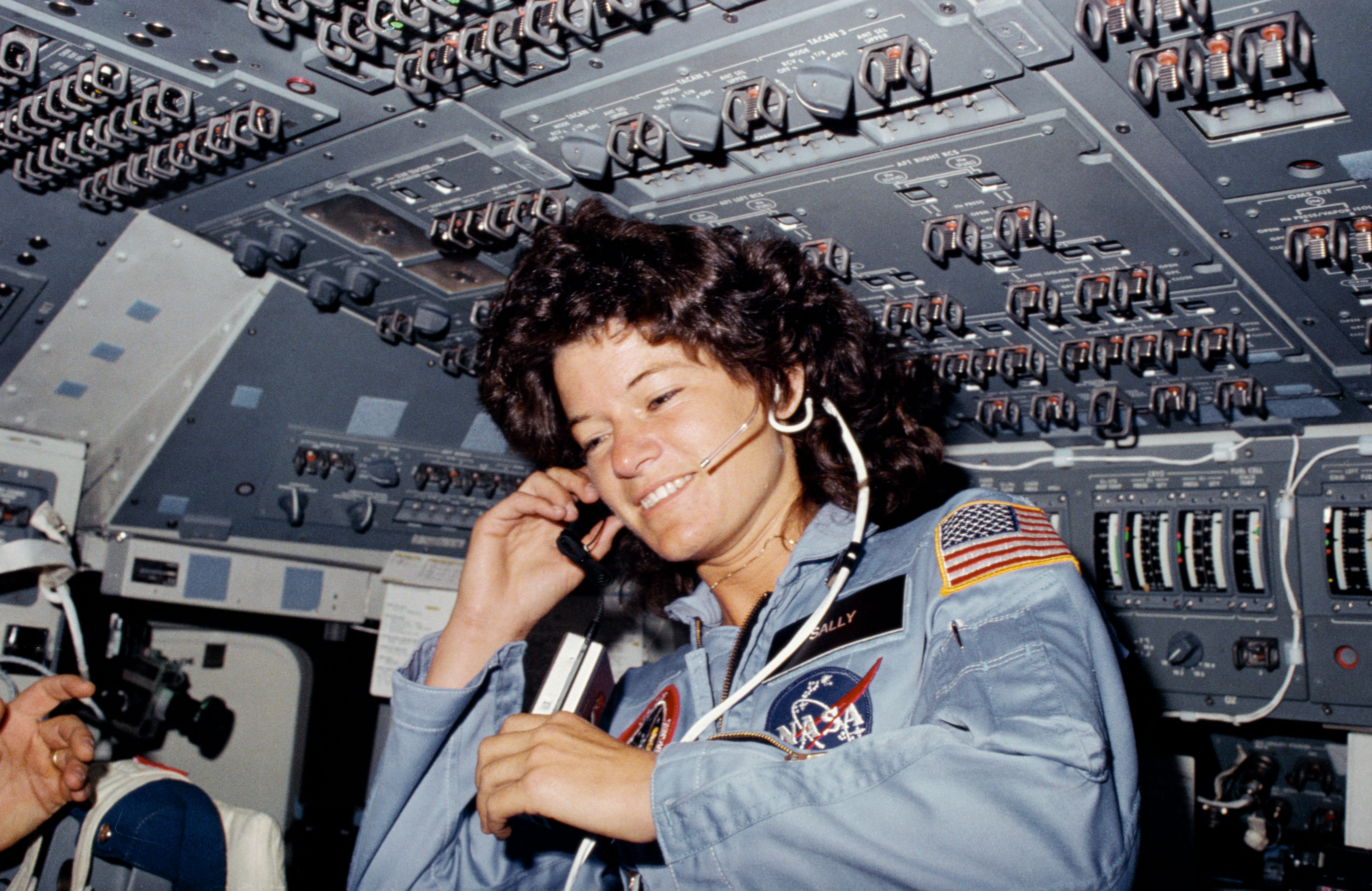
At 7:33 on the morning of 18 June 1983, a 32-year-old astrophysicist named Sally Ride rode Challenger off Pad 39A and became the first American woman in space. She got there two decades after the Soviets, and only after months of being asked whether spaceflight would damage her reproductive organs and whether she planned to cry.

Three Chinese rocket bodies have exploded over four years, creating debris clouds that will linger for decades to centuries, according to LeoLabs analysis. Fragmentation events threaten commercial and military operators.