


Vulcan Grounding Threatens WGS-11 and OPIR Launches | KeepTrack Space Brief
ULA's Vulcan rocket grounded, imperiling Space Force WGS-11 communications satellite and Next-Gen OPIR missile warning payload. Both missions lack backup launch options.



Launch Date
May 28, 2024
Launch Site
Launch Pad
LC40
Launch Vehicle
NORAD ID
59893
International Designator
2024-100J
Epoch
Mon, 20 Jul 2026 00:29:57 GMT
Apogee
Calculating...
Perigee
Calculating...
Inclination
43.00°
Right Ascension
98.20°
Eccentricity
Calculating...
Argument of Perigee
260.34°
Period
94.27 min
Mean Motion
15.28 rev/day
Latitude
Calculating...
Longitude
Calculating...
Altitude
Calculating...
Velocity
Calculating...
Name
STARLINK-31963
Alternative Name
Starlink 31963
Type
Status
Owner
SPXS
Country
United States
Constellation
N/A
Related Satellites
Major Events
N/A
1 59893U 24100J 26201.02079999 .00000285 00000+0 19862-4 0 9991
2 59893 43.0015 98.1990 0000622 260.3445 99.7336 15.27575145121394
Source: Celestrak
Length
0.3
Diameter
4.1
Span
29
Dry Mass
700
Launch Mass
730
Shape
Box + pan
Radar Cross Section
Unknown
Visual Magnitude
Unknown
Color
Unknown
Material Composition
Unknown
Payload
Starlink Group 6-60-09
Purpose
Communication
Mission
Communication
Manufacturer
SPXS
Life Expectancy
Unknown
Bus
Starlink V2M
Configuration
Starlink v2 Mini
Motor
Argon ion thrusters
Equipment
Ku/Ka/E-band payload, optical inter-satellite link
Power System
Solar arrays, batteries
ADCS
Unknown
Transmitter Frequency
Unknown
Learn more about satellites and other related topics.
ULA's Vulcan rocket grounded, imperiling Space Force WGS-11 communications satellite and Next-Gen OPIR missile warning payload. Both missions lack backup launch options.

Today's highlights include the ongoing Crew-11 mission launch and Starship preparations for its upcoming test flight.
Transporter 16 carries 119 payloads: SpaceX's rideshare mission targets Sun-synchronous orbit from Vandenberg, one of its densest manifests yet.
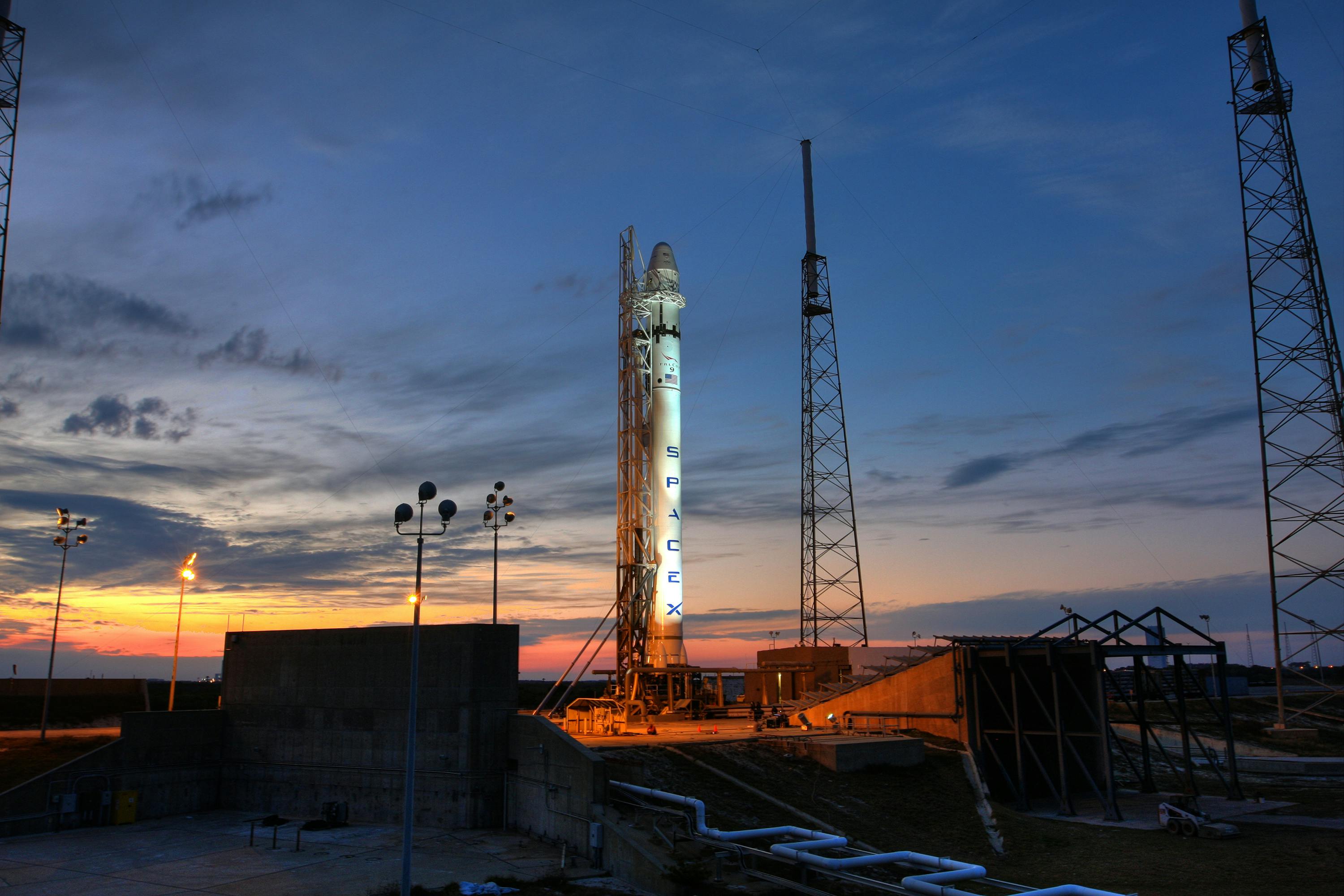
Booster B1067 sets a new Falcon 9 reuse record on its 36th flight, lifting Starlink 10-42 from Cape Canaveral at 5:25 a.m. EDT.
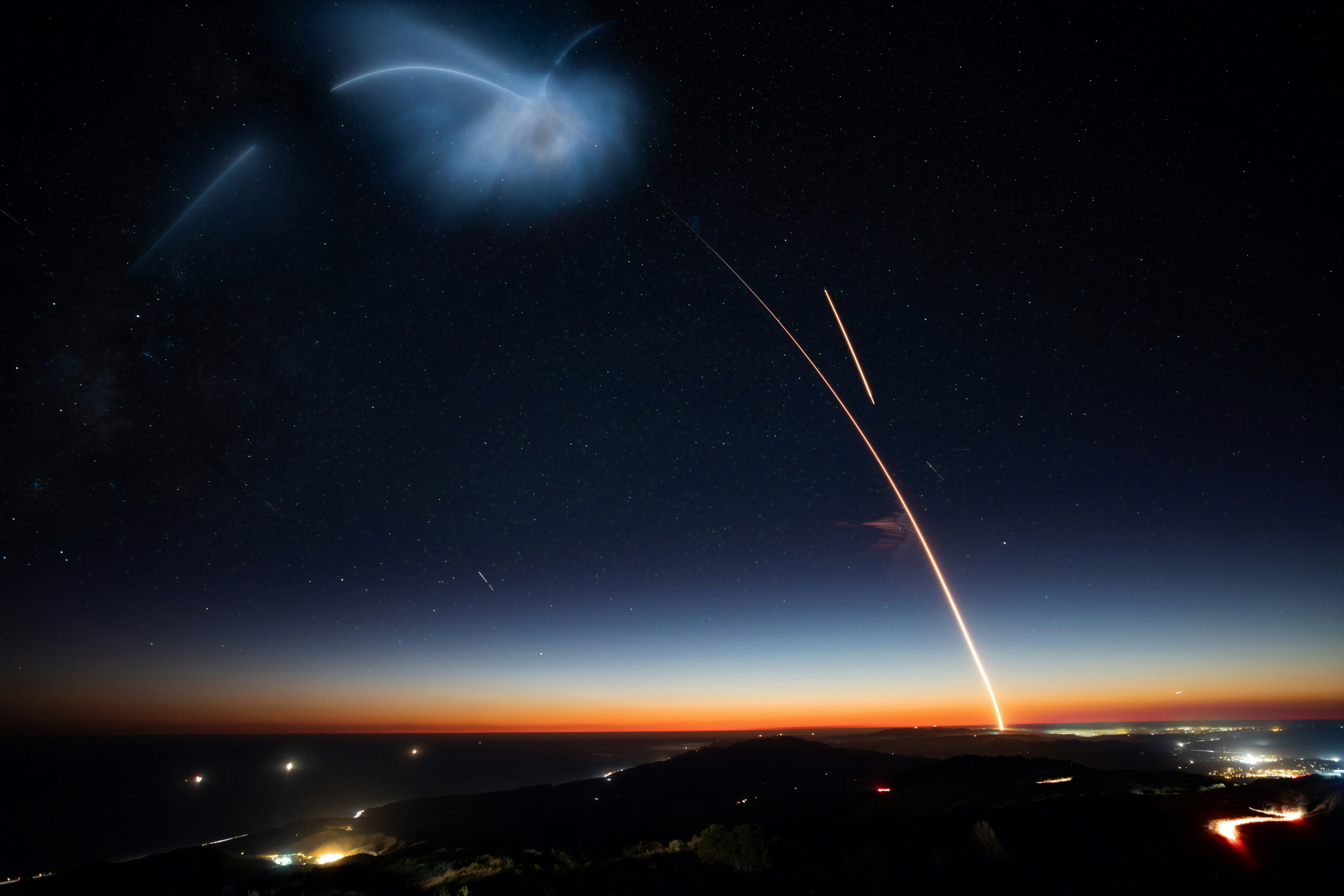
SpaceX successfully launched 24 Starlink satellites aboard a brand-new Falcon 9 rocket. The company aims for five missions this week, bolstering its satellite internet constellation.
Artemis 2 Orion carries first humans toward the Moon in 53 years. Spacecraft in good health after trans-lunar injection; lunar flyby observation plan due April 6.

An analysis of Russia's independent space tracking system and how it compares to the established U.S. Space Surveillance Network
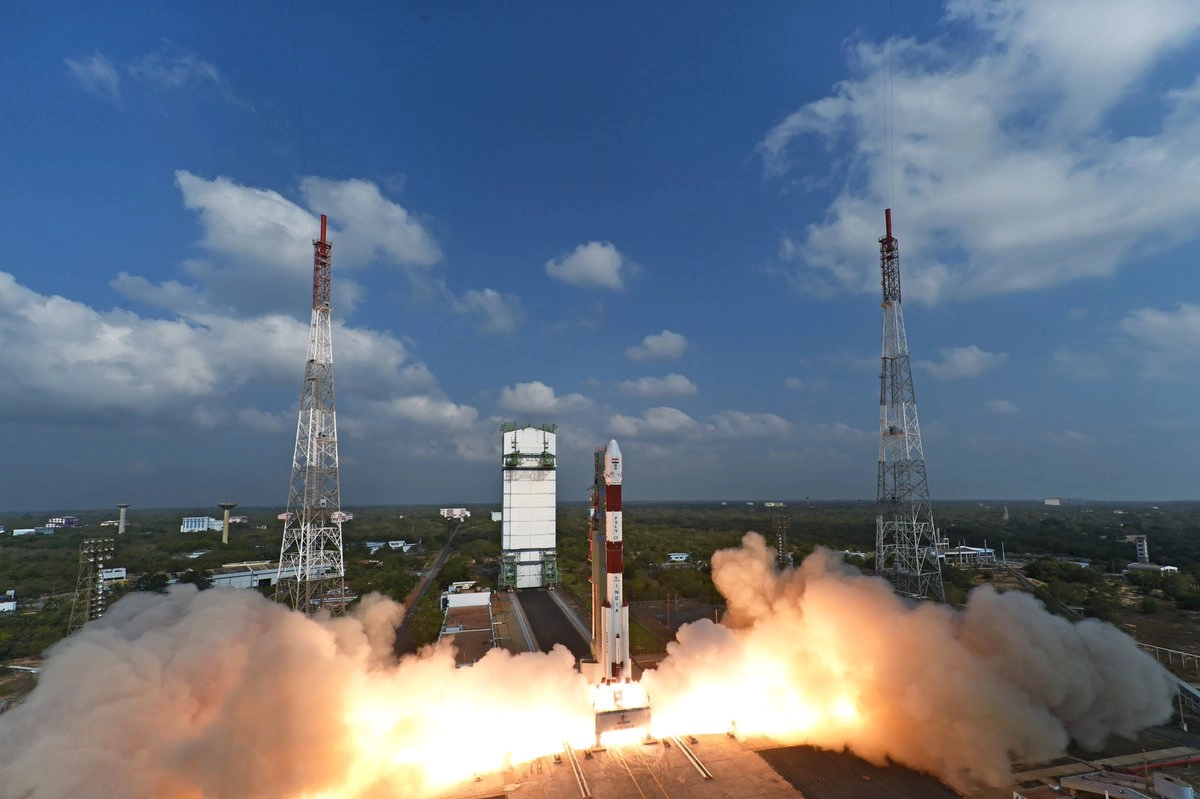
Eight years ago, a single Indian rocket launched 104 satellites into orbit, marking a pivotal moment when space tracking professionals realized the dawn of a new, congested era in orbital operations