


The Day That Changed How We Navigate Forever
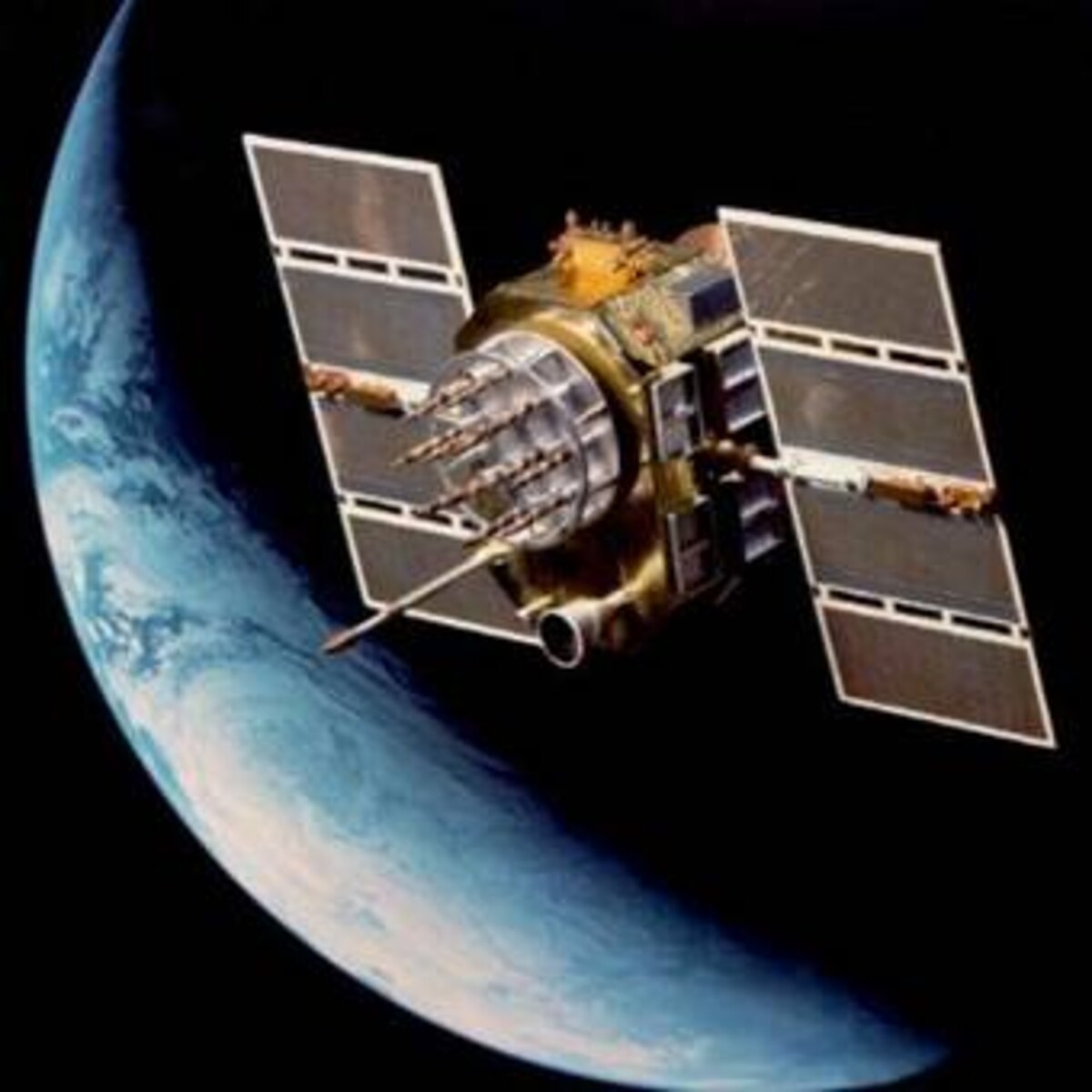
Forty-seven years ago, an Atlas rocket carried the first GPS satellite into orbit, launching a revolution in navigation that would transform daily life across the globe



Launch Date
May 24, 2024
Launch Site
Launch Pad
LC39A
Launch Vehicle
NORAD ID
59874
International Designator
2024-098S
Epoch
Sun, 19 Jul 2026 03:51:20 GMT
Apogee
Calculating...
Perigee
Calculating...
Inclination
43.00°
Right Ascension
255.46°
Eccentricity
Calculating...
Argument of Perigee
273.22°
Period
94.27 min
Mean Motion
15.28 rev/day
Latitude
Calculating...
Longitude
Calculating...
Altitude
Calculating...
Velocity
Calculating...
Name
STARLINK-31933
Alternative Name
Starlink 31933
Type
Status
Owner
SPXS
Country
United States
Constellation
N/A
Related Satellites
Major Events
N/A
1 59874U 24098S 26200.16065536 .00000572 00000+0 30303-4 0 9994
2 59874 43.0023 255.4613 0001524 273.2162 86.8515 15.27577348121958
Source: Celestrak
Length
0.3
Diameter
4.1
Span
29
Dry Mass
700
Launch Mass
730
Shape
Box + pan
Radar Cross Section
Unknown
Visual Magnitude
Unknown
Color
Unknown
Material Composition
Unknown
Payload
Starlink Group 6-63-17
Purpose
Communication
Mission
Communication
Manufacturer
SPXS
Life Expectancy
Unknown
Bus
Starlink V2M
Configuration
Starlink v2 Mini
Motor
Argon ion thrusters
Equipment
Ku/Ka/E-band payload, optical inter-satellite link
Power System
Solar arrays, batteries
ADCS
Unknown
Transmitter Frequency
Unknown
Learn more about satellites and other related topics.
Forty-seven years ago, an Atlas rocket carried the first GPS satellite into orbit, launching a revolution in navigation that would transform daily life across the globe
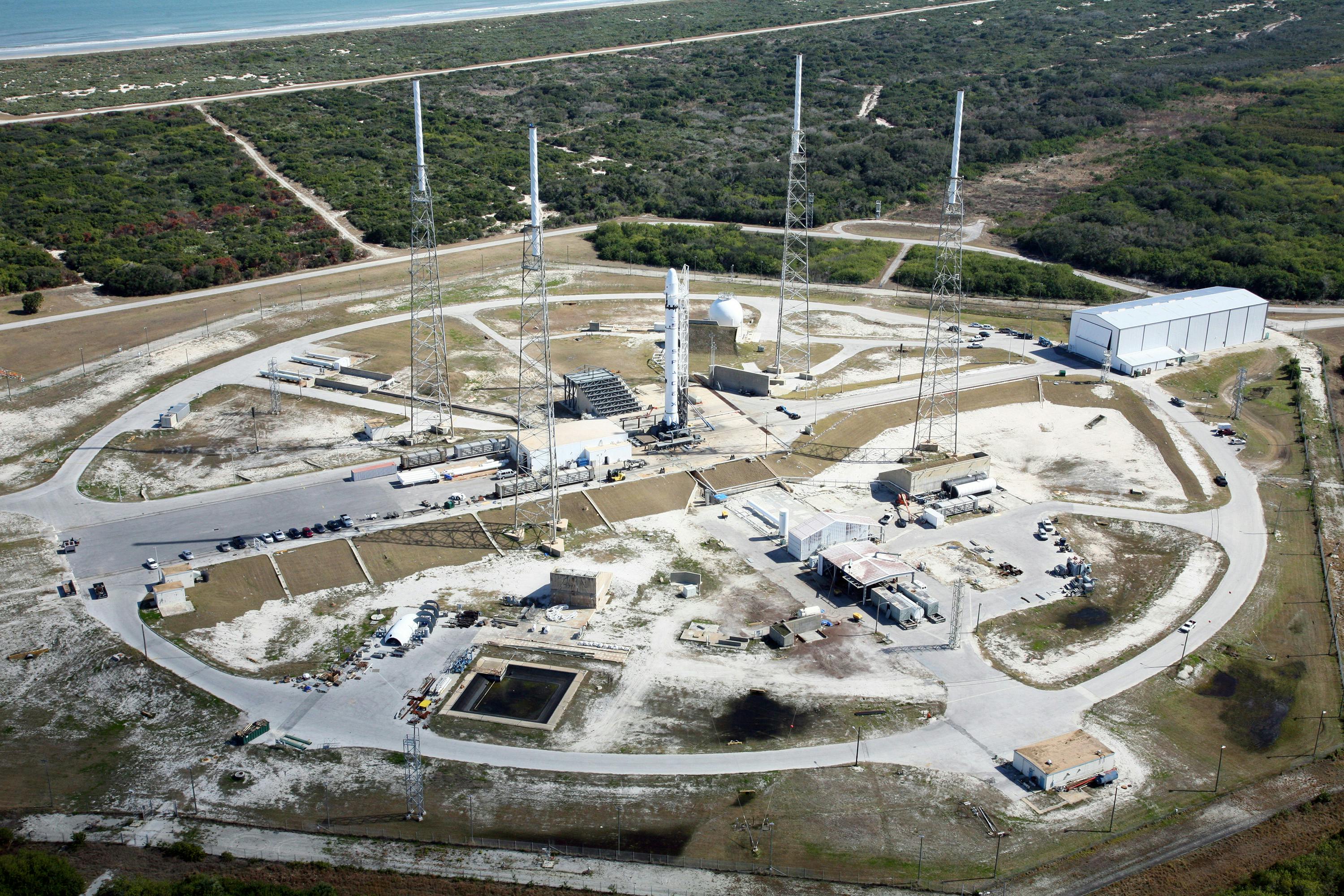
SpaceX successfully launched 29 new Starlink satellites today, further expanding its satellite internet constellation amidst growing competition in the space broadband market.
On December 15, 1970, a battered Soviet probe accomplished something no spacecraft had done before - it survived landing on another world and lived to tell about it.
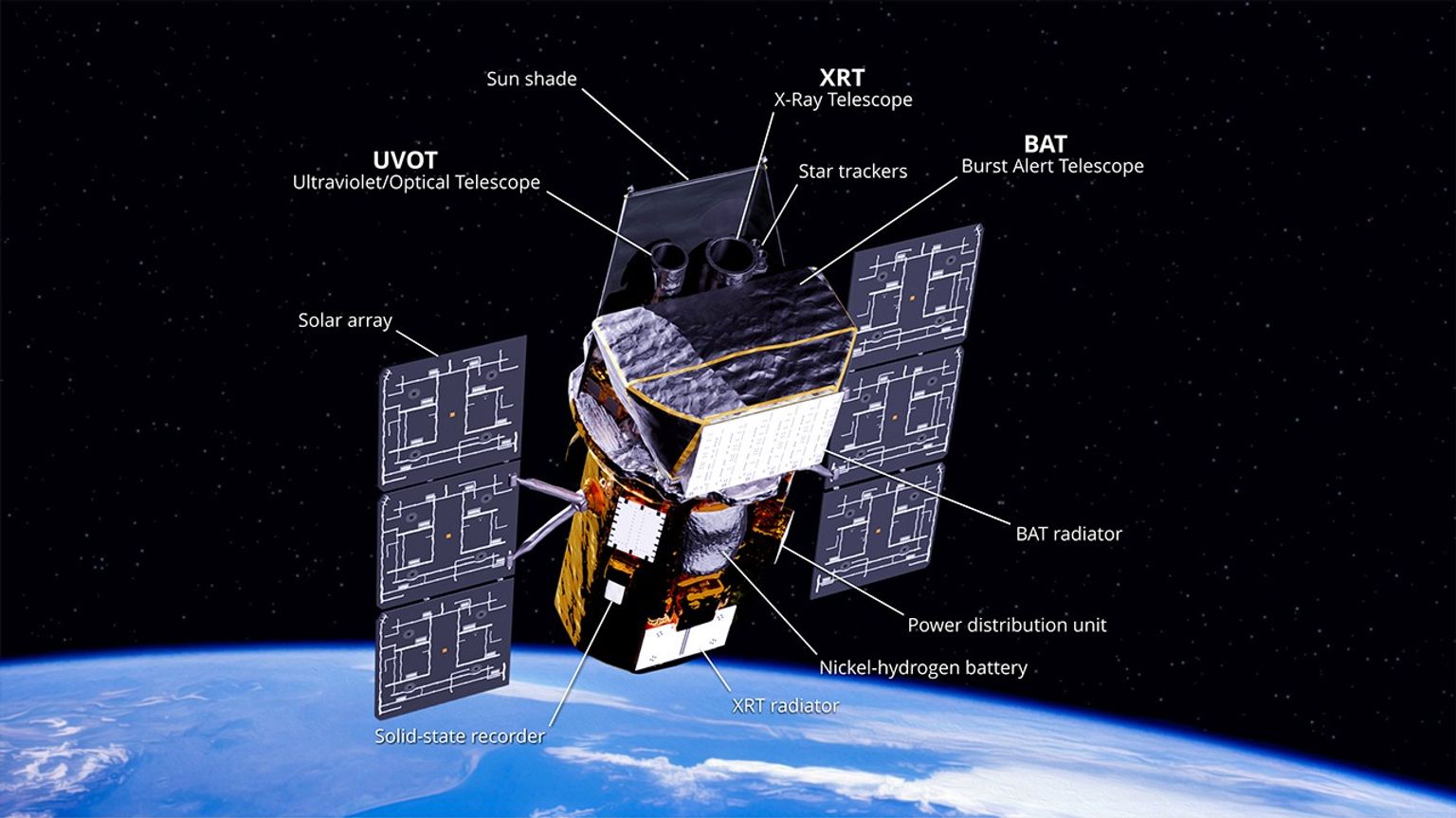
Designed for a two-year mission to catch gamma-ray bursts in the act, Swift is now 21 years old, slowly falling out of the sky, and the subject of an unprecedented private rescue mission. Nobody planned for it to be this hard to let go.
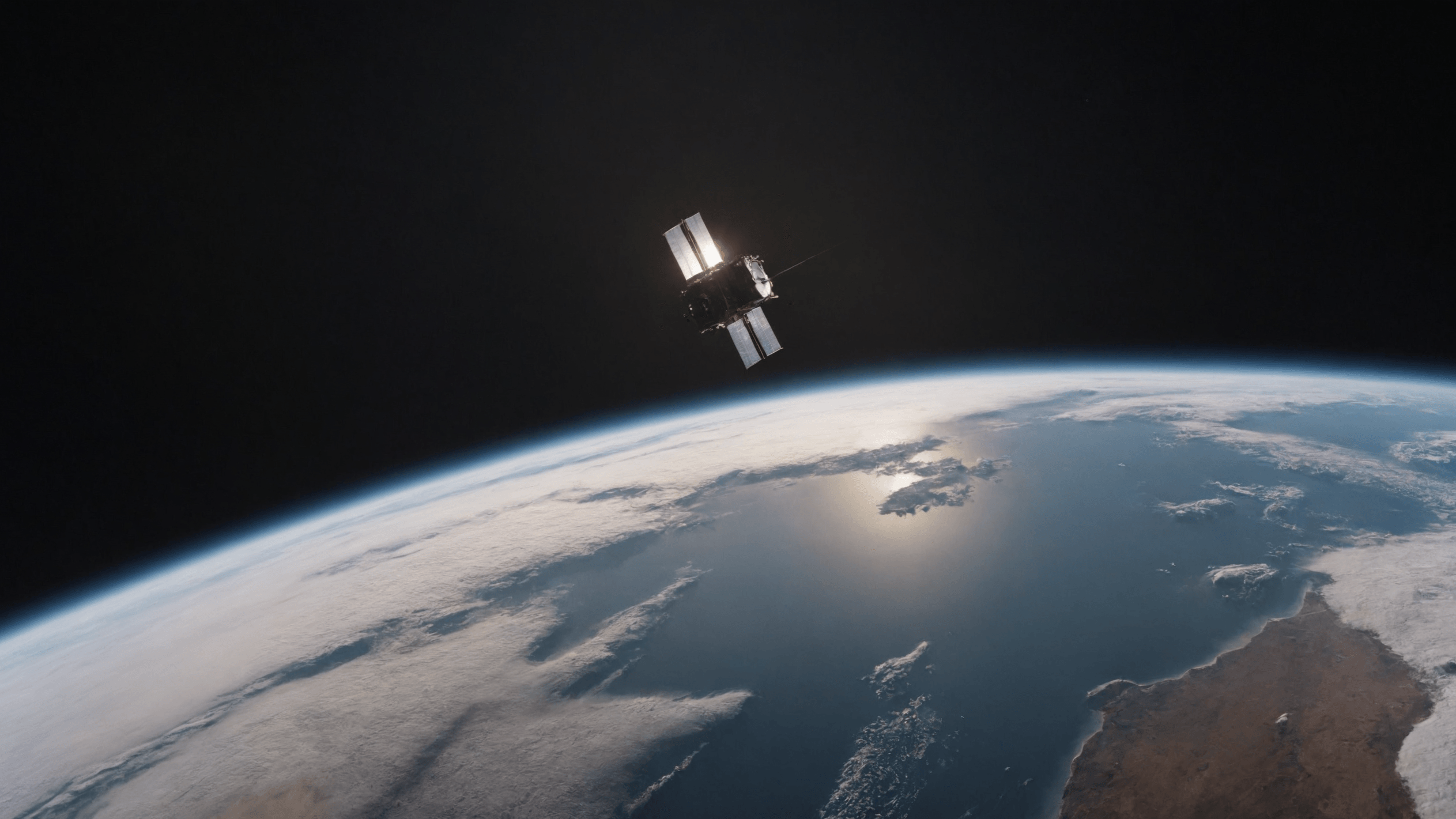
A Falcon 9 booster fails to land, increasing GPS and PNT significance for national security, and NASA's SLS mobile launch platform costs soar.

Today's brief highlights key developments in space technology, military space activities, and satellite refueling initiatives. Discover the latest on GEO satellite refueling, Blue Origin's New Glenn, and more.
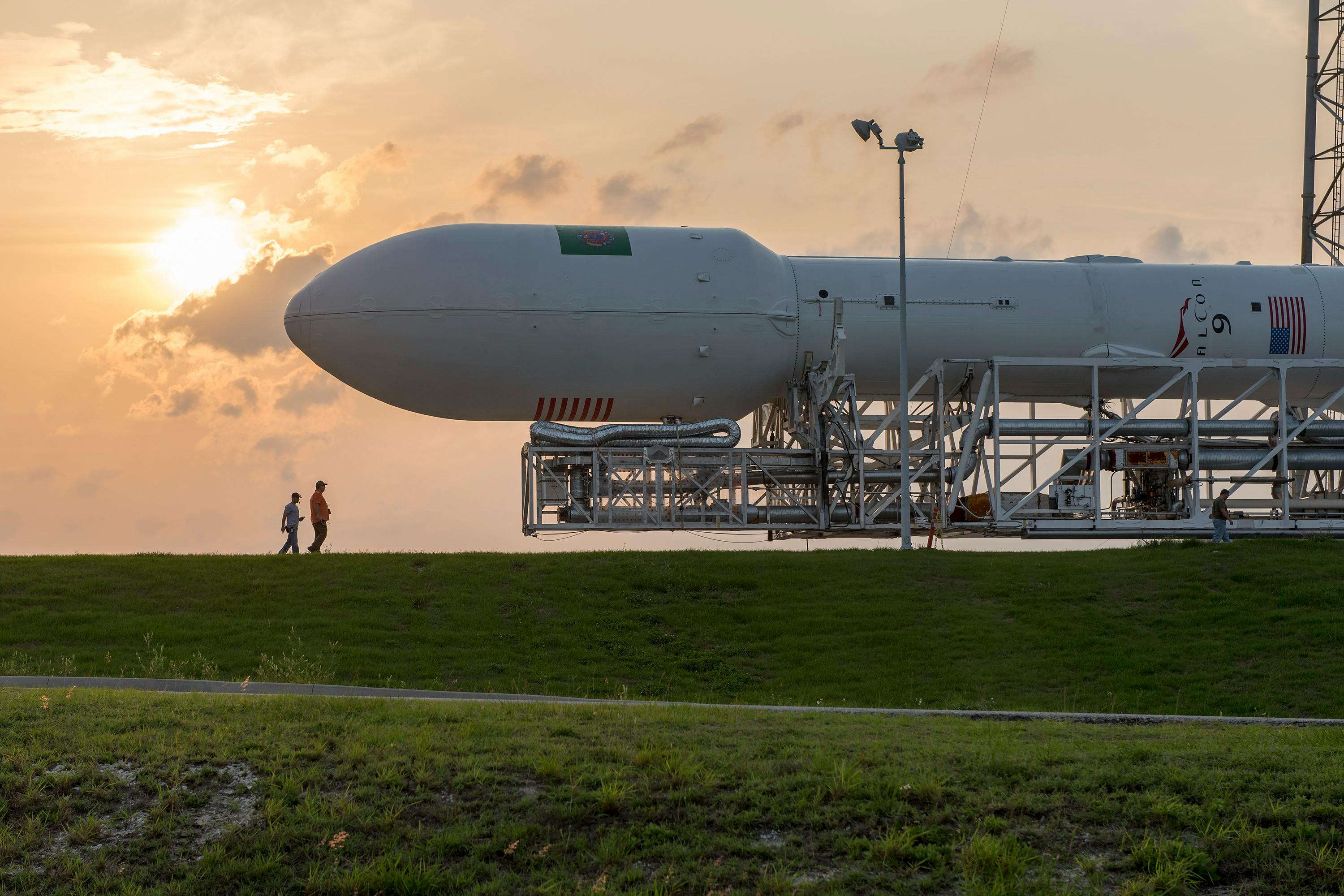
Today's Space Brief highlights SpaceX Crew-8's return, Intelsat-33e satellite breakup, SpaceX's upcoming Starship tests, and notable launches including China's new mega-constellation.
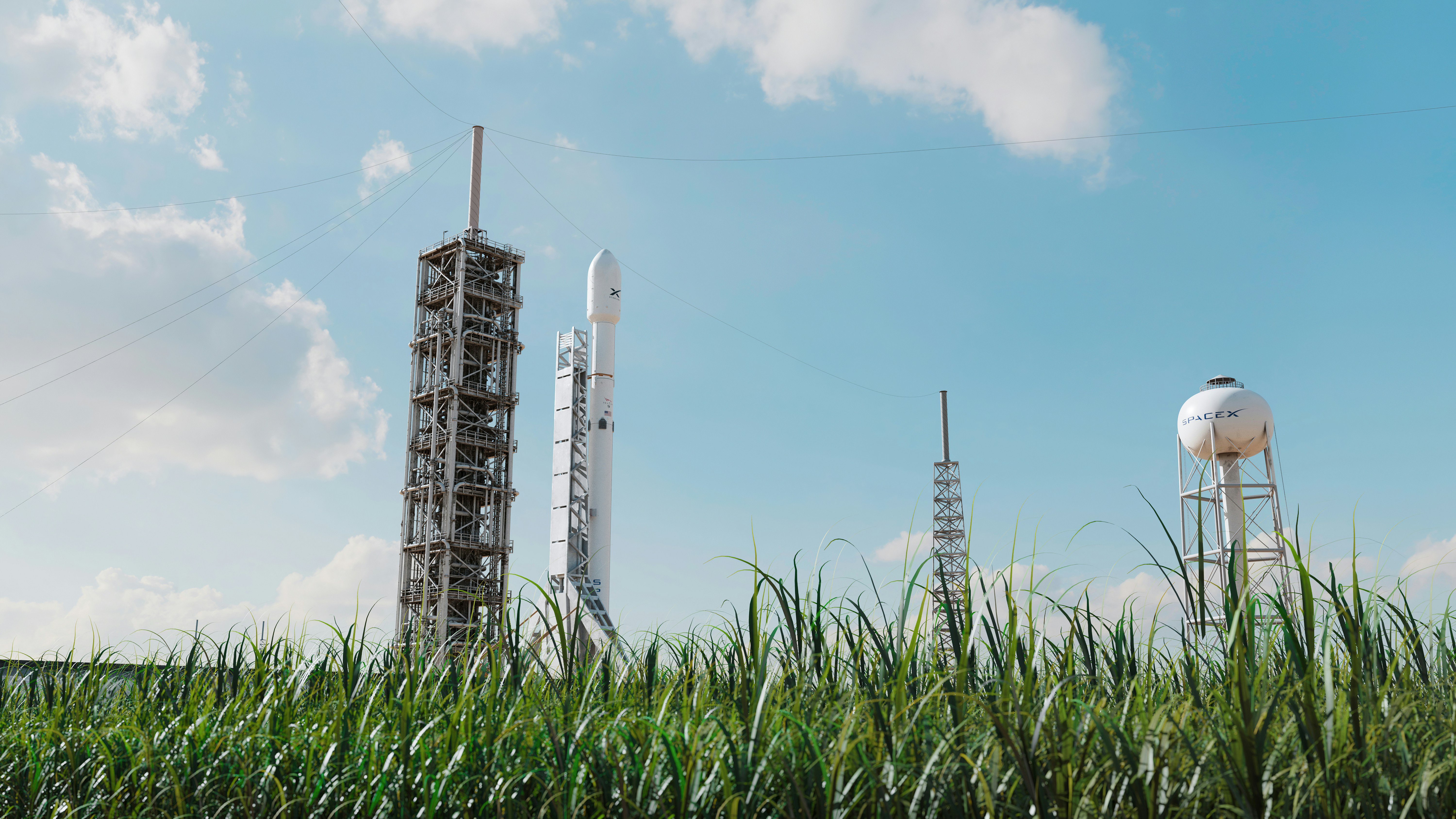
Falcon 9 booster reuse record: SpaceX's most-flown booster flew a 33rd flight Feb 21 with 28 Starlink V2 Minis. Two launches in a day; 9,779 on orbit.