


X Report 28 Dec 2024
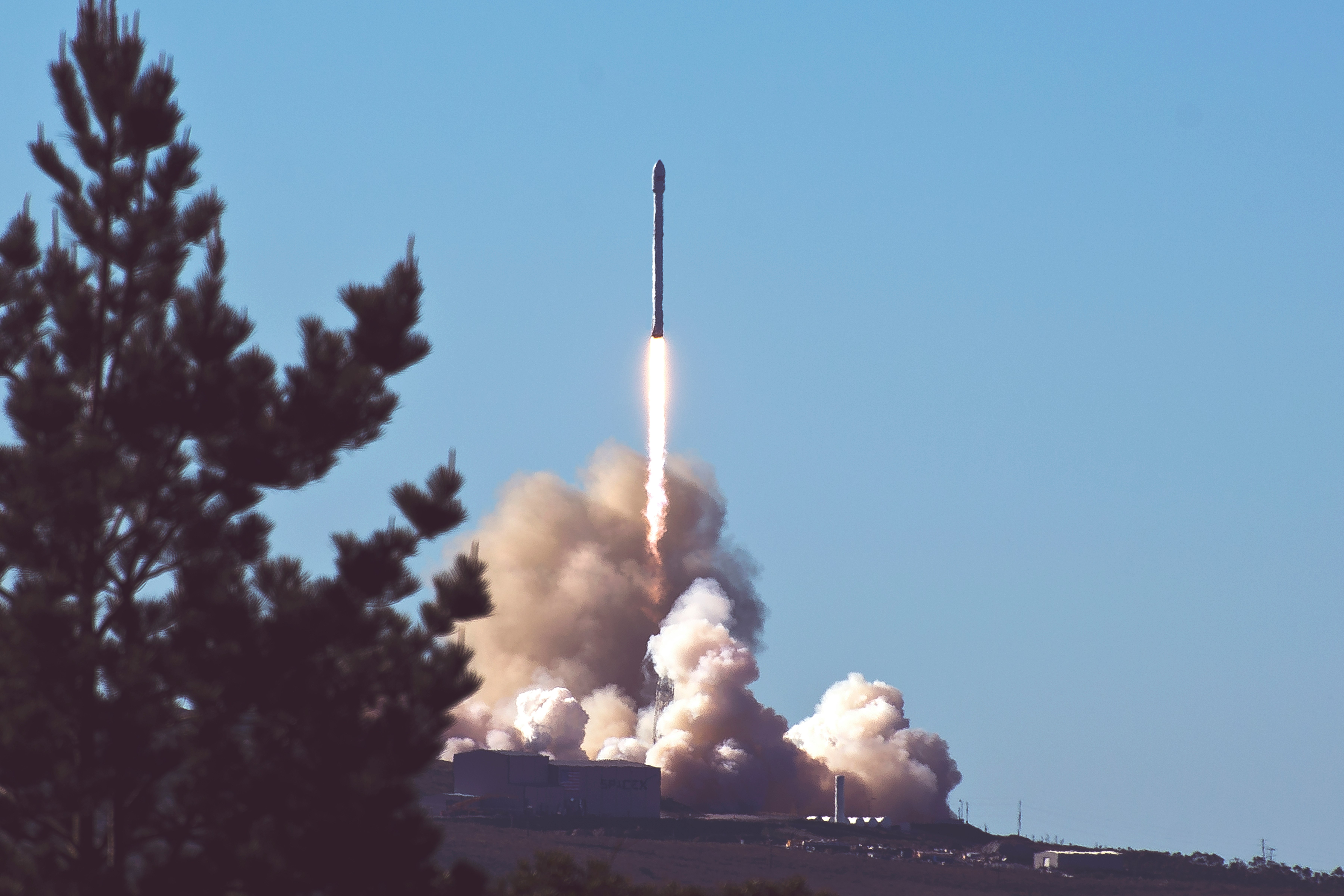
SpaceX wraps up a stellar year with Starship achievements and prepares for a lunar triple-shot in 2025.



Launch Date
May 24, 2024
Launch Site
Launch Pad
LC39A
Launch Vehicle
NORAD ID
59865
International Designator
2024-098H
Epoch
Mon, 20 Jul 2026 04:33:47 GMT
Apogee
Calculating...
Perigee
Calculating...
Inclination
43.00°
Right Ascension
249.42°
Eccentricity
Calculating...
Argument of Perigee
271.00°
Period
94.27 min
Mean Motion
15.28 rev/day
Latitude
Calculating...
Longitude
Calculating...
Altitude
Calculating...
Velocity
Calculating...
Name
STARLINK-31938
Alternative Name
Starlink 31938
Type
Status
Owner
SPXS
Country
United States
Constellation
N/A
Related Satellites
Major Events
N/A
1 59865U 24098H 26201.19013187 .00000781 00000+0 37934-4 0 9992
2 59865 43.0034 249.4197 0001225 270.9998 89.0713 15.27566116122114
Source: Celestrak
Length
0.3
Diameter
4.1
Span
29
Dry Mass
700
Launch Mass
730
Shape
Box + pan
Radar Cross Section
Unknown
Visual Magnitude
Unknown
Color
Unknown
Material Composition
Unknown
Payload
Starlink Group 6-63-08
Purpose
Communication
Mission
Communication
Manufacturer
SPXS
Life Expectancy
Unknown
Bus
Starlink V2M
Configuration
Starlink v2 Mini
Motor
Argon ion thrusters
Equipment
Ku/Ka/E-band payload, optical inter-satellite link
Power System
Solar arrays, batteries
ADCS
Unknown
Transmitter Frequency
Unknown
Learn more about satellites and other related topics.
SpaceX wraps up a stellar year with Starship achievements and prepares for a lunar triple-shot in 2025.
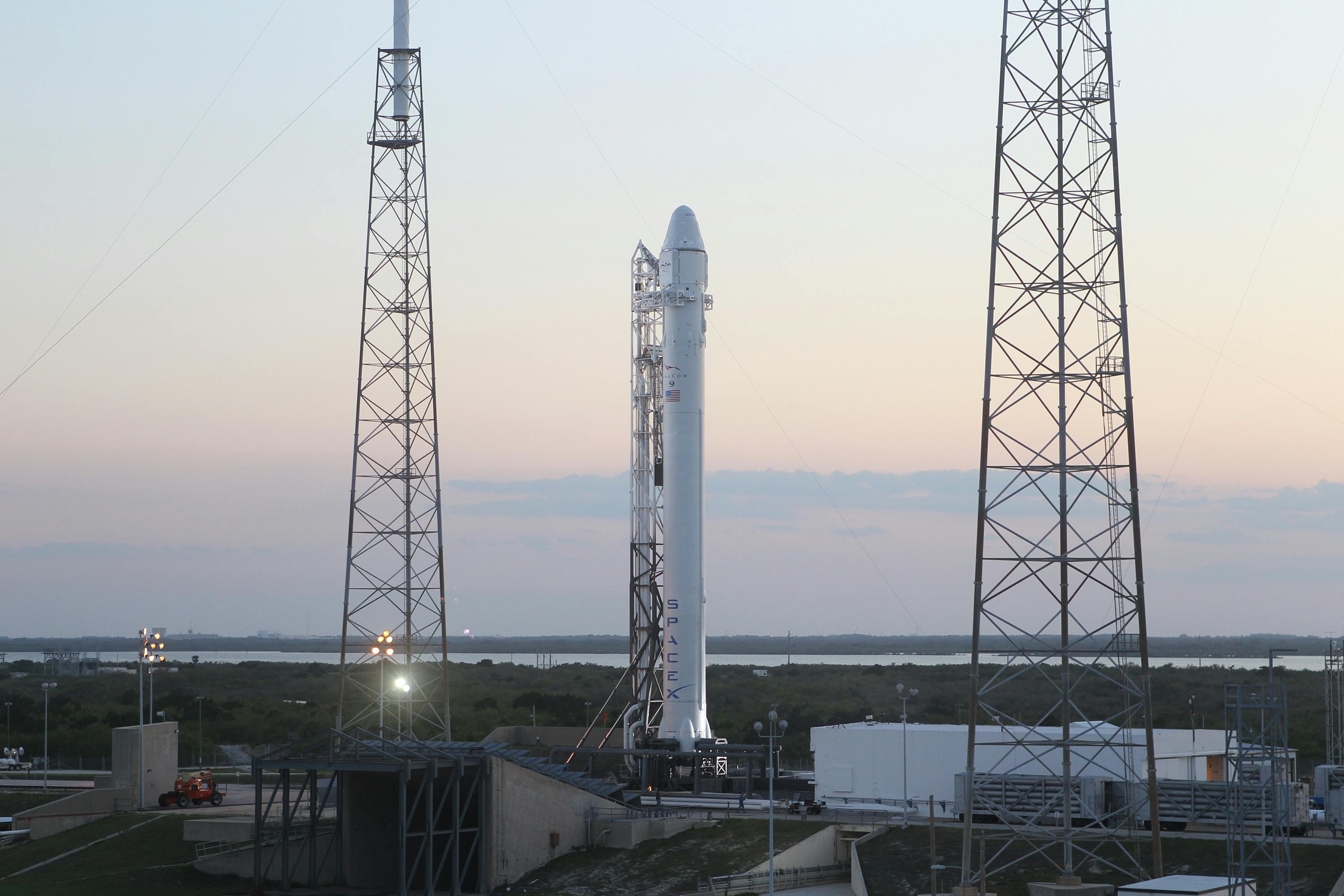
SpaceX continues to expand its Starlink network with multiple launches and gains momentum in international markets, while revisiting launch tariffs and new regulations.

Artemis II grabbed the headlines, but six other missions are quietly approaching milestones that could reshape what we know about Mercury, Mars, asteroids, exoplanets, and the Moon's south pole. Here is what is actually happening with each of them.

Explore the latest in satellite communications with Cubic's new terminals, strategic acquisitions by Firefly, China's IoT satellite achievements, and key military updates.
Pentagon increases Golden Dome missile defense budget by $10B to $185B, funding HBTSS hypersonic tracking constellation expansion. Three acceleration priorities announced.

SpaceX launched three Block 2 BlueBird satellites for AST SpaceMobile from Cape Canaveral. Block 2 variants are larger with enhanced capacity compared to Block 1 units already in orbit.

SpaceX prepares for another Starlink launch from Florida, while recent Starship incident raises environmental concerns.

Today’s brief covers the delayed launch of Australia's first orbital rocket, China's reusability programs, and the snow-enforced shutdown of a Chilean radio telescope.