



Space Brief 1 Dec 2025
Today's brief covers China's latest classified satellite launch, breakups in orbital refueling experiments, exciting advancements in microsatellites, and SpaceX's remarkable strides in spaceflight.



Launch Date
May 23, 2024
Launch Site
Launch Pad
LC40
Launch Vehicle
NORAD ID
59851
International Designator
2024-097S
Epoch
Sun, 19 Jul 2026 10:06:48 GMT
Apogee
Calculating...
Perigee
Calculating...
Inclination
43.00°
Right Ascension
250.39°
Eccentricity
Calculating...
Argument of Perigee
279.92°
Period
94.27 min
Mean Motion
15.28 rev/day
Latitude
Calculating...
Longitude
Calculating...
Altitude
Calculating...
Velocity
Calculating...
Name
STARLINK-31896
Alternative Name
Starlink 31896
Type
Status
Owner
SPXS
Country
United States
Constellation
N/A
Related Satellites
Major Events
N/A
1 59851U 24097S 26200.42139500 -.00000401 00000+0 -50342-5 0 9999
2 59851 43.0009 250.3948 0001391 279.9224 80.1471 15.27571201122069
Source: Celestrak
Length
0.3
Diameter
4.1
Span
29
Dry Mass
700
Launch Mass
730
Shape
Box + pan
Radar Cross Section
Unknown
Visual Magnitude
Unknown
Color
Unknown
Material Composition
Unknown
Payload
Starlink Group 6-62-17
Purpose
Communication
Mission
Communication
Manufacturer
SPXS
Life Expectancy
Unknown
Bus
Starlink V2M
Configuration
Starlink v2 Mini
Motor
Argon ion thrusters
Equipment
Ku/Ka/E-band payload, optical inter-satellite link
Power System
Solar arrays, batteries
ADCS
Unknown
Transmitter Frequency
Unknown
Learn more about satellites and other related topics.
Today's brief covers China's latest classified satellite launch, breakups in orbital refueling experiments, exciting advancements in microsatellites, and SpaceX's remarkable strides in spaceflight.

SpaceX launched Starlink batches from Vandenberg and Cape Canaveral within 48 hours, pushing the active constellation toward 10,000 operational satellites.
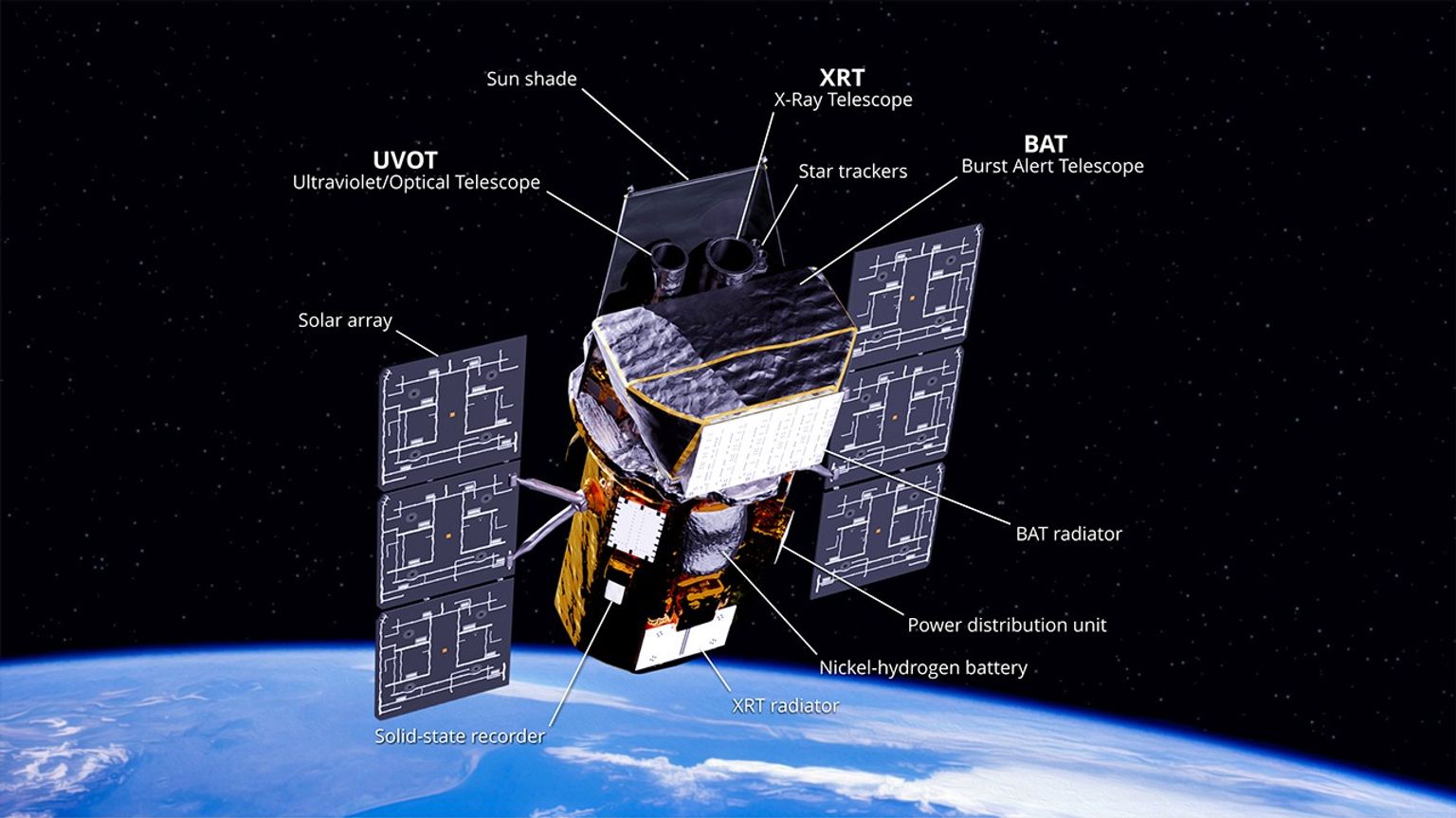
Designed for a two-year mission to catch gamma-ray bursts in the act, Swift is now 21 years old, slowly falling out of the sky, and the subject of an unprecedented private rescue mission. Nobody planned for it to be this hard to let go.

Today's highlights include delayed satellite launches, SpaceX's Florida Starship expansion, a historic mission by Europe's Ariane 6, and NASA's twin missions to explore the ends of the Earth and the universe.
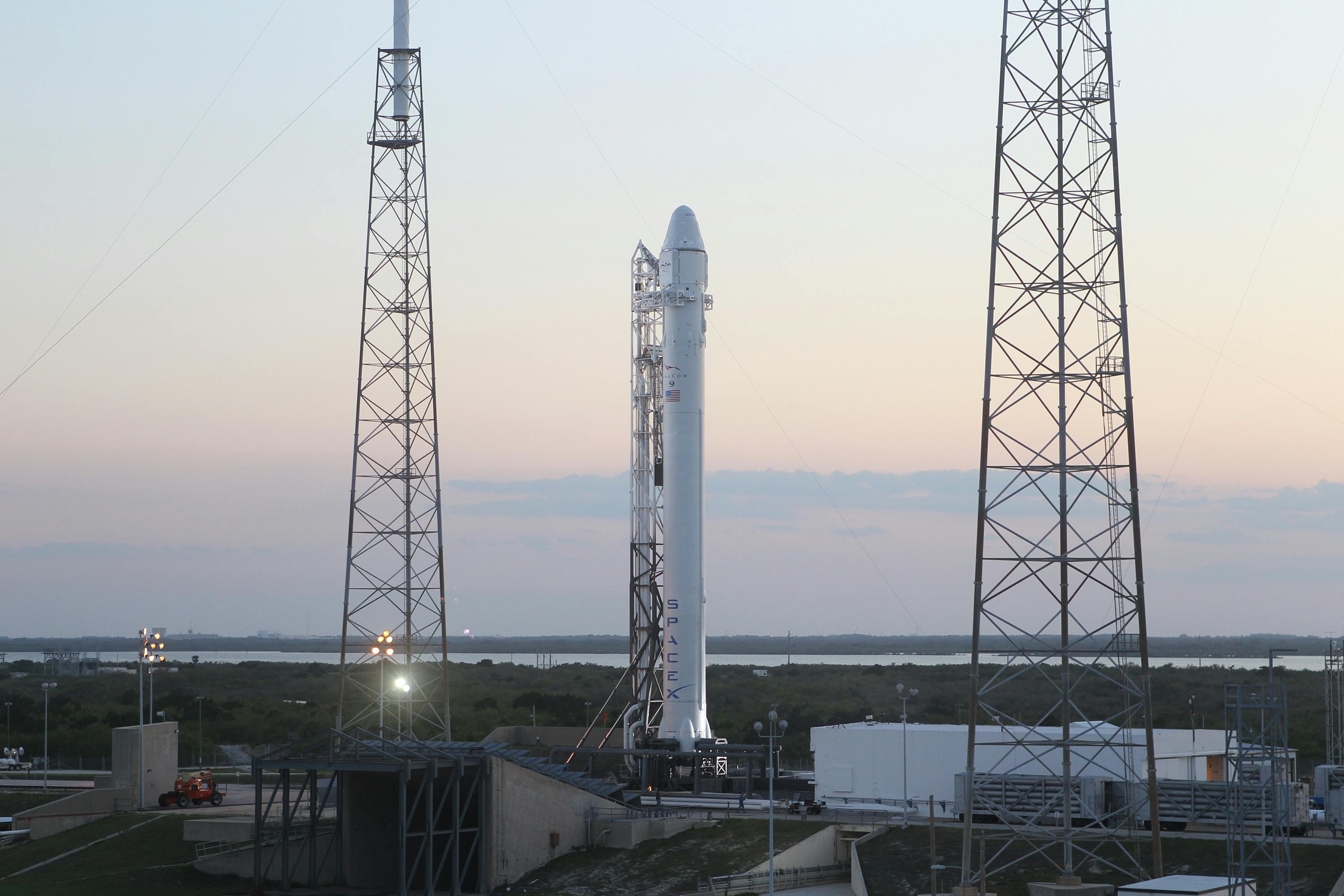
SpaceX continues to expand its Starlink network with multiple launches and gains momentum in international markets, while revisiting launch tariffs and new regulations.

SpaceX continues its historic launch cadence, includes Starlink expansion and business strategies in focus.
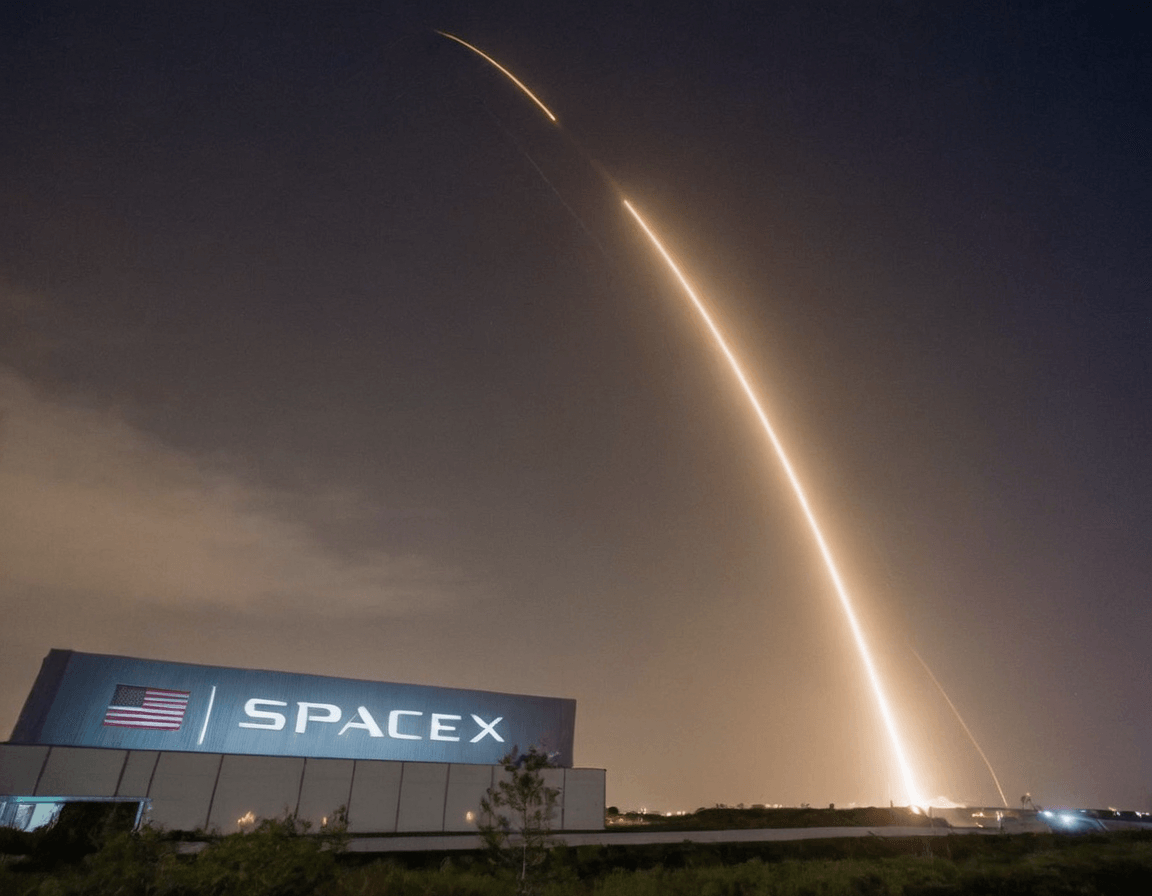
SpaceX successfully returns to flight with a Starlink mission, detailing the cause of the July 11 anomaly and implementing fixes to prevent future incidents.

Space Force urgently rebuilds contracting workforce after civilian reductions. Pentagon defense strategy shifts focus to homeland defense. Tom Ainsworth named top Air Force space acquisition officer.