


X Report 27 Dec 2024
SpaceX rounds off a record-setting year with over 130 launches, achieving new milestones in Starship development and Starlink expansion.



Launch Date
May 23, 2024
Launch Site
Launch Pad
LC40
Launch Vehicle
NORAD ID
59849
International Designator
2024-097Q
Epoch
Sun, 19 Jul 2026 05:13:13 GMT
Apogee
Calculating...
Perigee
Calculating...
Inclination
43.00°
Right Ascension
251.45°
Eccentricity
Calculating...
Argument of Perigee
293.54°
Period
94.27 min
Mean Motion
15.28 rev/day
Latitude
Calculating...
Longitude
Calculating...
Altitude
Calculating...
Velocity
Calculating...
Name
STARLINK-31895
Alternative Name
Starlink 31895
Type
Status
Owner
SPXS
Country
United States
Constellation
N/A
Related Satellites
Major Events
N/A
1 59849U 24097Q 26200.21751207 .00010845 00000+0 40291-3 0 9998
2 59849 43.0041 251.4516 0003223 293.5386 66.5127 15.27588509122034
Source: Celestrak
Length
0.3
Diameter
4.1
Span
29
Dry Mass
700
Launch Mass
730
Shape
Box + pan
Radar Cross Section
Unknown
Visual Magnitude
Unknown
Color
Unknown
Material Composition
Unknown
Payload
Starlink Group 6-62-15
Purpose
Communication
Mission
Communication
Manufacturer
SPXS
Life Expectancy
Unknown
Bus
Starlink V2M
Configuration
Starlink v2 Mini
Motor
Argon ion thrusters
Equipment
Ku/Ka/E-band payload, optical inter-satellite link
Power System
Solar arrays, batteries
ADCS
Unknown
Transmitter Frequency
Unknown
Learn more about satellites and other related topics.
SpaceX rounds off a record-setting year with over 130 launches, achieving new milestones in Starship development and Starlink expansion.
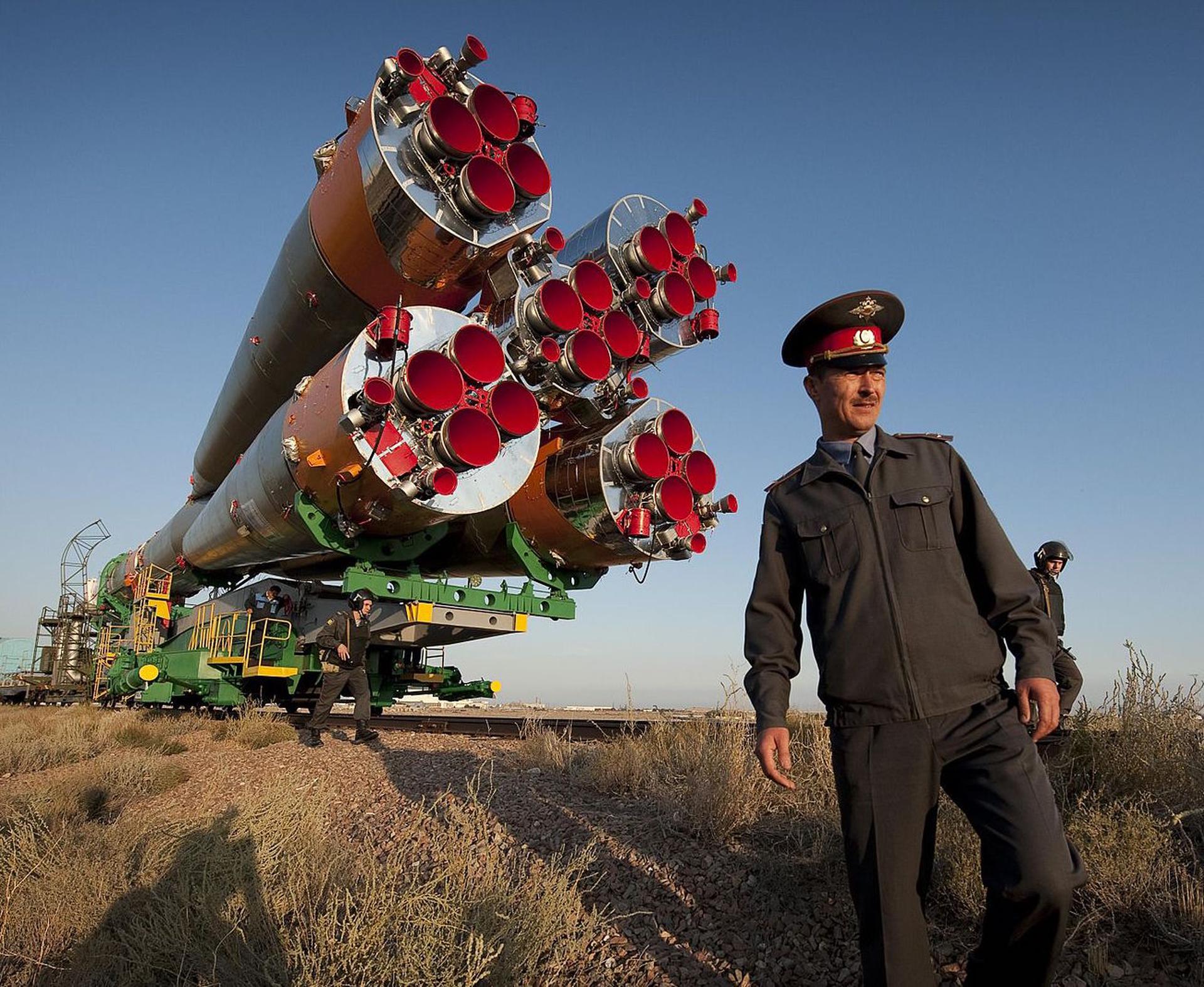
Today's Space Brief covers major upcoming launches from SpaceX, US military missile tests, and developments in Virgin Galactic's fleet expansion. Stay informed on key satellite events and launch updates.
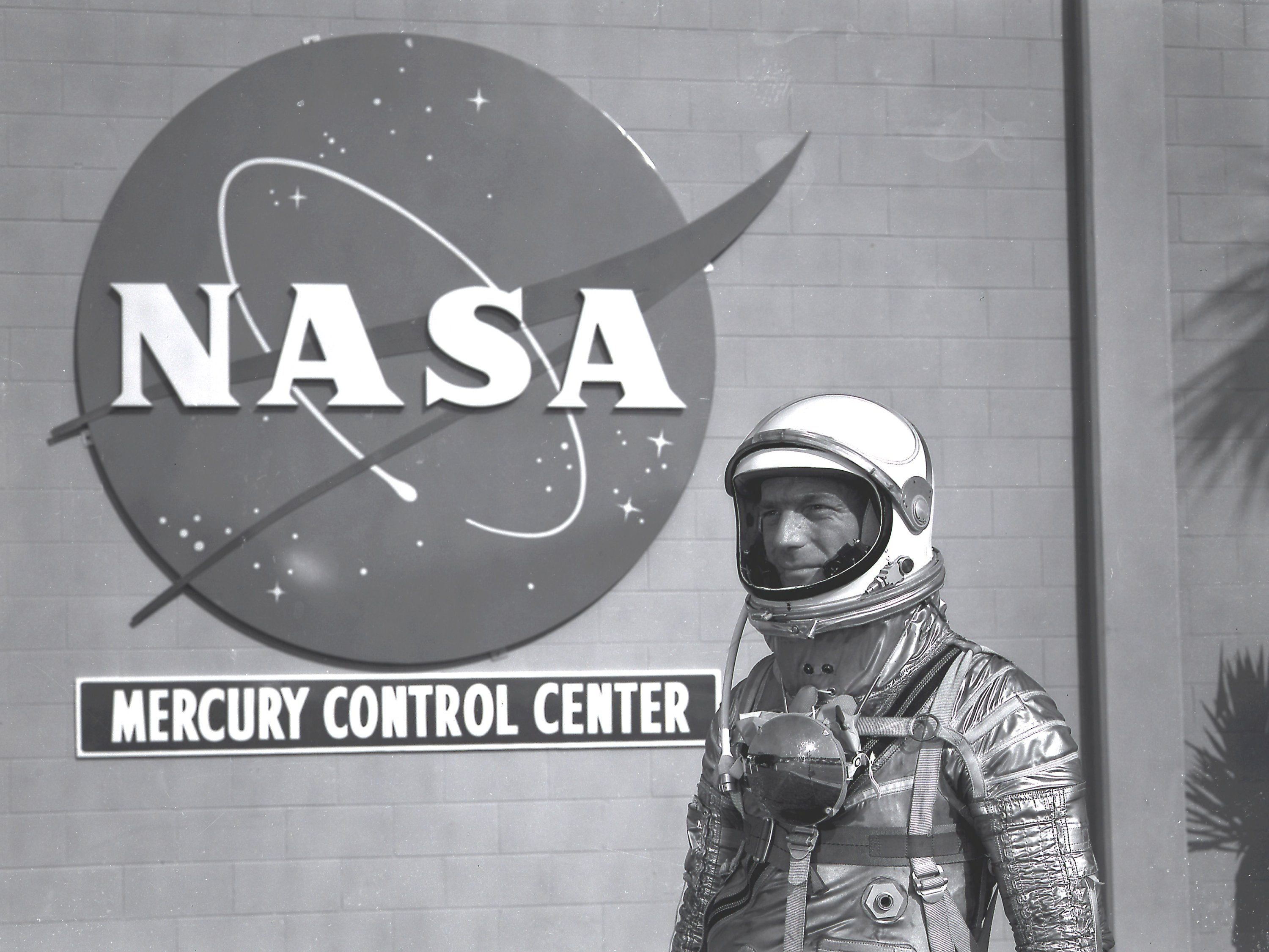
Exactly 64 years ago today, Scott Carpenter became the fourth American to orbit the Earth aboard Aurora 7. His five-hour flight produced new science, a tense reentry, and 39 minutes of silence in which the country wondered if it had just lost its astronaut.
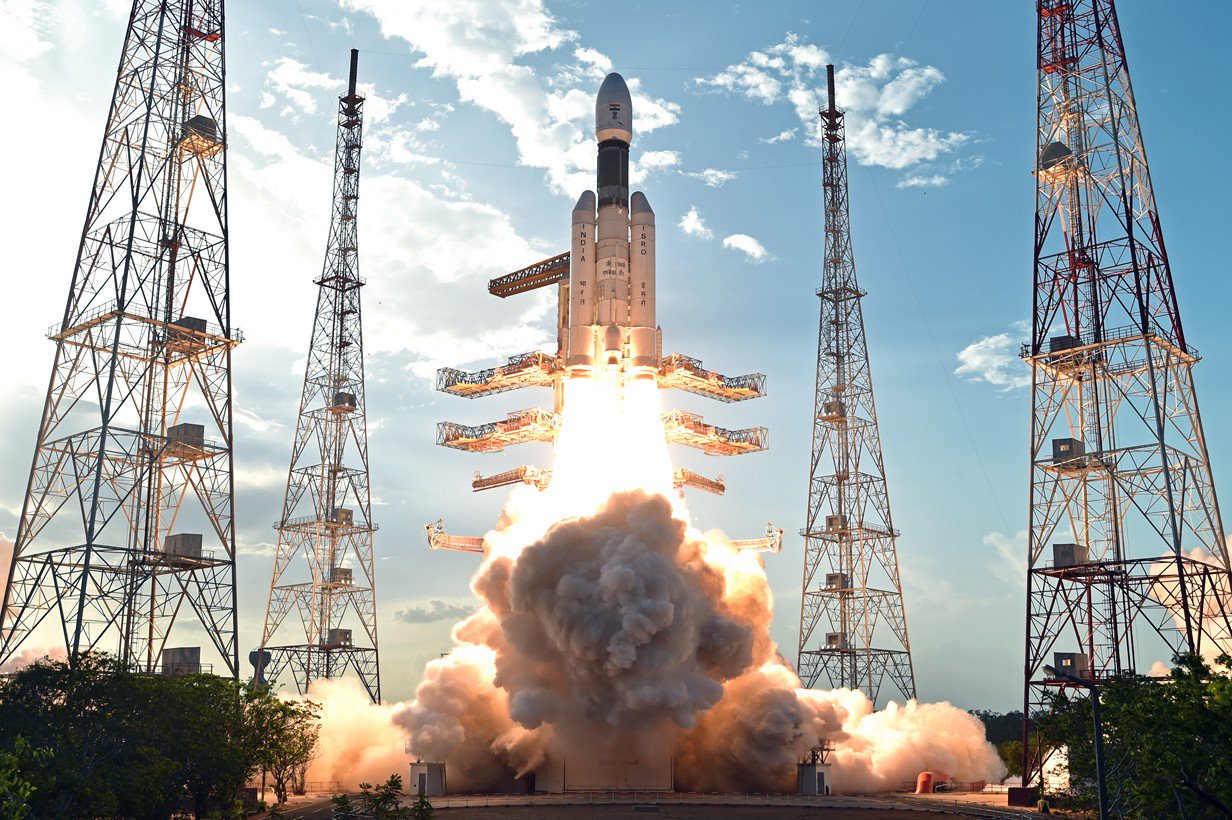
Today's updates cover Rocket Lab's launch for the U.S. Space Force, Digantara's major funding round, and discussions on national security in space.

SpaceX delays the launch of 23 Starlink satellites due to geomagnetic storm concerns, adjusting the schedule for an upcoming Falcon 9 mission.
Artemis 2 astronauts arrive at KSC for April 1 launch. Four-person crew will fly lunar free-return trajectory, first crewed lunar mission since Apollo 17 in 1972.
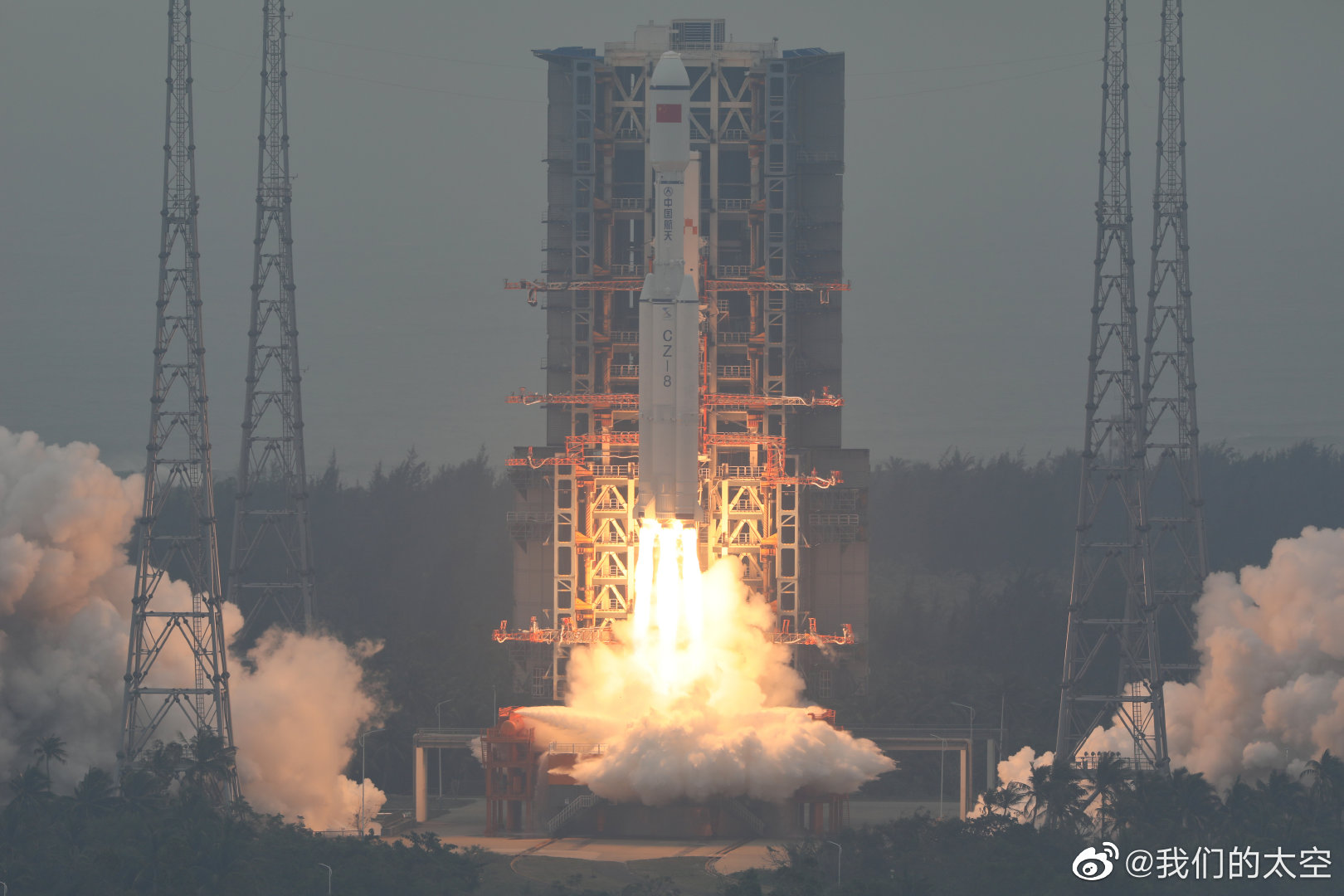
Artemis 2's four astronauts entered lunar sphere of influence April 6, first crewed arrival since Apollo 17. NASA simultaneously proposed 25% budget cut for FY2027.
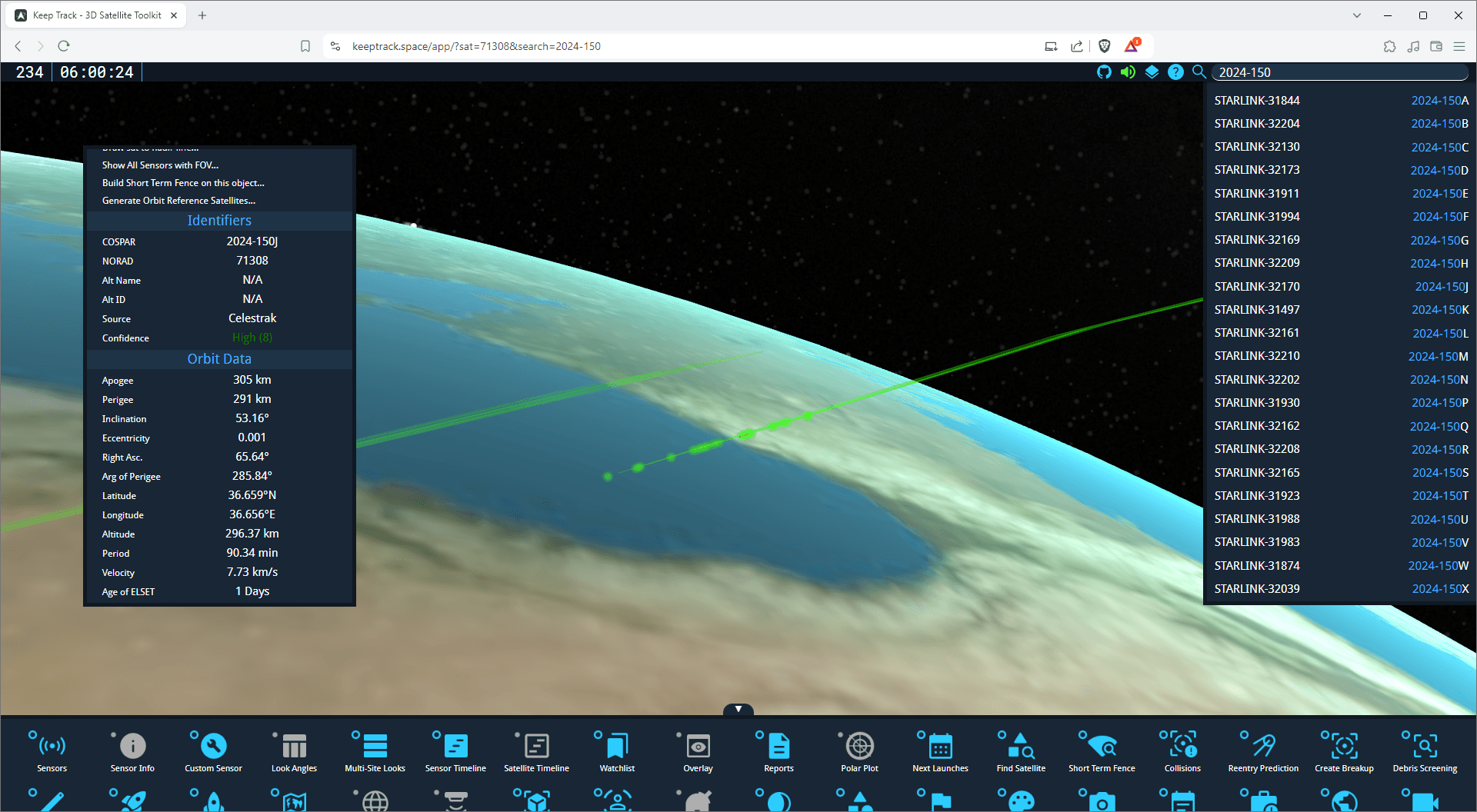
Recent Starlink launches, autonomous navigation for satellite swarms, major funding for asteroid mining, and insights into NASA's various projects and developments.