


Space Brief 10 Dec 2024
Today's highlights include a new 5G demonstration launch on Firefly, potential supply chain interruptions in the defense sector, and updates on Artemis and ULA launches.


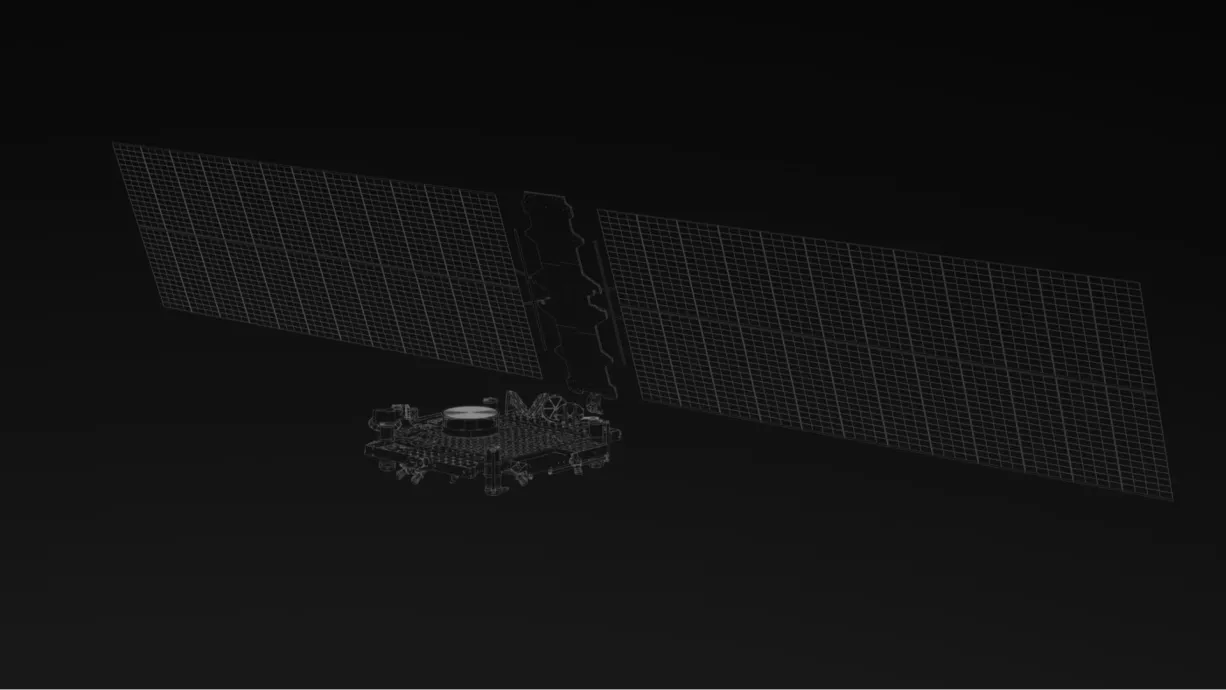
NORAD ID
59816
International Designator
2024-096C
Decay Date
Unknown
Name
USA 356
Alternative Name
USA 356
Type
Status
Owner
NROC
Country
United States
Constellation
N/A
Related Satellites
Major Events
N/A
Length
0.3
Diameter
4.1
Span
29
Dry Mass
700
Launch Mass
750
Shape
Box + pan
Radar Cross Section
Unknown
Visual Magnitude
Unknown
Color
Unknown
Material Composition
Unknown
Payload
Starshield 1-03
Purpose
Unknown (imaging or SIGINT)
Mission
Unknown (imaging or SIGINT)
Manufacturer
SPXS
Life Expectancy
Unknown
Bus
Starshield
Configuration
Starshield bus ?
Motor
?
Equipment
Unknown
Power System
deployable solar arrays
ADCS
Unknown
Transmitter Frequency
Unknown
Learn more about satellites and other related topics.
Today's highlights include a new 5G demonstration launch on Firefly, potential supply chain interruptions in the defense sector, and updates on Artemis and ULA launches.

Today's Space Brief highlights Innospace's upcoming orbital launch, SpaceX's record-setting Starlink mission, China's Thousand Sails constellation, Atomic-6's new space armor, and developments in SpaceX's West Coast facilities.
Today's highlights include a record-breaking event at the International Space Station, significant funding for hypersonic missile production, and several key military developments impacting space strategy.
We forecast how many satellites could be in orbit by 2030 and what capabilities we can expect.
SpaceX gears up for its next Starship flight while recent Falcon 9 missions make headlines with spectacular launches, bringing fresh Starlink satellites into orbit.
Discover the latest developments in space defense, innovative satellite technologies, nuclear advancements in space travel, and strategic military updates.

Today’s highlights include successful Falcon 9 launch for MECANO ID, ongoing Starship Block 3 development, and plans for direct-to-device testing next year.

On May 4, 1989, Space Shuttle Atlantis lifted off from LC-39B carrying Magellan, NASA's first interplanetary mission since 1978. The eleven-year drought ended in a payload bay, and the radar that emerged would map ninety-eight percent of Venus through clouds that no camera could ever see through.