


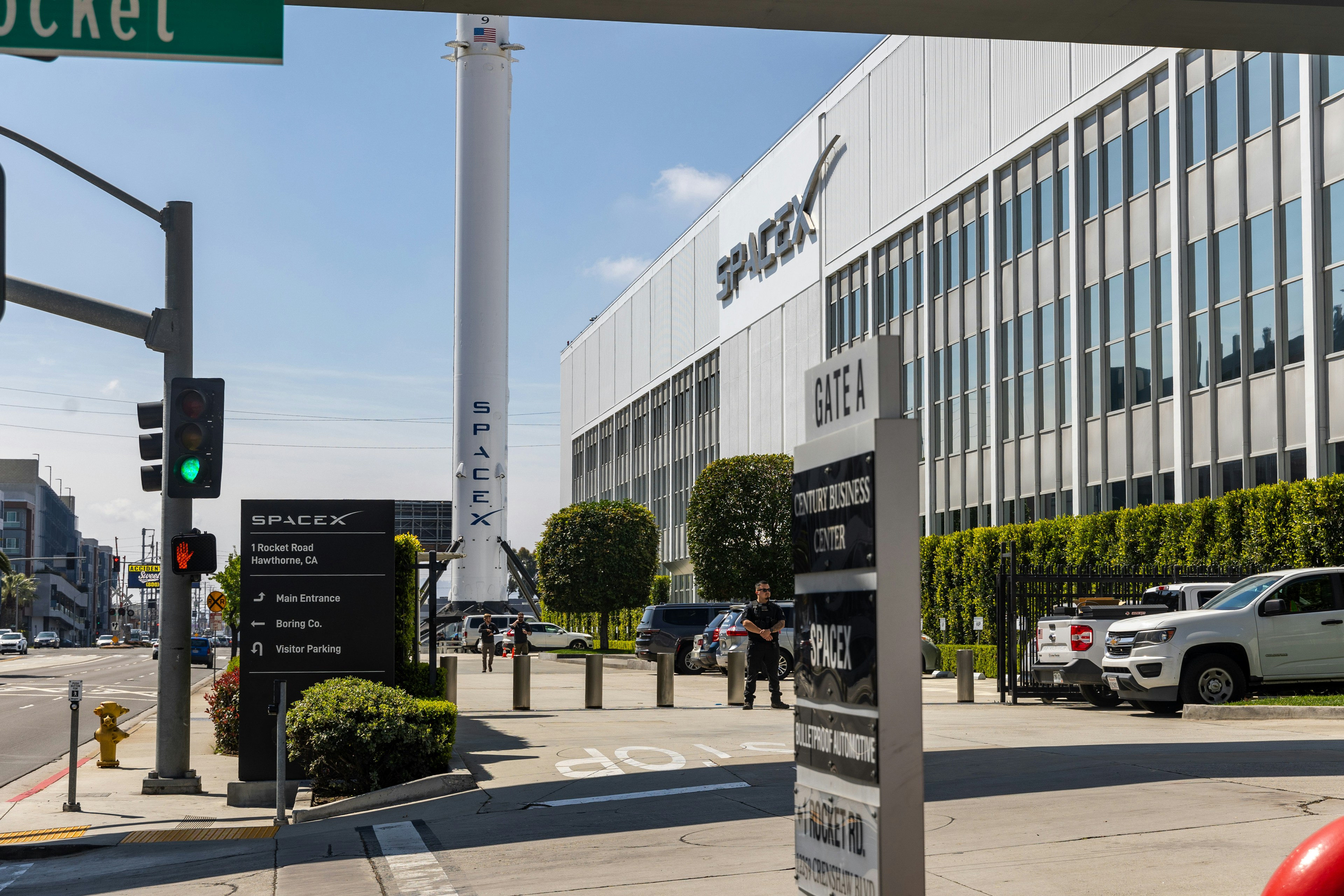
X Report 17 Mar 2025
SpaceX's Crew-10 mission safely docks with the ISS, setting up for a crew rotation. Starlink continues its global expansion with additional satellite deployments.



Launch Date
May 18, 2024
Launch Site
Launch Pad
LC40
Launch Vehicle
NORAD ID
59787
International Designator
2024-093F
Epoch
Sun, 19 Jul 2026 15:56:18 GMT
Apogee
Calculating...
Perigee
Calculating...
Inclination
43.00°
Right Ascension
183.20°
Eccentricity
Calculating...
Argument of Perigee
284.64°
Period
94.27 min
Mean Motion
15.28 rev/day
Latitude
Calculating...
Longitude
Calculating...
Altitude
Calculating...
Velocity
Calculating...
Name
STARLINK-31870
Alternative Name
Starlink 31870
Type
Status
Owner
SPXS
Country
United States
Constellation
N/A
Related Satellites
Major Events
N/A
1 59787U 24093F 26200.66409779 .00000450 00000+0 25893-4 0 9991
2 59787 43.0032 183.1954 0001067 284.6376 75.4357 15.27574628122880
Source: Celestrak
Length
0.3
Diameter
4.1
Span
29
Dry Mass
700
Launch Mass
730
Shape
Box + pan
Radar Cross Section
Unknown
Visual Magnitude
Unknown
Color
Unknown
Material Composition
Unknown
Payload
Starlink Group 6-59-06
Purpose
Communication
Mission
Communication
Manufacturer
SPXS
Life Expectancy
Unknown
Bus
Starlink V2M
Configuration
Starlink v2 Mini
Motor
Argon ion thrusters
Equipment
Ku/Ka/E-band payload, optical inter-satellite link
Power System
Solar arrays, batteries
ADCS
Unknown
Transmitter Frequency
Unknown
Learn more about satellites and other related topics.
SpaceX's Crew-10 mission safely docks with the ISS, setting up for a crew rotation. Starlink continues its global expansion with additional satellite deployments.
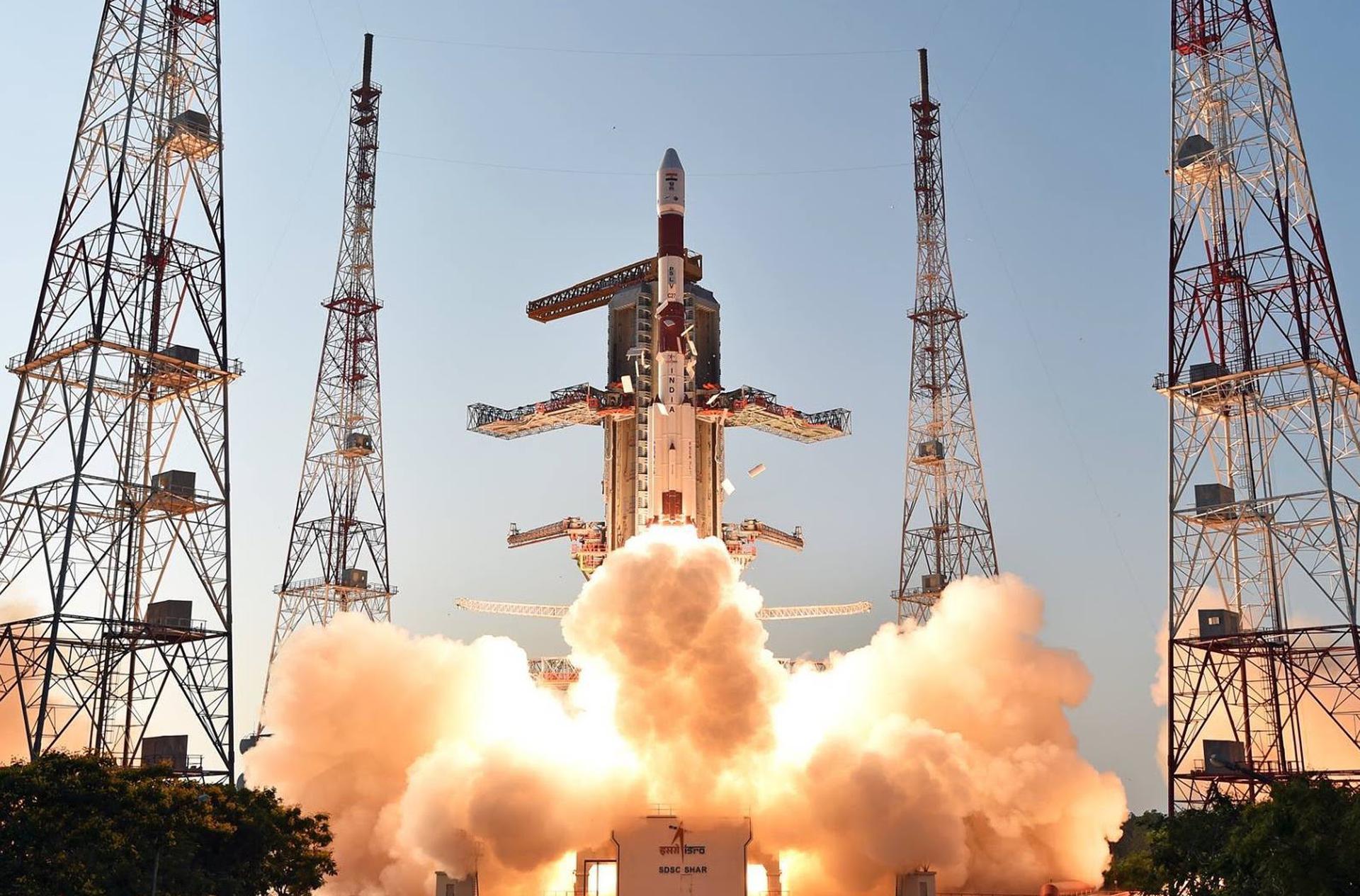
Highlighting ExLabs' Space Force contract, Starlink advances, and developments in orbital communication tech.

Thirty-five years ago, Voyager 1 captured a revolutionary series of images from the edge of our solar system, forever changing how humanity sees its place in the cosmos
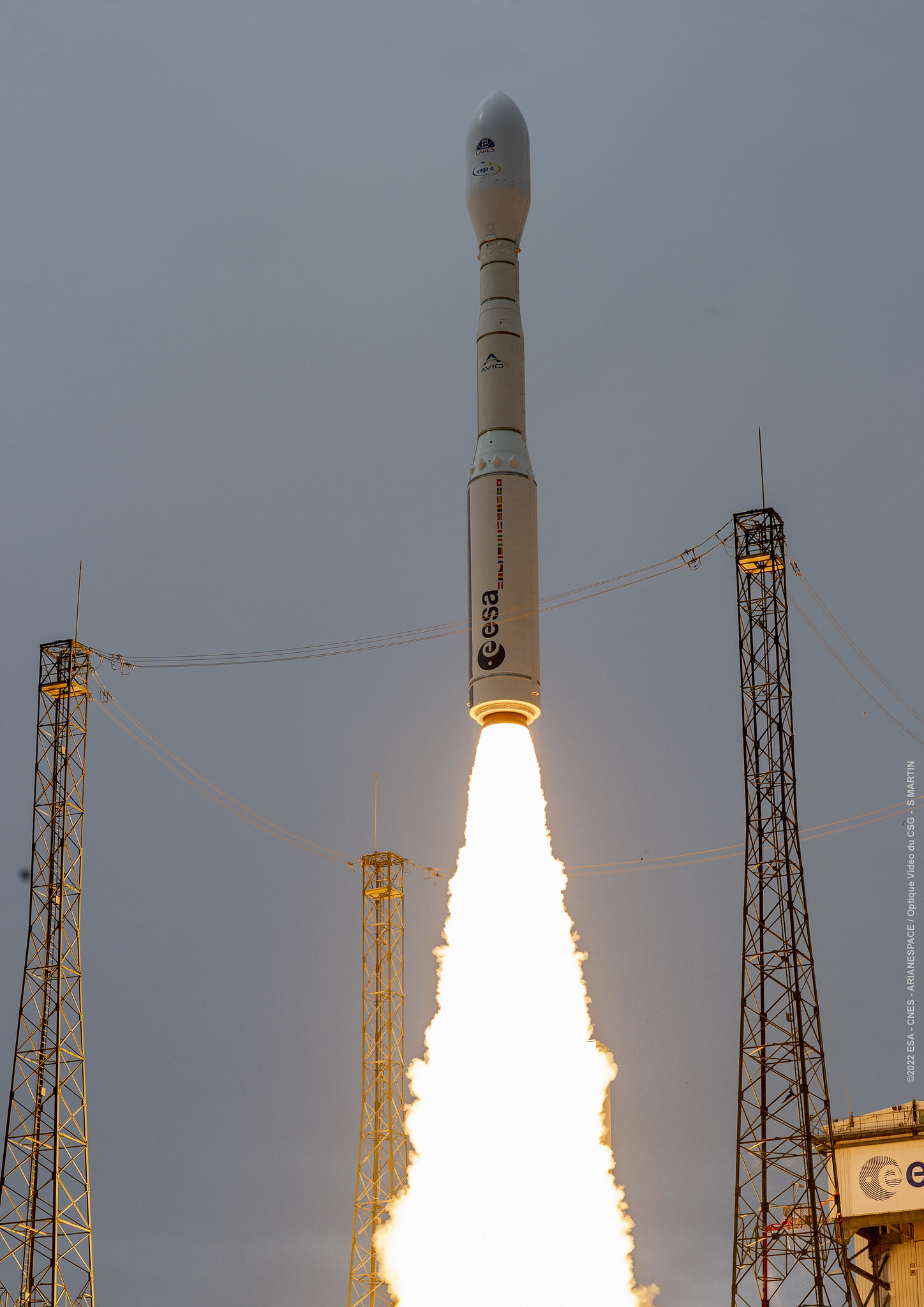
NASA's Artemis 3 lunar landing mission schedule continues slipping over 2 months after revised plans announced, with no crew or surface activity details released publicly yet.

Today's space news roundup highlights a significant defense bill passed for the Space Force, a delay in the Axiom-4 mission due to ISS issues, and major satellite deals with NATO.

Today's briefing covers the US Space Force's pivotal journeys, emerging hypersonic weaponry, and innovative drone technologies, with a special satellite update featuring Jackal X-1L-001.
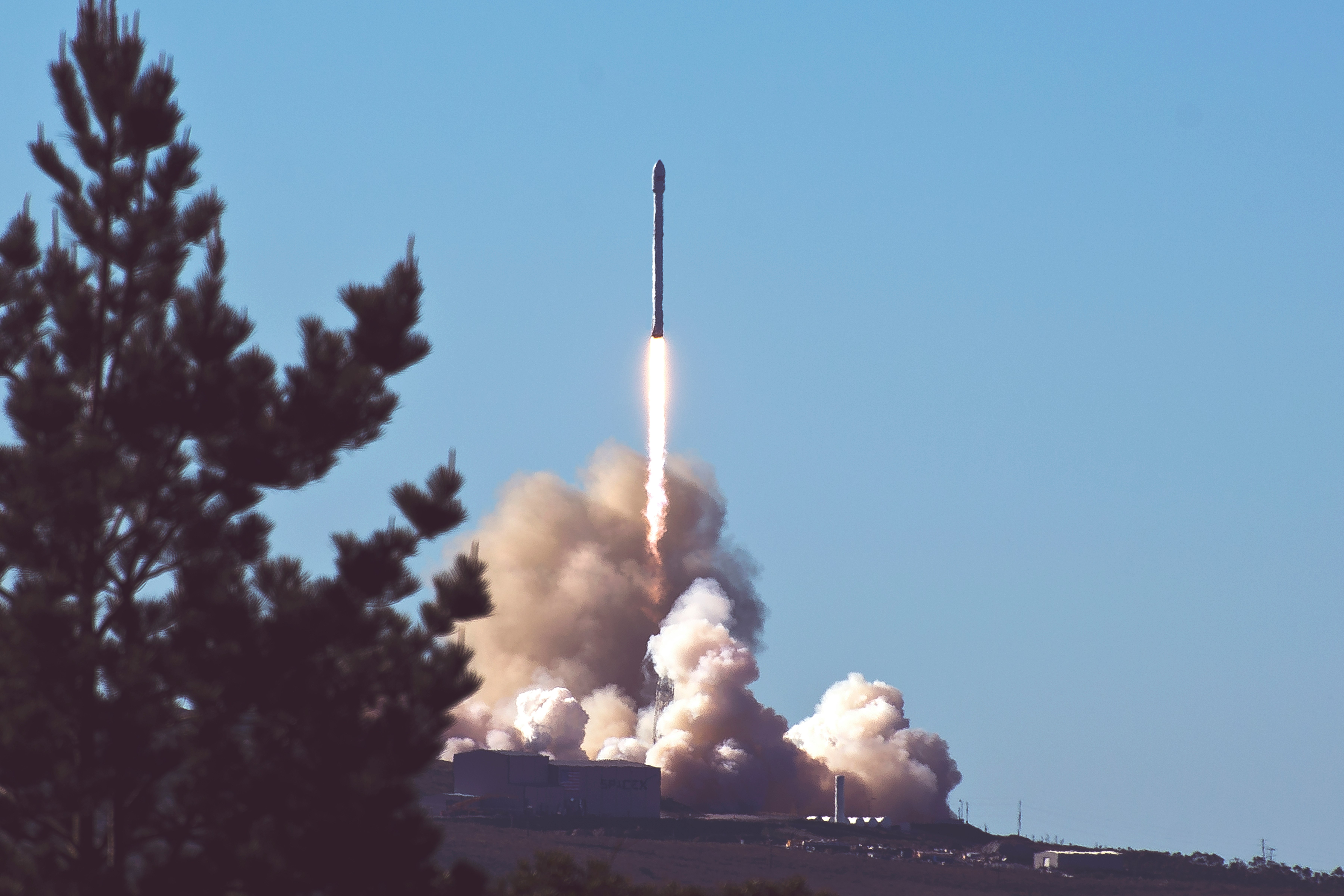
SpaceX launches two Falcon 9 rockets in one day carrying Starlink satellites from both coasts. Most-flown booster achieves record 33rd flight. 28 V2 Mini Optimized sats deployed.

SpaceX is preparing for significant infrastructure expansion in Texas and Florida to support Starship, launches its third NRO mission in a week, and faces regulatory scrutiny from the Bahamas.