


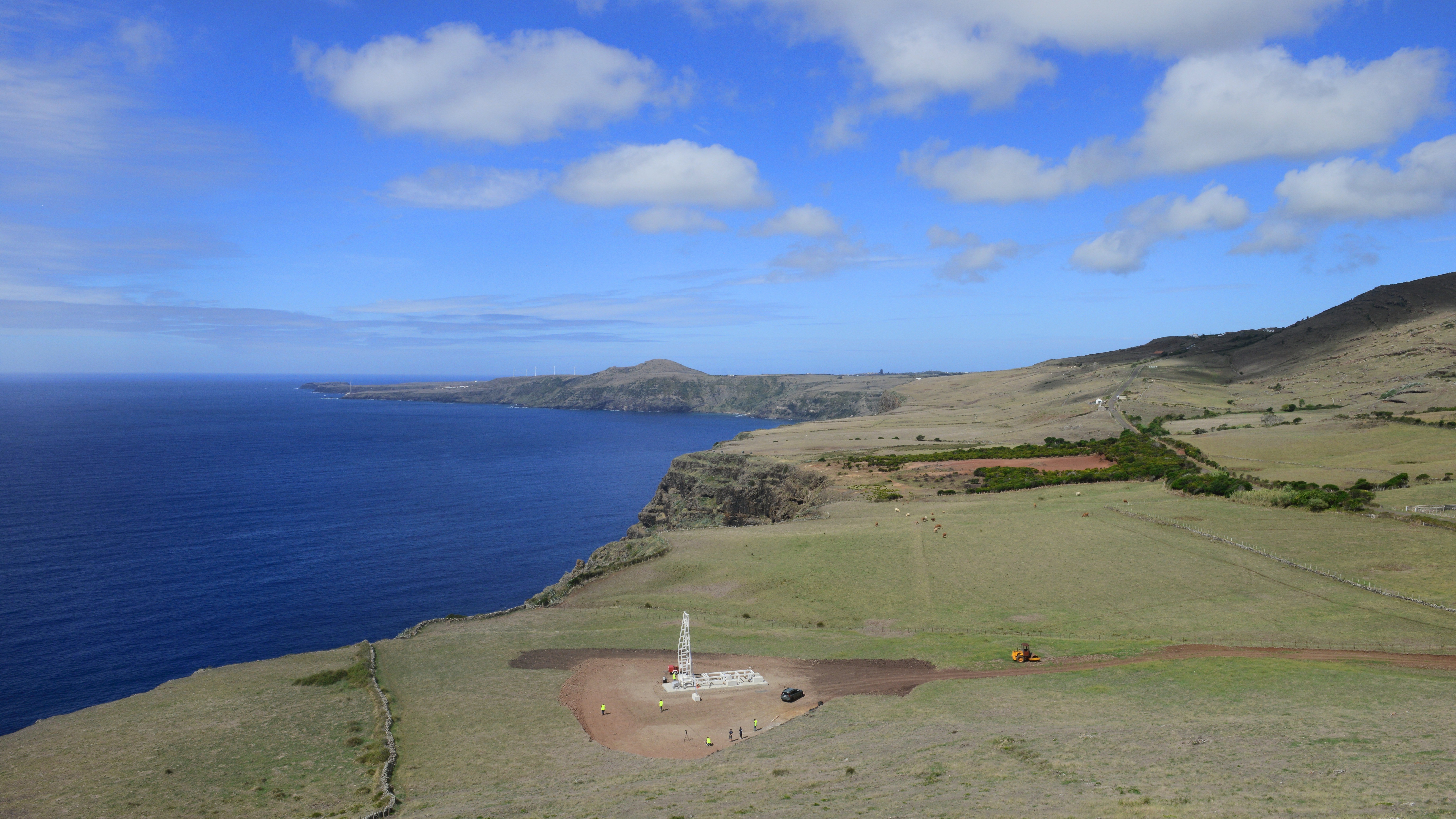
Santa Maria Spaceport (Azores)
Europe's Atlantic outpost enters the launch business. How Portugal's first licensed spaceport in the Azores is preparing for suborbital flights in 2026 and positioning to receive ESA's Space Rider in 2028.



Launch Date
May 18, 2024
Launch Site
Launch Pad
LC40
Launch Vehicle
NORAD ID
59785
International Designator
2024-093D
Epoch
Sun, 19 Jul 2026 07:16:28 GMT
Apogee
Calculating...
Perigee
Calculating...
Inclination
43.00°
Right Ascension
182.18°
Eccentricity
Calculating...
Argument of Perigee
270.59°
Period
94.27 min
Mean Motion
15.28 rev/day
Latitude
Calculating...
Longitude
Calculating...
Altitude
Calculating...
Velocity
Calculating...
Name
STARLINK-31890
Alternative Name
Starlink 31890
Type
Status
Owner
SPXS
Country
United States
Constellation
N/A
Related Satellites
Major Events
N/A
1 59785U 24093D 26200.30310209 -.00000077 00000+0 67414-5 0 9991
2 59785 43.0013 182.1832 0001141 270.5911 89.4810 15.27575148122868
Source: Celestrak
Length
0.3
Diameter
4.1
Span
29
Dry Mass
700
Launch Mass
730
Shape
Box + pan
Radar Cross Section
Unknown
Visual Magnitude
Unknown
Color
Unknown
Material Composition
Unknown
Payload
Starlink Group 6-59-04
Purpose
Communication
Mission
Communication
Manufacturer
SPXS
Life Expectancy
Unknown
Bus
Starlink V2M
Configuration
Starlink v2 Mini
Motor
Argon ion thrusters
Equipment
Ku/Ka/E-band payload, optical inter-satellite link
Power System
Solar arrays, batteries
ADCS
Unknown
Transmitter Frequency
Unknown
Learn more about satellites and other related topics.
Europe's Atlantic outpost enters the launch business. How Portugal's first licensed spaceport in the Azores is preparing for suborbital flights in 2026 and positioning to receive ESA's Space Rider in 2028.

SpaceX set to launch 11,000th Starlink satellite on Starlink 17-19 from Vandenberg. NASA moves Crew-12 launch to Feb 11 after ISS medical evacuation. Starship V3 targets mid-March first flight.

SpaceX's Starship Flight 12 debuts Ship 39 and Booster 19 on May 19, while York Space faces investor confusion as Space Force reorganizes the Space Development Agency.
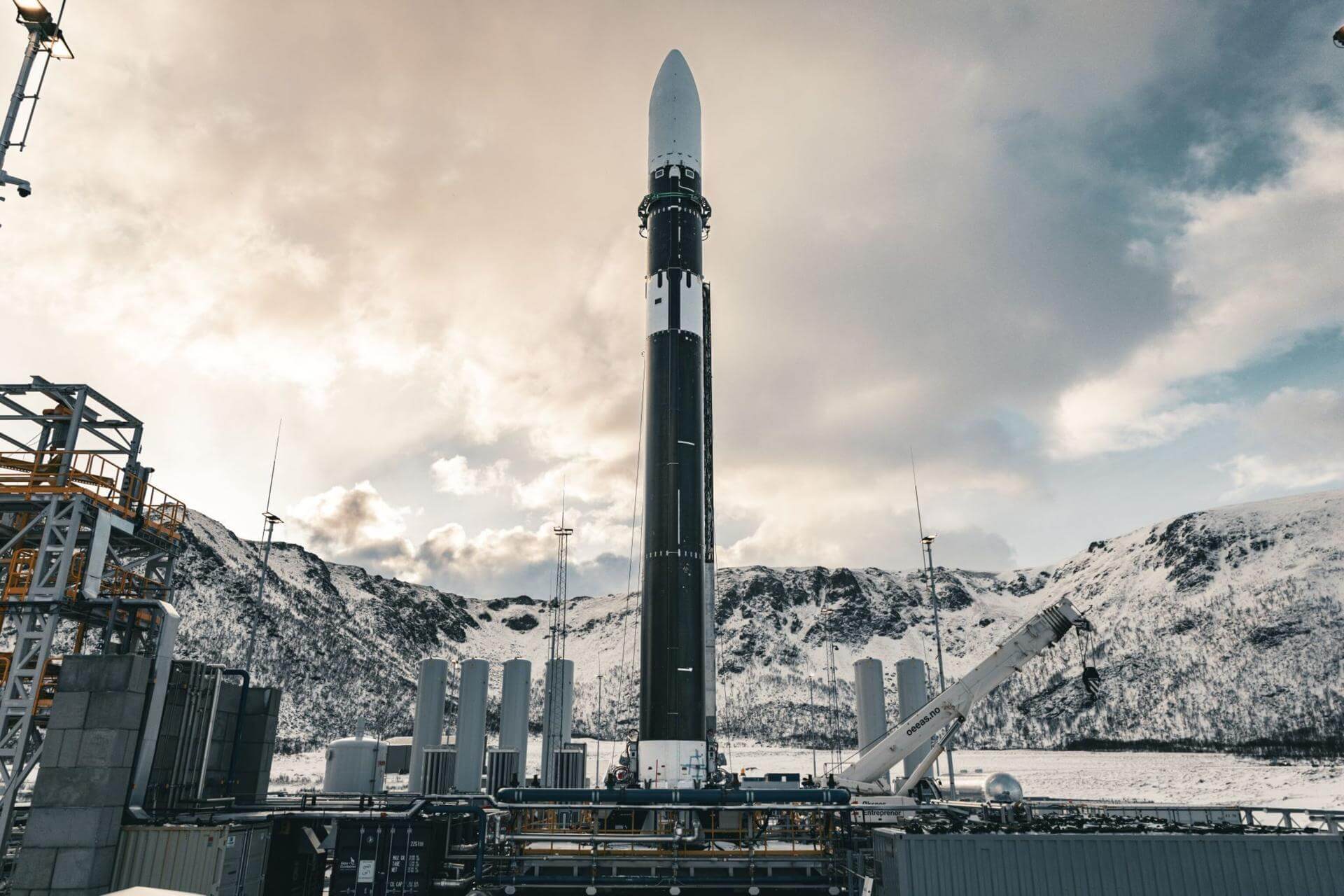
Exploring the future of space with concerns on space debris, rapid growth in orbital data centers, and new developments at launch sites.
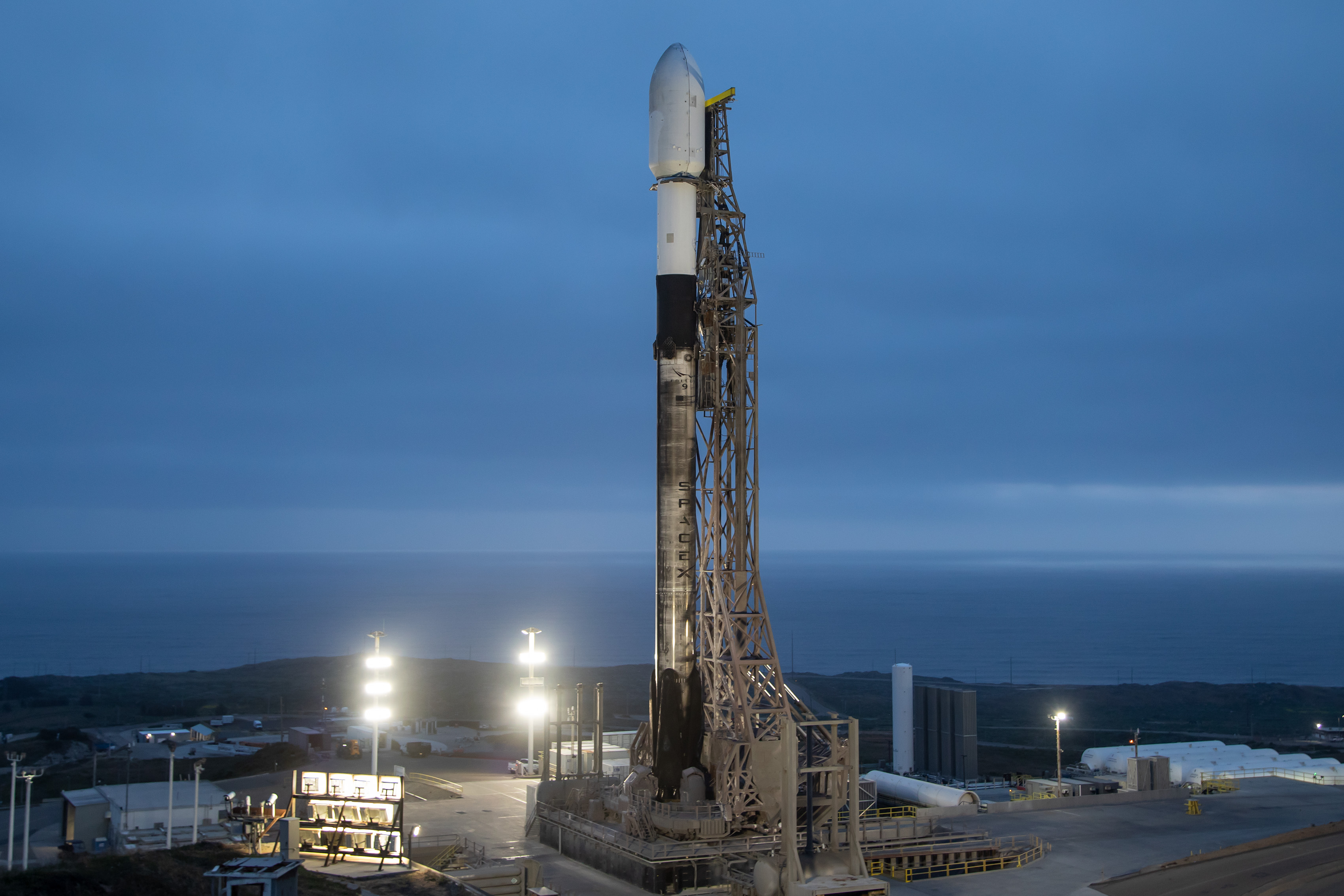
Firefly Aerospace launches return-to-flight Firefly Alpha on March 10 after Flight 6 anomaly. SpaceX also launches EchoStar 25 GEO satellite and multiple Starlink batches this week.
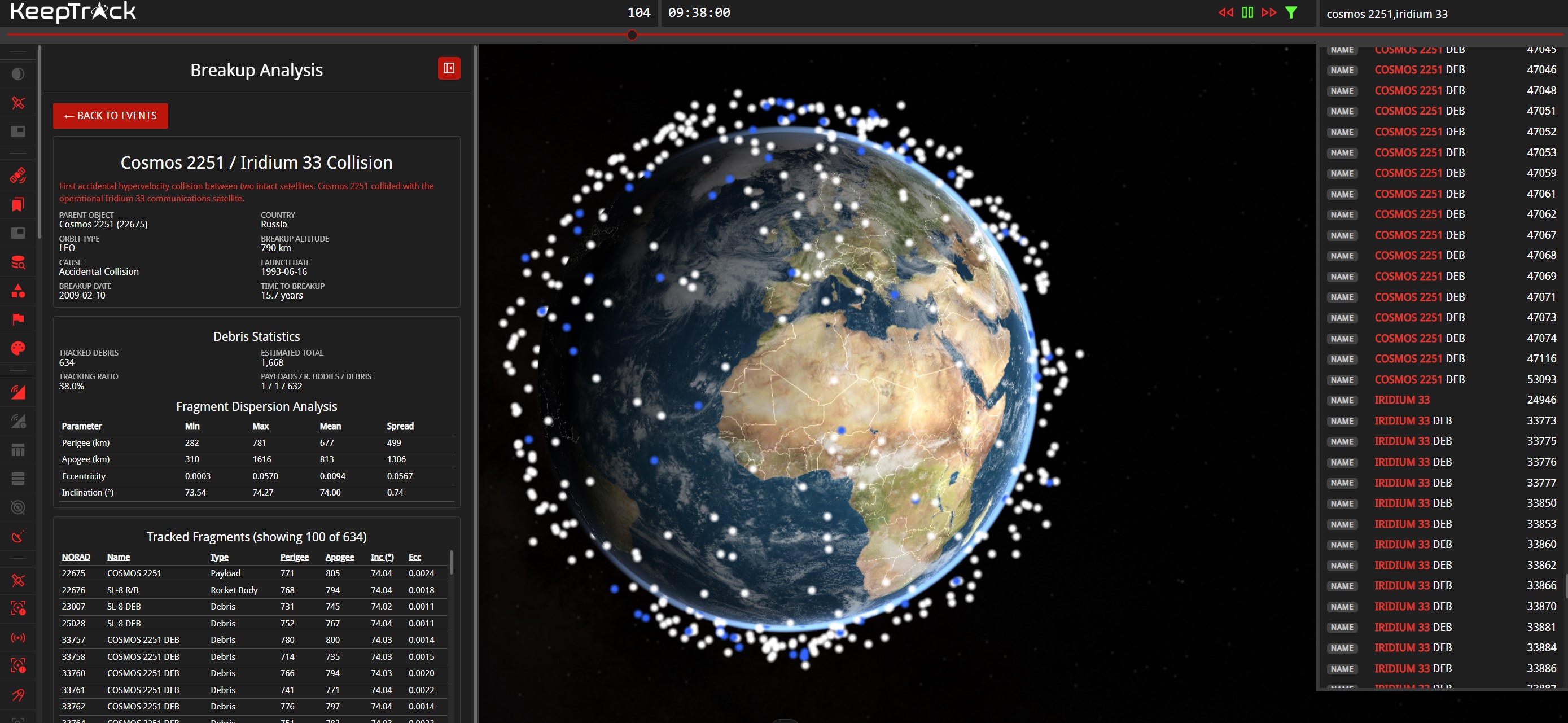
On February 10, 2009, an active Iridium communications satellite and a derelict Soviet military spacecraft slammed into each other 789 kilometers above Siberia. The collision produced more than 2,300 pieces of trackable debris that are still up there. Seventeen years later, the Iridium-Cosmos collision remains the event that made space debris a policy problem the world could no longer ignore.
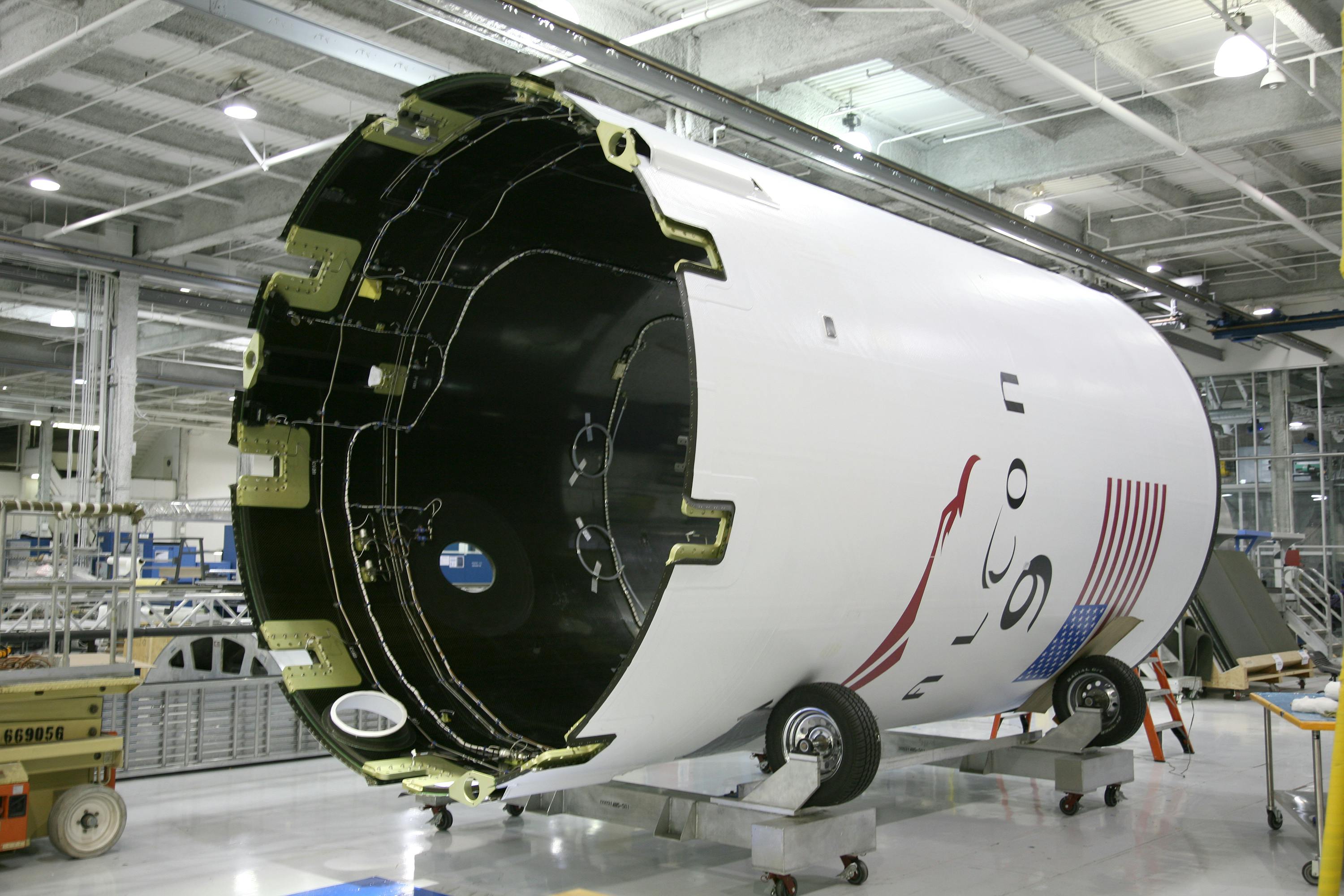
SpaceX flew a Falcon 9 booster for a record 35th time on July 10, deploying 29 Starlink satellites as direct-to-cell tech expands to pet collars.

SpaceX makes headlines with record-breaking launch operations, while plans for an IPO signal major changes in the company's trajectory and could inspire industry-wide movements.